





Old Framed Engravings
Old framed engravings bring centuries of printed history and classical portraiture directly to your walls, set beneath glass and timber.
Old Framed Engravings
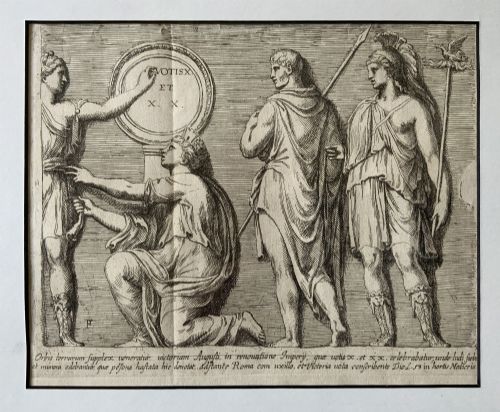
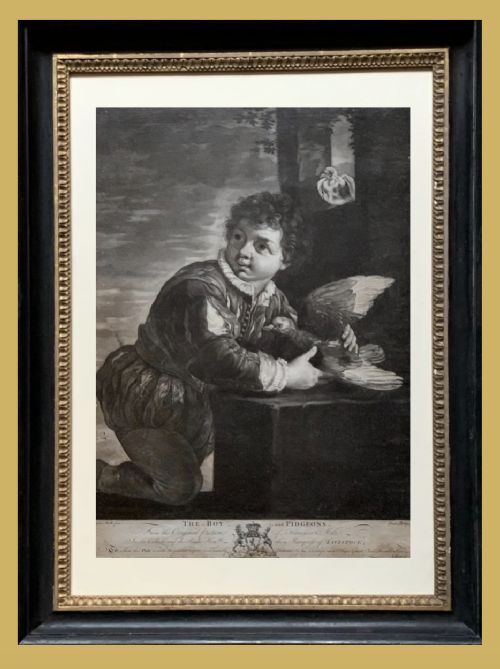
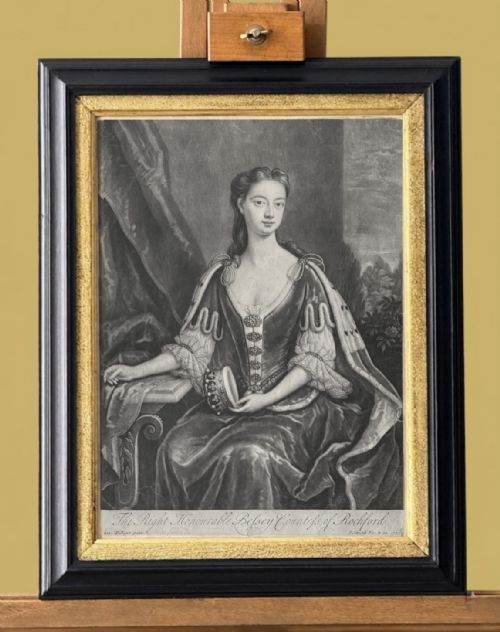
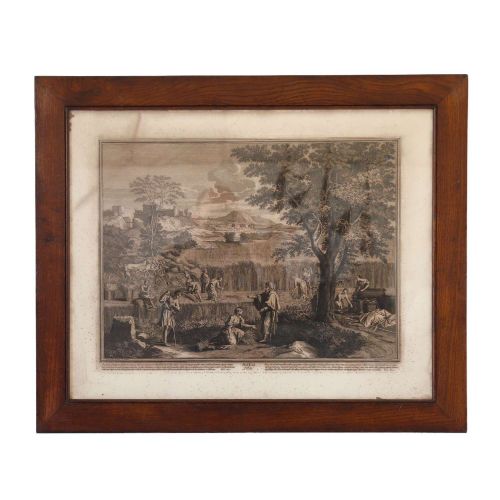
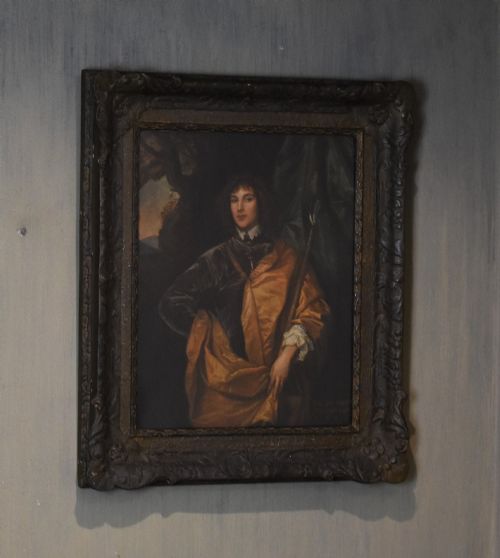
Old framed engravings encompass a rich variety of printed works, ranging from seventeenth-century Roman Baroque etchings to eighteenth-century mezzotint portraits and nineteenth-century sporting scenes. When searching for old framed engravings, buyers encounter works pulled from copper plates or woodblocks, preserved within period timber frames.
The pieces on this page span the seventeenth, eighteenth, and nineteenth centuries, including styles from the Dutch Golden Age and English Country House aesthetics. Subjects vary widely from classical compositions after masters like Poussin and van Dyck to topographical maps of Surrey and early sporting studies.
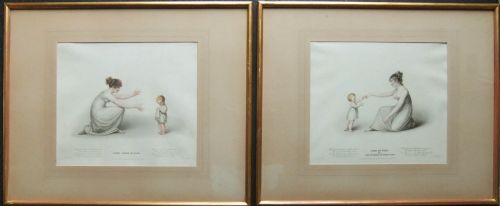
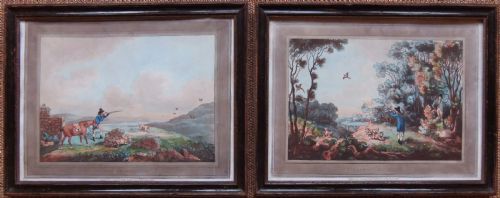
Pairs and sets frequently appear alongside single plates, offering balanced displays for domestic interiors. These framed works capture historical subjects, natural history, and architectural views through the meticulous hand of early printmakers.
What varies in quality
The clarity of the impression dictates the primary tier of quality, as plates wore down over successive printings and yielded softer lines in later pulls. Early impressions retain crisp contrasts and fine details that distinguish master printmakers from later workshop editions.
The integrity of the paper and the preservation of the original framing elements contribute significantly to the standing of a piece. Margins left intact around the platemark and minimal toning or foxing elevate the stature of historical prints.
Old Framed Engravings Retail Price Guide 2026
Typical asking prices for old framed engravings among the pieces listed under this phrase on Sellingantiques today, from the lower quarter to the upper quarter. They describe what is for sale here now, not the wider market.
Subject matter across the inventory ranges from classical mythological scenes and topographical maps of Surrey to nineteenth-century sporting dogs and running champions.
François Perrier·John Boydell·John Smith·Robert Sayer·Claes Jansz Visscher·John Cary·H. Alken·Sam. Howitt
The Old Framed Engravings Glossary
- Engraving
- A printmaking technique where a sharp metal tool called a burin cuts lines directly into a copper or metal plate. The resulting incised lines hold the ink for printing.
- Etching
- A method where acid bites into the exposed metal lines of a plate that has been covered with a protective wax ground. This allows for free-flowing lines compared to direct engraving.
- Mezzotint
- A tonal printmaking process where the copper plate is roughened to produce rich dark areas, and scraped down to create lighter tones. It produces velvety gradations without using traditional line work.
- Platemark
- The indentation left in the paper by the edge of the metal plate during the high-pressure printing process. Its presence confirms the use of an intaglio printing plate.
- State
- A stage in the development of a printed image, recorded as plates were altered or reworked by the artist over time. Early states are typically prized for their freshness.
Old Framed Engravings: Frequently Asked Questions
What is an old framed engraving?
An old framed engraving is a historical print pulled from an engraved metal plate and housed behind glass in a period frame. These works preserve centuries of artistic composition and documentary illustration.
They offer a tangible link to historical printmaking techniques, displaying fine line work and tonal variation achieved by early printmakers.
How do I care for old framed prints?
Keep framed engravings away from direct sunlight to prevent the ink from fading and the paper from yellowing over time. Stable humidity levels protect both the paper support and the wooden framing.
Avoid hanging them in damp spaces like kitchens or bathrooms where moisture can cause foxing spots on the paper.
Are these prints originals from the period?
The listings include original seventeenth, eighteenth, and nineteenth-century impressions pulled during the active periods of the artists and publishers named. Each piece reflects the printing standards and materials of its specific era.
Checking the paper characteristics and platemarks helps establish the historical context of each individual print.
Why do some engravings come as pairs?
Publishers frequently released companion subjects, such as seasonal allegories or matching sporting scenes, intended to be displayed together on domestic walls. Pairs and sets provide a balanced aesthetic for interior decoration.
Keeping matching prints together preserves their original publishing intent and historical pairing.