



Old Double Doors
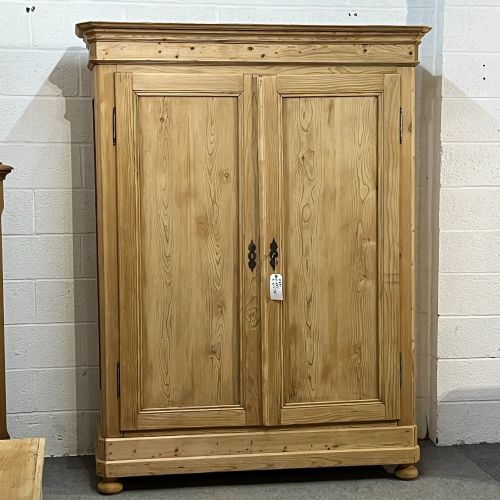
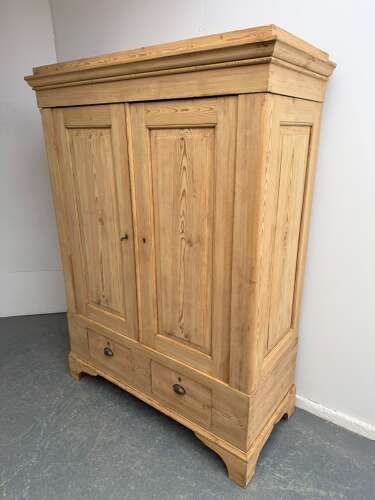
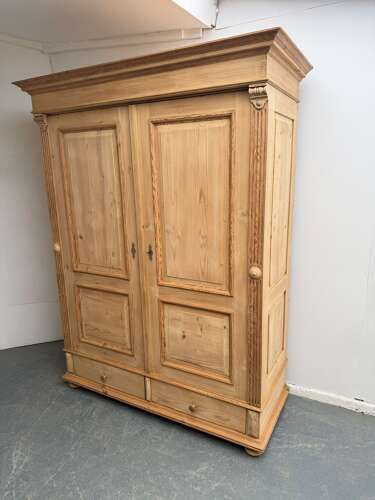
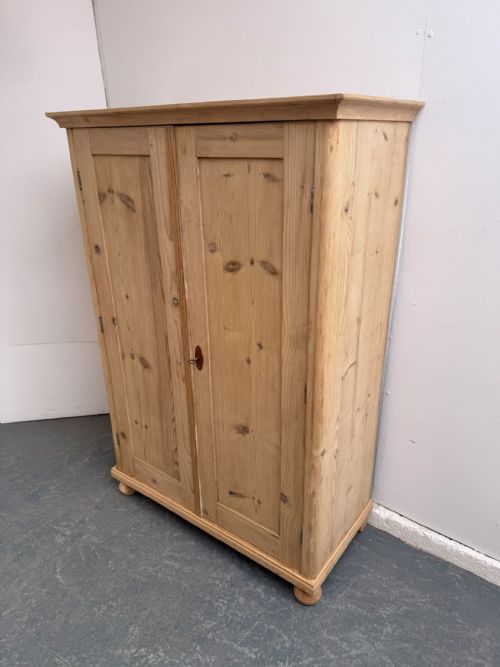
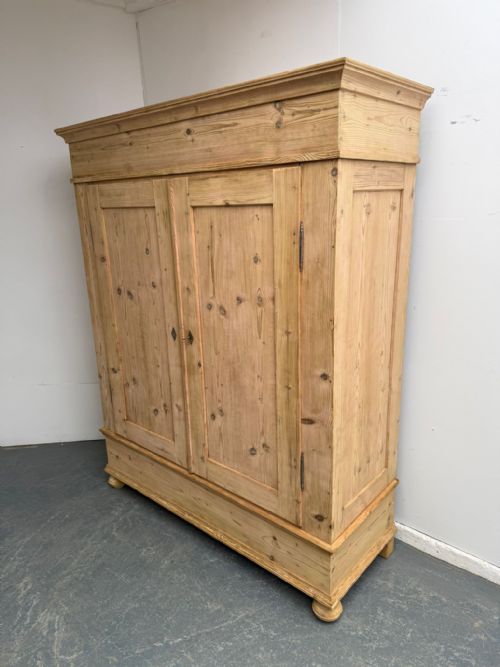
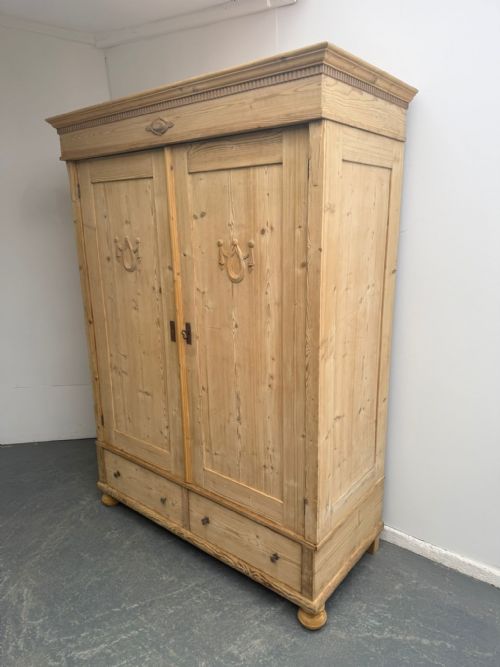
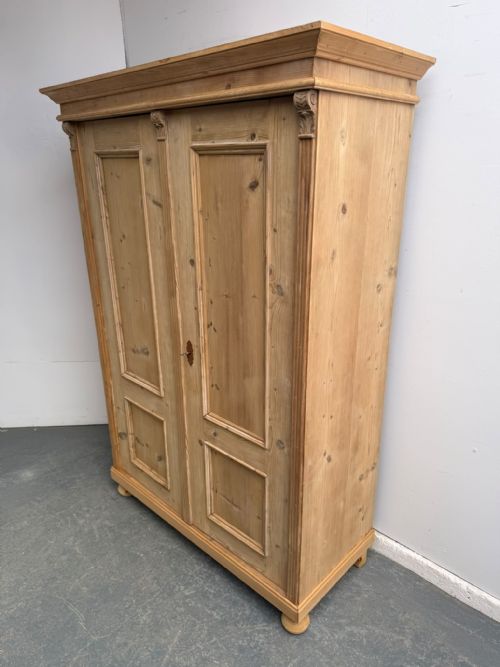
Old double doors manifest in these listings primarily as large pine wardrobes, cupboards, and display cabinets from the Victorian and Georgian eras.
Old Double Doors
When you search for old double doors on this page, you encounter large storage furniture such as Victorian and Georgian wardrobes, cupboards, armoires, and linen presses. These substantial two-door pieces serve as functional room dividers or focal storage units in period interiors.
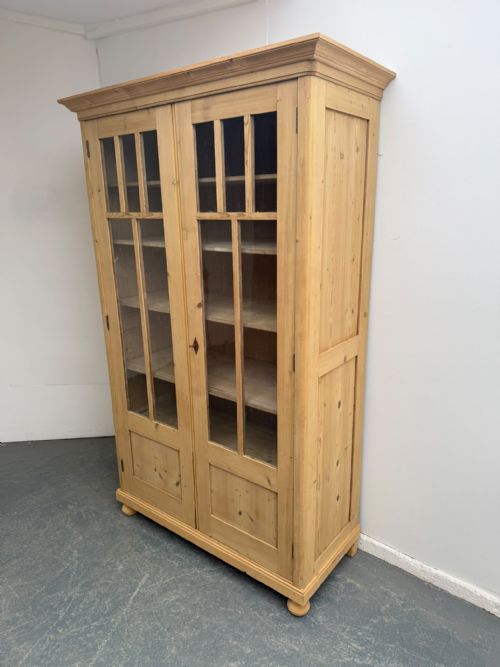
The selection ranges from low cottage cupboards and shallow storage units to huge knockdown wardrobes and glazed display cabinets. Most pieces are constructed from old pine and are presented with options to wax or paint according to interior preference.
Materials and construction methods
Construction relies predominantly on solid old pine, often utilising knockdown formats on larger wardrobes to facilitate transport and installation in period properties. Iron and brass hardware such as hinges and handles provide structural integrity and functional movement to the heavy timber doors.
Surfaces are finished in various treatments, including traditional wax or applied paint in light grey, while specific pieces incorporate glass panels for display cabinets and linen presses. Joinery techniques reflect the Victorian and Georgian periods, accommodating large panelled doors and internal shelving or hanging space.
Old Double Doors Retail Price Guide 2026
Typical asking prices for old double doors among the pieces listed under this phrase on Sellingantiques today, from the lower quarter to the upper quarter. They describe what is for sale here now, not the wider market.
Listings span multiple historical periods including the Georgian and Victorian eras, alongside early twentieth-century Arts and Crafts and Art Nouveau examples.
Distinguishing quality across periods and forms
Quality differences appear in the scale of the timber, the proportion of the structure, and the presence of decorative details associated with specific styles like Arts and Crafts or Art Nouveau. Larger, well-proportioned knockdown wardrobes and fitted storage cupboards represent the upper tier of construction.
The execution of joinery and the original hardware condition also differentiate standard utility pieces from top quality examples. Finish options, ranging from waxed pine retaining natural grain to clean painted surfaces, influence the overall presentation of the furniture.
The Old Double Doors Glossary
- Knockdown wardrobe
- A large wardrobe engineered to dismantle into modular sections for ease of movement and assembly. This method of construction was particularly popular in Victorian times for substantial bedroom furniture.
- Linen press
- A tall storage piece combining sliding trays or shelves in the upper section with drawer storage below. These cabinets were traditionally utilised for storing household textiles.
- Waxed pine
- Timber treated with a protective wax finish that nourishes the wood and enhances its natural grain. This treatment is typical of period pine furniture found in country and cottage settings.
- Glazed display cabinet
- A cabinet featuring glass panelled doors designed for the visibility and protection of interior contents. Such pieces often incorporate shelving suited to display collections or books.
Old Double Doors: Frequently Asked Questions
How do I assemble a knockdown wardrobe?
Knockdown wardrobes are constructed to dismantle into manageable sections such as the cornice, base, sides, and doors. Assembly typically involves interlocking timber joints, wooden pegs, or internal metal bolts rather than permanent glue.
Careful alignment of the heavy double doors is necessary during reassembly to ensure they swing freely and latch correctly within the frame.
What is the difference between a linen press and a wardrobe?
A linen press traditionally combines internal sliding trays or shelves in the upper cabinet with deep drawers in the base section. They were designed specifically for flat-stored household linens.
Wardrobes focus primarily on vertical hanging space enclosed by two full-length doors, though some variations include internal drawers or lower compartments.
Can I paint a waxed pine cupboard?
Many period pine pieces are sold with the explicit option to wax or paint, making them adaptable to different interior schemes. Applying new paint to previously waxed timber requires thorough cleaning and a suitable primer to ensure proper adhesion.
Stripping old wax back to raw pine is often necessary before attempting a clean painted finish on antique furniture.
How do I date an old pine wardrobe?
Dating relies on architectural styling cues, construction methods, and hardware types characteristic of Victorian, Georgian, or later Arts and Crafts periods. Georgian pieces often display simpler, lower cottage proportions or fitted interiors.
Victorian and Edwardian examples frequently utilise larger proportions, knockdown engineering, and stylistic touches such as glazed panels or decorative mouldings.