

Old Cut Stone Ring
An old cut stone ring brings together hand-faceted gems and precious metals from the Victorian, Edwardian, and Art Deco eras.
Old Cut Stone Ring
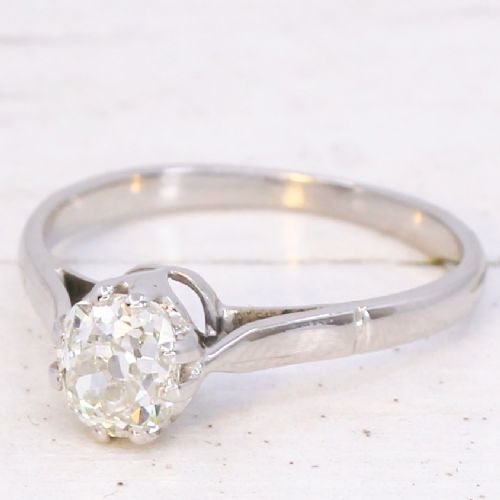
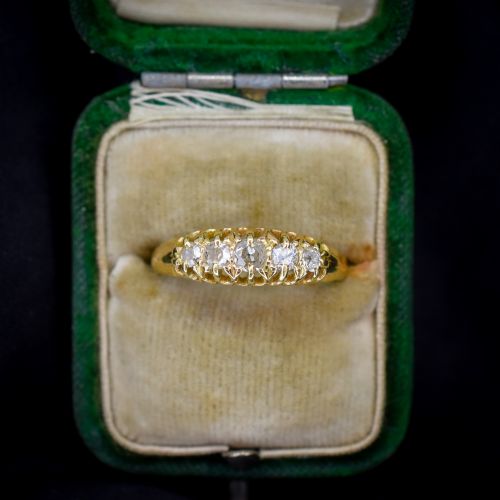
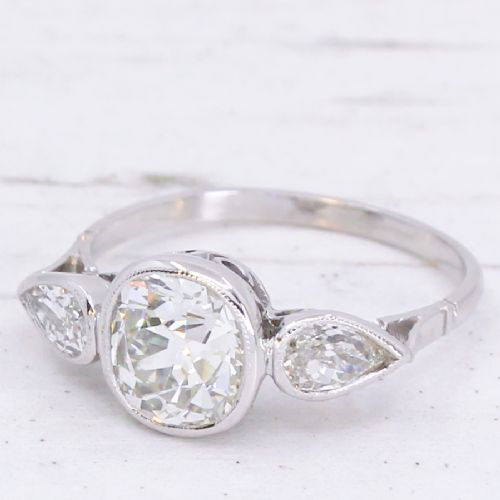
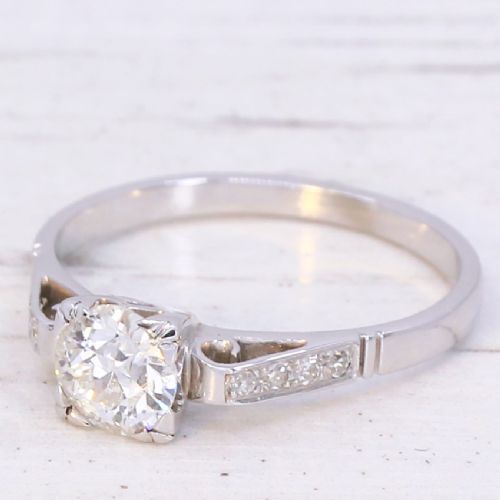
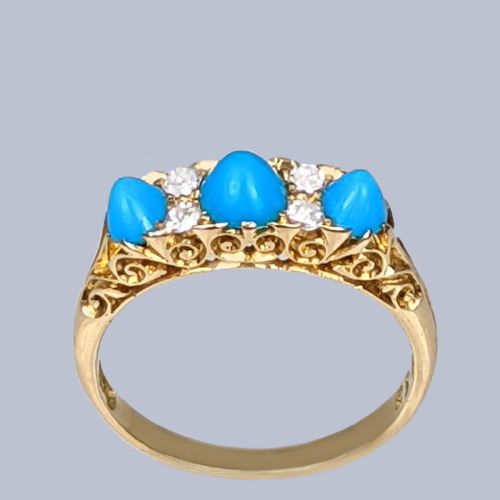
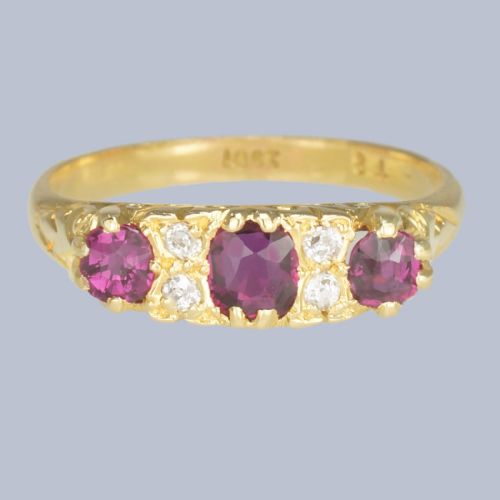
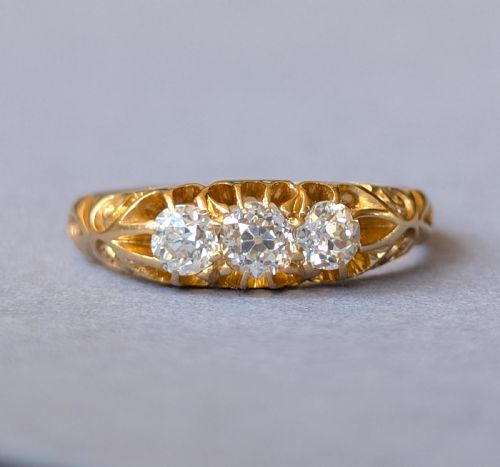
An old cut stone ring centres on diamonds or coloured gems shaped by hand rather than modern machinery. These pieces span from the late Victorian period through the Edwardian era into the Art Deco and mid-century years.
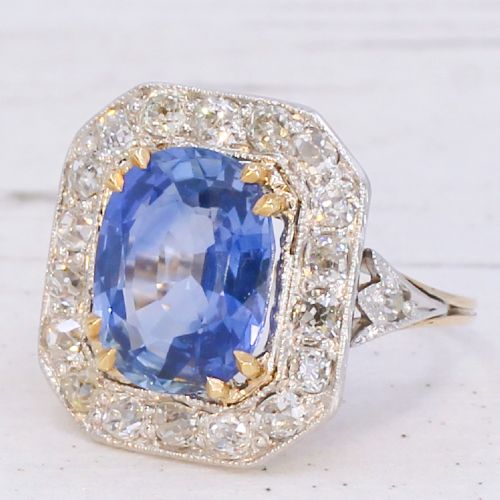
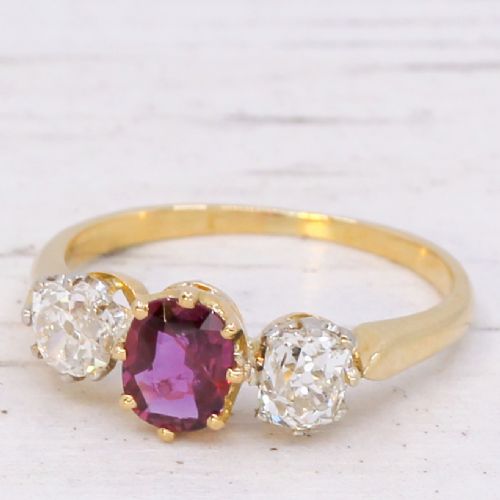
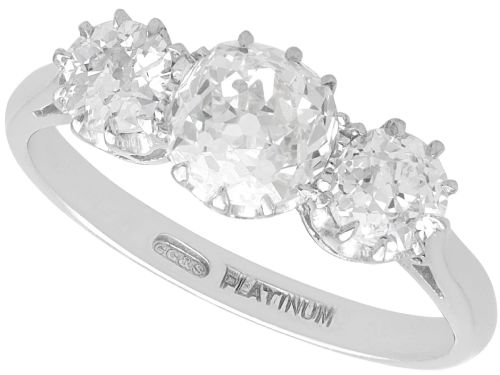
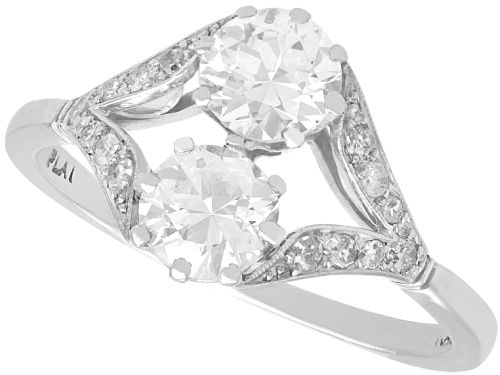
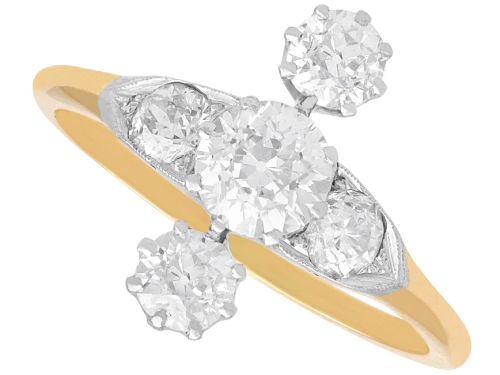
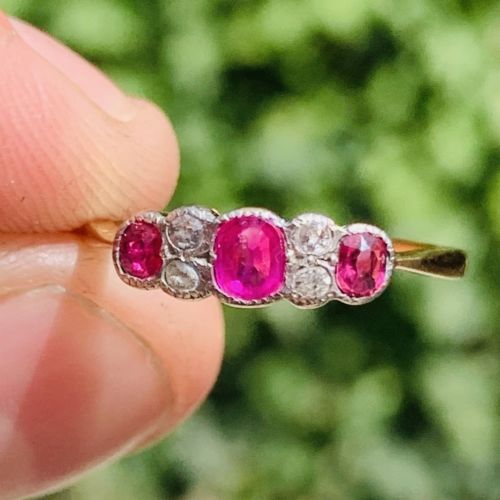
The most common formats on this page include multi-stone configurations such as three-stone trilogies, five-stone rows, and cluster arrangements. Solitaire engagement rings and toi et moi twist designs also appear frequently.
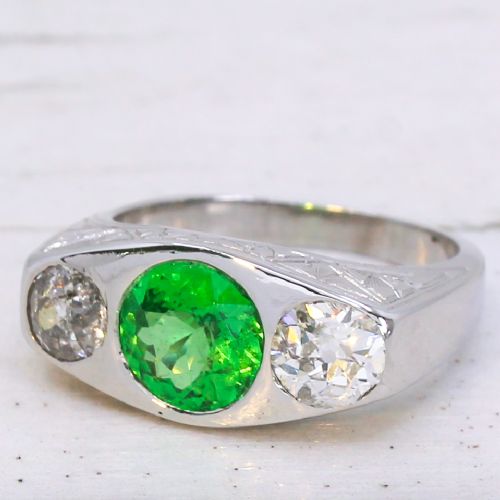
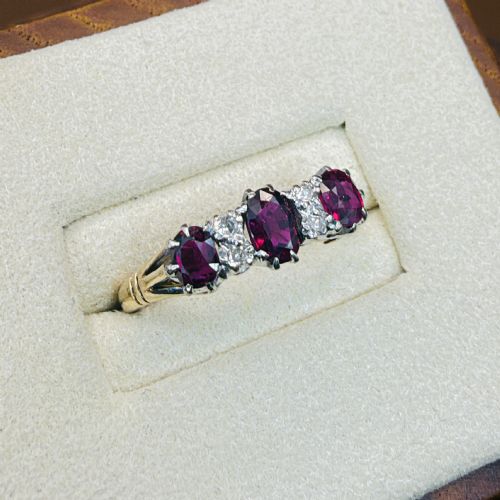
Materials combine platinum with various forms of gold, supporting rubies, sapphires, tsavorites, and turquoise alongside the central diamonds. Each configuration reflects the dominant jewellery styles of its decade of origin.
Materials and construction
Metals used in these rings rely heavily on platinum and 18ct gold, sometimes incorporating 15ct gold in earlier Victorian examples. Platinum gained widespread favour during the Edwardian period for its strength in delicate, lace-like settings.
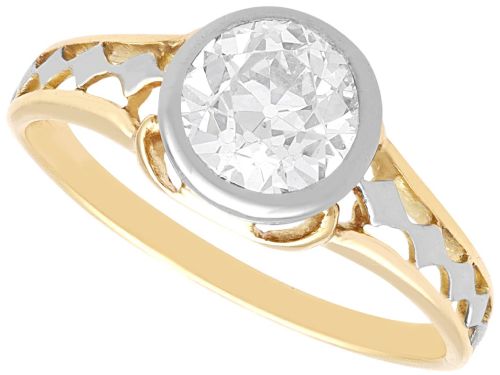
Gemstones feature hand-cut facets produced before modern standardisation, resulting in softer outlines and deep culets. Stones like old mine cuts and old European cuts are secured in claw, bezel, or gypsy settings.
Old Cut Stone Ring Retail Price Guide 2026
Typical asking prices for old cut stone ring among the pieces listed under this phrase on Sellingantiques today, from the lower quarter to the upper quarter. They describe what is for sale here now, not the wider market.
Listings span periods from late Victorian and Edwardian years through Art Deco up to the 1950s, utilising platinum, yellow gold, and diamonds alongside rubies and sapphires.
Distinguishing quality factors
Quality depends on the proportion and symmetry of the hand-cut stones relative to their metal mounts. Stones that retain good depth and lively light return without excessive inclusions stand apart.
The integrity of the original setting work and minimal wear to the metal claws or shoulders indicate superior preservation. Pieces that maintain their original structural weight without later re-shanking achieve greater distinction.
The Old Cut Stone Ring Glossary
- Old cut
- A diamond facet style cut by hand before the advent of modern brilliant cutting in the early twentieth century. These stones typically display smaller tables and higher crowns.
- Toi et moi
- A ring style featuring two main gemstones set side by side or in a twist configuration, translating to you and me. This design represents a union between two individuals.
- Gypsy ring
- A band style where gemstones are flush-set directly into the thick metal hoop. The metal tapers smoothly up to enclose the girdle of the stone.
- Trilogy ring
- A mounting style holding three stones in a row, often interpreted to represent the past, present, and future. These settings frequently combine diamonds with rubies or sapphires.
- Cluster ring
- A design grouping a central gemstone surrounded by a border of smaller accent stones. This arrangement maximises visual presence on the finger.
Old Cut Stone Ring: Frequently Asked Questions
What is an old cut stone ring?
An old cut stone ring is a piece of antique or vintage jewellery featuring gemstones shaped by hand before modern cutting standards. These rings date from the Victorian, Edwardian, and Art Deco periods.
They display distinctive facet patterns that catch candlelight and low illumination differently than modern machine-cut stones. Each gem possesses unique proportions shaped by the lapidary.
How do I care for an antique ring?
Care for an antique ring by removing it during heavy manual work, swimming, or exercising to protect the older settings. Gentle cleaning with warm soapy water and a soft brush maintains the metal and stones.
Periodic inspection by a professional jeweller ensures that claws holding old cut stones remain secure. Avoid harsh chemical cleaners that can damage softer coloured stones like turquoise.
How can I tell the period of a ring?
Determine the period of a ring by examining the combination of metals, setting styles, and gem-cutting techniques. Edwardian pieces often use platinum with intricate openwork, while Victorian examples frequently employ yellow gold and flush gypsy settings.
Art Deco designs introduce geometric symmetry and strong lines, while later mid-century pieces show distinct transitional styling. Hallmarks and stamps inside the band also provide direct clues to the date of manufacture.
Can I wear an old cut ring daily?
Daily wear is possible for many old cut stone rings provided the setting and metal thickness remain robust. Rings featuring harder stones like diamonds and rubies handle regular use well.
Pieces with delicate configurations or softer gems require more mindful wear to prevent damage. Regular checks of the prongs and band integrity help preserve the ring for everyday enjoyment.