


Old Cut Diamond Halo
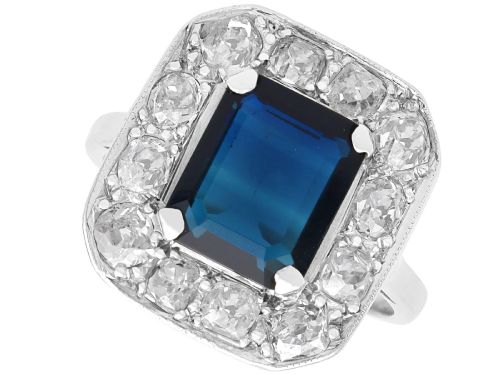
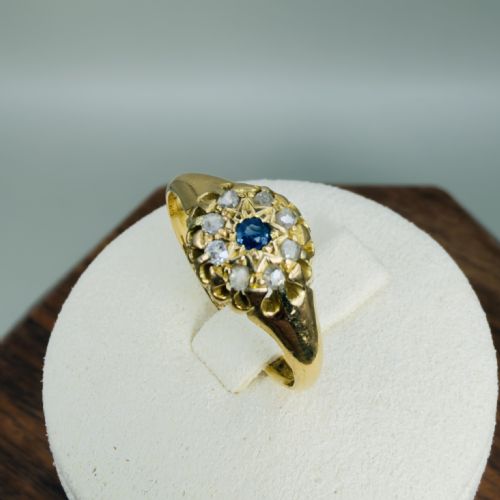
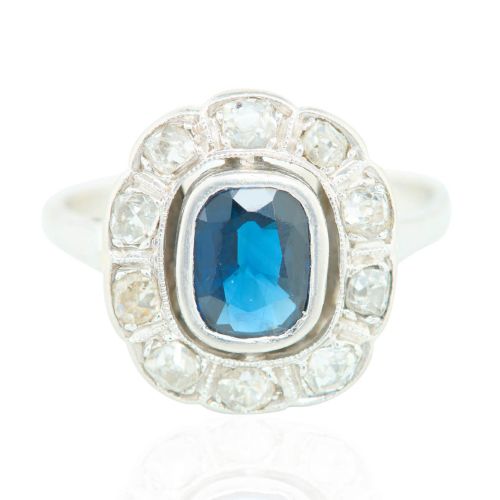
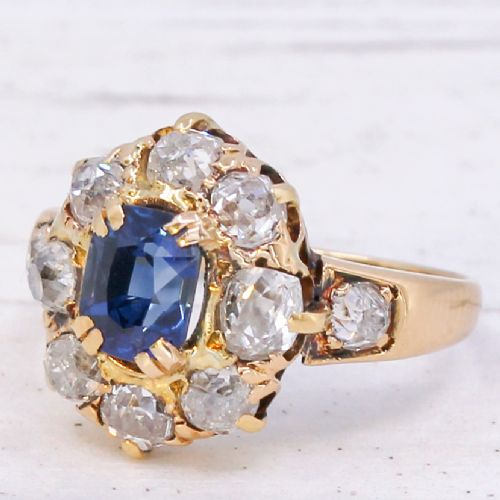
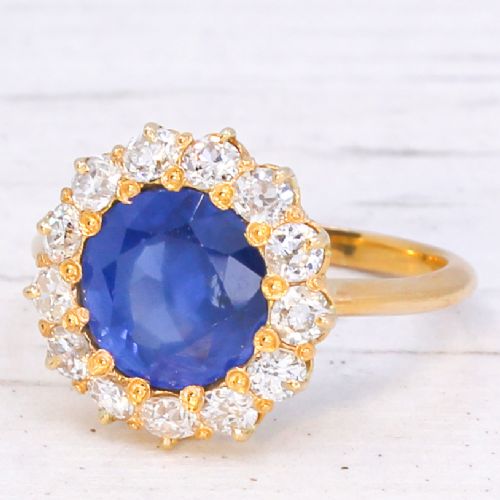
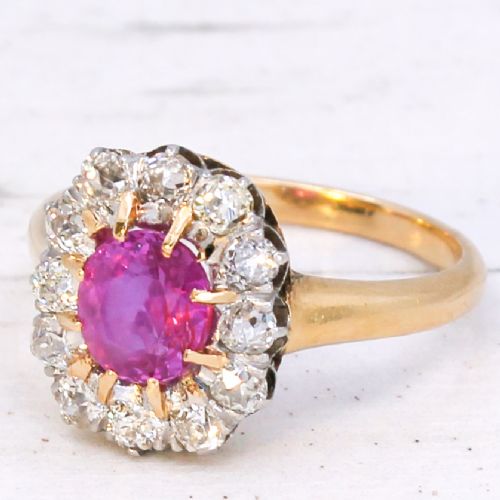
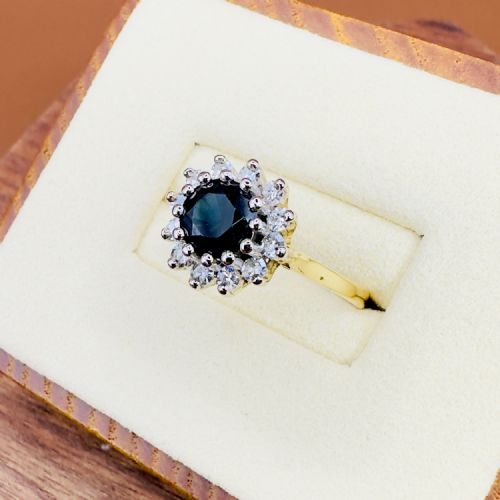
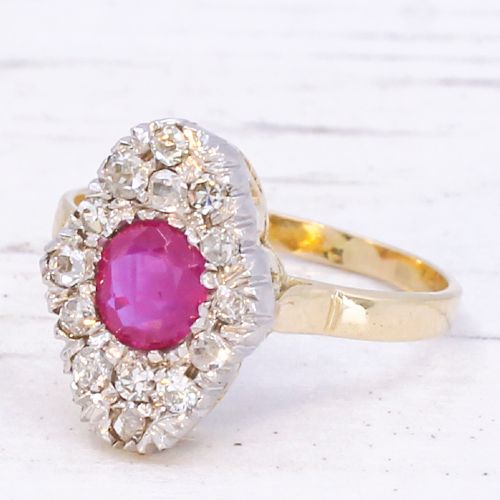
An old cut diamond halo centres a lively, hand-polished gem within a border of bright historic stones.
Old Cut Diamond Halo
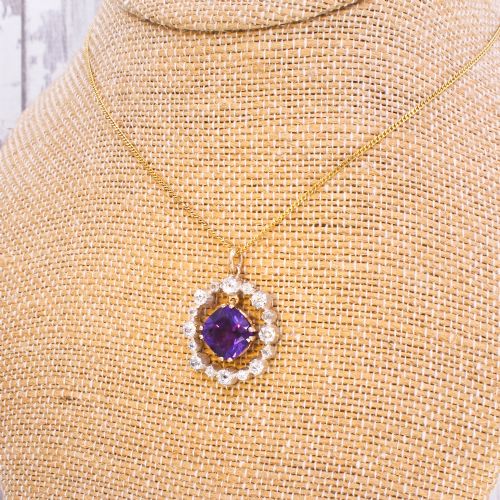
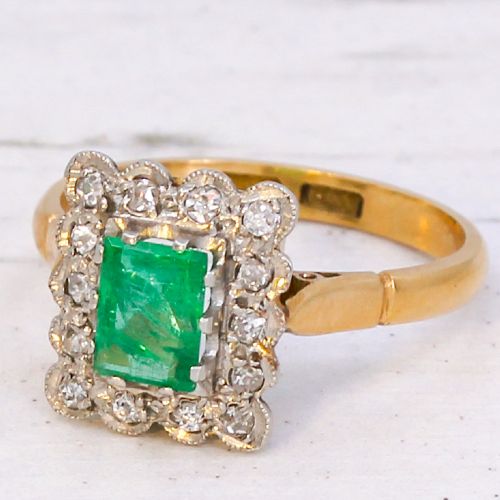
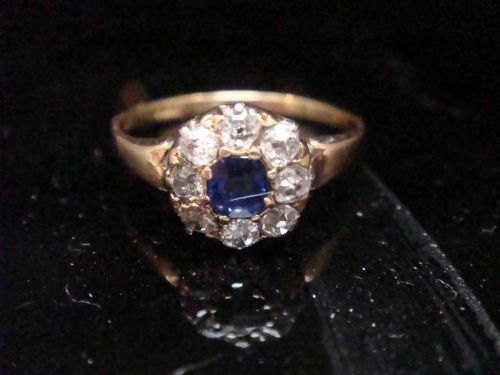
An old cut diamond halo groups a central gemstone surrounded by smaller glittering stones, creating a distinct floral or geometric outline. When searching for an old cut diamond halo, buyers encounter rings, pendants, and earrings dating from Victorian, Edwardian, and Art Deco periods.
The most common form on this page is the cluster ring, where a sapphire, ruby, emerald, or diamond sits at the heart of an old cut diamond fringe. These pieces originate from British, French, and continental workshops across the late nineteenth and early twentieth centuries.
How They Were Made
Goldsmiths shaped mountings in 18ct yellow gold, white gold, and platinum, often combining platinum tops with gold shanks during the Edwardian transition. Stones were hand-set into delicate claws or precise bezels designed to catch candlelight.
Central gems and border diamonds were shaped by hand, resulting in characteristic soft facet patterns and high crowns typical of old mine and old European cuts.
Listings span Victorian, Edwardian, and Art Deco periods, utilising platinum, yellow gold, and white gold alongside sapphires, rubies, and pearls.
What Varies in Quality
The harmony of proportion between the central stone and the surrounding halo dictates visual impact, with superior examples maintaining balanced spacing and delicate metalwork. The depth of colour in accompanying sapphires, rubies, or emeralds also determines the overall distinction of the piece.
The crispness of hand-cut facets in the diamond border and the structural integrity of the original setting influence longevity and brilliance.
The Old Cut Diamond Halo Glossary
- Old cut
- A diamond faceted by hand before modern machinery standardised proportions, usually featuring a smaller table and a higher crown. This historic cutting style produces a softer, candlelit sparkle.
- Halo
- A ring of smaller diamonds or gems encircling a larger central stone. The design maximises visual presence and light reflection.
- Cluster ring
- A ring design featuring a central gemstone surrounded by a cluster of smaller stones. This format gained immense popularity during the Georgian and Victorian eras.
- Calibré cut
- Small gemstones precisely shaped and cut to fit snugly into a specific mounting without visible gaps. Art Deco jewellers utilised this technique for geometric colour accents.
- Rose cut
- An antique diamond cut with a flat base and a domed crown of triangular facets resembling an unopened rosebud. It offers a subtle, translucent shimmer rather than fiery brilliance.
Old Cut Diamond Halo: Frequently Asked Questions
What is an old cut diamond halo?
An old cut diamond halo is a historic cluster setting where a central gem is encircled by hand-faceted historic diamonds. These pieces date predominantly from the Victorian, Edwardian, and Art Deco eras.
The hand-cut stones possess unique optical properties that distinguish them from modern brilliant-cut diamonds, offering a warm and distinctive scintillation under various lighting conditions.
How do I care for antique halo jewellery?
Antique jewellery requires gentle handling due to delicate historic settings and softer precious metals. Clean pieces using mild soapy water and a soft brush, avoiding harsh ultrasonic cleaners that can dislodge stones.
Store items individually in padded boxes to prevent metal-on-metal scratching between the central stone and the surrounding diamond halo.
Are these rings suitable for daily wear?
Many historic cluster rings serve successfully as engagement or everyday rings when handled with mindful care. Platinum and 18ct gold mountings provide robust daily support, though delicate Edwardian claw settings benefit from occasional inspection by a specialist jeweller.
Removable items like pendants and earrings experience less physical stress and endure daily wear with ease.
How can I tell Edwardian from Art Deco pieces?
Edwardian pieces typically showcase delicate platinum-topped gold work, openwork millegrain details, and floral or garland motifs. Art Deco designs introduce bold geometric lines, symmetrical patterns, and striking contrasts using calibré-cut sapphires.
The transition reflects a shift from organic, lace-like lightness to structured architectural precision.