
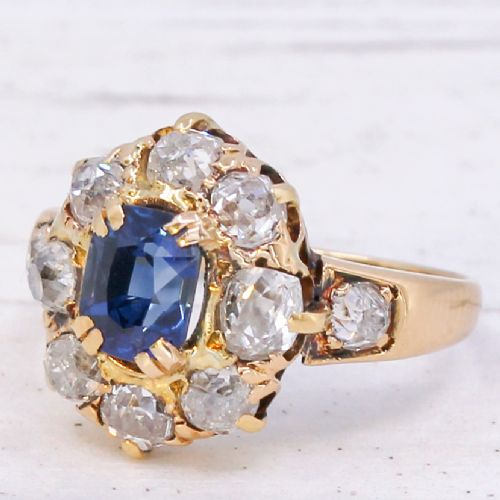
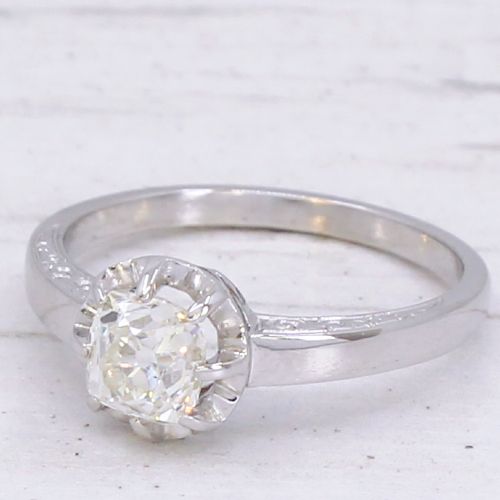
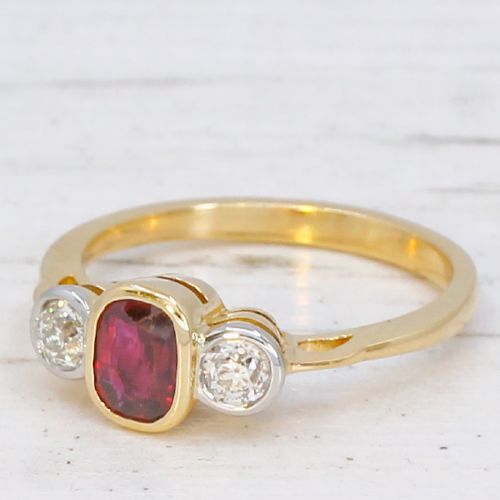


Old Cushion Diamond Ring
An old cushion diamond ring offers the soft facet patterns and rounded corners characteristic of hand-cut stones from past centuries.
Old Cushion Diamond Ring
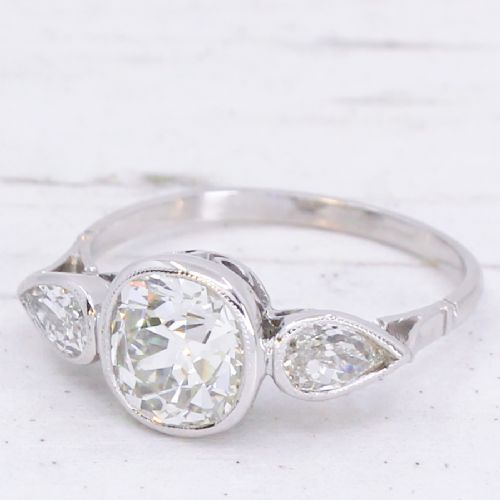
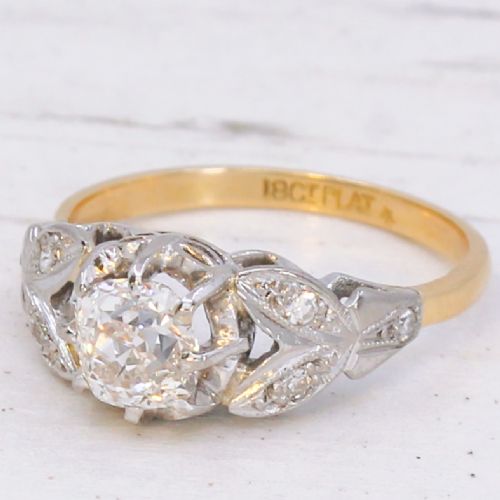
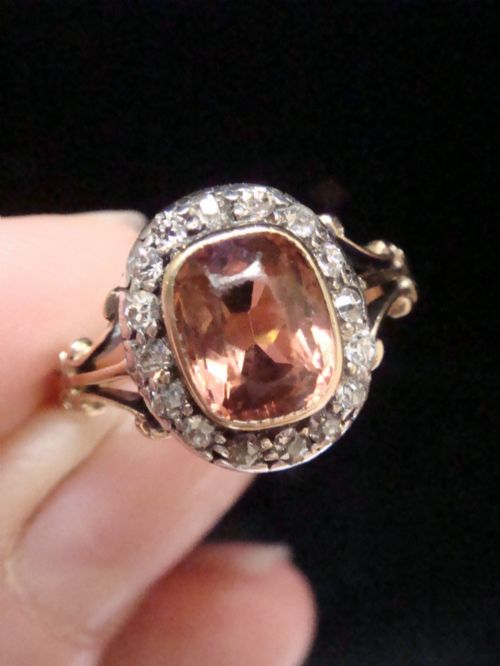
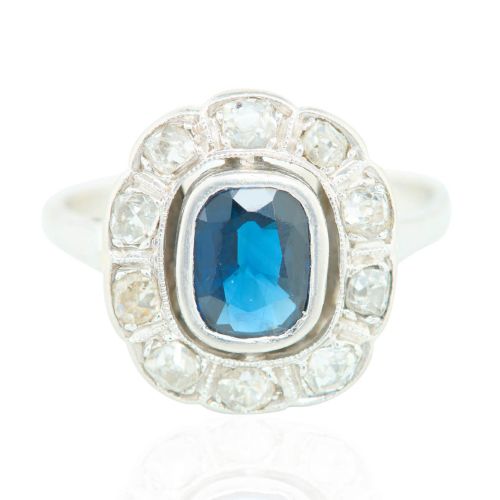
An old cushion diamond ring brings together hand-cut stones with softened square or rectangular outlines and settings forged across the Victorian, Edwardian, and Art Deco periods. Buyers searching for an old cushion diamond ring typically encounter solitaire designs, three-stone configurations, or cluster arrangements framed by smaller accent stones.
The surviving examples range from late nineteenth-century yellow gold mountings to platinum settings of the 1920s and 1930s. Engagement rings dominate the selection, often pairing the signature cushion diamond alongside sapphires, rubies, or secondary diamonds.
How they were made
Goldsmiths shaped these mountings using yellow gold, white gold, and platinum, frequently combining metals to highlight the stones. Platinum grew in prominence during the Edwardian and Art Deco eras, allowing for delicate wirework and secure prong settings.
The diamonds themselves were cut by hand rather than with modern machinery, resulting in larger facets, open culets, and distinctive scintillation patterns tailored to candlelight.
These diamonds were shaped to catch the flicker of oil lamps and gaslight, offering a warm glow modern cuts rarely attempt.
What varies in quality
The overall harmony between the hand-cut diamond and its mounting determines the distinction of each piece. Proportions that preserve maximum weight while maintaining lively light return separate superior stones from deeper, heavy-bottomed cuts.
The integrity of the original metalwork, including the crispness of millegrain edges and the preservation of original claw settings, dictates the enduring character of the ring.
The Old Cushion Diamond Ring Glossary
- Cushion cut
- A diamond shape featuring rounded corners and larger facets that create a softer, pillow-like appearance compared to modern brilliant cuts. This historic cut reflects light in broad, gentle flashes.
- Old mine cut
- An early form of cushion diamond characterised by a nearly square girdle, high crown, and a large open culet. These stones were shaped largely by hand before the advent of automated cutting machines.
- Millegrain
- A decorative technique involving a row of tiny metal beads along the edges of a setting. It provides a refined, textured border commonly seen on Edwardian and Art Deco jewellery.
- Culet
- The small facet at the bottom tip of a gemstone. Historic diamonds frequently feature a distinct flat culet visible through the table.
- Trilogy ring
- A ring set with three principal stones, often interpreted symbolically as representing the past, present, and future.
Old Cushion Diamond Ring: Frequently Asked Questions
How do I care for an old cushion diamond ring?
These historic pieces require gentle cleaning with warm soapy water and a soft brush to remove everyday oils. Avoid harsh ultrasonic cleaners that might compromise fragile settings or delicate claw work.
Regular inspection by a jeweller ensures that the prongs holding the hand-cut diamond remain secure and tight against the metal mount.
Are old cushion diamonds certified?
Many pieces come accompanied by independent gemological reports detailing the diamond's colour, clarity, and approximate carat weight. These certificates provide an objective assessment of the stone's historic characteristics.
Uncertified pieces rely on the established expertise of the dealer and the physical evidence of the mounting style and wear.
What is the difference between an old mine cut and a cushion cut?
An old mine cut specifically refers to nineteenth-century stones with steep crowns, smaller tables, and deep pavilions. They share the rounded rectangular silhouette of cushion cuts but possess a distinct internal geometry.
Standard cushion cuts span a broader timeline into the mid-century eras with varying facet arrangements.
Can these rings be resized?
Most gold and platinum mountings can be adjusted by a skilled bench jeweller experienced in antique jewellery. The complexity depends on the presence of side stones or intricate gallery work along the band.
Care must be taken to preserve hallmarks and delicate metal details during the resizing process.