





Oil Painting Set
An oil painting set brings together multiple canvases or panels sharing a single theme, period, or maker.
Oil Painting Set
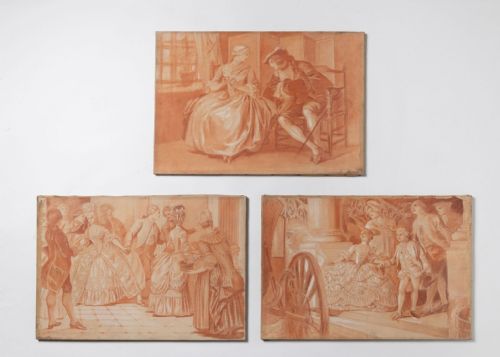
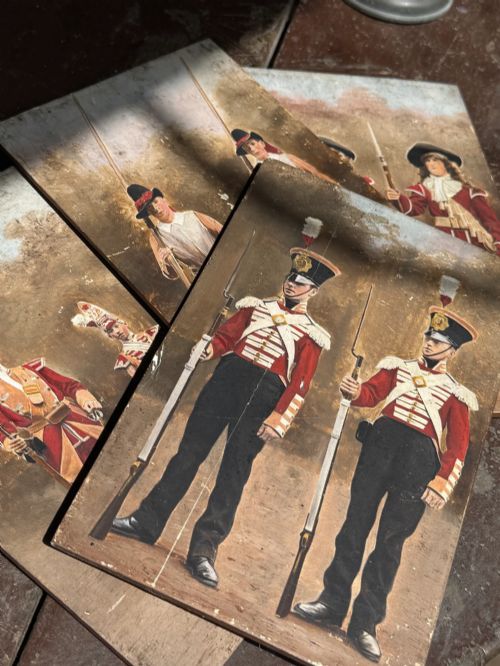
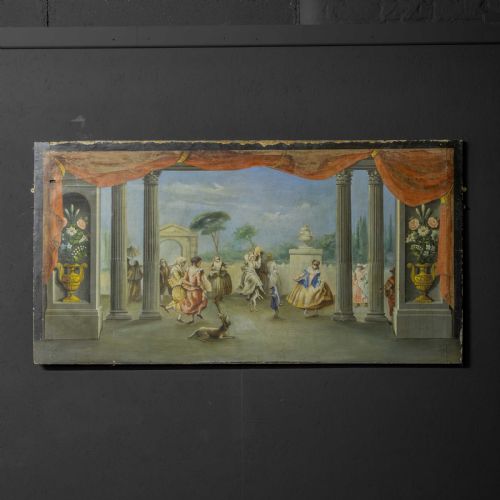
An oil painting set comprises multiple works linked by subject, format, or origin, appearing across periods from the eighteenth century to the mid twentieth century. These groups range from framed landscapes and portraits to specialised decorative objects featuring painted elements. Buyers searching for an oil painting set will find matched groups of panels, canvases, and framed works alongside related decorative items.
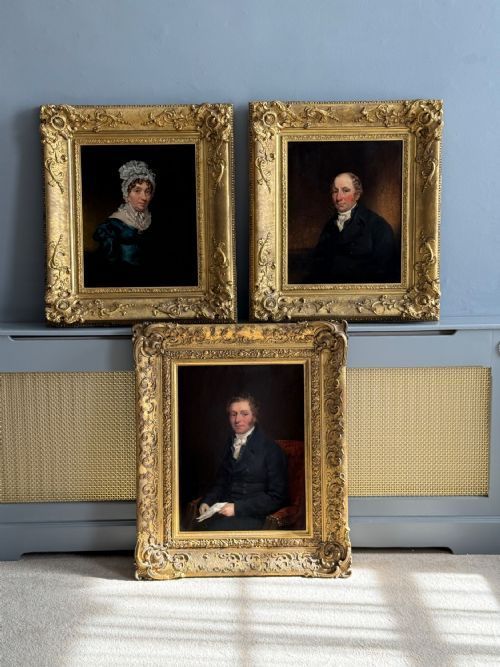
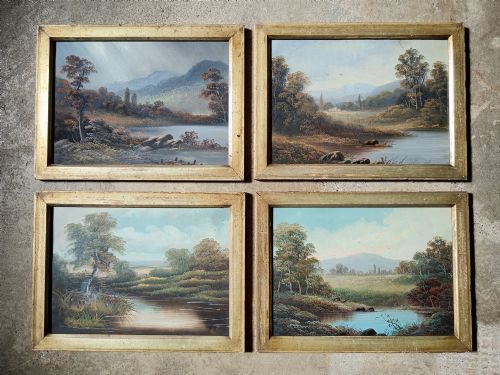
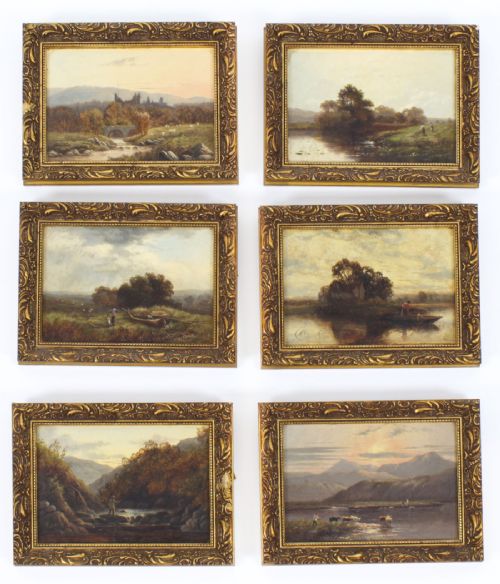
The configurations vary widely, encompassing sets of three or four individual canvases, series depicting seasonal themes, and combinations of portraits. Groupings often share unified frames or cohesive dimensions designed for coordinated display in domestic interiors. Surviving examples reflect traditional painting techniques executed on wood panels, board, or stretched canvas.
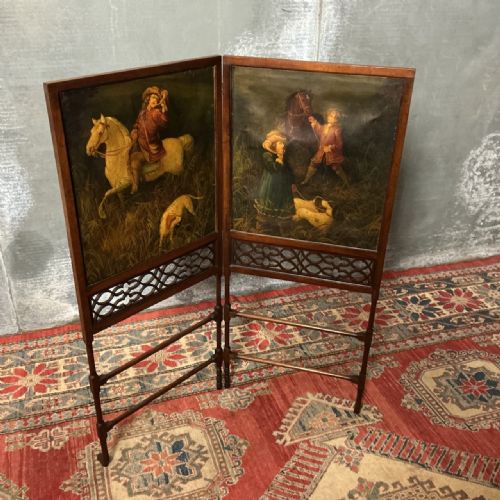
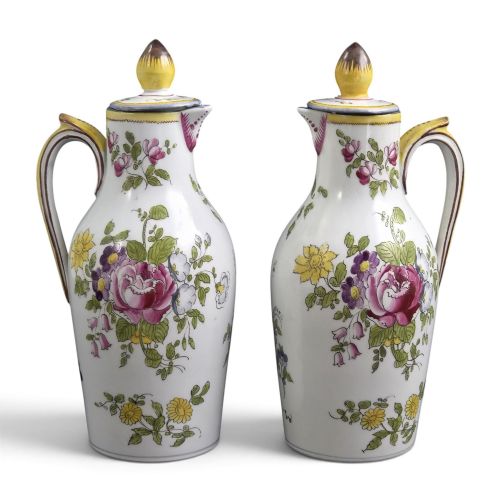
Origin and period dictate the character of each set, spanning Regency portraits, Edwardian screens, and Italian Renaissance style works. Some groupings present uniform series like river landscapes or four seasons, whilst others combine functional vessels with painted surfaces. Each configuration offers a distinct glimpse into historical decorative taste and artistic production.
Materials and construction
These works utilise oil paint applied to prepared surfaces including canvas, wood panel, and heavy opaque gouache supports. Frames incorporate carved giltwood, gesso, and polished mahogany to house and complement the painted scenes. Selected decorative items integrate painted faience ceramics alongside traditional wooden elements.
Execution involves traditional layering techniques using oil mediums upon stretched textiles or rigid timber panels. Frames feature hand-carved detailing, often gilded or finished to match the aesthetic conventions of specific periods such as French Rococo or Regency styles. Supporting structures for screens and sets utilise solid timbers like mahogany and engineered joins appropriate to their era.
Oil Painting Set Retail Price Guide 2026
Typical asking prices for oil painting set among the pieces listed under this phrase on Sellingantiques today, from the lower quarter to the upper quarter. They describe what is for sale here now, not the wider market.
Listings feature oil painting sets spanning the eighteenth, nineteenth, and early twentieth centuries, executed on canvas, wood panel, and board.
Distinguishing quality across sets
Quality rests upon the execution of the brushwork, the consistency across all panels within the group, and the preservation of the original surface. Superior examples demonstrate confident handling of pigment, balanced composition across every canvas, and harmonious integration within their frames. Lesser examples may exhibit uneven execution or mismatched components assembled at a later date.
The integrity of the supporting materials also defines the standard of a set, from the stability of wood panels to the originality of giltwood frames. Cohesion in scale, subject matter, and palette elevates a multi-piece work, ensuring the set reads as a unified artistic statement rather than a disparate collection of individual items.
Joseph Clover RA·Guiseppe Mazzolini·R. Allan·Veuve Perrin Marseille
The Oil Painting Set Glossary
- Oil on canvas
- Pigment bound in a drying oil applied to a woven fabric support stretched over a wooden frame. This method allows for subtle blending and textured application.
- Panel painting
- A work executed on a rigid flat piece of wood rather than flexible canvas. These supports offer stability and smooth surfaces for detailed portraiture.
- Giltwood
- Timber that has been coated with a thin layer of gold leaf or gold paint. It frequently appears on traditional frames surrounding fine art.
- Faience
- Tin-glazed earthenware produced in Europe, particularly associated with decorative vessels and tableware. Painted motifs often adorn the glazed surface.
- Gesso
- A white paint mixture consisting of a binder mixed with chalk, gypsum, or pigment. It prepares wooden panels and frames before gilding or painting.
Oil Painting Set: Frequently Asked Questions
How should I hang a set?
Arranging multiple paintings requires consistent spacing to maintain the visual rhythm established by the artist or maker. Keeping the centre line of each piece at eye level ensures a balanced display along the wall.
Matching the frame styles or wood tones helps unify the grouping within a room. Consider the overall footprint of the set to ensure it complements the scale of the surrounding furniture.
Were these painted as single groups?
Many sets were conceived and executed together as a unified commission, such as series depicting seasons or matched portraits. Artists designed these groupings to be viewed collectively rather than as isolated works.
Some groupings share identical dimensions, framing, and provenance, confirming their intended association from creation. Others represent closely matched works assembled during a specific period.
How do I care for oil paintings?
Keeping works away from direct sunlight and dramatic temperature fluctuations protects both the canvas and the supporting timber frame. Gentle dusting with a soft, dry brush prevents particulate accumulation without disturbing the paint layer.
Avoiding moisture and harsh cleaning agents preserves the integrity of giltwood and exposed pigments. Professional consultation is advisable for any structural conservation needs.
What defines an Edwardian screen set?
Edwardian screen sets incorporate painted panels within a hinged wooden framework designed to partition spaces or manage drafts. These decorative furnishings combined practical household utility with fine art displays.
Mahogany frames typically house oil paintings or painted panels depicting landscapes or figurative scenes. Surviving examples demonstrate the period's preference for functional yet ornate interior furnishings.