
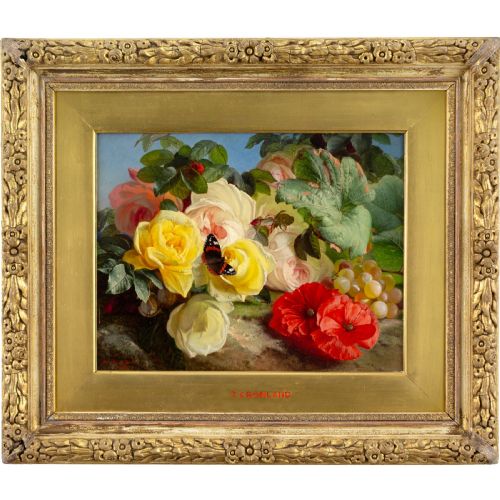
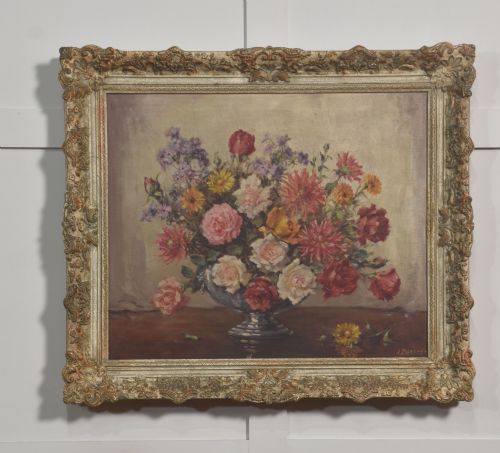
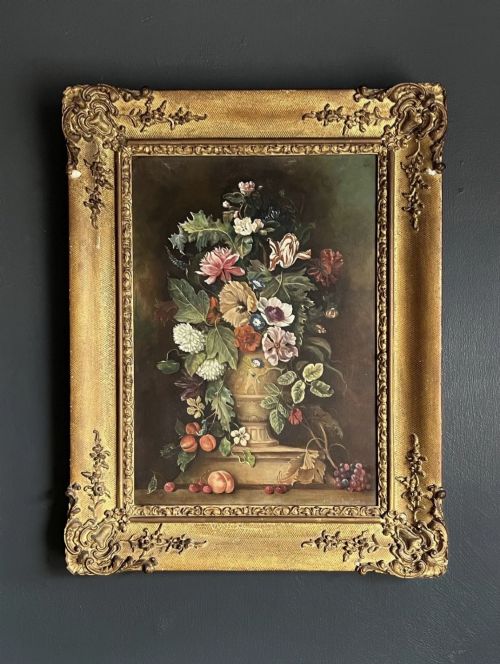
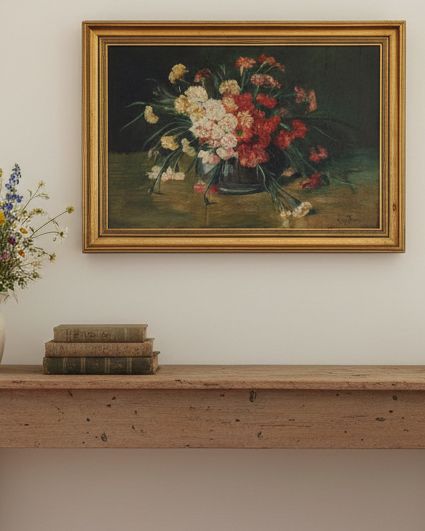
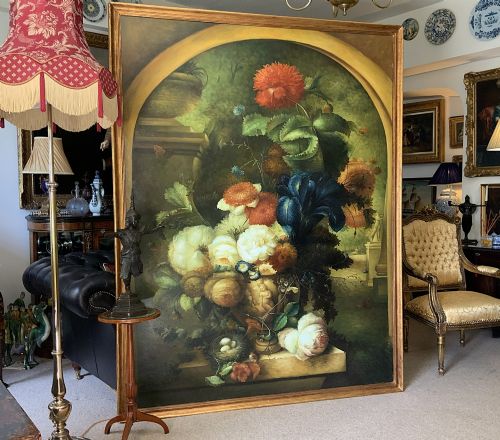
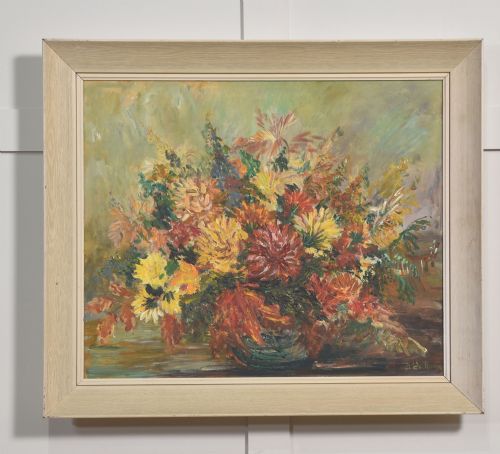
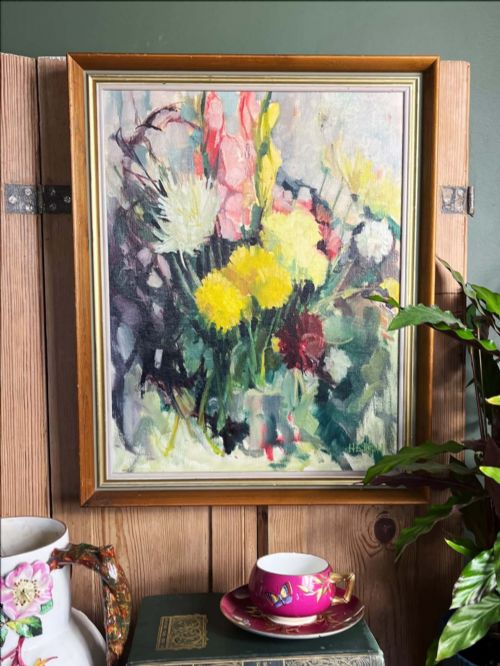
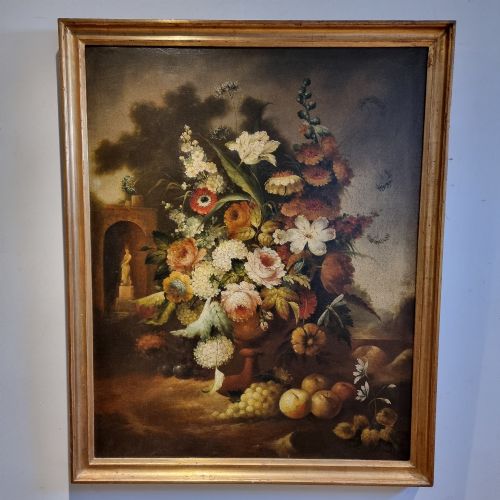

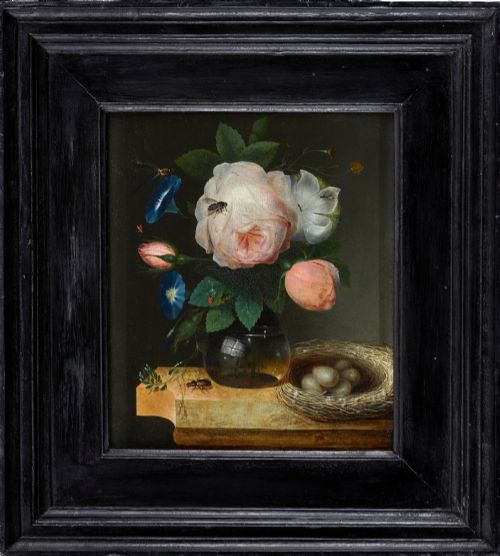
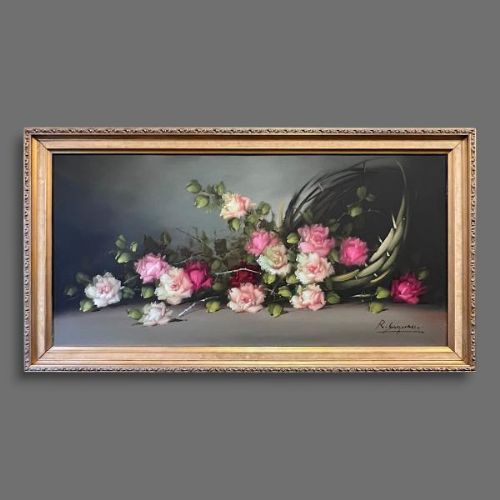
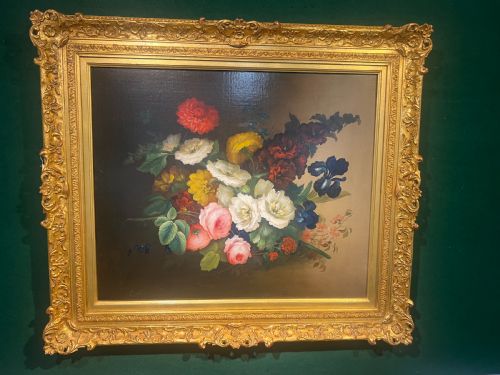
Oil on Canvas Flowers
When you explore oil on canvas flowers, you find centuries of painted botanical studies that bring lasting colour and quiet interior presence to any room.
Oil on Canvas Flowers
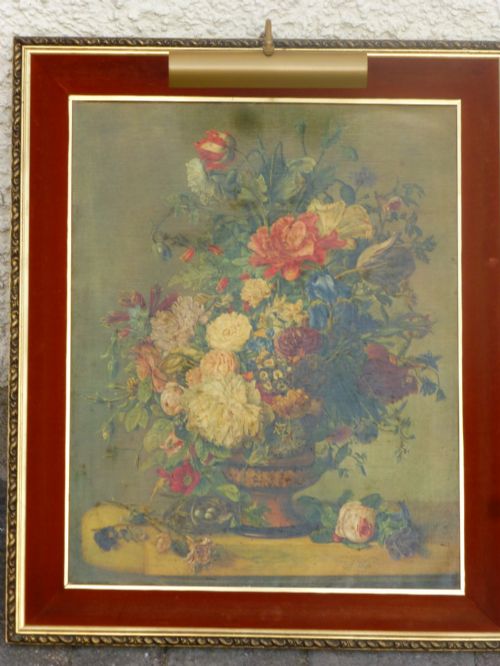
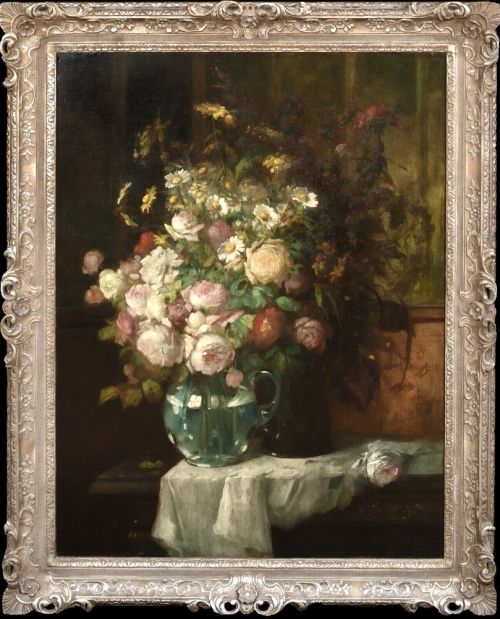
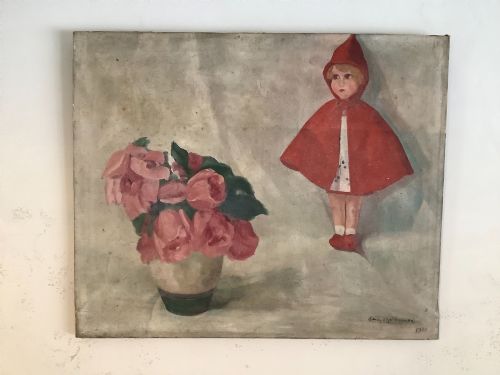
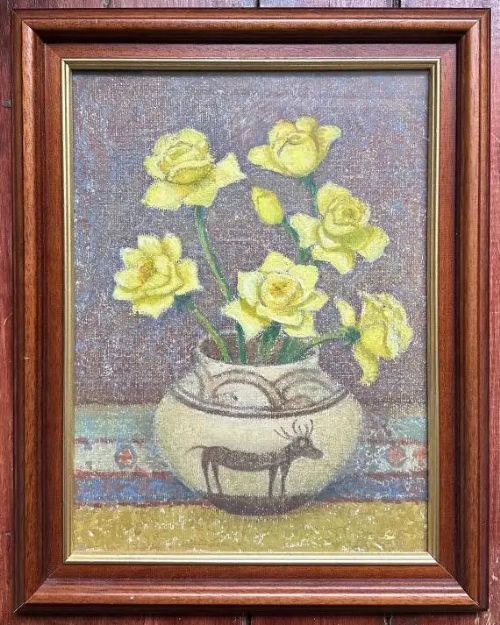
Collectors seeking oil on canvas flowers encounter a rich variety of still lifes, pastoral scenes, and figurative compositions dating from the seventeenth century through to the mid-twentieth century. The selection spans tight Dutch Golden Age style arrangements, bright nineteenth-century impressionist canvases, and expressive mid-century modern interpretations.
Most pieces on offer present formal bouquets in vases, casual garden gatherings in pots, or floral displays spilling from baskets and urns. Buyers also meet occasional portraits and interior views where blossoms play a central role, executed by both named European artists and skilled anonymous hands.
The physical scale ranges from intimate cabinet paintings suited to smaller wall spaces to monumental canvases designed for grand rooms. Whether adhering to traditional realism or exploring post-impressionist abstraction, these works capture ephemeral blooms in durable pigment.
How They Were Made
Artists painted primarily with oil on woven canvas or occasionally prepared wooden boards, building depth through successive layers of pigment and translucent glazes. This medium allowed painters to achieve rich textures, subtle tonal shifts, and luminous colour representation that endures across the centuries.
Finished works found their primary protection and aesthetic enhancement within wooden frames, frequently decorated with gesso mouldings and finished in gold leaf or gilt paint. These frames range from elaborate eighteenth-century style surrounds to simpler moulded profiles appropriate to later periods.
The collection includes Dutch Golden Age style arrangements, British impressionism, post-impressionist studies, and mid-century modern European floral works.
What Varies in Quality
The standard of a painted floral study rests on the confidence of the brushwork, the balance of the composition, and the handling of light across petals and foliage. Superior examples display acute observation of natural forms and confident spatial arrangement rather than mechanical reproduction.
Condition and originality play significant roles in evaluation, distinguishing untouched historical surfaces from heavy restoration. The harmony between the painting and its period frame also influences the overall integrity of the piece.
Theude Grönland·Emma Fordyce MacRae·Konstantin Stoitzner·Edwin Steele·Owen Bowen·Gertrude Hayes
The Oil on Canvas Flowers Glossary
- Still Life
- A painting featuring inanimate subject matter, typically commonplace objects or natural items such as cut flowers, fruit, and vessels. These compositions allow artists to focus entirely on colour, light, and arrangement.
- Gesso
- A plaster-like mixture applied to wooden frames or panels as a smooth base before gilding or painting. It provides a crisp surface for intricate decorative moulding.
- Impressionism
- A nineteenth-century painting style characterised by relatively small, thin yet visible brush strokes and an emphasis on accurate depiction of light. Artists working in this manner often captured outdoor scenes and loose floral displays.
- Post-Impressionism
- A movement extending impressionism while rejecting its limitations, using symbolic colours and heavier weight to depict subject matter. Painters in this tradition explored more personal interpretations of floral arrangements.
- Gilt
- Covered thinly with gold leaf or gold paint to give a lustrous metallic finish. This treatment was standard for framing significant oil paintings across many centuries.
Oil on Canvas Flowers: Frequently Asked Questions
How do I date an antique floral painting?
Dating relies on examining the canvas weave, stretcher construction, preparation layers, and the framing style alongside any visible signatures or dates. Stylistic cues such as brushwork technique and floral arrangement conventions also help place the work in its historical period.
Comparative analysis with documented works by the same school or artist further refines the timeline. Documentation on the reverse, including old labels or exhibition marks, often provides definitive clues.
Where should I hang a floral still life?
These versatile paintings suit dining rooms, drawing rooms, and hallways, where their natural subject matter complements domestic interiors. Placing them at eye level away from direct sunlight protects the oil pigments and canvas from environmental damage.
Pairing a canvas with appropriate room lighting enhances the texture of the brushwork and the vibrancy of the colours. Traditional gilt frames often look striking against darker wall colours, while simpler modern frames suit neutral spaces.
How do I care for an oil on canvas painting?
Maintenance involves keeping the canvas in a stable environment with moderate humidity and temperature to prevent cracking or warping of the wood stretcher. Dusting should be done gently with a soft, dry brush without applying pressure to the paint surface.
Professional cleaning and conservation should be left to specialists if dirt accumulates or the varnish yellows over time. Avoid using water or chemical cleaners directly on the painted surface or the gilt frame.
What is the difference between Dutch style and impressionist floral art?
Dutch style floral paintings typically feature meticulous realism, dark backgrounds, and botanical accuracy with numerous flower varieties arranged in elaborate urns. They emphasise fine detail and dramatic lighting effects derived from seventeenth-century traditions.
Impressionist works prioritize looser brushwork, vibrant light, and atmospheric colour over precise botanical recording. These later canvases capture the fleeting impression of a garden scene or a casual bunch of flowers in a domestic interior.