


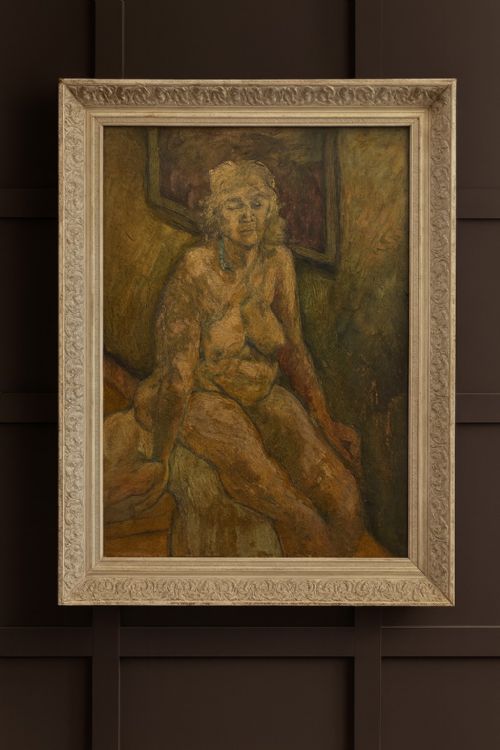


Oil Canvas Female Study
An oil canvas female study captures the human form through pigment and brushwork, offering buyers a direct connection to artistic observation across diverse twentieth-century movements.
Oil Canvas Female Study
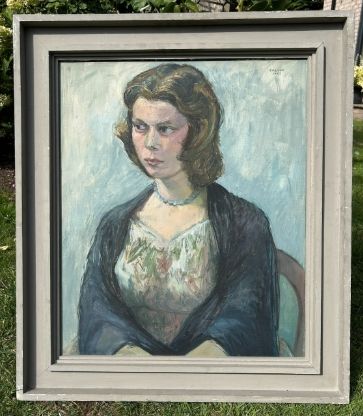
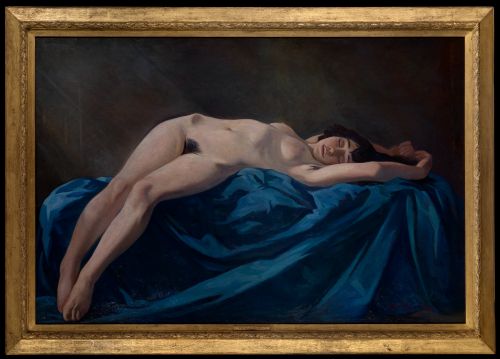
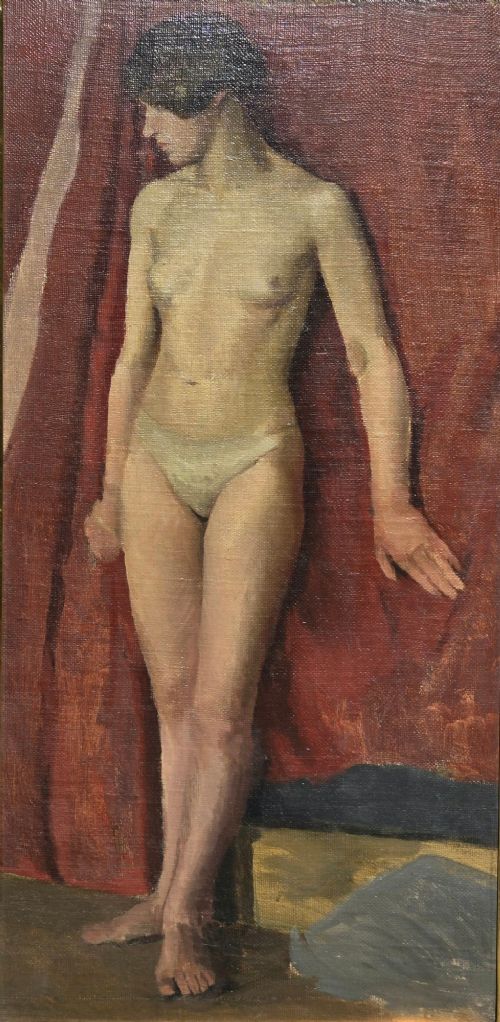
An oil canvas female study represents a fundamental pursuit in figurative art, ranging from academic portraits to expressive modernist nudes. When exploring an oil canvas female study, buyers encounter works spanning the nineteenth century through the mid-twentieth century, including Edwardian pieces and mid-century figurative compositions.
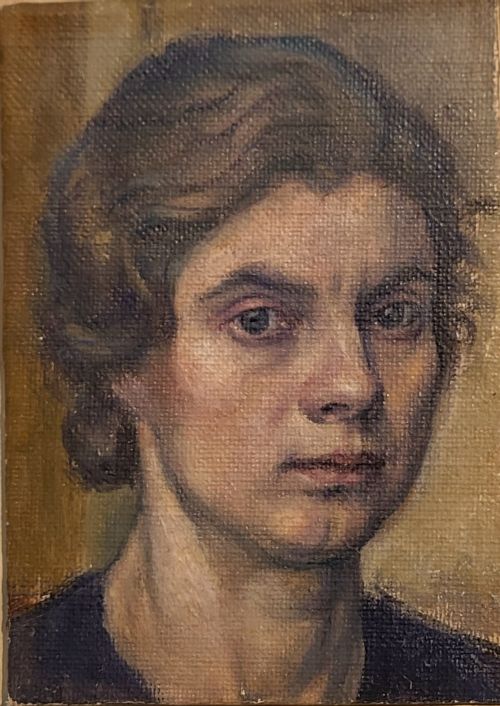
The selection encompasses diverse regional approaches, featuring British and French artists working in styles from impressionism to mid-century expressionism. Common formats include seated, standing, and reclining figures, alongside intimate self-portraits and character studies.
Works on this page bridge finished gallery pieces and preliminary life drawings, often capturing a sitter or model with immediate brushwork. Collectors find both signed original compositions by named artists and compelling examples from the British and French schools.
Materials and technique
Artists built these works using oil paint applied to stretched canvas, occasionally mounted onto board for stability. The medium allowed for rich layering, tonal blending, and varied impasto textures that define the surface of each painting.
Support materials typically include traditional woven canvas stretched over wooden frames, frequently housed in period surrounds such as giltwood frames. Technical execution ranges from academic chiaroscuro to looser post-impressionist application of paint.
Frame materials include traditional giltwood alongside unmounted canvas supports designed for contemporary display.
Distinctions in quality
Quality in these figurative works rests on the artist's command of anatomy, light, and proportion within the chosen medium. Superior examples demonstrate confident brush handling and psychological depth, whether capturing a seated portrait or a reclining nude.
The integration of ground and pigment, structural integrity of the canvas, and preservation of the original paint surface elevate certain pieces above standard academic exercises.
Kenneth Cozens·Eric Robertson·Winifred Rymer·Peter Jackson·Yetta Kane·Raymond Arthur Roadnight·Auguste Renoir·Lucy Kemp-Welch
The Oil Canvas Female Study Glossary
- Chiaroscuro
- The strong contrast between light and dark, used by artists to give three-dimensional volume to the human form. This technique defines dramatic shadows across the subject's body.
- Impasto
- The process of laying paint thickly on the canvas so that it stands out from the surface. It adds tactile weight and visible brush texture to figurative studies.
- Post-Impressionism
- An art movement extending beyond impressionist ideals, focusing on symbolic content and expressive use of paint. Artists working in this manner emphasised bolder forms and personal interpretation.
- Academic
- Pertaining to the traditional style of art taught in European academies, prioritising strict adherence to classical anatomy and polished technique. These works reflect rigorous training in life drawing.
- Mid-Century Modern
- Design and art movements spanning the middle decades of the twentieth century, characterised by simplified forms and expressive interpretations. Figurative works from this period often break from strict academic rules.
Oil Canvas Female Study: Frequently Asked Questions
What is an oil canvas female study?
An oil canvas female study is a painting executed in oil on canvas that focuses on a woman, girl, or female figure. These works range from quick compositional sketches to finished portraiture.
They serve as records of artistic observation, highlighting the shifting styles of figurative art across different decades and schools.
How do I date a female study?
Dating relies on stylistic markers, costume, framing, and recorded artist biographies. Mid-century works often display looser brushwork, whilst nineteenth-century pieces adhere to stricter academic traditions.
Signatures, inscriptions on the reverse, and stretcher construction provide further chronological clues.
Where should I hang these paintings?
These studies suit domestic spaces that benefit from intimate figurative art, such as studies, drawing rooms, or bedrooms. Their scale and subject matter invite close viewing rather than distant display.
Protect the canvas from direct sunlight and excessive humidity to preserve the oil paint and support.
What is the difference between a study and a portrait?
A study typically explores a specific artistic problem, such as light, posture, or anatomy, often using a model in a relaxed or uncommissioned pose. A portrait focuses primarily on recording the specific likeness and identity of a named sitter.
Many pieces bridge these categories, functioning as both personal likenesses and technical explorations.