



Oak Woven Chair
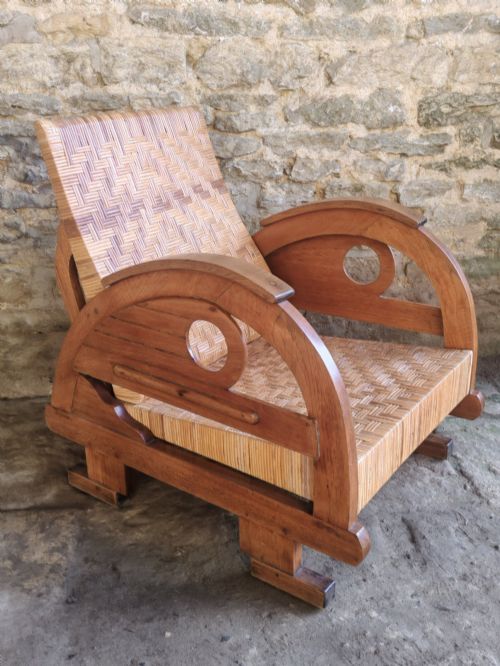
An oak woven chair brings rustic texture and honest craftsmanship into a room, spanning simple vernacular designs to refined Arts and Crafts seating.
Oak Woven Chair
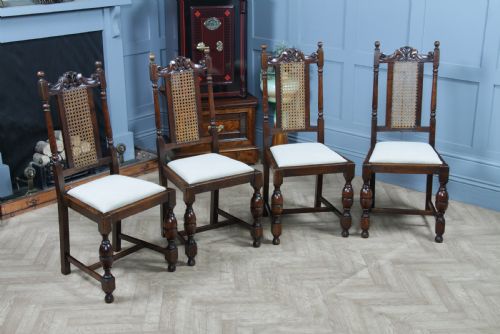
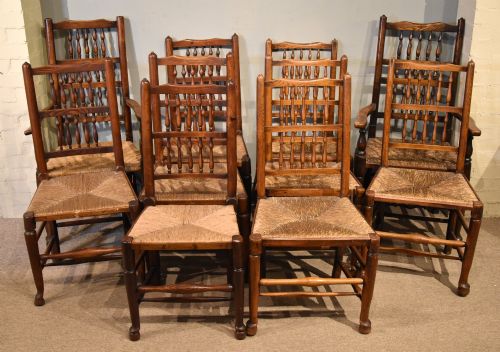
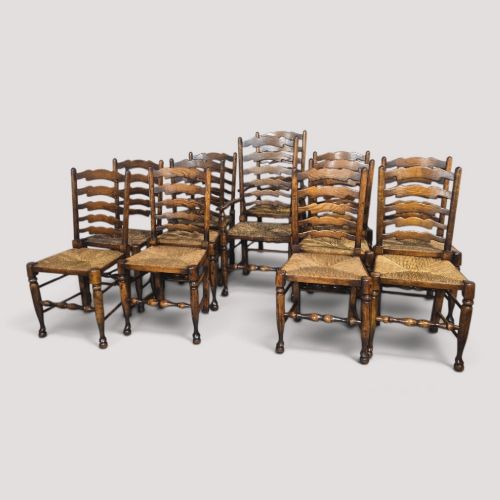
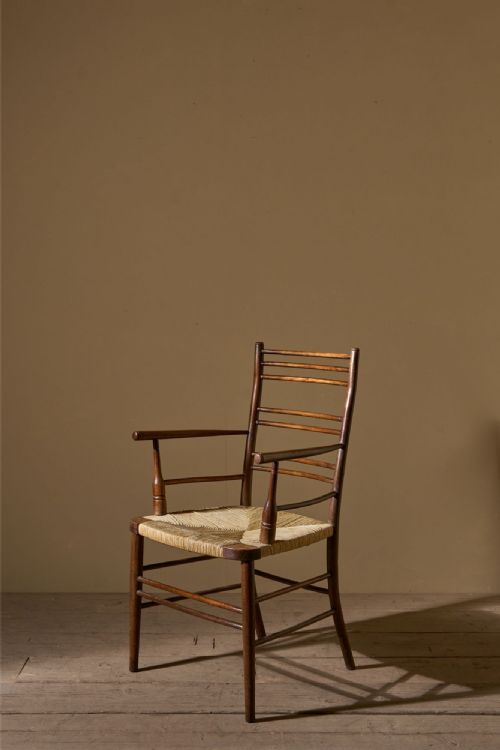
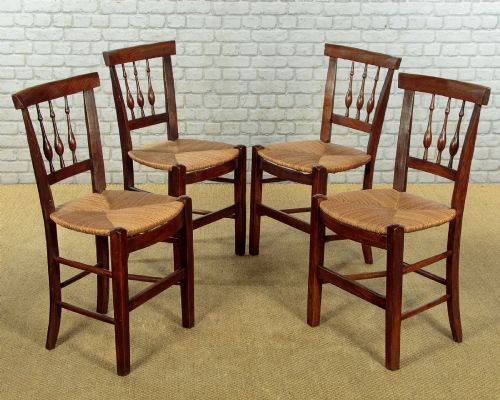
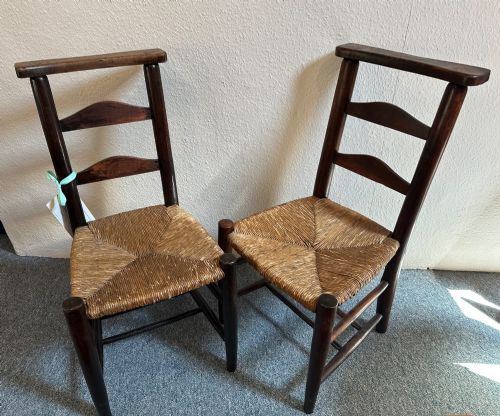
An oak woven chair combines a sturdy timber frame with a flexible seat or back panel formed from natural materials. When searching for an oak woven chair, buyers encounter everything from humble country ladder-backs to stylish Arts and Crafts library seats.
The selections span centuries of woodworking traditions, with nineteenth-century pieces sitting alongside early twentieth-century examples. Dining chairs, armchairs, rocking chairs, and benches appear frequently across the collection.
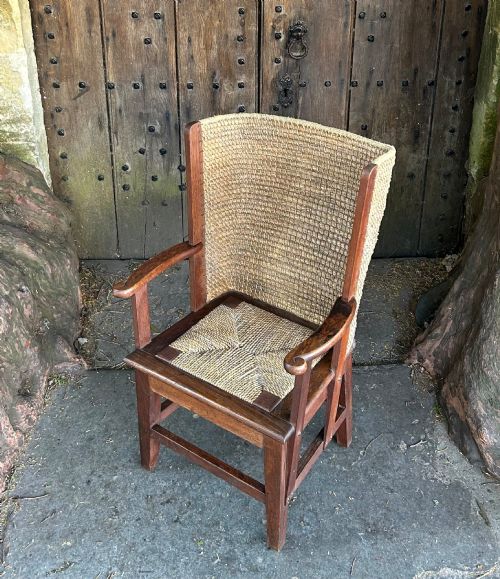
Regional British and continental influences shape these forms, including vernacular styles from the Dales, Orkney, and Scottish traditions. Makers working in the Arts and Crafts tradition adapted these traditional patterns for modern domestic interiors.
Materials and construction methods
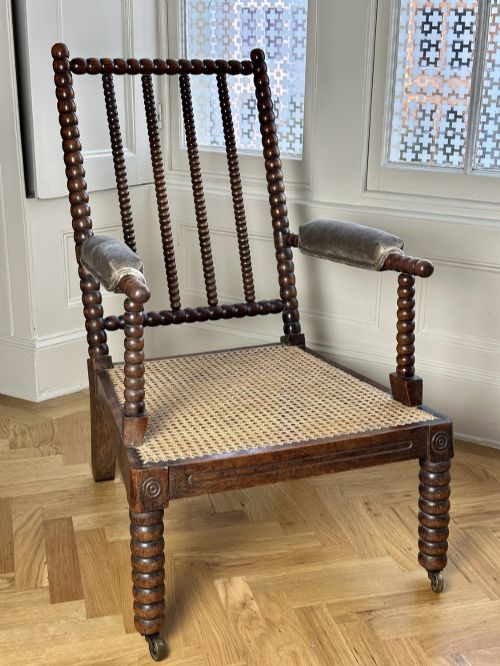
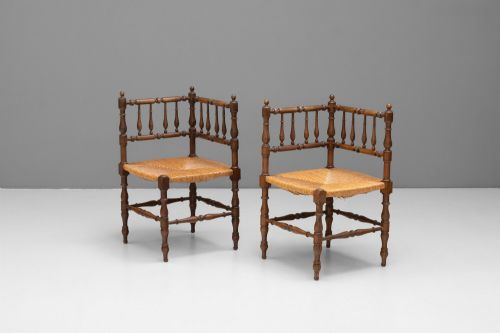
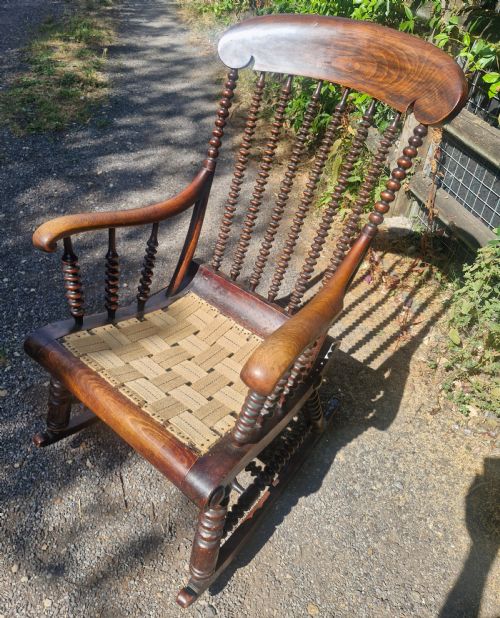
Makers utilised solid oak for the primary framework, often employing turned components, barley twist legs, or bobbin framing to add visual interest. The structural integrity relies on traditional joinery rather than metal fasteners.
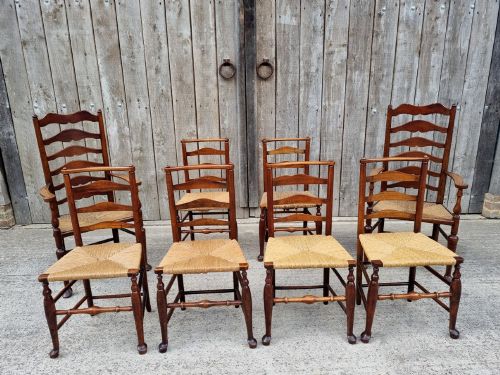
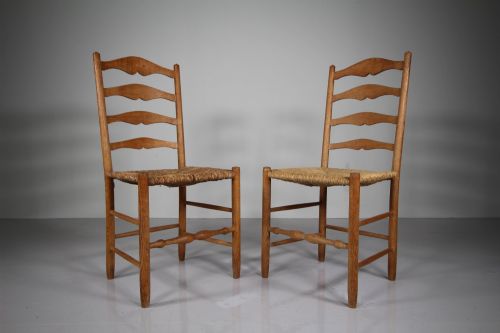
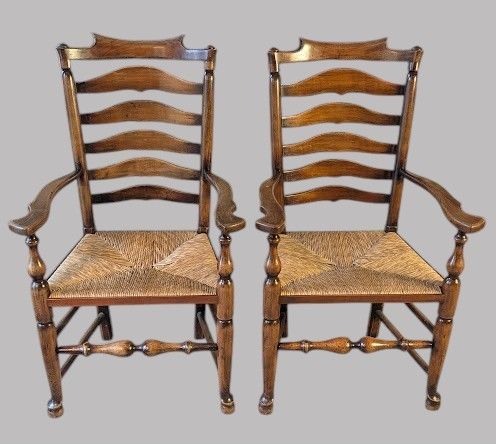
The distinctive woven elements utilise materials such as rush, cane, straw, leather, or sea-grass. Craftsmen wove these pliable organic strands tightly across the seat frames or chair backs to create a supportive, resilient surface.
Oak Woven Chair Retail Price Guide 2026
Typical asking prices for oak woven chair among the pieces listed under this phrase on Sellingantiques today, from the lower quarter to the upper quarter. They describe what is for sale here now, not the wider market.
Listings feature oak frames combined with rush, cane, leather, and fabric across nineteenth and twentieth-century periods.
Factors influencing quality
The integrity of the woven seat or back panel determines much of the quality, as tight, uniform weaving shows superior bench-work. Original woven surfaces that remain intact carry greater interest than later replacements.
Timber selection and frame construction also separate standard utility seating from finer examples. Heavy solid construction with well-turned stretchers and balanced proportions indicates superior workshop output.
Liberty & Co·Heal s of London·Edward Gardener·Dicon Nance
The Oak Woven Chair Glossary
- Rush
- A marsh plant traditionally used for weaving chair seats. It provides a durable, pliable surface when twisted into cords.
- Cane
- Strips derived from the outer bark of rattan palms. It is woven in intricate patterns to form light yet supportive chair panels.
- Ladder-back
- A chair style featuring horizontal slats across the backrest resembling the rungs of a ladder. This form frequently pairs with rush seating in country chairs.
- Bobbin framing
- A method of turning wood on a lathe to resemble a string of bobbins or spools. It creates a decorative, tactile frame popular in nineteenth-century seating.
- Bergere
- An upholstered-style armchair featuring woven cane panels on the back and sides. The wooden frame encloses the woven sections.
Oak Woven Chair: Frequently Asked Questions
How do I clean a rush seat?
Dry brushing removes loose dust and debris from the woven surface without damaging the natural plant fibres.
Excess moisture harms rush, so cleaning requires only a slightly damp cloth when tackling spots.
Are these chairs comfortable for daily use?
The woven seats yield slightly to body weight, offering a flexible and supportive surface for sitting.
Many styles incorporate supportive armrests or high ladder-backs designed for extended periods of relaxation.
Can damaged woven seats be repaired?
Traditional rush and cane seating can be re-woven by skilled artisans using matching natural materials.
Replacement seating retains the historic character of the oak frame while restoring full utility.