

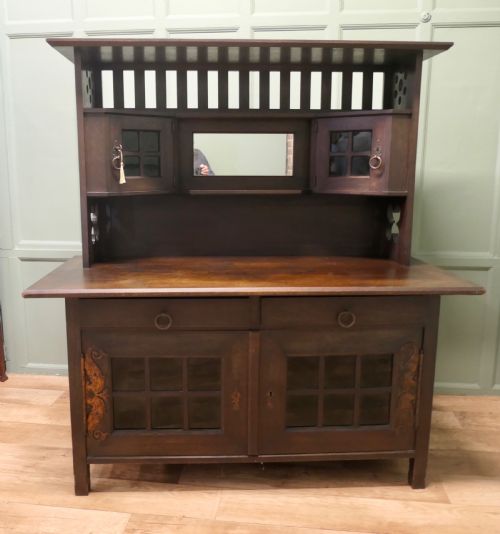
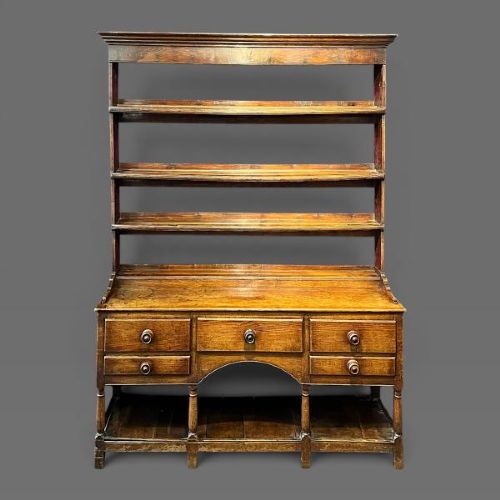
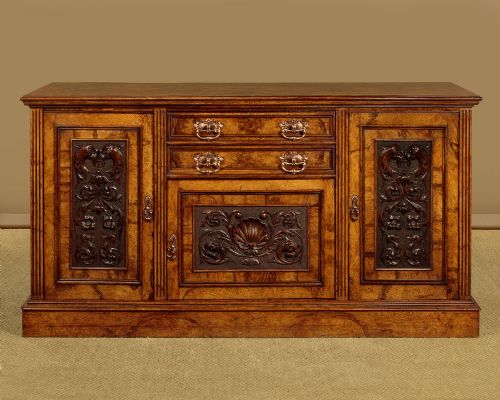
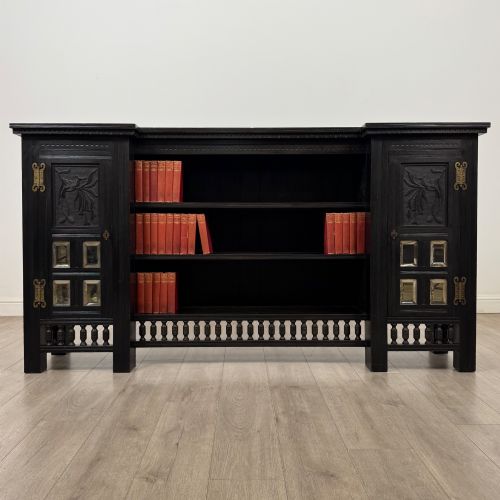
Oak Wood Sideboard
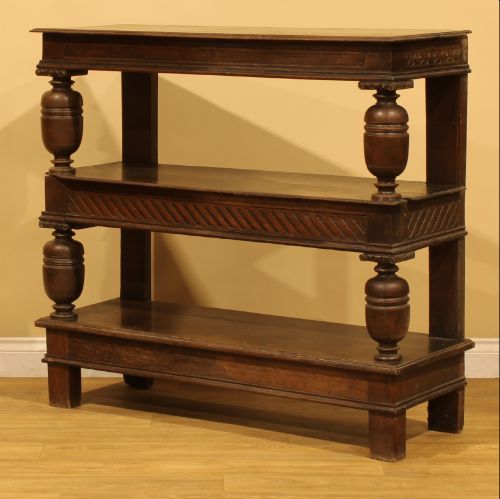
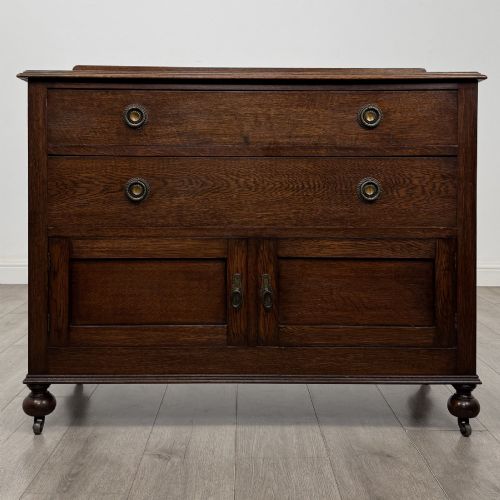
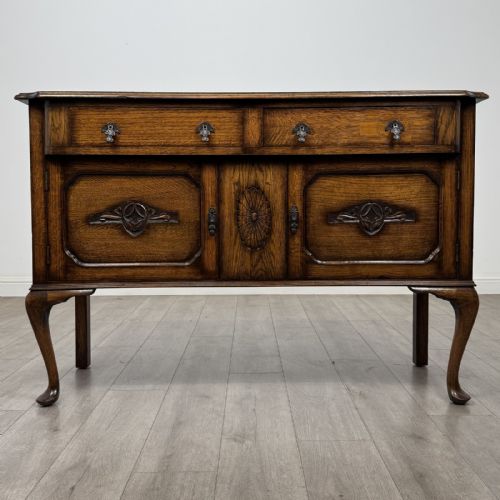
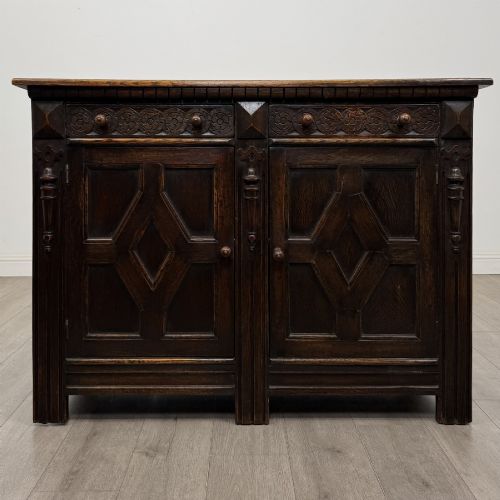
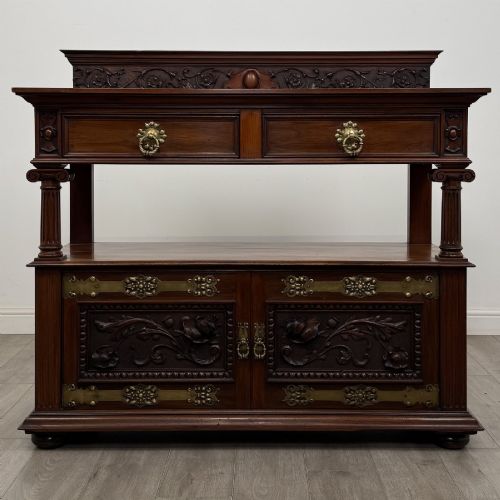
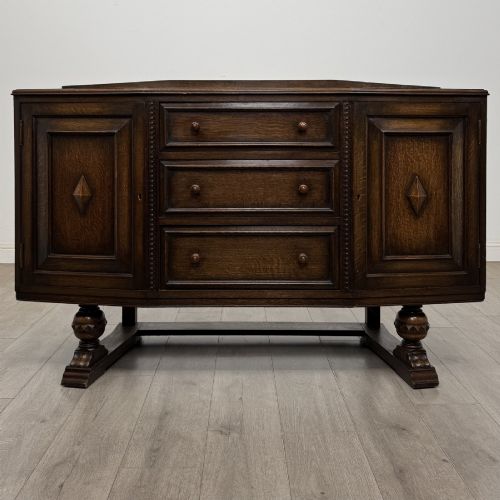
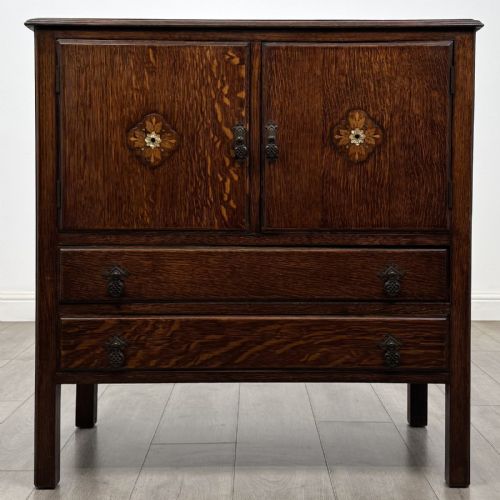
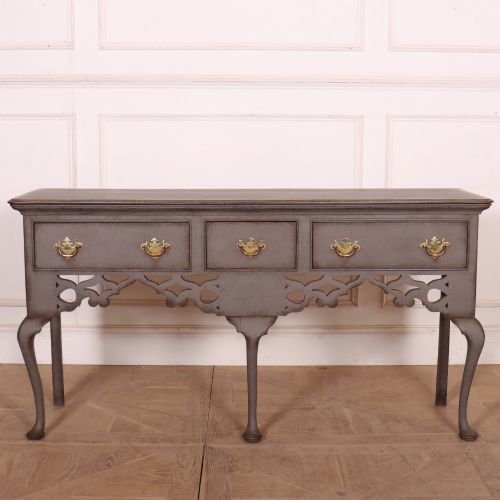
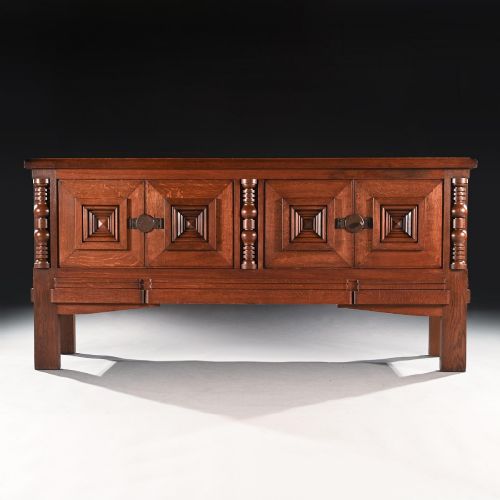
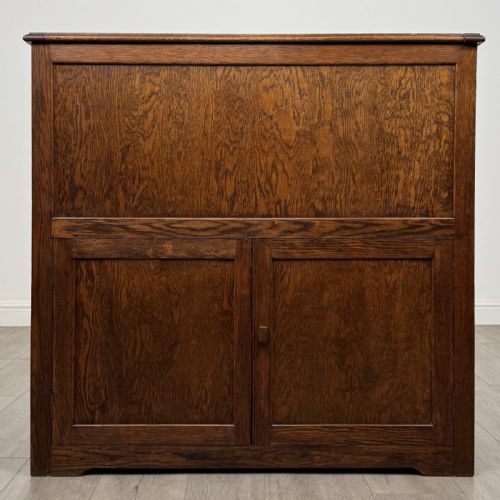
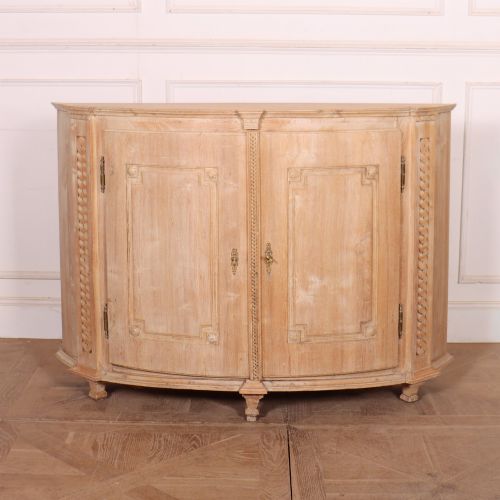
An oak wood sideboard provides sturdy storage, bringing substantial timber and carved detail into a dining space.
Oak Wood Sideboard
An oak wood sideboard serves as a practical storage piece for dining rooms and kitchens, taking forms such as dresser bases, cupboards, and buffets. You will frequently encounter examples spanning the seventeenth century through to the twentieth century, reflecting periods like the Victorian era, the Edwardian period, and the Georgian years.
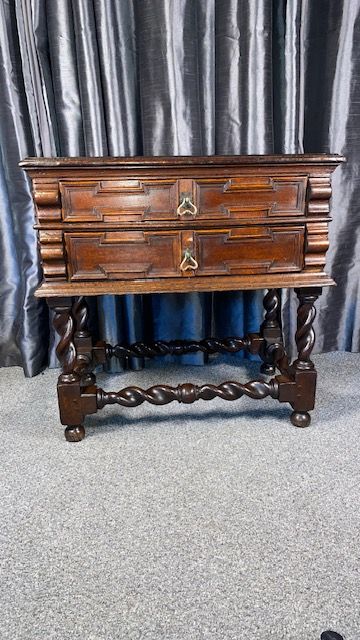
The styles range from robust Jacobean revival and Gothic revival pieces to cleaner Arts and Crafts designs and English country furniture. Pieces often feature carved decoration, turned or barley twist legs, and geometric panels.
Origins vary across English, Scottish, Welsh, French, Dutch, Swedish, and Japanese workshops, yielding diverse proportions from long dresser bases to compact side cabinets.
Differentiating quality in oak furniture
Quality rests in the depth and crispness of the hand carving, particularly on panels, green man motifs, and borders. Dense grain selection and heavy solid timber construction distinguish superior examples from simpler utilitarian pieces.
Integrity of the original structure, including stretcher bases and fitted internal pigeon holes, elevates a piece, whereas poorly executed later alterations diminish the overall standard.
Oak Wood Sideboard Retail Price Guide 2026
Typical asking prices for oak wood sideboard among the pieces listed under this phrase on Sellingantiques today, from the lower quarter to the upper quarter. They describe what is for sale here now, not the wider market.
Regional variations represented include English, Welsh, Scottish, French, Dutch, Swedish, and Japanese pieces.
Leonard Wyburd·Liberty & Co.·Charles Dudouyt
The Oak Wood Sideboard Glossary
- Dresser base
- A low wooden sideboard fitted with drawers and cupboards below a flat top surface, historically used for food preparation and serving.
- Potboard
- An open slatted lower shelf beneath a dresser base designed to hold pots and heavy tableware.
- Jacobean revival
- A nineteenth and twentieth century style mimicking seventeenth century heavy turned legs, geometric moulding, and deep panel carving.
- Green man
- A sculptural face motif carved from foliage and leaves, commonly found on nineteenth century carved woodwork.
- Barley twist
- A turned wooden leg style resembling a twisted rope, prevalent on Edwardian furniture.
Oak Wood Sideboard: Frequently Asked Questions
How do I date an oak sideboard?
Dating relies on observing construction joints, handle types, and stylistic details such as geometric panels or linenfold carving. Earlier seventeenth and eighteenth century pieces display hand tool marks and pegged joints.
Later Victorian and Edwardian examples often incorporate machine-cut elements, applied mouldings, and distinct revival characteristics tied to specific decades.
What is the difference between a sideboard and a dresser base?
A dresser base originates from earlier centuries as a utilitarian kitchen or hall table with drawers and sometimes a lower potboard. Sideboards emerged later for dining room service, frequently featuring more formal decorative carving and fitted cupboards.
Both terms often overlap in modern listings depending on the exact configuration of drawers and surface proportions.
Are these sideboards made of solid oak?
Many listings specify solid oak or pollard oak construction, utilising heavy timber for panels, frames, and drawer fronts. Some pieces incorporate secondary woods like pine for internal partitions or drawer linings.
Checking the grain pattern across panels and edges helps confirm whether the timber is solid throughout.
How should I care for antique oak wood?
Protect antique oak by keeping it away from direct heat sources and sudden humidity changes that cause timber to split. Apply a microcrystalline wax periodically to nourish the surface and maintain the natural lustre of the grain.
Avoid silicone-based polishes which build up a residue and dull the original patina over time.