


Oak Wood Sculpture
These oak wood sculpture pieces span centuries of timber carving, offering rich historical presence and intricate craftsmanship for your interior.
Oak Wood Sculpture
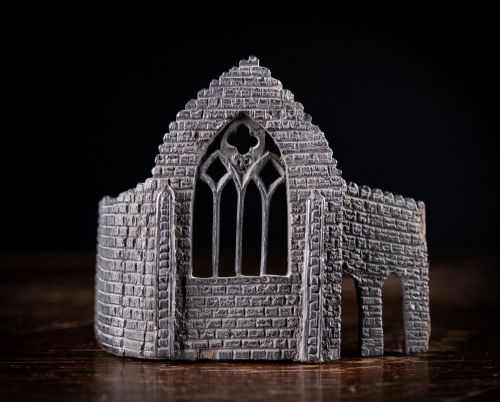
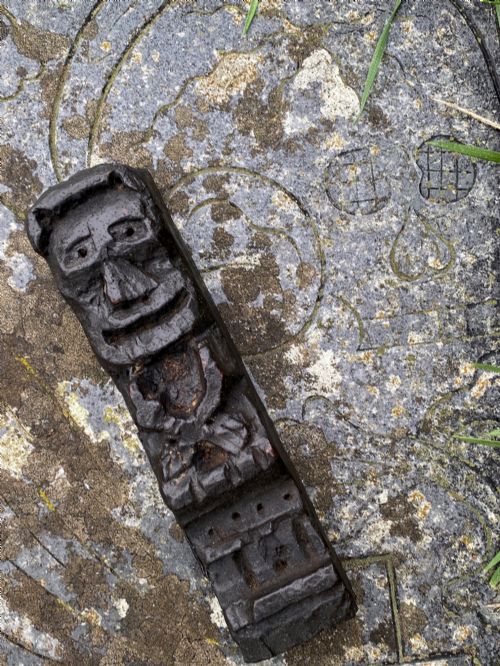
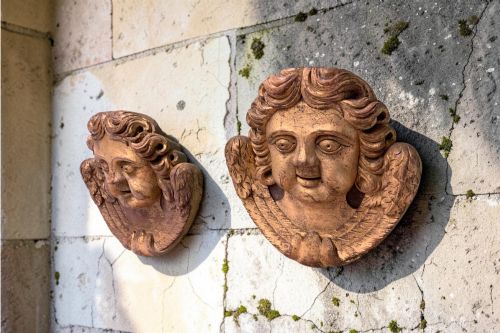
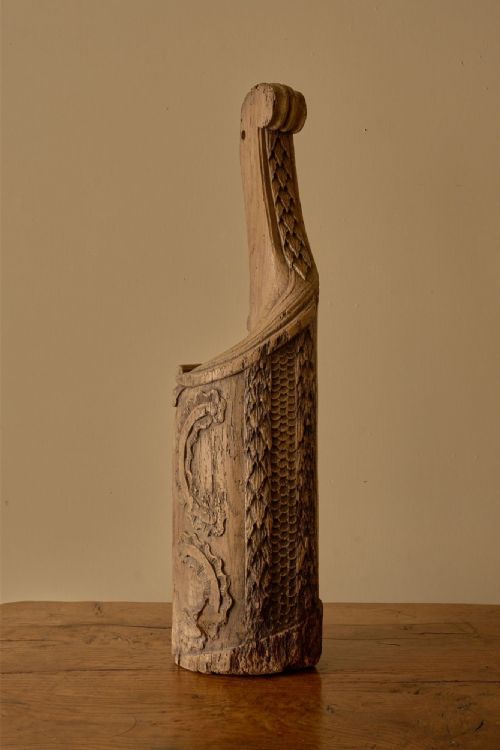
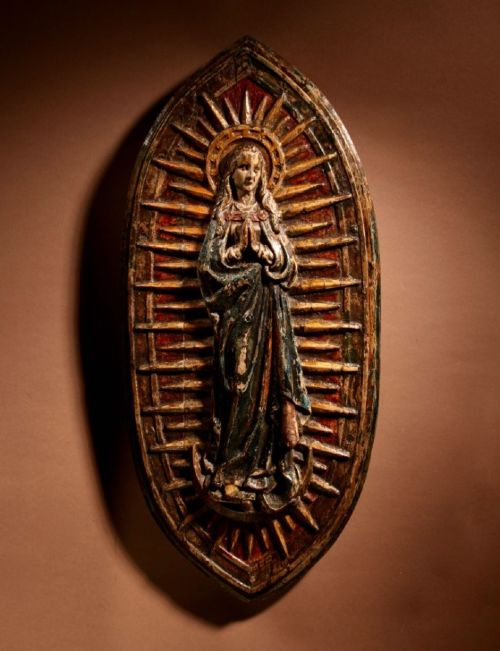
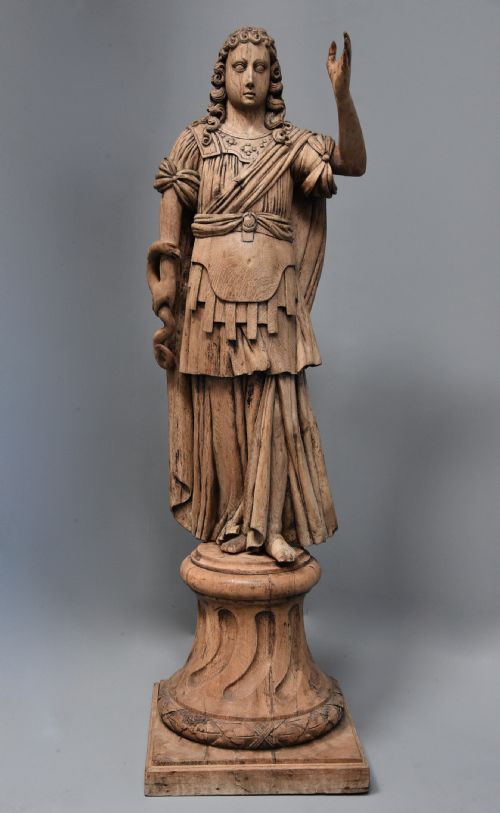
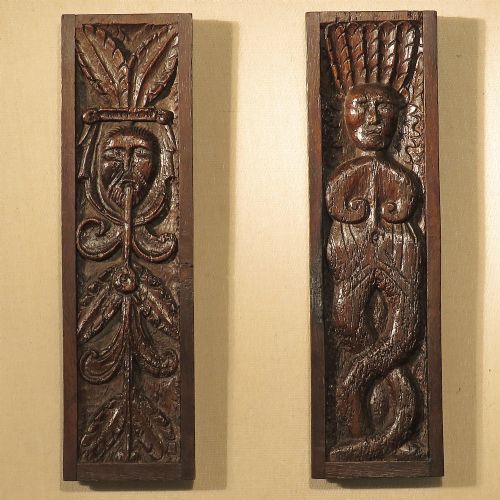
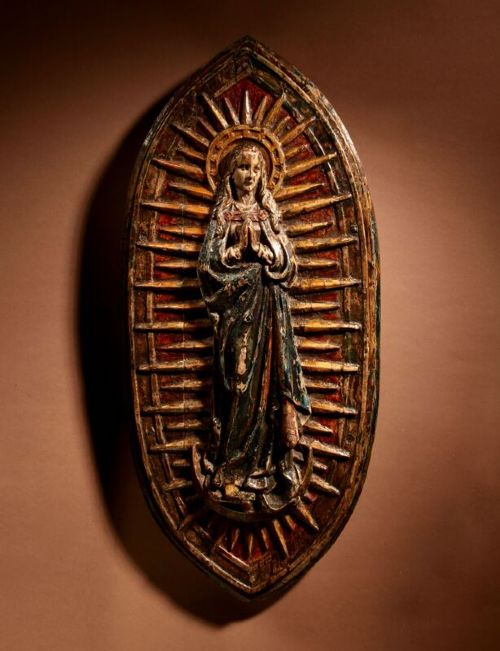
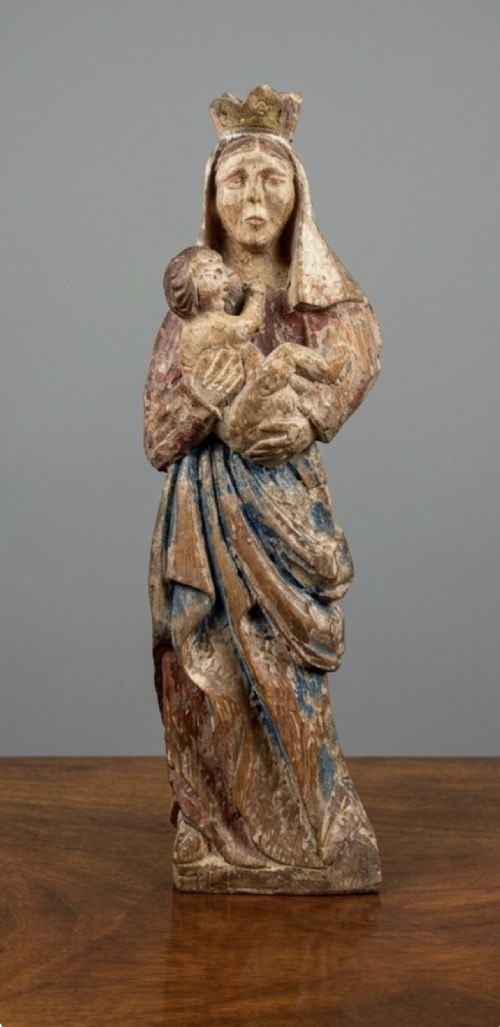
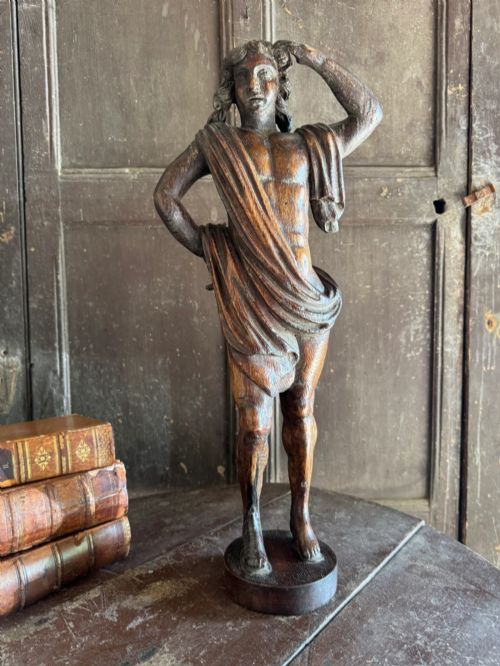
An oak wood sculpture brings centuries of historical carving into domestic spaces, ranging from medieval religious panels to rustic nineteenth-century animal figures and architectural fragments. You will frequently encounter eighteenth-century figures, seventeenth-century wall panels, and nineteenth-century Black Forest animal carvings.
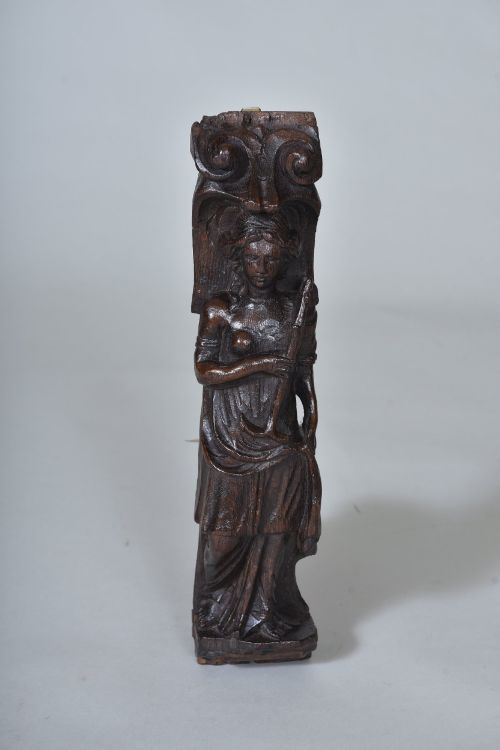
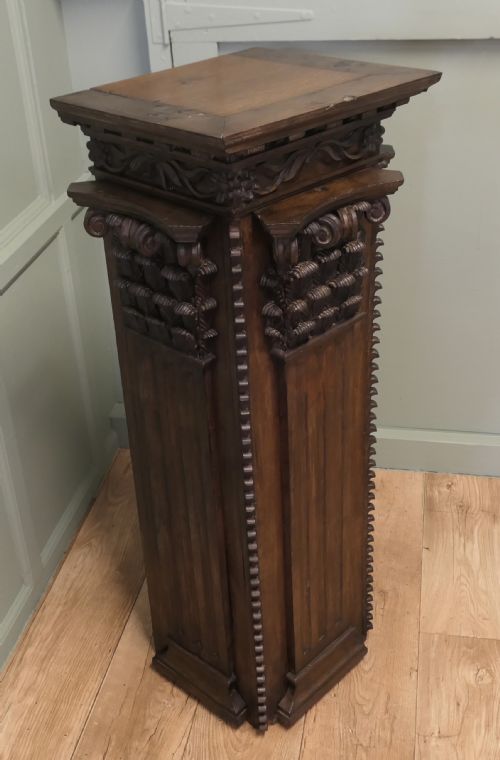
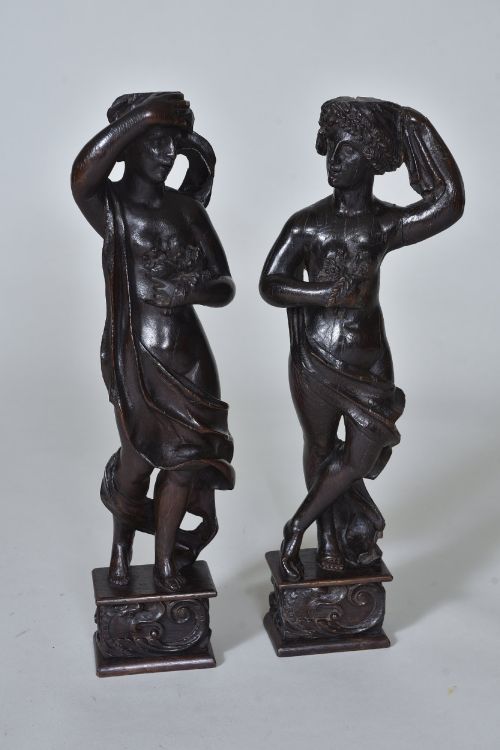
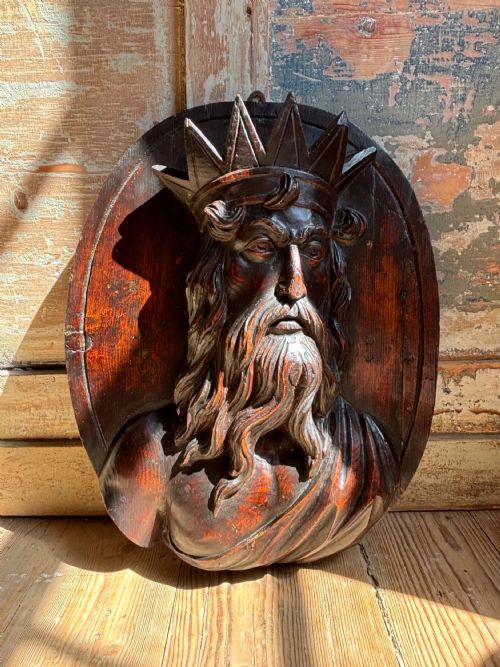
The selection encompasses diverse forms such as free-standing saints, architectural newel posts, relief plaques, and column display pedestals. Origins stretch across England, France, Germany, and Flanders, reflecting Gothic, Renaissance, Baroque, and folk art traditions.
How they were made
Carvers shaped seasoned timber using gouges, chisels, and mallets to exploit the dense grain and durability of oak. Many older surfaces retain traces of polychrome paint, gesso, or gold leaf applied directly to the carved wood.
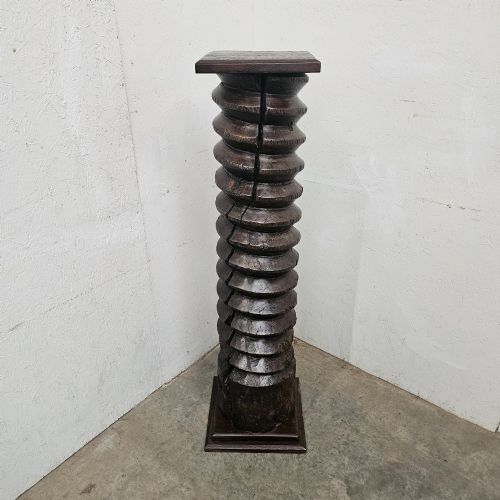
Artisans executed works ranging from naive farm worker studies to exhibition-quality hall stands, often incorporating structural elements like wine press screws or architectural salvage directly into the sculptural design.
Oak Wood Sculpture Retail Price Guide 2026
Typical asking prices for oak wood sculpture among the pieces listed under this phrase on Sellingantiques today, from the lower quarter to the upper quarter. They describe what is for sale here now, not the wider market.
Listings feature oak wood sculpture spanning from pre-sixteenth century medieval fragments up to the Art and Crafts period of the late nineteenth century.
What varies in quality
Depth of relief and anatomical proportion distinguish accomplished master carvers from naive provincial work, though both possess distinct charm. The clarity of chisel work and the preservation of original surface treatments such as gesso or polychrome significantly influence the character of each piece.
The integrity of the timber, whether salvaged from architectural fragments or carved from single seasoned logs, dictates the structural substance of the sculpture.
Edward Pearce·Franz Keller
The Oak Wood Sculpture Glossary
- Polychrome paint
- Decoration applied in several colours directly onto timber or gesso surfaces. This technique adds vibrant visual detail to religious statues and panels.
- Gesso
- A plaster-like mixture applied to wood as a base for paint or gold leaf. It provides a smooth foundation for intricate gilding.
- Newel post
- The principal post at the foot or landing of a staircase. These often feature decorative finials or carved figures.
- Architectural salvage
- Building elements rescued from demolition and repurposed as decorative objects. These fragments include panels, capitals, and overdoor carvings.
- Relief carving
- Sculpture where figures project from a flat background. This technique appears frequently on wall panels and altarpiece fragments.
Oak Wood Sculpture: Frequently Asked Questions
How do I date an oak carving?
Examine the tool marks left by the carver, the oxidation of the timber, and the style of dress or iconography depicted in the sculpture. Comparative study of period architectural fragments and panels also helps narrow the date.
Construction methods and joinery provide further clues to the age of the piece. Older timber often displays shrinkage and weathering consistent with centuries of exposure.
Where should I place these sculptures?
Display larger figures on dedicated pedestals or plinths, while wall panels and reliefs mount securely onto plaster or timber surfaces. Ensure placement avoids direct sunlight and dramatic temperature fluctuations.
Freestanding figures and animal statues suit sideboards, console tables, or architectural mantelpieces. Consider the surrounding light to accentuate the depth of the carved wood grain.
How do I clean carved oak?
Dust the surface gently with a soft, dry brush to remove particles settled within deep recesses of the carving. Avoid using liquid cleaners, polishes, or damp cloths, particularly on surfaces with gesso or polychrome paint.
Maintaining a stable indoor humidity prevents the timber from drying out or splitting. Gentle care preserves the original patina developed over centuries.