

Oak Wood Pedestal
An oak wood pedestal provides a sturdy, characterful column for displaying objects, drawing upon centuries of robust cabinet-making traditions.
Oak Wood Pedestal
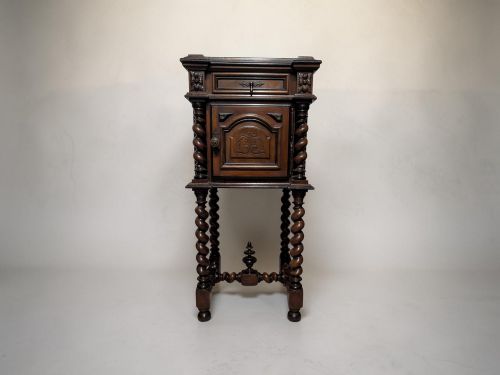
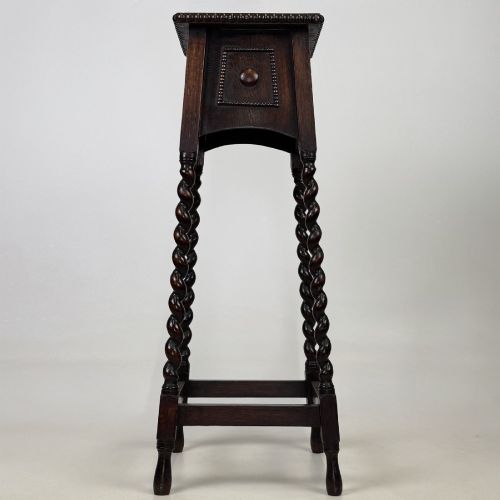
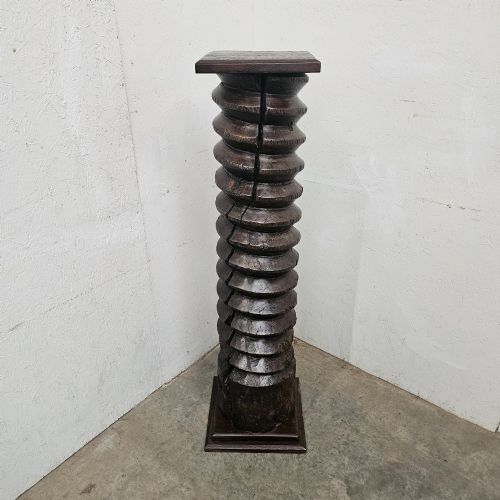
An oak wood pedestal serves primarily as a display support or structural base, taking forms such as column display pedestals and torchere stands within the available selection. These items emerge from periods spanning the eighteenth, nineteenth, and early twentieth centuries, reflecting enduring utility in domestic interiors.
Buyers encounter distinct regional and stylistic interpretations, including French carved designs alongside British Edwardian and Victorian examples. The functional scope extends from simple lamp stands to architectural columns, all sharing the distinct grain and density characteristic of oak.
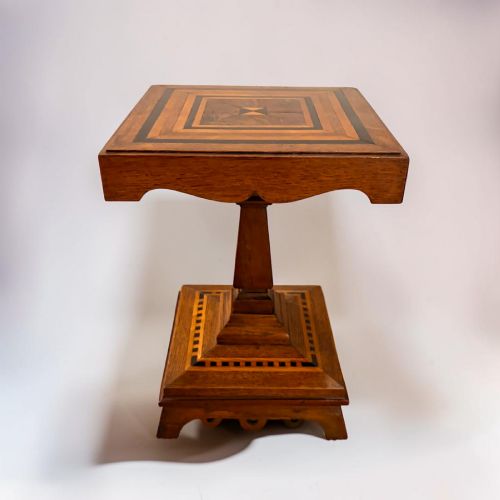
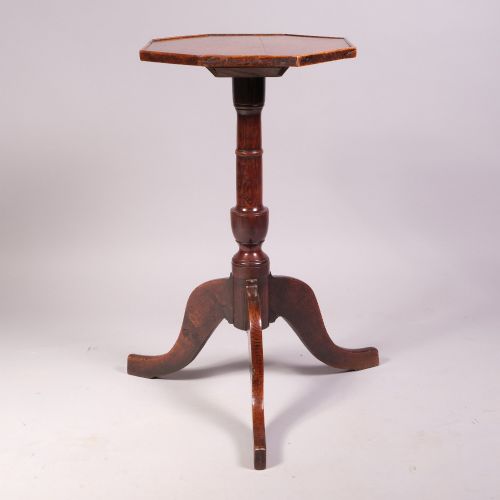
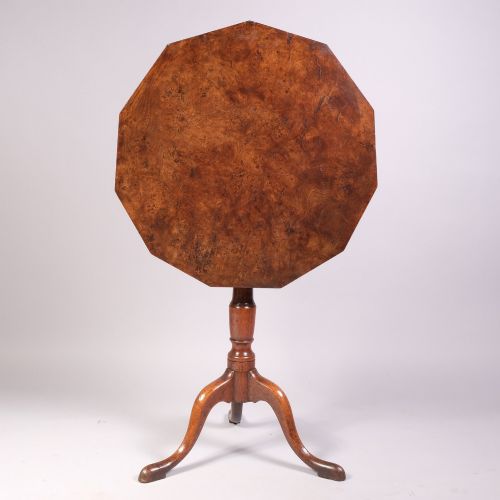
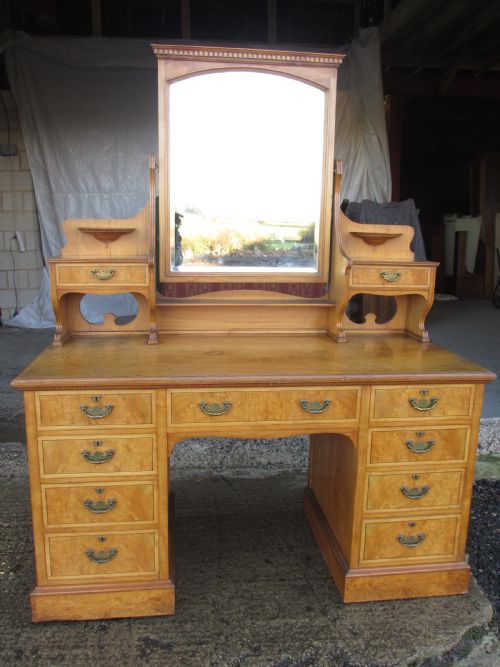
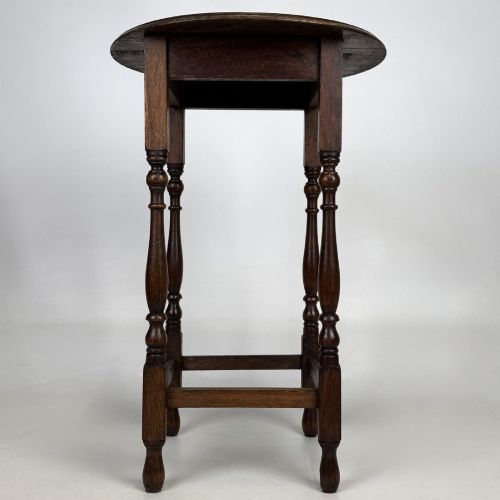
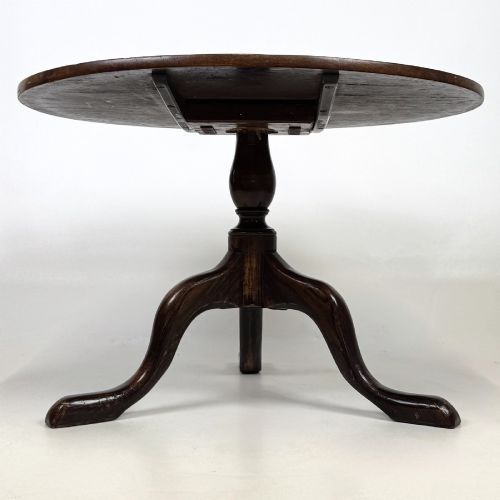
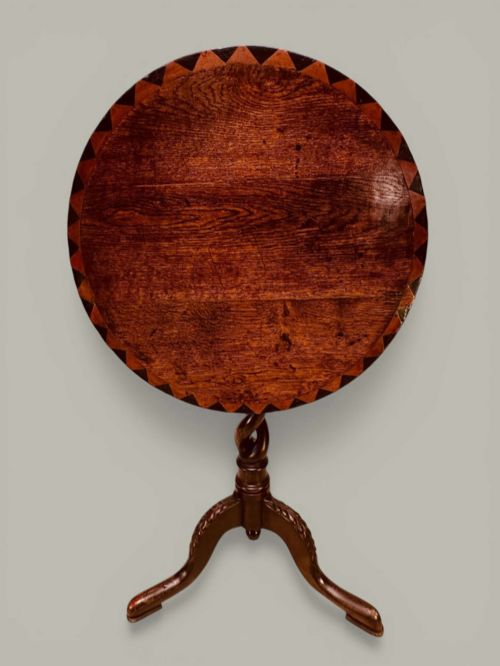
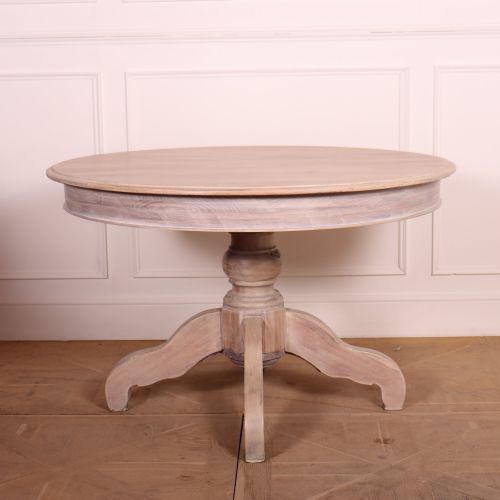
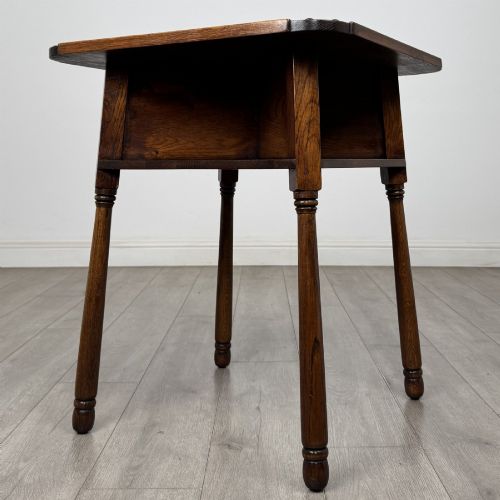
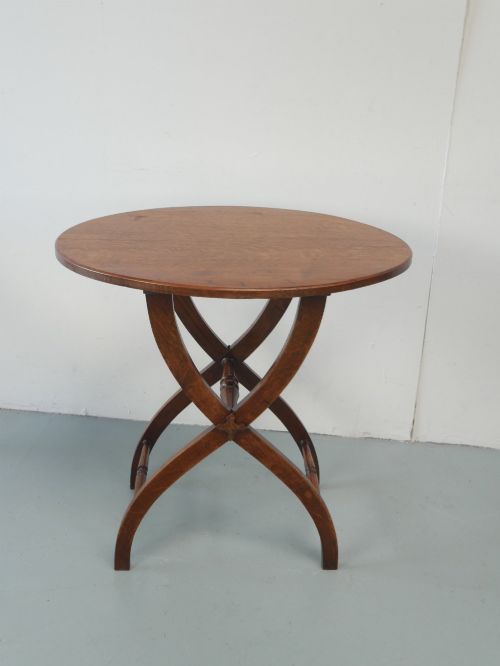
The material vocabulary also encompasses burr oak, bringing mottled figuring to smaller surfaces like occasional tables and side pieces that share floor space with traditional pedestals. These objects demonstrate how utilitarian timber transforms into decorative furniture across different historical revivals.
Materials and construction techniques
Makers utilised solid oak and burr oak timber, frequently pairing the dense wood with secondary materials such as brass fittings and leather inserts on writing surfaces. Construction relies on traditional joinery methods suited to heavy hardwoods, ensuring structural stability for vertical display columns and tables.
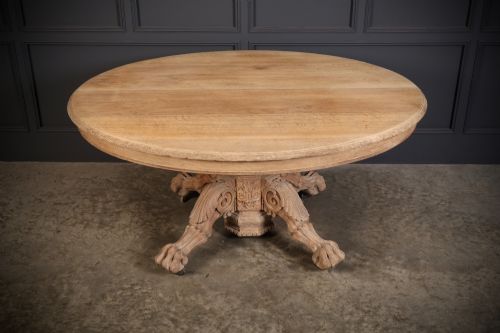
Carving represents a dominant decorative technique, with workshops employing hand-carved motifs ranging from Jacobean revival strapwork to French Renaissance revival foliage. Timber finishing varies from natural wax polishes to bleached treatments, highlighting the natural medullary rays inherent in quarter-sawn oak.
Oak Wood Pedestal Retail Price Guide 2026
Typical asking prices for oak wood pedestal among the pieces listed under this phrase on Sellingantiques today, from the lower quarter to the upper quarter. They describe what is for sale here now, not the wider market.
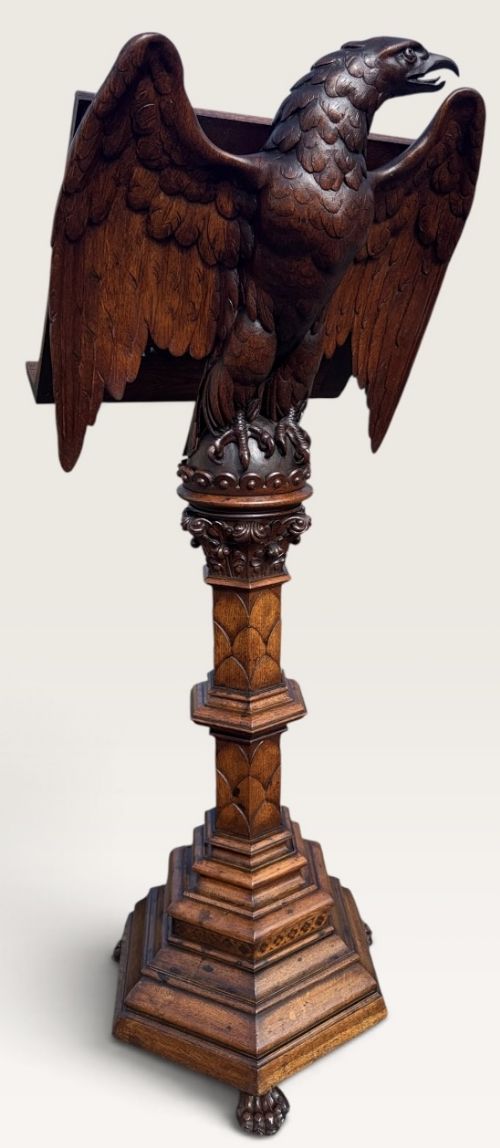
One exceptional nineteenth-century pedestal proudly supports a carved wooden eagle that looks ready to take flight across the room.
Evaluating craftsmanship and proportion
The distinction between standard utility items and exceptional pieces rests upon the precision of the carving and the selection of timber figures. Superior examples display crisp, deep relief work and well-matched burr oak veneers rather than flat, mechanically produced mouldings.
Proportion and stability dictate the merit of vertical forms like torchere stands and display columns, where balanced weight distribution is essential. Superior pieces maintain structural integrity without excessive repairs, preserving the original colour and patina of the oak.
James Shoolbred·Étienne Kohlmann
The Oak Wood Pedestal Glossary
- Burr oak
- A growth deformity in the oak tree that produces highly figured, swirling wood grain prized for decorative veneer on tabletops and cabinets.
- Torchere
- A tall ornamental stand designed to hold a candelabrum or lamp, functioning as a vertical display piece in domestic rooms.
- Medullary rays
- Ribbons of tissue running radially through oak timber that create the characteristic flecked pattern when the log is quarter-sawn.
- Pedestal
- An architectural base or column supporting a bust, urn, lamp, or display object above floor level.
- Jacobean Revival
- A nineteenth-century design style mimicking seventeenth-century English furniture through heavy geometric carving and turned legs.
Oak Wood Pedestal: Frequently Asked Questions
What is an oak wood pedestal used for?
These pieces function primarily as elevated surfaces for displaying decorative objects, lamps, or sculptural works within a room.
Their vertical design allows them to occupy minimal floor space while drawing the eye upward to the displayed item.
How do I date an oak pedestal?
Dating relies on examining the construction methods, tool marks, and stylistic motifs present in the carved decoration.
Earlier eighteenth-century examples display simpler joinery and hand-finished surfaces, whereas nineteenth-century revival pieces often incorporate heavier machinery cuts and more elaborate period-revival carvings.
Are these pieces made from solid oak?
Many examples utilise solid oak timbers throughout their main construction, particularly for load-bearing columns and structural legs.
Some refined surfaces incorporate burr oak veneers applied to stable secondary woods to showcase decorative grain patterns without risking structural warp.
How should I care for antique oak furniture?
Maintenance requires keeping wooden surfaces away from direct heat sources and sudden humidity changes to prevent timber movement.
Applying a traditional beeswax polish periodically helps nourish the grain and preserve the historic patina developed over centuries.