





Oak Wall Sign
An oak wall sign brings character to a room through weathered timber and hand-painted lettering that recalls commercial and domestic interiors of the past.
Oak Wall Sign
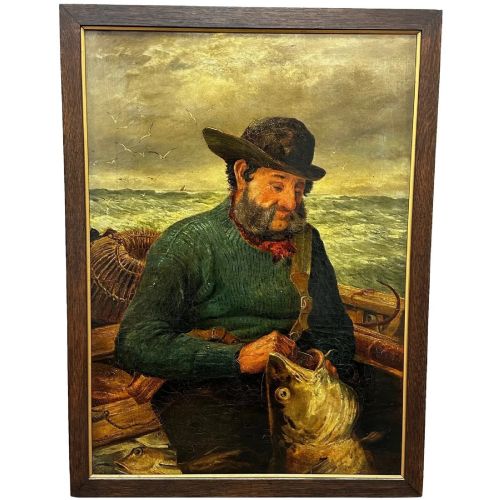
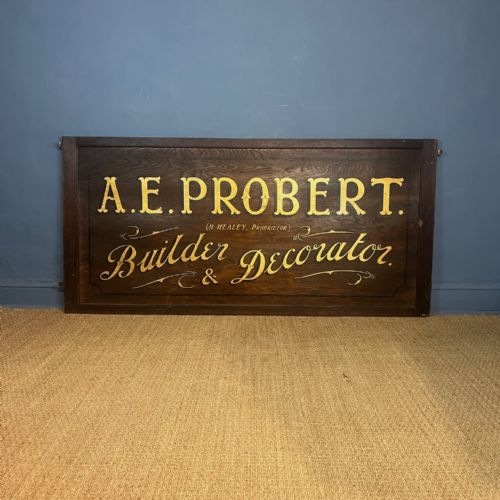
An oak wall sign encompasses diverse mounted pieces, ranging from religious script panels and paper notices to advertising mirrors and shop displays framed in solid timber. The examples found here draw on periods spanning the Victorian era through the Edwardian years and into the mid-century, reflecting changing interior tastes.
The form frequently overlaps with architectural salvage, advertising displays, and framed works of art on paper or canvas. Buyers seeking an oak wall sign will encounter both utilitarian notices from public spaces and decorative panels intended for domestic display.
The stylistic influences across these pieces incorporate Gothic Revival, Arts and Crafts, and Art Deco details. This variety ensures that each oak wall sign functions simultaneously as a historical document and a decorative focal point.
Materials and construction
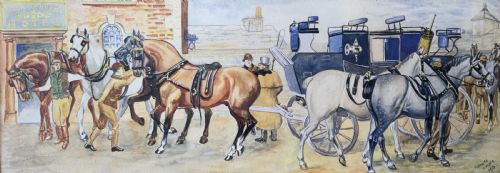
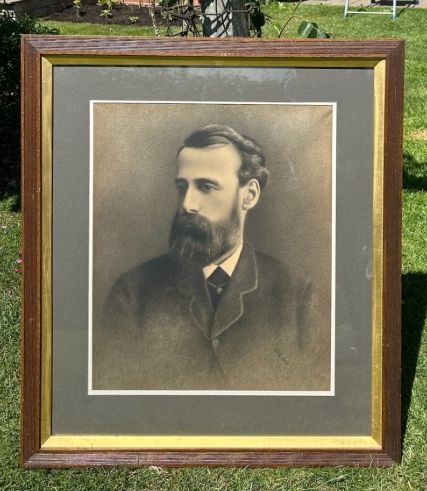
Lettering and imagery are applied through varied techniques including oil paint, watercolour, charcoal, and embossed metal panels. Paper notices and religious texts are frequently preserved behind glass within purpose-built wooden frames.
Oak Wall Sign Retail Price Guide 2026
Typical asking prices for oak wall sign among the pieces listed under this phrase on Sellingantiques today, from the lower quarter to the upper quarter. They describe what is for sale here now, not the wider market.
The periods represented on this page stretch from the Victorian era through the Edwardian period into the mid-twentieth century.
Distinguishing quality
Quality in these pieces rests upon the integrity of the original materials and the clarity of the surviving text or imagery. Panels that retain their original unblemished glass, undisturbed framing, and legible hand-painted lettering stand apart from heavily restored examples.
The depth of the carving in wooden elements and the crispness of painted details demonstrate the maker's skill. Superior execution elevates a utilitarian shop sign or religious text into a compelling piece of decorative art.
The Oak Wall Sign Glossary
- Tin tabernacle
- A prefabricated corrugated iron church or mission hall common in the nineteenth and early twentieth centuries. These buildings often housed large illuminated religious text panels designed to be mounted directly to the wall.
- Advertising mirror
- A reverse-painted or screen-printed mirror housed within a timber frame, designed to promote commercial brands in public houses and shops. The glass surface requires careful preservation to prevent silver degradation.
- Gothic Revival
- An architectural and decorative style drawing inspiration from medieval forms, frequently seen in ecclesiastical furnishings and religious wall texts. Pointed arches and heavy lettering characterise this aesthetic.
- Arts and Crafts
- A design movement valuing handcraftsmanship and traditional materials over mass production. Pieces associated with this style often feature exposed grain, beaten metal, and honest construction.
Oak Wall Sign: Frequently Asked Questions
Where should I hang an oak wall sign?
These pieces suit entrance halls, kitchens, or living spaces where the grain of the wood and the texture of the painted surface can be appreciated at close range. Ensure the wall structure can support the combined weight of the timber frame and glass.
Keep pieces away from direct sunlight and damp environments to protect paper elements, canvas, and painted surfaces from deterioration over time.
Are these signs suitable for damp walls?
Solid oak and vintage glass require stable indoor humidity to prevent the timber from warping and the backing materials from degrading. External walls that suffer from damp are unsuitable for mounting framed paper or canvas.
Allow adequate ventilation behind the piece if mounting on an interior wall that experiences temperature fluctuations.
How can I date my wall sign?
Examine the construction methods of the timber frame, including the type of fixings, saw marks, and the ageing of the oak. Typography, painting style, and materials such as early glass or card provide further clues to the period of origin.
Comparing the lettering style and decorative motifs with documented examples from Victorian and Edwardian manufacturing helps narrow down the decade of production.