


Oak Tripod Candle Stand
An oak tripod candle stand brings centuries of compact, purposeful English craftsmanship directly to a corner of any room.
Oak Tripod Candle Stand
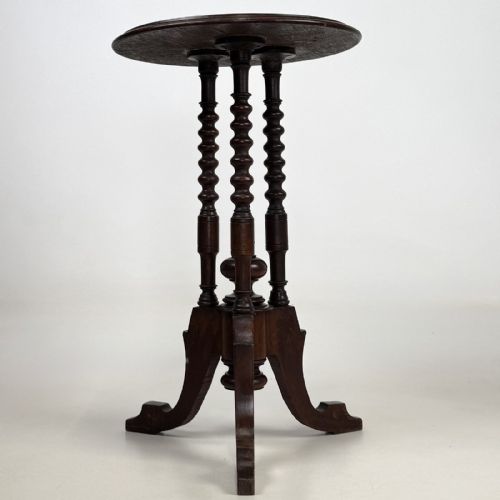
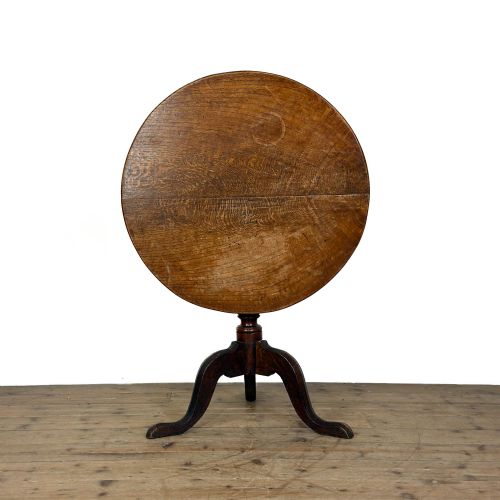
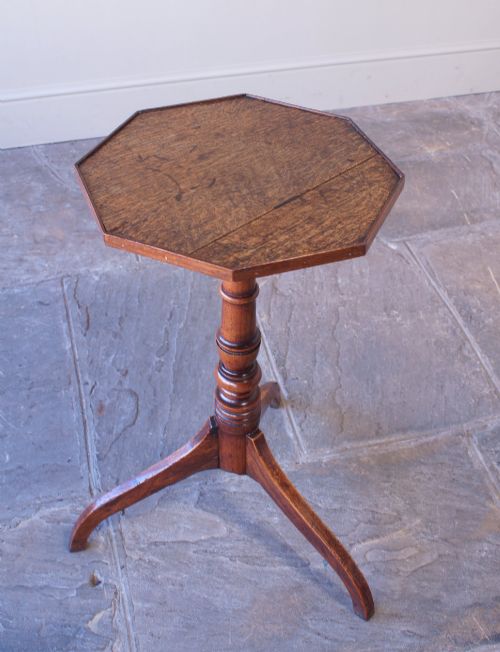
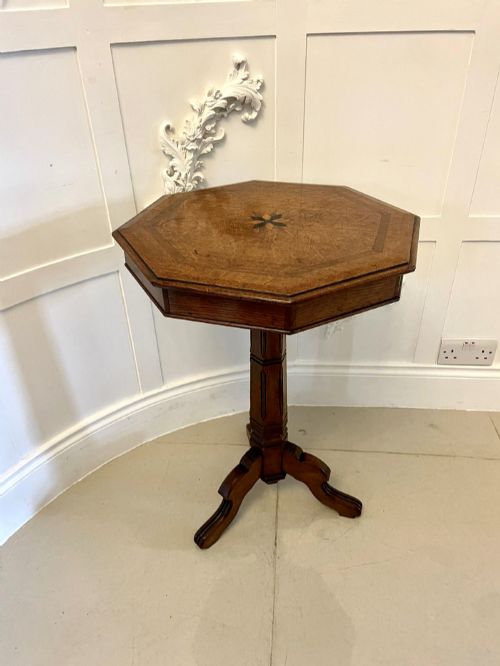
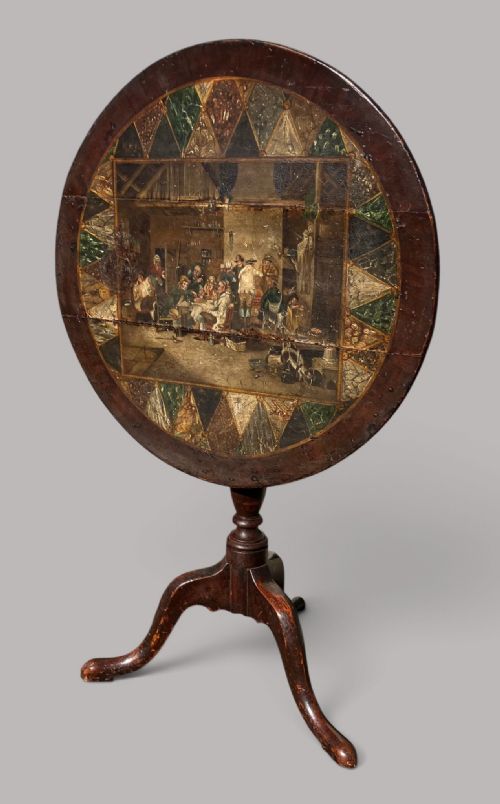
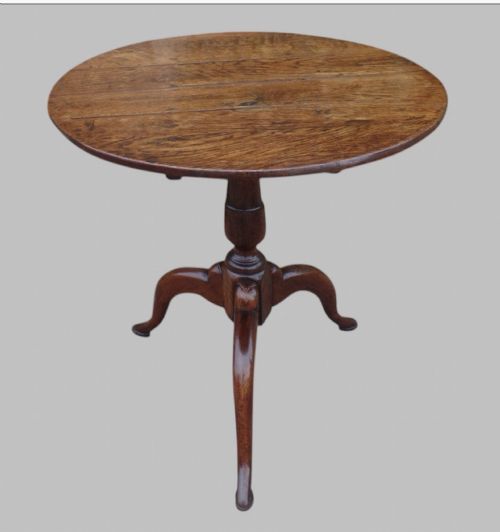
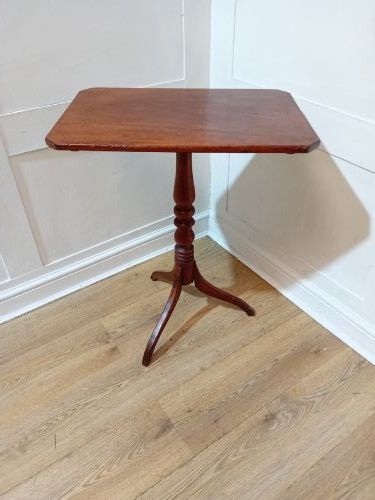
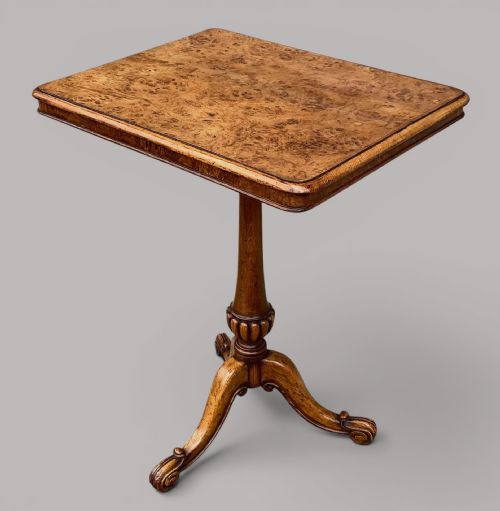
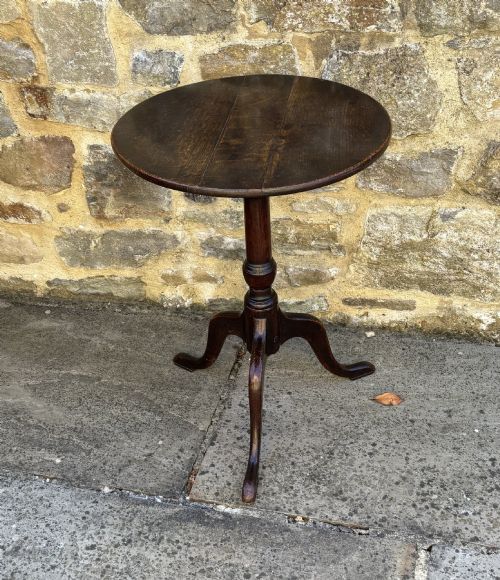
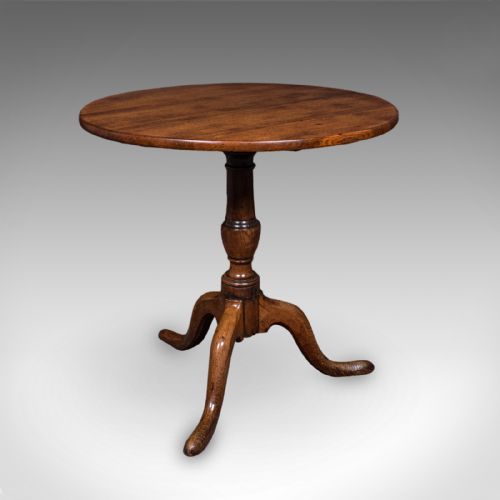
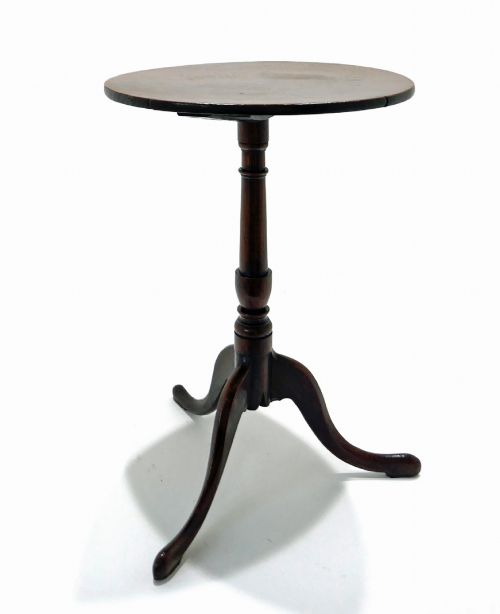
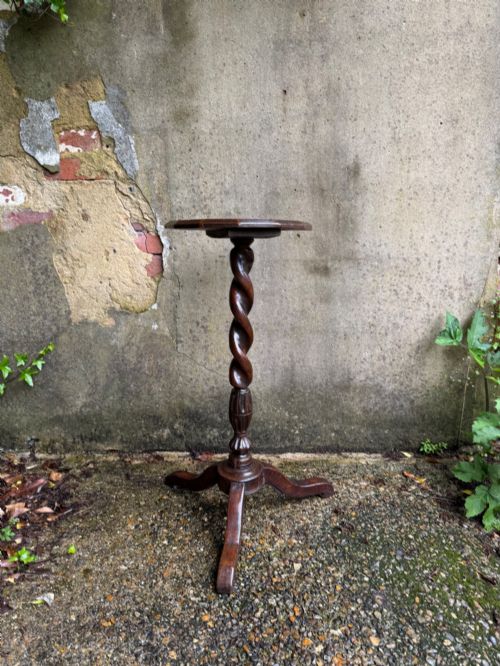
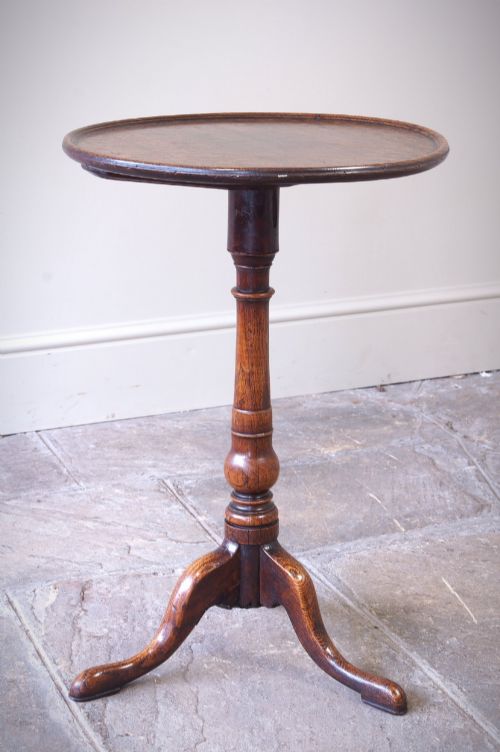
An oak tripod candle stand serves as a compact table raised on three splayed legs, designed originally to hold a single light source or small vessel. Buyers searching for an oak tripod candle stand encounter vernacular country pieces primarily from the eighteenth and nineteenth centuries, spanning Georgian, Regency and Victorian eras.
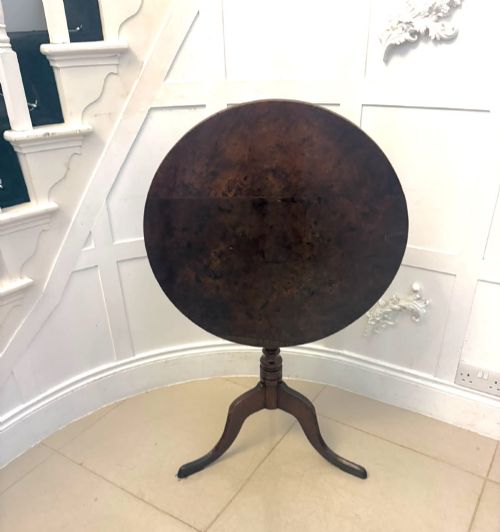
The surviving examples frequently double as wine tables, lamp tables or small occasional tables with circular, rectangular or tilt-top surfaces. Most pieces originate from English and Welsh workshops, utilising regional timbers suited to domestic interiors.
How they were made
Cabinet makers constructed these stands using native hardwoods, combining solid oak tops and central turned columns with beech, elm or fruitwood for stability. Timber selection prioritized straight-grained oak for the main structure, occasionally enhanced by burr oak or yew wood veneers on prominent circular tops.
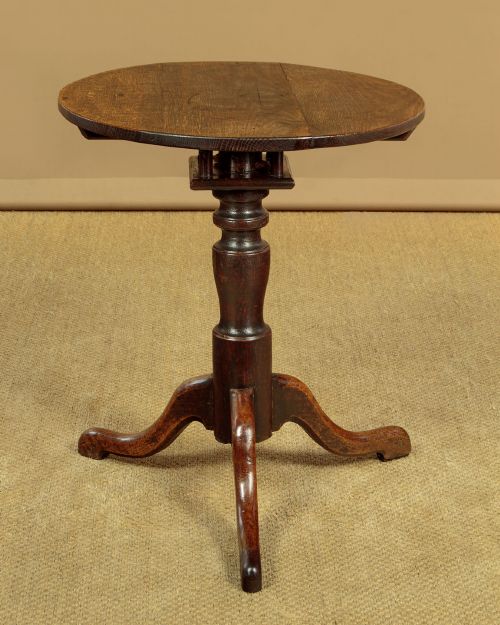
Joinery techniques rely on pegged tenons joining the three-legged base to the central shaft, often incorporating a birdcage mechanism or wooden catch to allow the top to tilt when not in use.
Oak Tripod Candle Stand Retail Price Guide 2026
Typical asking prices for oak tripod candle stand among the pieces listed under this phrase on Sellingantiques today, from the lower quarter to the upper quarter. They describe what is for sale here now, not the wider market.
Some tilt-top tables feature clever birdcage mechanisms that let the surface spin in circles while you decide where to put your tea.
What varies in quality
The distinction between standard domestic furniture and finer examples rests in the proportion of the turned column and the refinement of the leg profile. Slender, well-balanced pillars paired with crisply carved cabriole or pad feet elevate a piece beyond basic utilitarian country workshop production.
Surface patination and the depth of the timber grain dictate visual appeal, where centuries of natural waxing produce a warm glow across the oak boards. Original tilt mechanisms and untouched timber surfaces hold greater weight for collectors than heavily restored examples.
The Oak Tripod Candle Stand Glossary
- Tilt-top
- A hinged table top that pivots vertically to store flat against the column when not in use. This clever space-saving mechanism appeared frequently on eighteenth-century tripod designs.
- Tripod base
- A three-legged support structure providing stable placement on uneven floors. These splayed legs often terminate in pad, snake or pointed feet.
- Birdcage
- A wooden box assembly beneath the table top allowing the surface to both rotate and tilt. It sits between the top and the central turned pillar.
- Vernacular furniture
- Domestic pieces made by local craftsmen for everyday use rather than high-style metropolitan commission. These items often display regional quirks in timber combination and construction.
- Patina
- The surface sheen and colour developed by aged wood through decades of handling and polishing. Natural patination marks genuine historical depth.
Oak Tripod Candle Stand: Frequently Asked Questions
What was a candle stand used for?
These small tables held tallow candles or oil lamps to illuminate specific tasks like reading or needlework before fixed wall lighting became common.
Their portable nature allowed residents to move the light source easily from room to room as daylight faded.
How do I spot an 18th-century stand?
Eighteenth-century examples typically display hand-turned shafts with visible lathe marks, pegged joints, and solid timber tops without modern metal screws.
Inspect the underside of the top and the leg joints to check for traditional construction methods consistent with Georgian workshops.
Can I use one as a lamp table?
The compact footprint and sturdy three-legged base make these stands ideal for holding modern table lamps beside a chair or sofa.
Ensure the surface diameter matches the base of your lamp to maintain proper balance on the narrow top.