
Oak Storage Sideboard
An oak storage sideboard brings heavy timber and practical depth into a room, offering sturdy cupboards and drawers built to last.
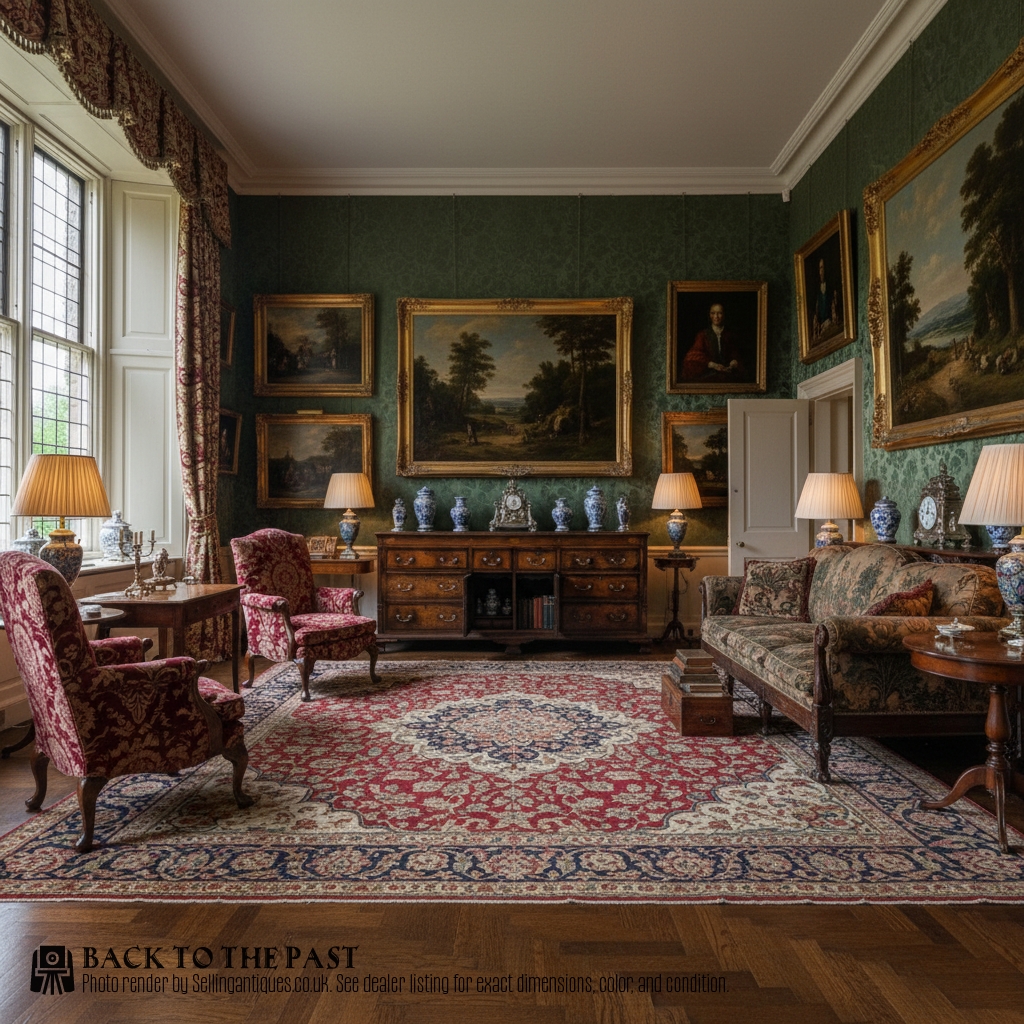
Oak Storage Sideboard
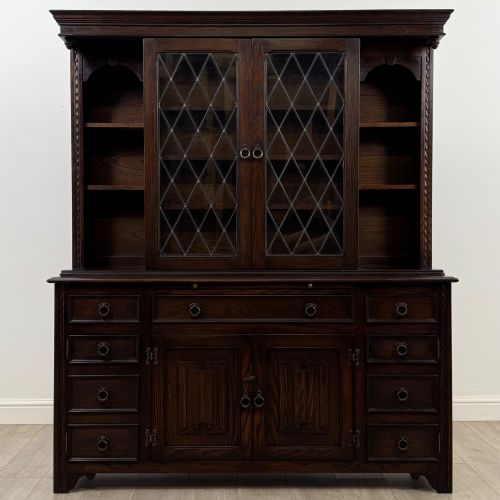
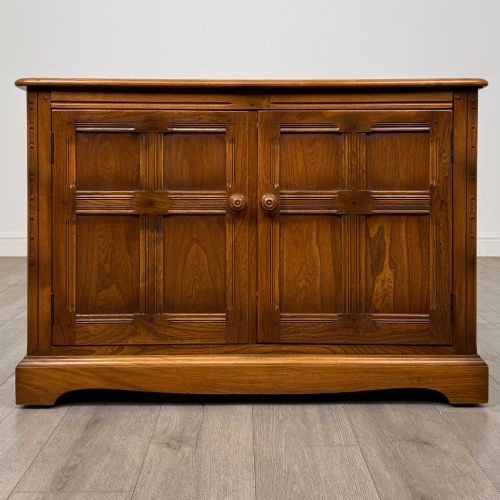
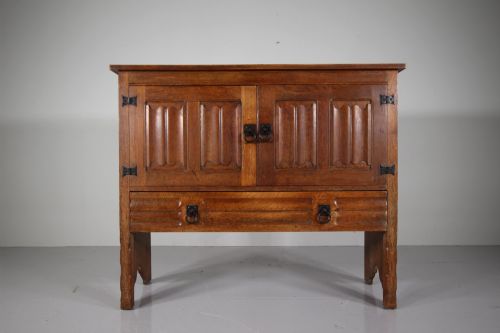
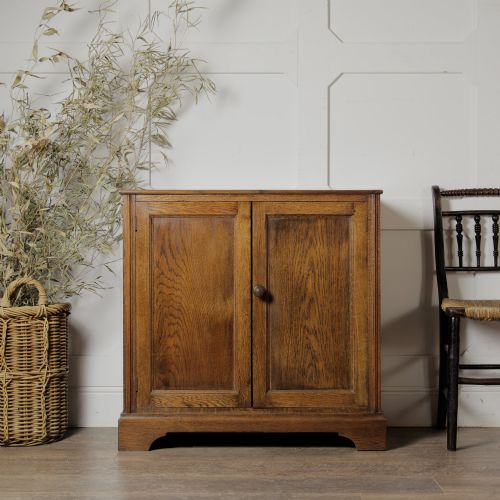
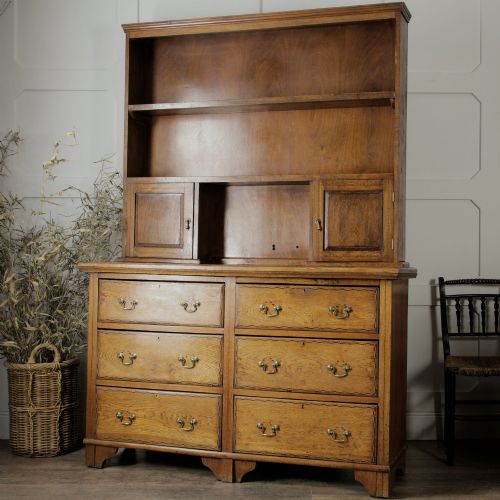
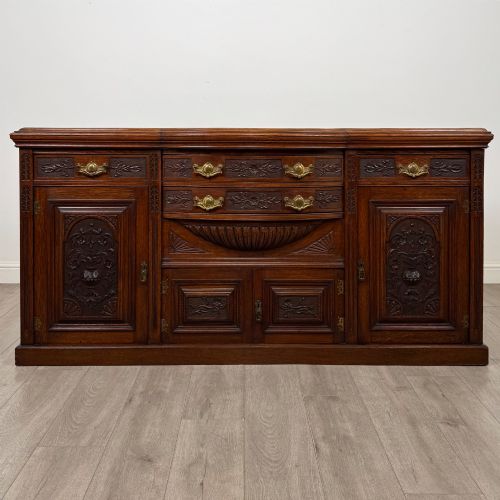
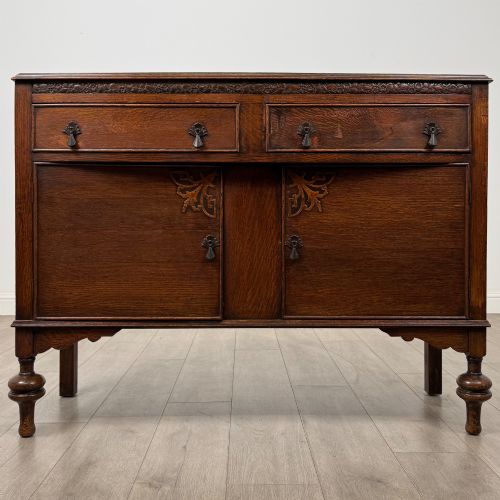
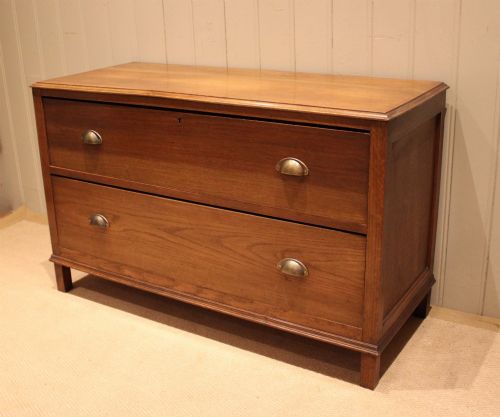
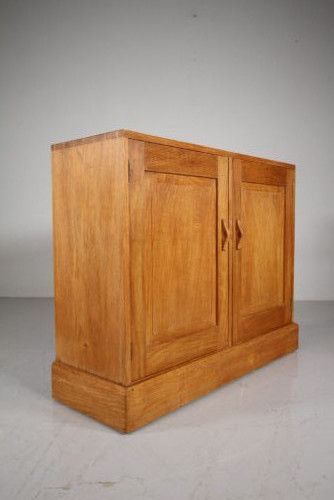
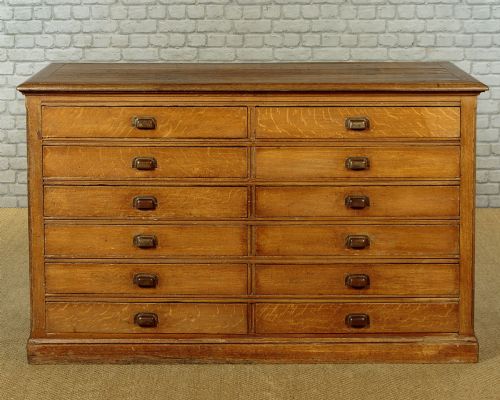
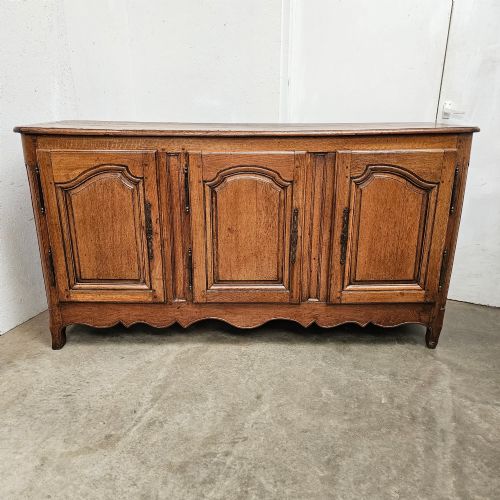
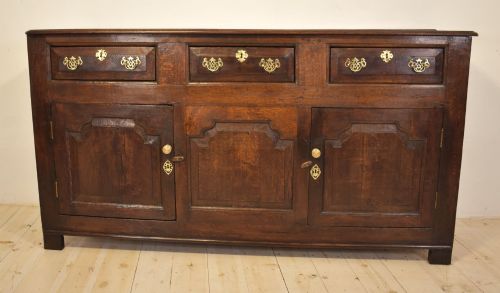
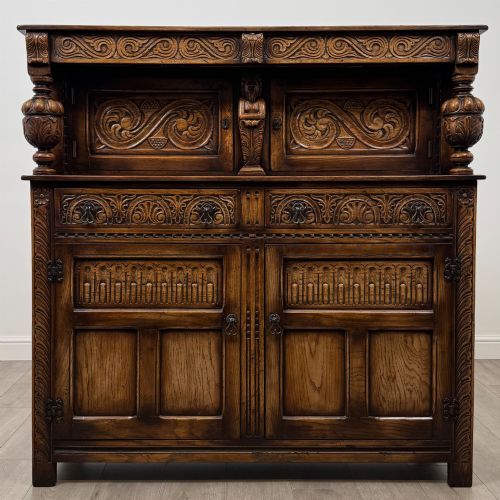
An oak storage sideboard provides heavy timber construction with integrated cupboards and drawers for domestic use. Buyers seeking an oak storage sideboard encounter diverse forms ranging from low chests and dresser bases to court cupboards.
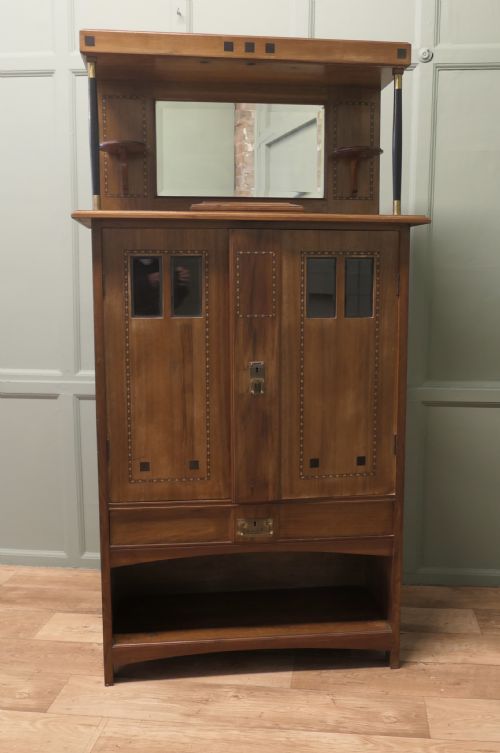
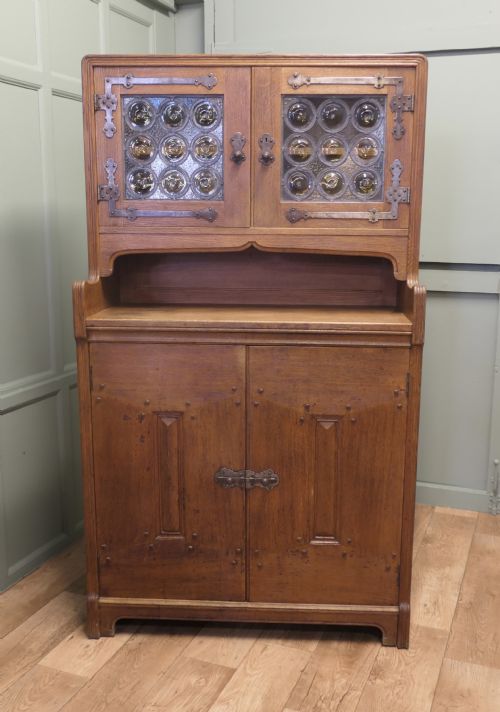
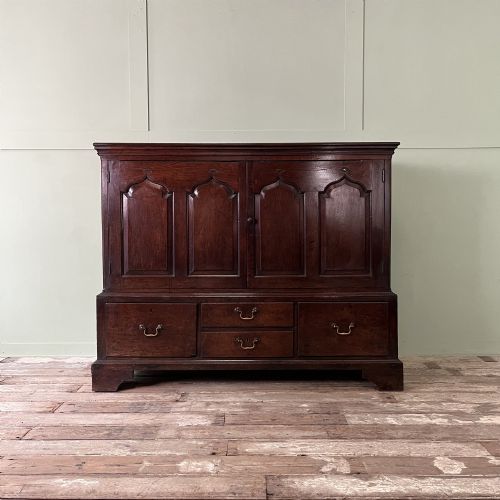
Edwardian pieces and 19th-century examples dominate the selections, alongside items from the 17th, 18th, and early 20th centuries. These items appear in styles including Georgian, Jacobean Revival, Gothic Revival, and Arts and Crafts.
The functional forms combine surface display space with enclosed shelving or drawer banks. Many pieces originate from English workshops, while French provincial variants also appear.
How they were made
Joinery methods rely on solid English oak, golden oak, and honey oak, frequently assembled with pegged mortise and tenon joints in earlier periods. Secondary woods such as fruit wood support internal elements in certain regional pieces.
Surface ornamentation ranges from carved linenfold panels and geometric mouldings to plain waxed finishes that highlight the natural grain of the timber.
A Japanese larder cupboard sits among the English dressers, proving that kitchens across the globe demanded solid timber storage.
What varies in quality
Timber selection dictates the baseline quality, separating plain utility boards from heavily figured golden oak with tight medullary rays. The choice between solid timber construction and veneered panels marks a clear distinction across periods.
Hand-carved detailing shows varying degrees of depth and precision, distinguishing workshop pieces from mass-produced revival items. The integration of original brass or iron hardware preserves the structural integrity and period accuracy of the piece.
Peter Waals·Gomme
The Oak Storage Sideboard Glossary
- Dresser base
- A low cabinet featuring drawers and cupboards beneath a flat top, historically used for serving food and storing kitchenware. These units form the lower section of traditional dining room storage.
- Court cupboard
- A heavy enclosed piece of furniture with upper and lower tiers, often supported on short columns or posts. This form provides substantial compartments for household linen and dry goods.
- Linen press
- A tall cupboard specifically designed to store folded garments and textiles on internal sliding trays or shelves. Older examples frequently stand on chest bases with multiple drawers.
- Enfilade
- A long cabinet or sideboard designed with a row of three or more doors sharing a unified front elevation. This continental form offers extensive interior storage capacity.
- Jacobean Revival
- A design movement recreating the sturdy turned legs, deep geometric panels, and strapwork carving of the seventeenth century. Furniture in this style dates largely from the Victorian and Edwardian eras.
Oak Storage Sideboard: Frequently Asked Questions
What is an oak storage sideboard used for?
These pieces provide deep surface tops alongside enclosed shelving and drawer space for dining rooms and hallways. They suit the storage of tableware, linens, and household items.
The sturdy construction allows daily use while holding heavy objects on the top surface. Interior depths accommodate large ceramic dishes and bulky kitchen equipment.
How do I identify a 17th-century oak piece?
Seventeenth-century items display joined frame-and-panel construction with visible peg fastenings and heavy mouldings. The timber often shows hand-riven surfaces and deep patination.
Carving on these early examples relies on geometric strapwork and punched backgrounds rather than smooth machine cuts. Secondary woods and hand-forged iron hardware further indicate early production.
What is the difference between golden oak and standard oak?
Golden oak describes timber that has aged or been finished to a warm, honeyed hue, highlighting the natural medullary rays in the grain. This appearance occurs frequently in Edwardian interpretations.
Standard oak finishes can range from dark waxed tones found in earlier centuries to limed surfaces applied during the Victorian period. The underlying timber remains solid oak regardless of the surface treatment.
Are these sideboards suitable for modern rooms?
The compact proportions of low cupboards and dresser bases fit contemporary living spaces while offering concealed storage. Neutral wood tones blend easily with various interior design schemes.
Deep drawers and internal shelves help organise modern electronics, glassware, and paperwork out of sight. The durable timber withstands regular placement of lamps and decorative objects.