

Georgian Low Sideboard
When you search for a georgian low sideboard, you enter a world of heavy oak, rich mahogany and practical utility designed for daily service.
Georgian Low Sideboard
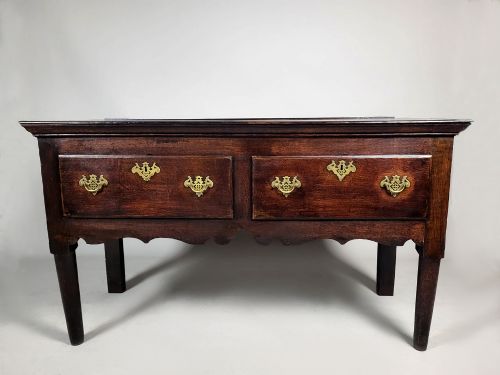
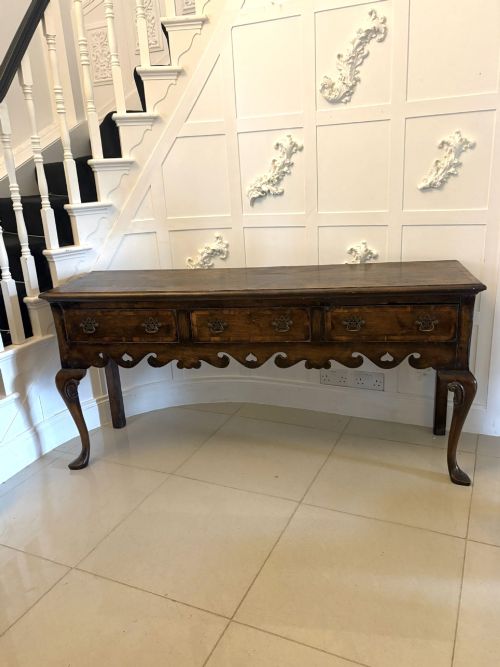
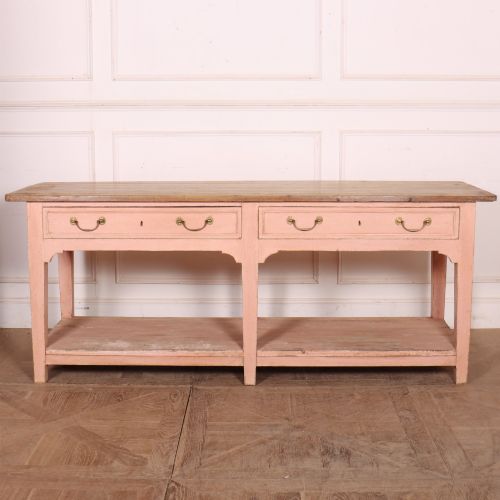
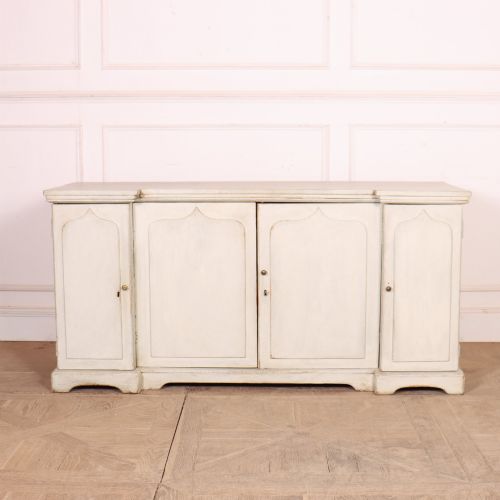
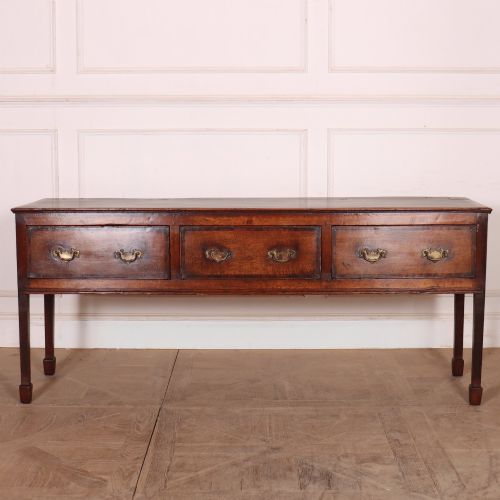
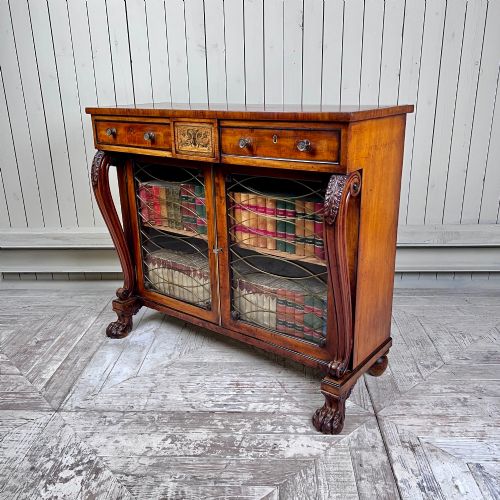
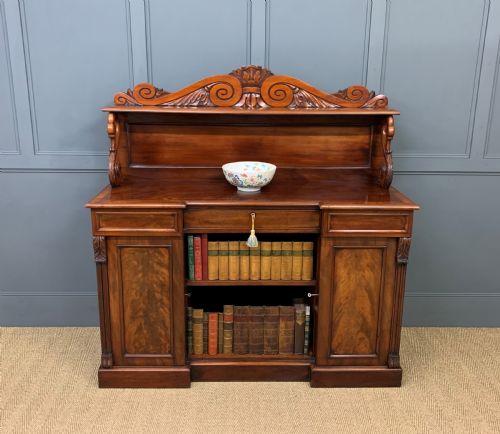
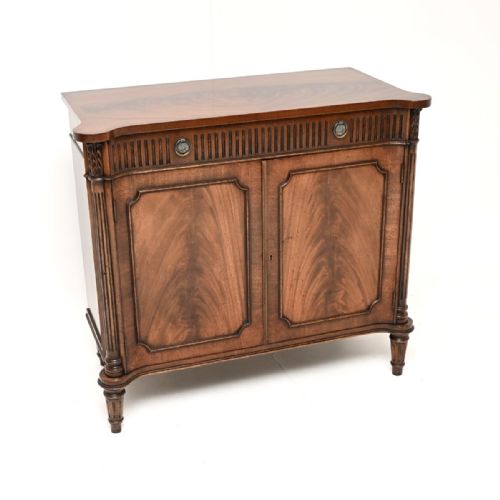
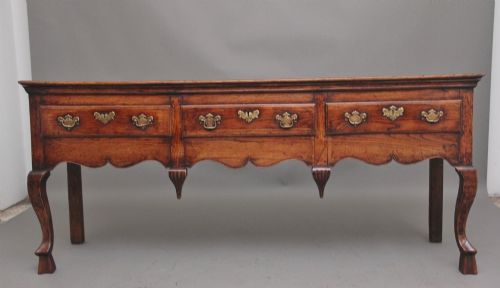
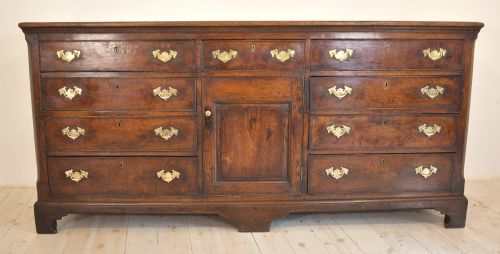
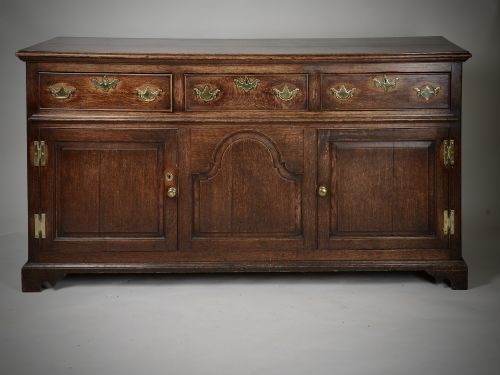
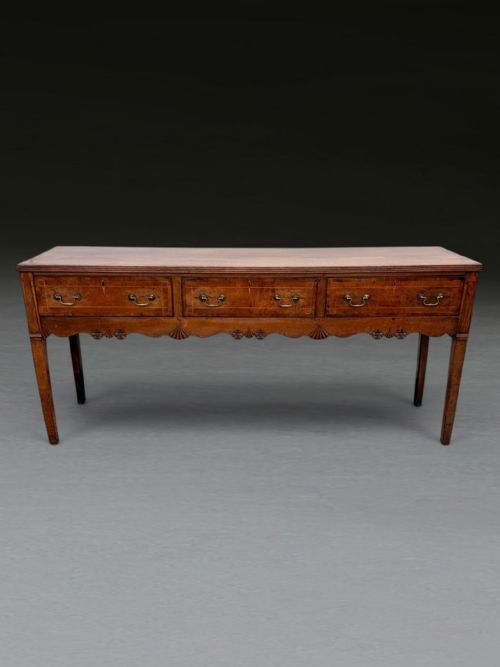
A georgian low sideboard often takes the form of a dresser base, potboard dresser, or low cabinet originating from the eighteenth and nineteenth centuries. These pieces were constructed to serve dining rooms and living spaces, providing surface preparation space alongside enclosed storage for household provisions.
You will frequently encounter regional oak variants from Wales, Lancashire, Shropshire, and Cheshire alongside finer mahogany and walnut examples from the George III and Regency periods. The typical form sits lower to the floor than a traditional tall dresser, focusing on a horizontal span with drawers and cupboards.
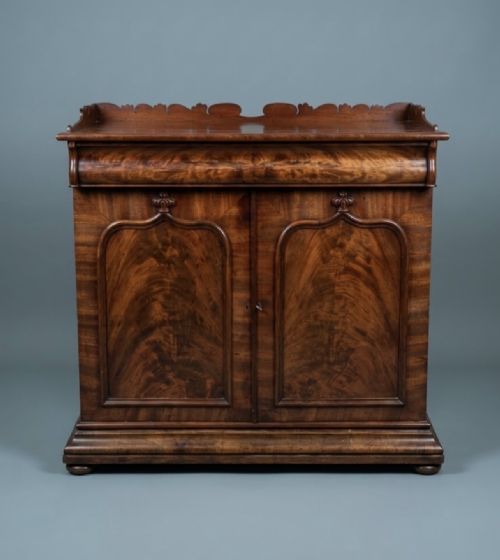
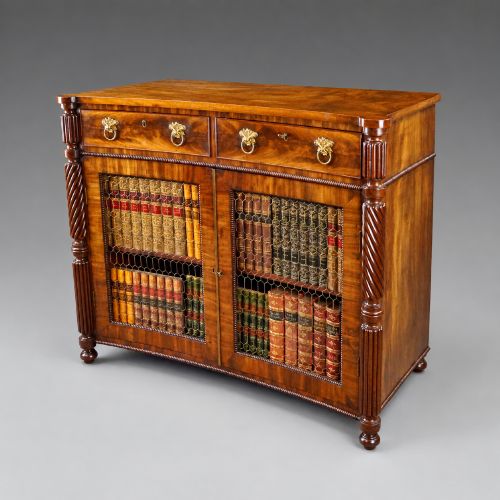
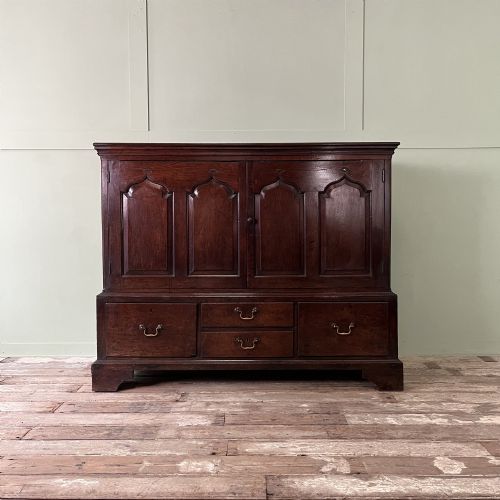
The category also encompasses side cabinets, chiffoniers, and low linen press cupboards reflecting the broader domestic requirements of the era. These utilitarian objects bridge the gap between heavy country furniture and refined urban cabinet-making.
Materials and construction
The dominant timber across these listings is solid oak, frequently paired with secondary woods like elm or pine for internal elements. Cabinet-makers utilised sturdy joined construction methods, often incorporating planked tops, moulded fronts, and hand-cut dovetails for drawer boxes.
Finer urban pieces employ flame mahogany, walnut, and rosewood veneers laid over carcases, complemented by decorative inlay work in ebony and boxwood. Brass hardware, including original drop handles, backplates, and grille doors, finishes the structural assembly.
Several centuries of heavy dining prep left enduring chop marks inside these ancient oak drawers.
Quality factors in construction and finish
The distinction between standard utility pieces and superior examples rests on the selection of timber and the crispness of the joinery. Dense, highly figured mahogany or well-figured joined oak with untouched surfaces commands greater regard than heavily restored or plain timber boards.
Original hardware, untouched panel work, and the retention of early brasses or potboards elevate a piece significantly. Structural integrity, such as unwarped tops and smoothly running drawers, separates well-preserved survivals from heavily altered items.
Gillows
The Georgian Low Sideboard Glossary
- Potboard dresser base
- A low sideboard featuring an open lower shelf, known as a potboard, positioned beneath the main drawer section for storing heavy kitchen or dining utensils.
- Chiffonier
- A compact low sideboard or cabinet developed during the Regency period, often featuring enclosed lower doors and sometimes surmounted by a small bookcase tier.
- Breakfront
- A cabinet or sideboard whose central section projects forward from the flanking sections, creating a pronounced architectural rhythm across the front.
- Dovetail
- A traditional interlocking woodworking joint used to secure drawer corners together securely without relying solely on metal fasteners.
- Linen press
- A tall or low cupboard originally designed for storing folded textiles and household linens on sliding internal trays or shelves.
Georgian Low Sideboard: Frequently Asked Questions
What is a potboard dresser base?
A potboard dresser base is a low wooden sideboard featuring an open lower shelf situated just above the floor level. This lower platform was traditionally used to store heavy pots, pans, and serving dishes in busy country houses.
The upper section typically contains a row of drawers above cupboard doors, combining open display or storage with closed protection. These pieces form a large portion of the regional oak items found in this category.
How do I tell an 18th century piece from a 19th century one?
Eighteenth-century pieces generally display heavier oak construction, hand-cut joinery, and simpler country lines rooted in the George III aesthetic. They often show distinctive regional traits associated with makers from Wales, Lancashire, and Shropshire.
Nineteenth-century examples frequently incorporate refined mahogany timbers, rosewood veneers, and Regency influences like brass inlay or grille doors. Looking closely at the secondary woods, nail types, and backboards helps clarify the manufacturing era.
Were these sideboards used in the dining room?
These sideboards served primarily as functional preparation and storage surfaces in dining rooms, kitchens, and large living spaces. Servants used the wide top boards for plating food and organising service before bringing dishes to the main table.
The drawers and cupboards held cutlery, linens, and dry goods, keeping the main living areas orderly and well-supplied throughout the day.
How do I care for antique oak and mahogany?
Maintaining antique timber requires stable indoor humidity levels away from direct heat sources and harsh sunlight. Gentle dusting with a dry or barely damp cloth preserves the dry wax finish and natural patina built up over centuries.
Avoid modern silicone polishes, which can penetrate open wood grains and damage the historical surface. Feeding the timber occasionally with a traditional beeswax polish keeps the grain nourished and protected.