


Oak Stick Umbrella Stand
When you search for an oak stick umbrella stand, you enter a practical world of hallway furniture designed to keep entranceways orderly.
Oak Stick Umbrella Stand
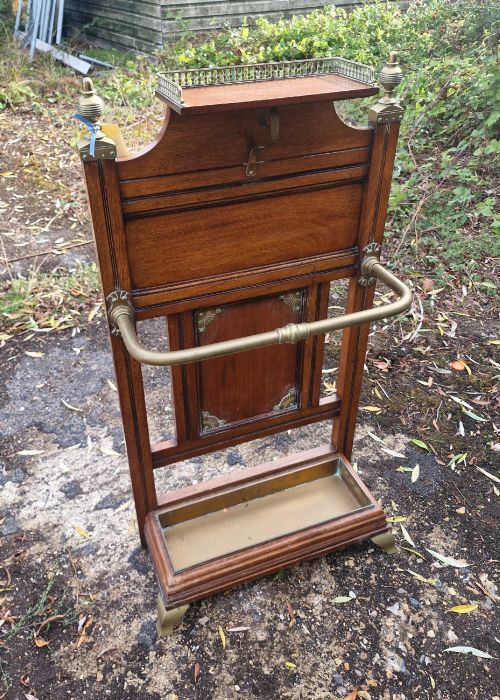
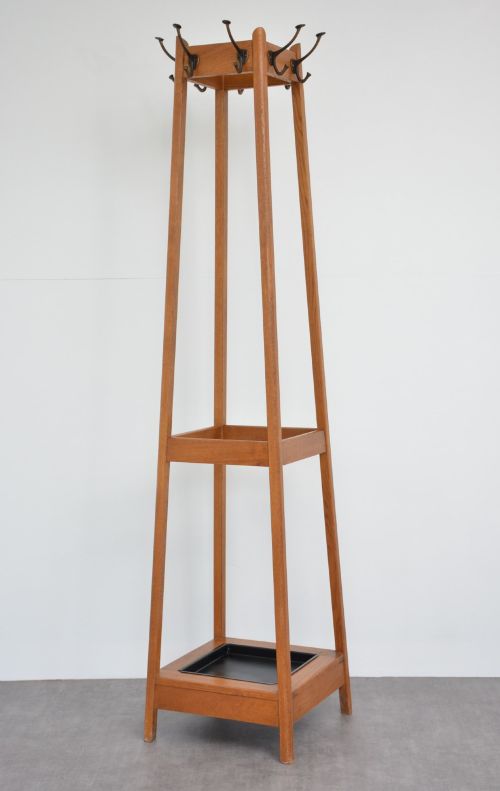
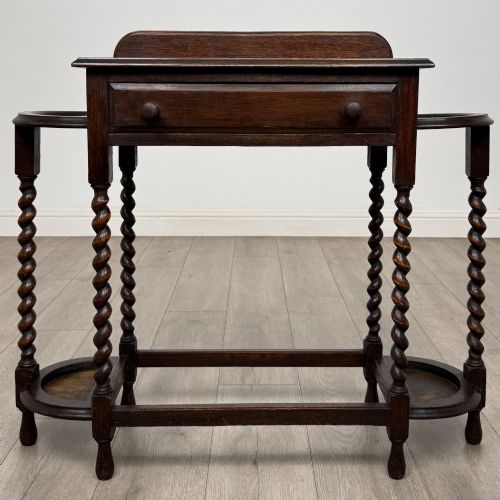
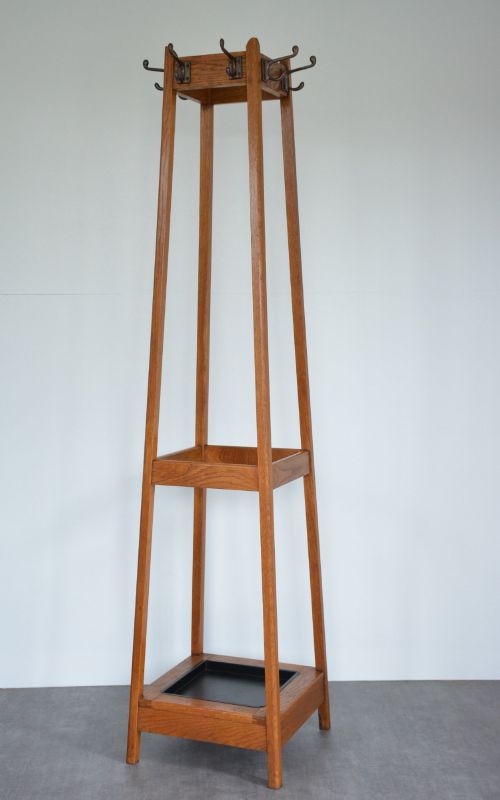
An oak stick umbrella stand serves as a traditional piece of hallway furniture intended for storing wet walking sticks and umbrellas. These items range from simple coopered barrels to elaborate architectural hall stands featuring integrated coat hooks and benches.
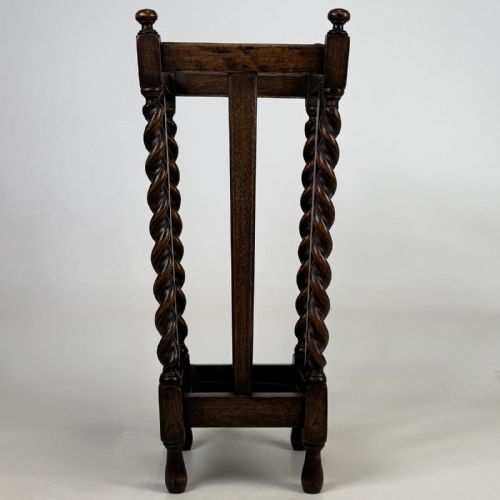
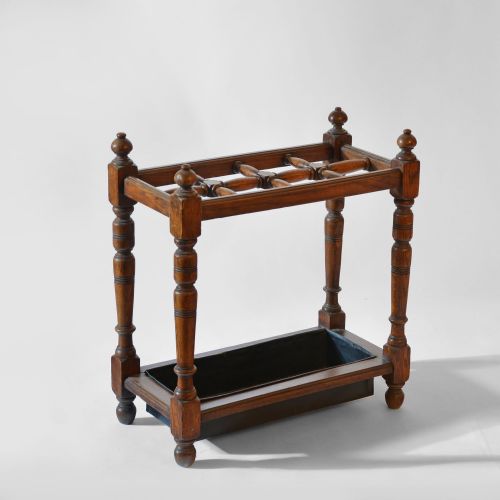
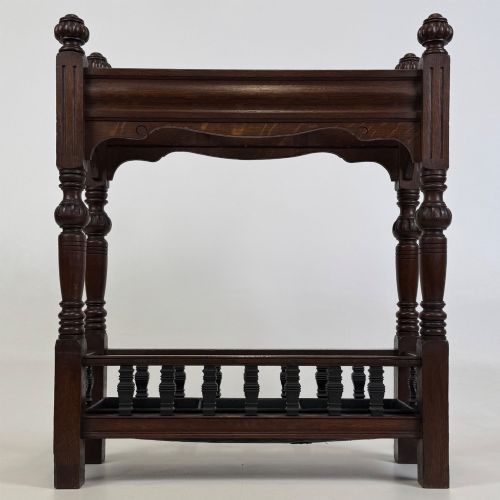
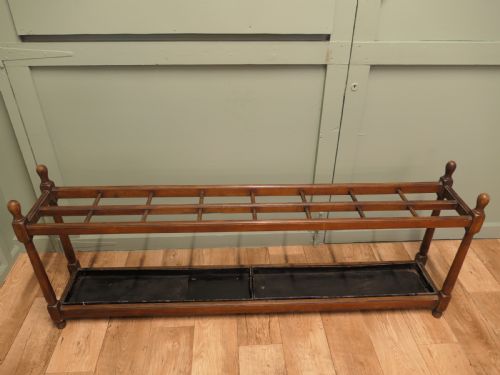
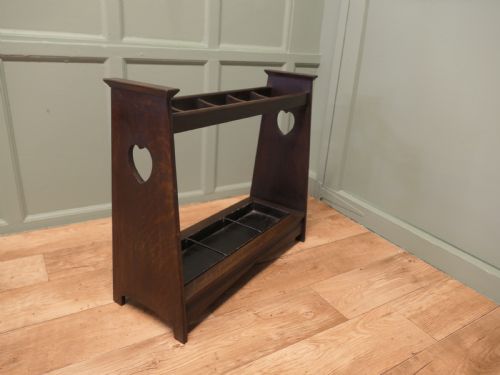
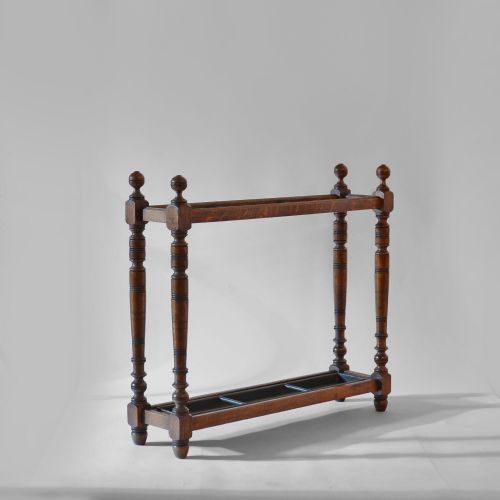
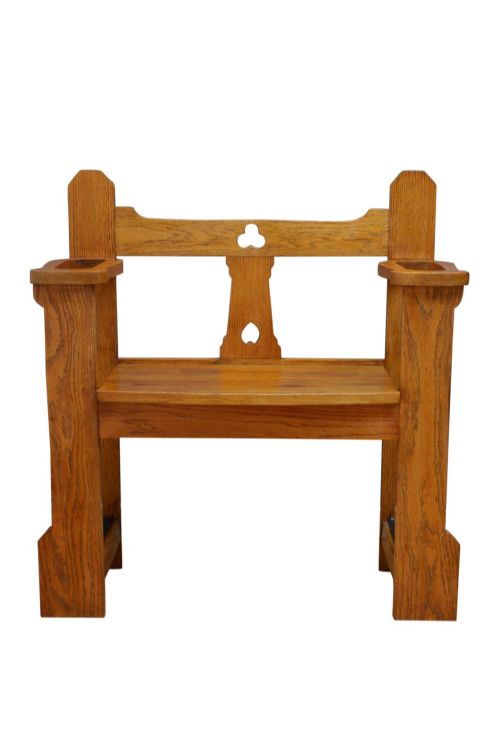
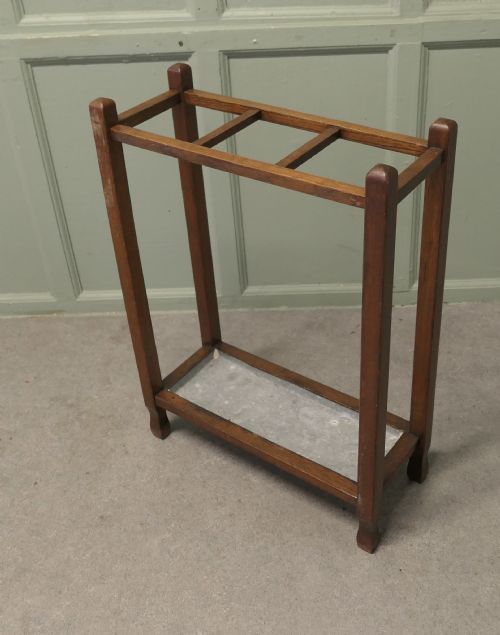
The pieces appearing on this page span the Victorian and Edwardian eras, alongside pieces influenced by the Arts and Crafts movement and Gothic Revival styles. Common forms include freestanding cylindrical barrels, rectangular umbrella stands, and multi-functional hall stands.
Originating primarily from English country houses and town residences, these items combine utilitarian purpose with period craftsmanship. Buyers typically encounter oak timber paired with metal hardware such as brass bands, copper liners, and iron drip trays.
How They Were Made
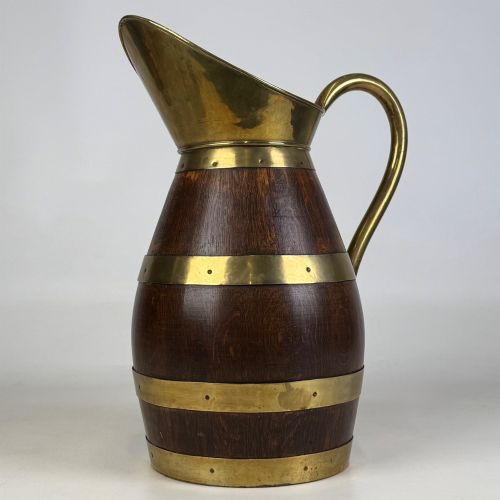
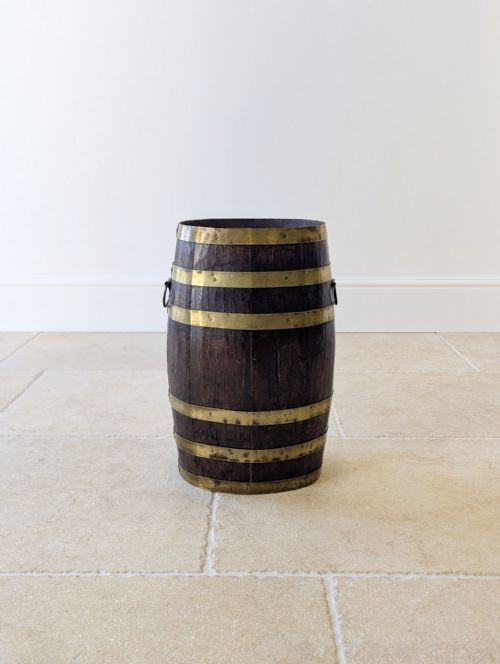
Cabinetmakers utilised solid oak to construct the main framework and bodies of these stands, often employing cooperage techniques for barrel-shaped forms. Staves of oak were curved and secured together using metal hoops, frequently made of brass or iron, to create durable receptacles.
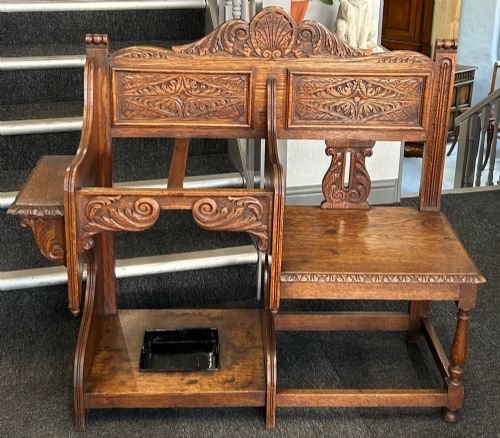
Decorative elements relied on carving, turning, and joinery rather than applied ornamentation, reflecting the preferences of the Victorian and Edwardian periods. Metal components like zinc, brass, and copper served as functional liners or drip trays to protect the timber from moisture.
Oak Stick Umbrella Stand Retail Price Guide 2026
Typical asking prices for oak stick umbrella stand among the pieces listed under this phrase on Sellingantiques today, from the lower quarter to the upper quarter. They describe what is for sale here now, not the wider market.
Listings feature oak combined with brass, copper, iron, zinc, and glass across Victorian, Edwardian, and Arts and Crafts periods.
What Varies in Quality
Quality in these stands rests on the selection of timber, the integrity of the construction, and the presence of original hardware. Examples built with heavy-gauge oak and secure metal binding demonstrate greater durability than lighter, mass-produced alternatives.
Design complexity also distinguishes individual pieces, moving from utilitarian country house barrels to detailed items featuring carved motifs, mirrors, or integrated seating. The survival of original metal drip trays and inner liners contributes to the completeness of a piece.
Heals of London·Liberty and Co·J Parker of Woodstock
The Oak Stick Umbrella Stand Glossary
- Coopered
- Constructed using vertical wooden staves bound by metal hoops, much like a traditional barrel. This technique provided the waterproof strength required for holding wet umbrellas.
- Drip tray
- A removable metal basin placed at the base of a stand to catch water from umbrellas. Original trays made of zinc, brass, or copper are particularly valued.
- Hall stand
- A larger piece of hallway furniture combining an umbrella stand with coat hooks, a hat rack, and sometimes a mirror or bench seat. They anchor the entrance of period homes.
- Arts and Crafts
- A design movement prioritising traditional craftsmanship and simple forms over mass production. Pieces in this style often display honest construction and minimal, geometric decoration.
- Gothic Revival
- An architectural and decorative style drawing inspiration from medieval forms. Stands of this type feature pointed arches, tracery, and heavy carved oak.
Oak Stick Umbrella Stand: Frequently Asked Questions
What is a coopered umbrella stand?
A coopered umbrella stand is built using curved wooden staves held together by metal bands, mimicking the construction of traditional drinking casks. This method creates a sturdy, watertight cylinder suited for daily hallway use.
Craftsmen utilised this technique throughout the Victorian era to produce durable receptacles that could withstand constant moisture from wet walking sticks and umbrellas.
How do I maintain an oak stick stand?
Maintaining an oak stick stand involves keeping the wood nourished with wax and ensuring the interior metal drip tray remains clean and dry. Preventing standing water from sitting directly against the timber preserves the lifespan of the piece.
Regular dusting and occasional polishing will maintain the finish of the oak without altering the natural patina developed over decades of use.
Are these stands suitable for modern hallways?
These oak stands function effectively in contemporary entranceways by providing vertical storage that occupies minimal floor space. Their solid construction easily accommodates modern umbrellas and walking accessories.
Integrating a period piece into a modern interior adds natural wood grain texture and practical organisation to an entryway.
How do I distinguish Edwardian stands from Victorian ones?
Victorian umbrella stands often feature heavier proportions, darker finishes, and more elaborate carved ornamentation such as Gothic motifs or Green Man masks. They tend to project a sense of formal solidity typical of nineteenth-century domestic interiors.
Edwardian examples generally appear lighter in scale, sometimes utilising golden oak and cleaner lines influenced by the Arts and Crafts movement or simple country house aesthetics.