




Oak Stick Back Chair
An oak stick back chair brings solid regional character to a room through traditional timber construction and honest vernacular design.
Oak Stick Back Chair
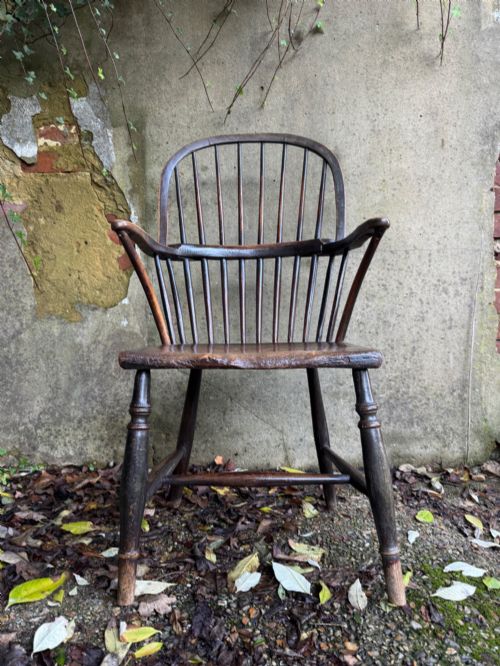
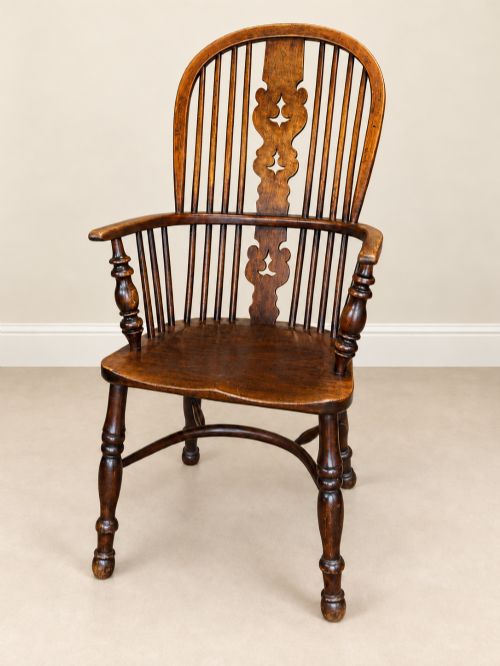
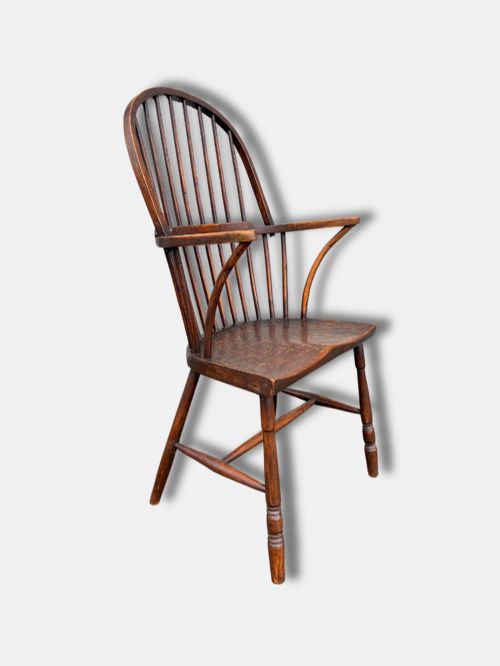
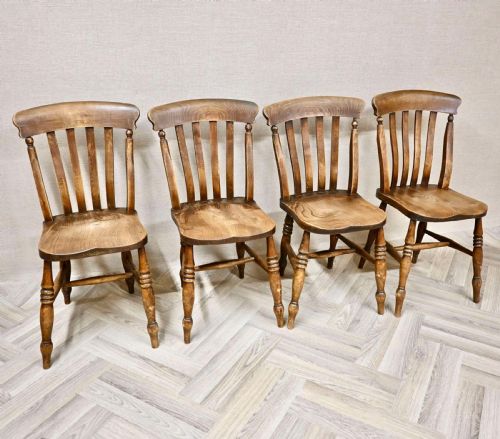
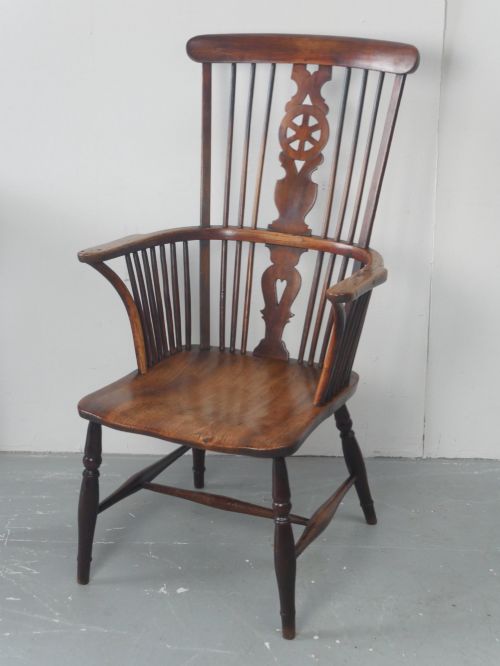
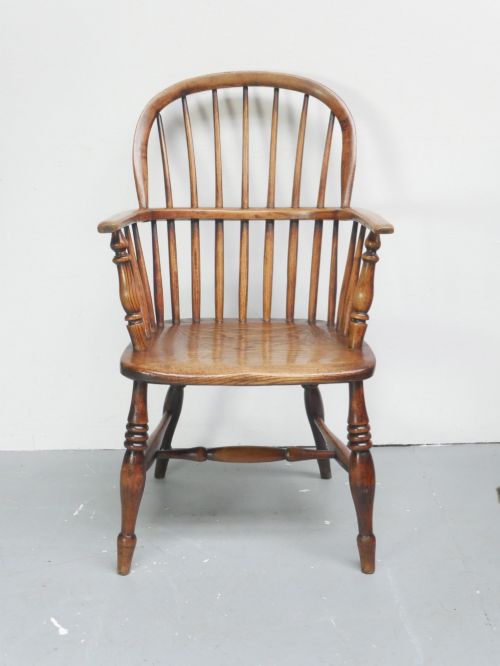
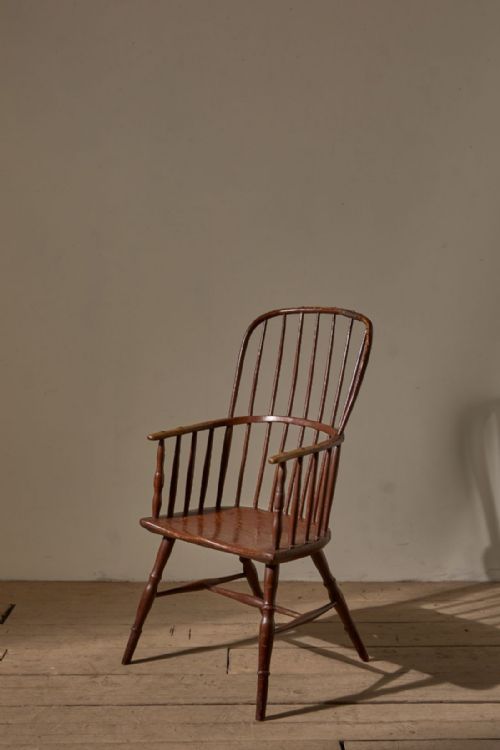
An oak stick back chair encompasses sturdy country seating produced across British regional workshops during the eighteenth and nineteenth centuries. These pieces typically take the form of armchairs, kitchen dining chairs, and occasional seating shaped by local vernacular traditions.
The nineteenth-century examples appear most frequently on this page, alongside earlier eighteenth-century variations. Makers built these functional objects for everyday domestic use in farmhouses, cottages, and kitchens.
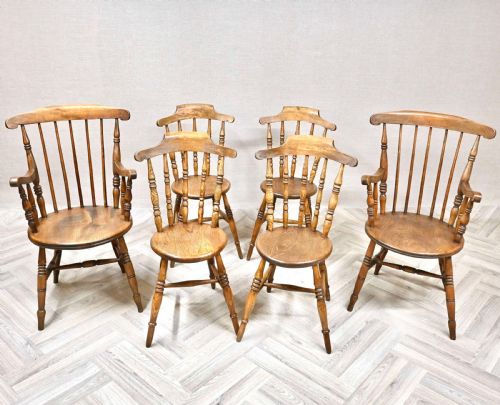
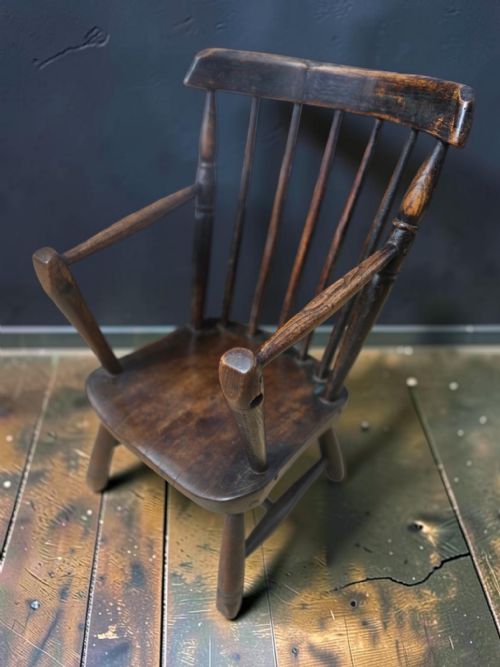
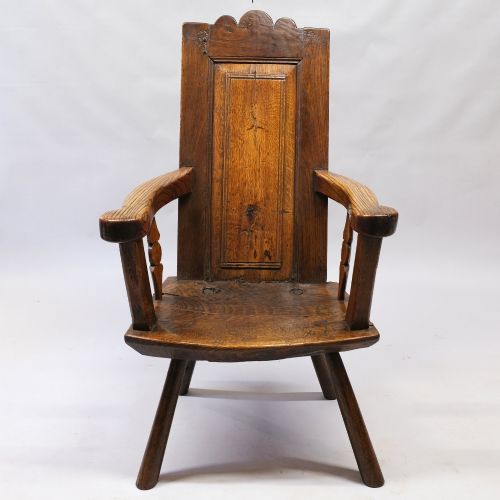
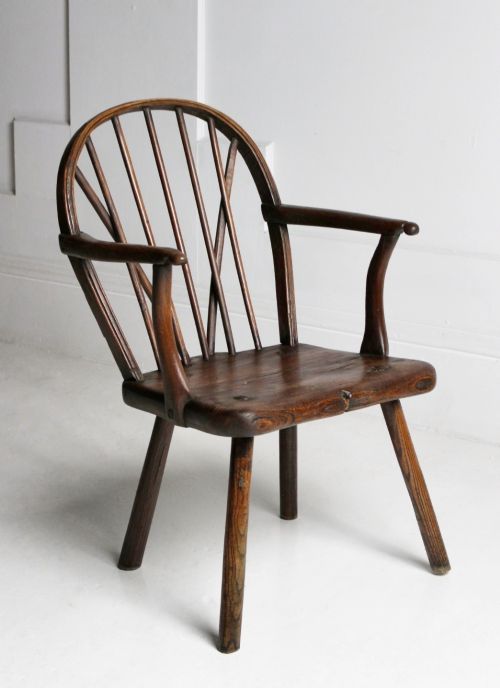
Regional variations span English country models, Scottish pieces, and Welsh vernacular designs including comb backs and stick chairs. Smaller versions for children and miniature furniture also emerge within the selection.
What varies in quality
Quality depends on the harmony of proportions and the integrity of the regional form, distinguishing standard utility seating from refined vernacular masterpieces. Finer examples display balanced stick spacing, well-turned legs, and carefully sculpted arm bow curves.
The survival of original surfaces and uncompromised timber joints elevates a piece. Altered components or replaced undercarriages alter the structural honesty that collectors value in country furniture.
Oak Stick Back Chair Retail Price Guide 2026
Typical asking prices for oak stick back chair among the pieces listed under this phrase on Sellingantiques today, from the lower quarter to the upper quarter. They describe what is for sale here now, not the wider market.
Tiny child versions share identical joinery with full-size armchairs, proving that miniature generations required proper Welsh seating too.
Liberty
The Oak Stick Back Chair Glossary
- Stick back
- A chair design where turned or cleft spindles form the backrest, inserted directly into a solid wooden seat.
- Vernacular
- Regional furniture built by local craftsmen following traditional local patterns rather than metropolitan style books.
- Comb back
- A Windsor chair variation where the top rail resembles a traditional hair comb, often rising above vertical spindles.
- Patina
- The surface sheen and colour acquired by wood through age, wear, and cleaning over many decades.
- Windsor
- A chair constructed with a solid wooden seat into which the legs and back sticks are independently tenoned.
Oak Stick Back Chair: Frequently Asked Questions
How do I date an oak stick back chair?
Dating relies on observing construction methods, tool marks, and timber shrinkage patterns. Earlier eighteenth-century examples often display simpler, heavier turnings and distinct regional quirks compared to later nineteenth-century pieces.
Changes in seat shaping and the thickness of the arm bow also help narrow down the period of manufacture. Comparing the piece to documented regional styles provides further chronological context.
Were these chairs used for dining?
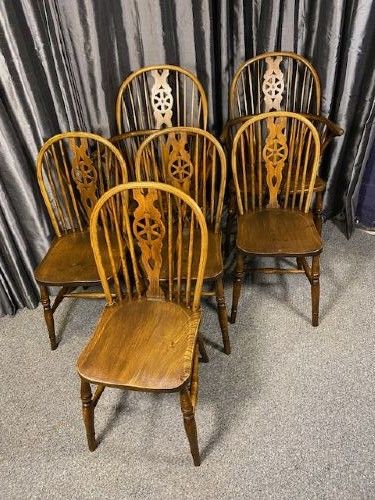
Many of these pieces served as kitchen or farmhouse dining chairs, built to withstand daily family life. Sets of matching or near-matching chairs frequently supported meals in large country households.
Single armchairs usually stood by the hearth or served as desk chairs. Their robust construction suited heavy domestic utility rather than formal parlor use.
What is the difference between an elm seat and an oak frame?
Elm possesses an interlocking grain that resists splitting, making it the preferred timber for solid sculpted chair seats. Oak offers high rigidity and strength, suiting it for structural elements like legs, spindles, and arm rails.
Craftsmen matched these timbers purposefully to handle the stress placed on different parts of the chair during daily use. This material combination remains characteristic of British country seating.
How do I care for a painted stick back chair?
Preserving original paint requires avoiding harsh chemical cleaners and keeping the furniture away from direct heat sources and strong sunlight. Gentle dusting with a dry cloth maintains the surface without disturbing historic pigment.
Applying specialised wax is generally unnecessary if the historic paint layer remains stable and intact. Stable indoor humidity prevents the underlying timber from expanding and cracking the paint.