






Oak Small Tabletop Cabinet
An oak small tabletop cabinet brings compact utility and period character to any room, offering miniature proportion alongside genuine storage.
Oak Small Tabletop Cabinet
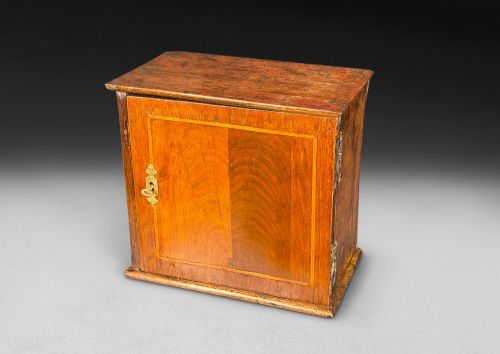
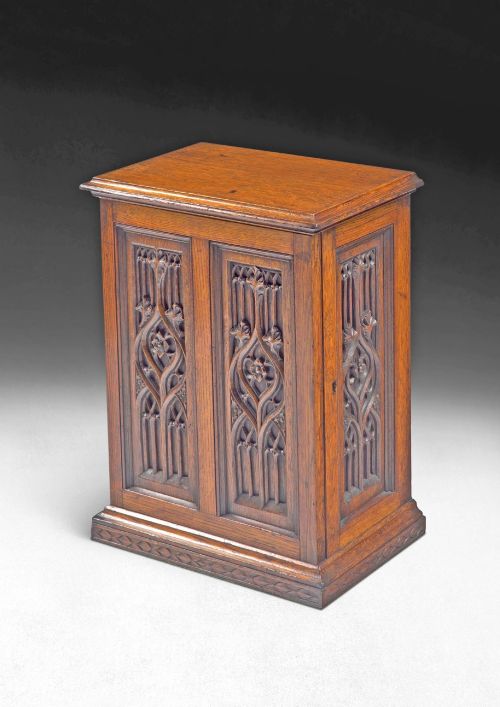
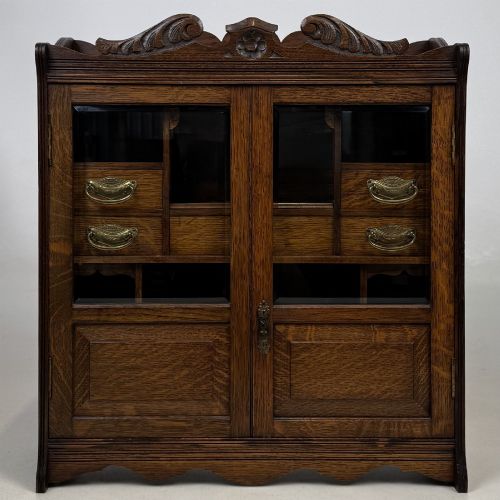
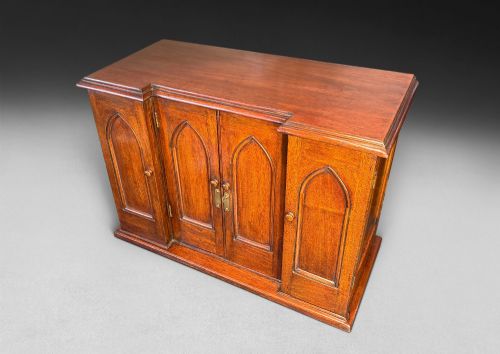
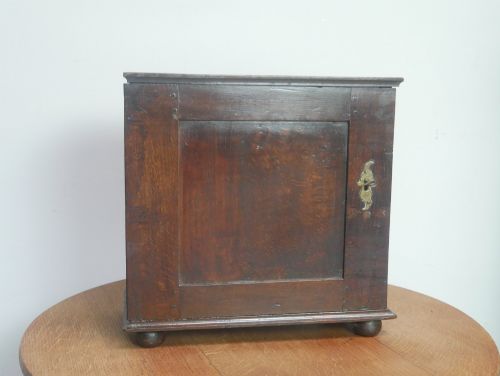
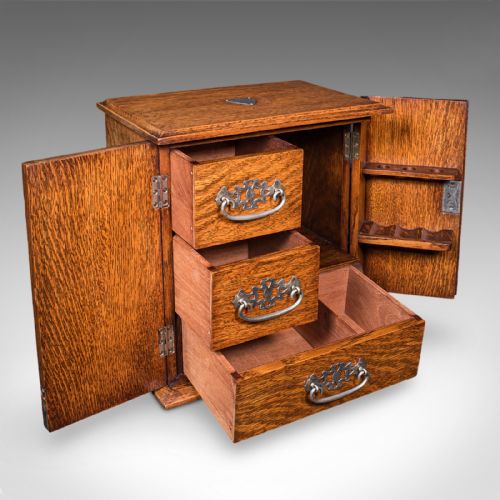
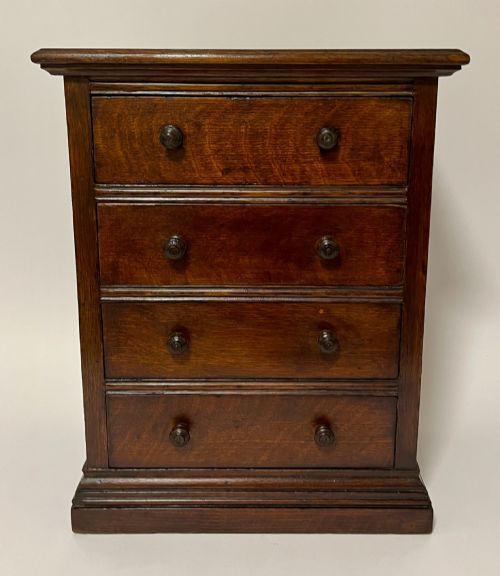
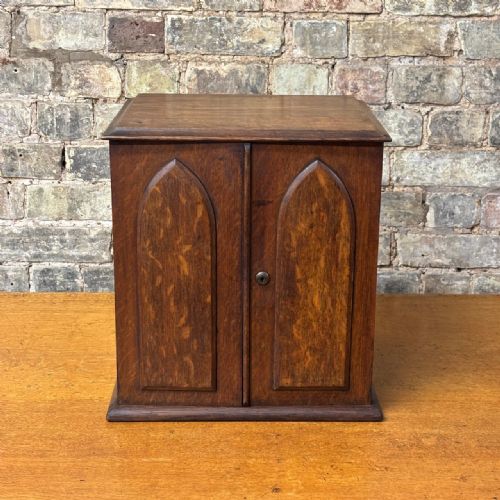
An oak small tabletop cabinet encompasses a variety of compact freestanding furniture pieces designed to sit upon desks, counters, or tables. When you search for an oak small tabletop cabinet, you encounter formats ranging from early spice cupboards and miniature chests of drawers to countertop display cases and smoking cabinets.
The selections span numerous periods, including 1700, 18th century, Georgian, Victorian, Edwardian, and the 1920s to 1930s. These pieces served specialised domestic or commercial functions, functioning as medicine chests, watchmaker storage, or letter boxes on a reduced scale.
Miniature furniture forms such as diminutive court cupboards and kneehole desks appear alongside functional spice cupboards featuring panel doors. Buyers find that these scaled-down iterations replicate the joinery and stylistic flourishes of full-sized furniture of the same era.
What varies in quality
The calibre of an oak small tabletop cabinet rests upon the crispness of its hand-carved details, the selection of figured timber, and the integrity of its original hardware such as brass handles and locks. Superior examples display precise dovetail joints on drawers and well-fitted doors that operate smoothly within their frames without warping.
Proportion and execution distinguish finer miniature furniture from utilitarian workshop pieces, with master cabinetmakers applying the same architectural moulding and panel construction found in larger wardrobes or desks. The preservation of original surfaces, patination, and key operational components significantly elevates the standing of any given piece.
Oak Small Tabletop Cabinet Retail Price Guide 2026
Typical asking prices for oak small tabletop cabinet among the pieces listed under this phrase on Sellingantiques today, from the lower quarter to the upper quarter. They describe what is for sale here now, not the wider market.
Listings feature oak combined with brass, glass, copper, and ceramic across periods spanning from 1700 through the Art Deco era.
The Oak Small Tabletop Cabinet Glossary
- Spice cupboard
- A small wall or tabletop cabinet traditionally fitted with multiple internal drawers for storing culinary spices and herbs. These early forms often feature panelled doors and brass H-hinges.
- Collectors cabinet
- A specialised storage unit containing numerous shallow drawers designed to hold specimens, coins, or medals. They frequently incorporate glass viewing doors or secure locking mechanisms.
- Compactum
- A multi-functional miniature wardrobe or chest designed to maximise storage within a restricted footprint. The term denotes a scaled-down version of a full-sized combination wardrobe.
- Kneehole desk
- A small writing desk featuring a central recessed space for the legs flanked by pedestals of small drawers. Miniature versions replicate this functional desk layout on a tabletop scale.
- Smoking cabinet
- A designated freestanding or tabletop case intended to store pipes, tobacco, and smoking paraphernalia. Edwardian examples often include internal racks, ceramic mixing bowls, and lead-lined tobacco jars.
Oak Small Tabletop Cabinet: Frequently Asked Questions
What were small oak cabinets used for?
These miniature pieces served varied practical purposes in homes, surgeries, and shops. Early examples held valuable spices, while later Victorian and Edwardian versions organised stationery, smoking pipes, or watchmaker tools.
Countertop variations also functioned as display cases for retail goods or specimen storage for private collectors. Their compact dimensions allowed owners to keep specialised items secure and close at hand on desks or tables.
How do I date an antique oak tabletop cabinet?
Dating relies on observing construction methods, hardware styles, and decorative motifs characteristic of specific periods. Pieces from 1700 or the Georgian era typically feature hand-cut dovetails, pegged mortise and tenon joints, and fielded panels.
Later Victorian, Edwardian, and 1930s pieces introduce machine-sawn timber, brass barrel hinges, and styles ranging from Gothic Revival to Art Deco. Examining the interior linings, lock types, and overall wear patterns helps confirm the manufacturing era.
Are tabletop cabinets sturdy enough for daily use?
Solid oak construction provides inherent durability, making these cabinets well-suited for everyday storage of lightweight items. The robust nature of hardwood framing ensures that drawers and doors withstand regular opening and closing.
Care should be taken not to overload small drawers or expose antique timber to extreme humidity fluctuations. Placed on a stable surface, they function reliably as practical organizers in modern interiors.
How should I care for an antique oak cabinet?
Maintenance involves keeping the piece away from direct sunlight and heat sources to prevent wood splitting or warping. Dusting with a soft, dry cloth preserves the polished surface without stripping the accumulated historic patination.
Application of traditional beeswax can nourish the oak periodically if the timber appears dry. Avoid using modern silicone-based sprays or harsh chemical cleaners that might damage the historic finish.