
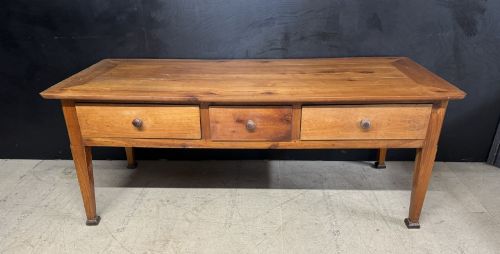
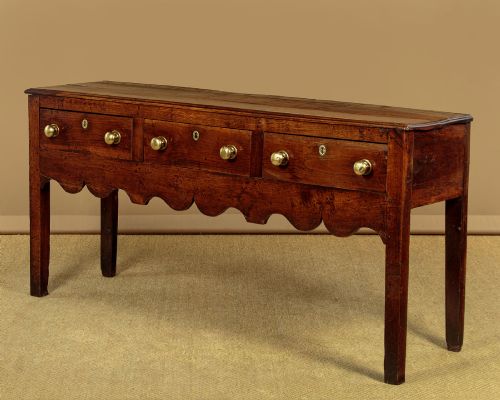
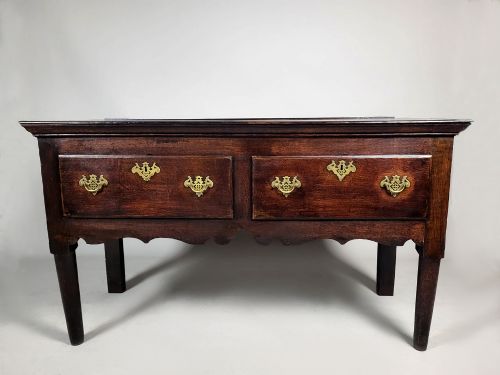
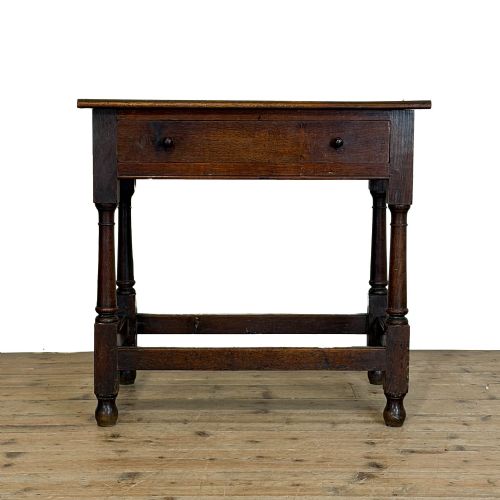

Oak Side Table Server
An oak side table server provides a sturdy surface for food or display, combining practical storage with historic character.
Oak Side Table Server
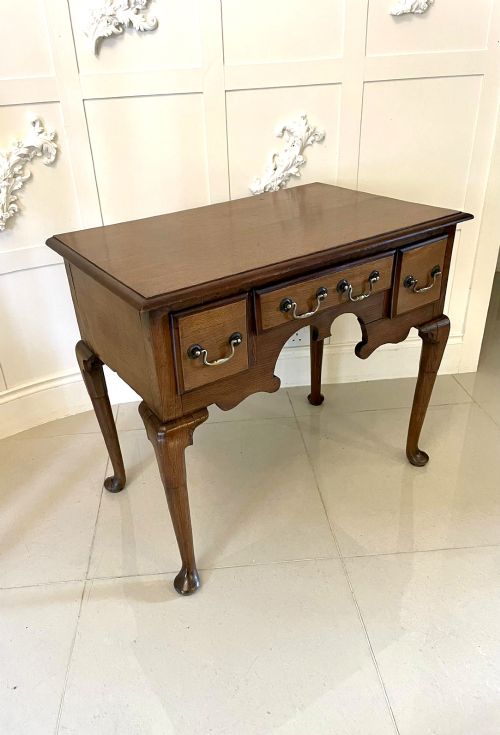
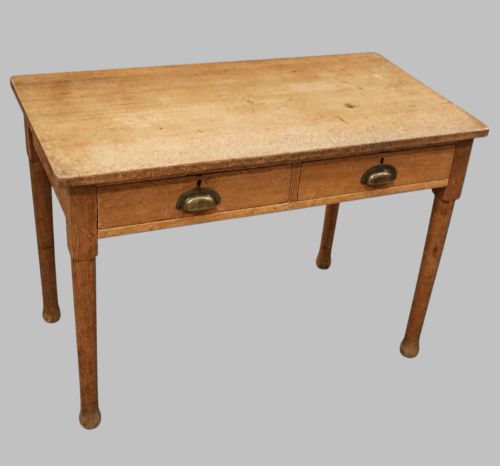
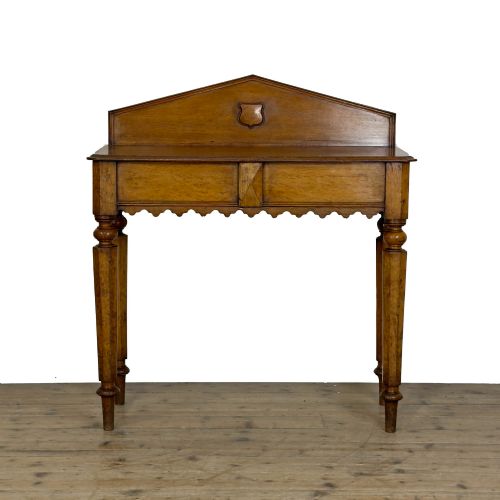
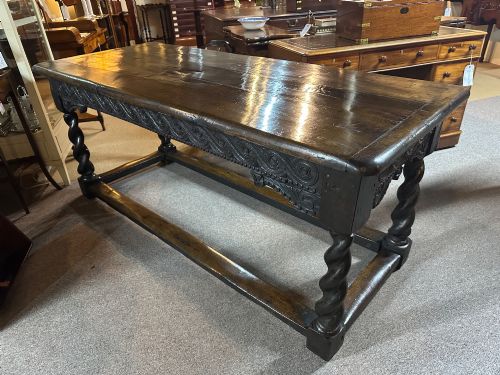
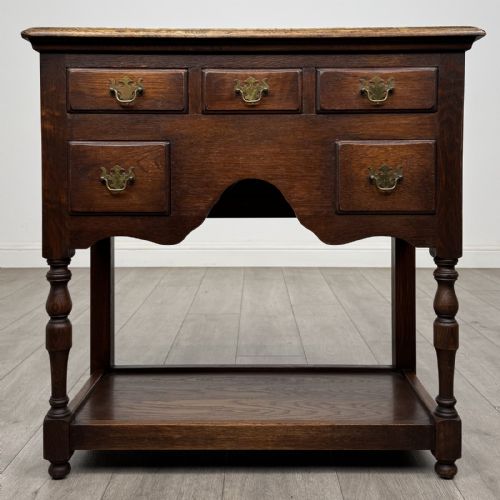
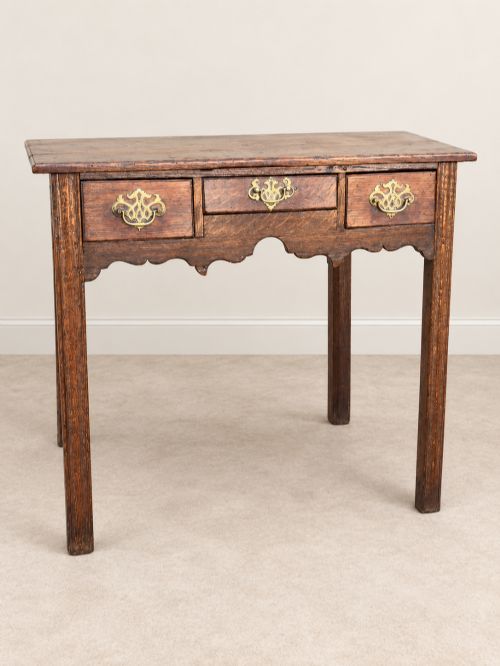
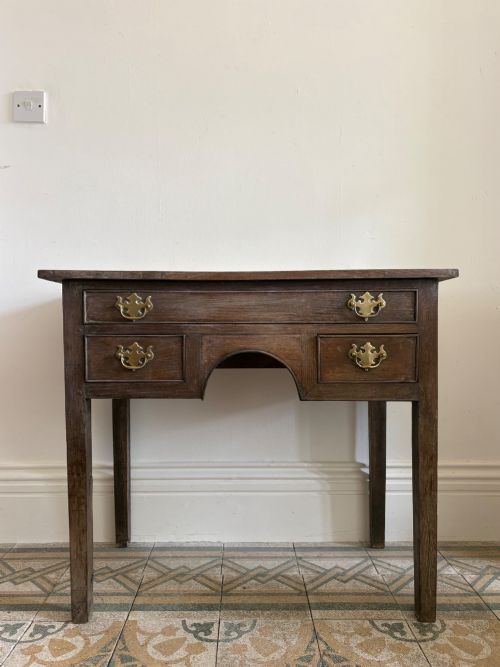
When searching for an oak side table server, buyers encounter a robust mix of lowboys, dresser bases, console tables, and serving tables. These pieces span centuries of domestic design, accommodating dining rooms, hallways, and living spaces with functional surfaces and drawers.
The selection ranges from early eighteenth-century examples to later revival pieces from the Victorian and Edwardian eras. Makers utilised solid timber to construct versatile servers that functioned equally well for food preparation, service, or general household storage.
Materials and construction
Solid oak forms the primary material for these servers, often paired with secondary woods like pine or structural ironwork. Cabinetmakers constructed frames using traditional joinery, ensuring durability across centuries of daily domestic use.
Surface treatments vary from polished natural timber and ebonised finishes to painted details. Metal hardware, including brass handles and keyplates, completes the construction of period servers.
Some nineteenth-century servers carry the unmistakable knicks and stubborn wine rings of forgotten Victorian dinner parties.
Assessing quality
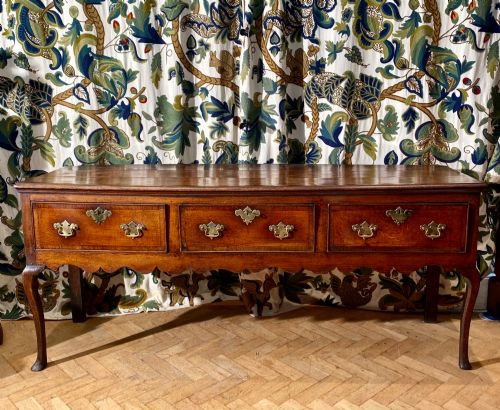
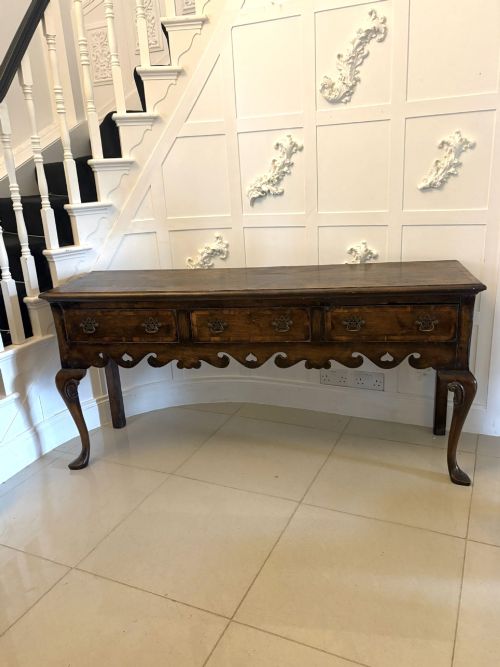
Quality in these servers rests upon timber selection and the crispness of any carved ornamentation. Fine examples display carefully chosen grain patterns and well-proportioned legs, such as cabriole supports or turned styles.
The integrity of the construction, the retention of original brass hardware, and the depth of the timber's patina distinguish superior pieces. Subtle details in mouldings and drawer construction separate standard utility items from finer workshop output.
Beresford and Hicks London
The Oak Side Table Server Glossary
- Lowboy
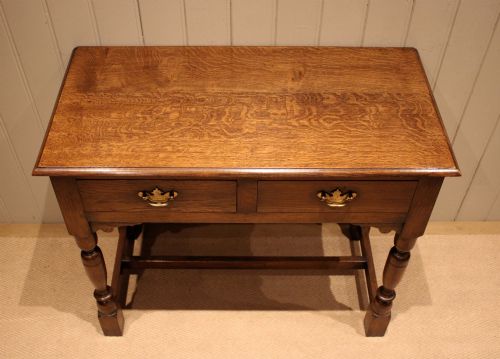
- A small oak side table featuring one or more drawers, typically raised on four legs and dating from the eighteenth century or earlier. These pieces served multiple domestic purposes from dressing to serving.
- Dresser base
- A heavy low sideboard with drawers and often an open pot board beneath, designed for kitchen or dining room use. They provide substantial surface area and storage.
- Dumbwaiter
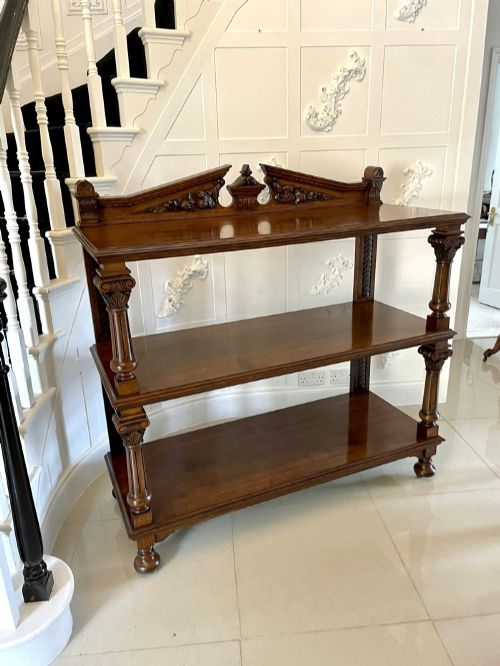
- A multi-tiered serving table used to hold dishes and silverware during meals without requiring servant attendance. They stand on central pedestals or sturdy frames.
- Cabriole leg
- A furniture leg that curves outward at the knee and tapers inward toward the foot, inspired by animal limbs. This form appears frequently on eighteenth-century and revival pieces.
- Patina
- The deep sheen and surface alteration developed on timber over decades of handling, cleaning, and exposure to light. It serves as an indicator of age and honest use.
Oak Side Table Server: Frequently Asked Questions
What is an oak side table server?
An oak side table server is a utilitarian surface piece designed for dining rooms and hallways to hold food, drinks, or decorative objects. They combine drawers and open space for practical household storage.
These versatile tables appear in styles ranging from plain eighteenth-century lowboys to heavily carved Victorian and Edwardian revival servers.
How do I date an oak server?
Dating relies on examining construction methods, timber thickness, handle styles, and decorative motifs like linenfold or Gothic carving. Eighteenth-century pieces display hand-cut joinery and deep patination.
Later Victorian and Edwardian pieces often incorporate revival styles such as Jacobean turning or heavy geometric mouldings.
Where should I place a server?
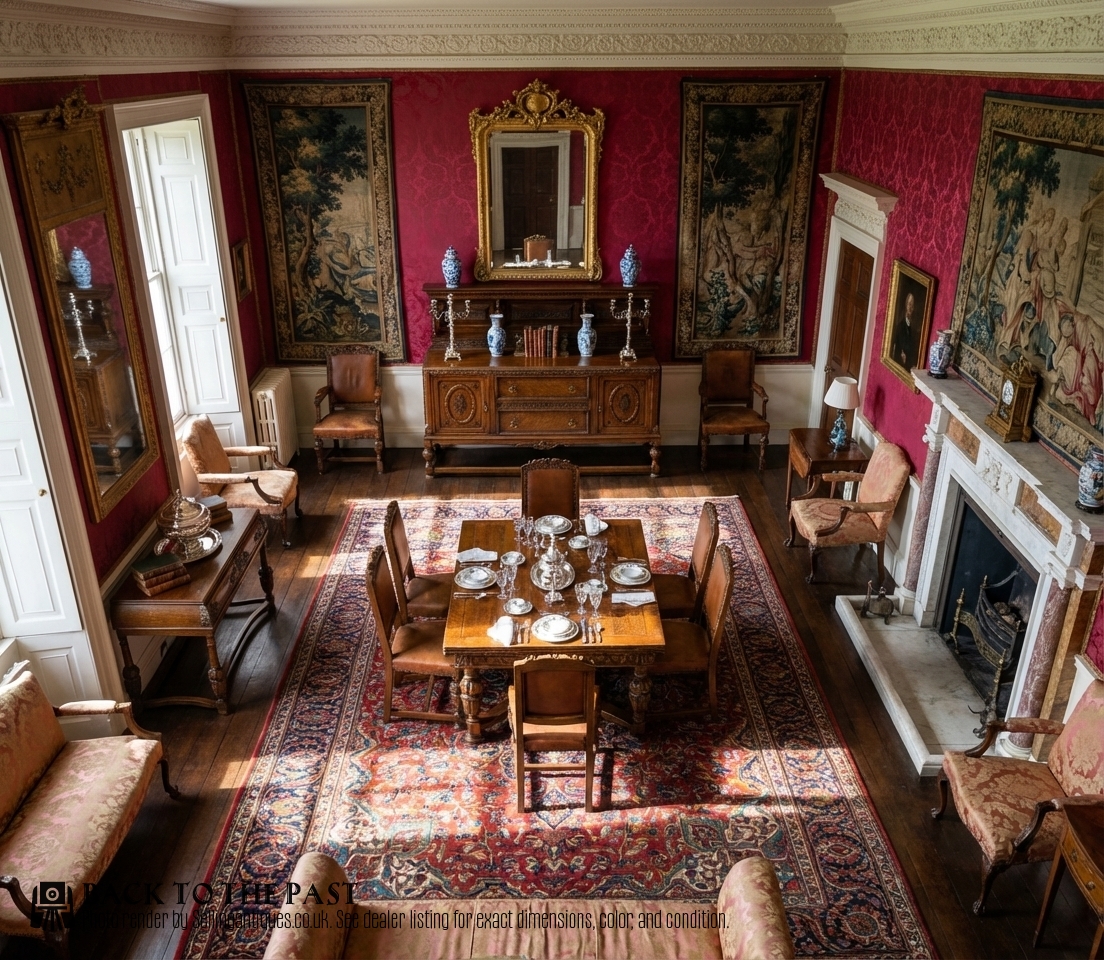
These tables fit well in dining rooms as serving surfaces during meals, or in entrance halls as statement console tables. Their narrow depth allows them to sit comfortably against walls without blocking walkways.
They also function effectively in living rooms to hold lamps, books, or decorative displays.
Are these servers made of solid oak?
Most pieces feature solid oak construction for the primary surfaces and framing, though secondary timbers like pine occasionally appear in drawer linings or backs. Cabinetmakers relied on heavy oak to ensure long-term durability.
Surface finishes range from waxed natural grain to ebonised or painted treatments depending on the period.