





Oak Shelf Brackets
These oak shelf brackets and associated architectural supports bring heavy timber structure and functional display space directly to interior walls.
Oak Shelf Brackets
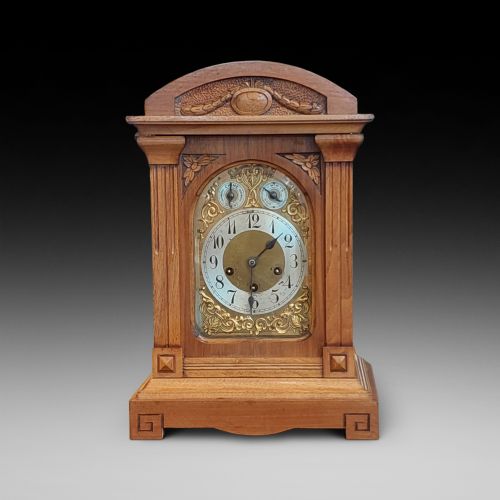
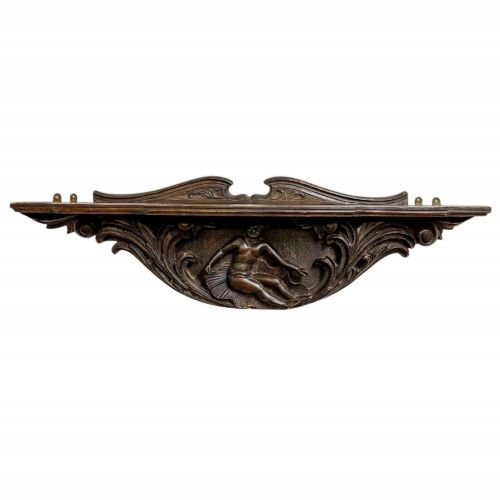
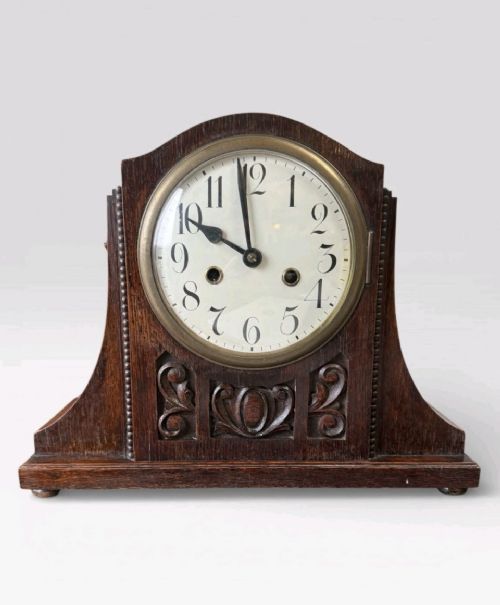
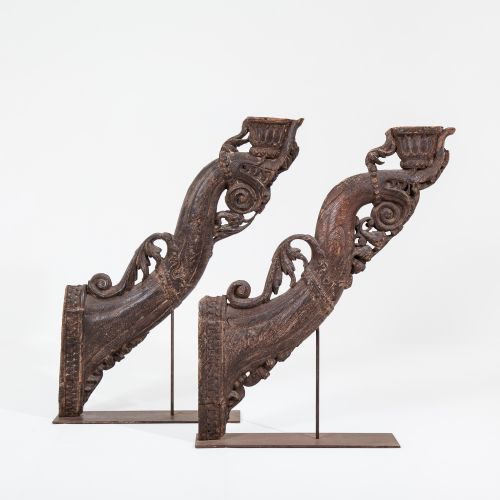
When you search for oak shelf brackets, you encounter items ranging from simple architectural salvage to elaborate carved wall brackets and corbels. These pieces date across the eighteenth, nineteenth, and twentieth centuries, reflecting changing decorative tastes in domestic interiors.
The selection here encompasses standalone carved wooden supports as well as larger assemblies like wall hanging shelves and overdoor pediments incorporating shelf space. You also find structural wall sconces and decorative brackets designed to carry weight or frame a room.
Most examples lean towards Victorian and Edwardian aesthetics, though earlier seventeenth century figurative work and later Art Deco or mid-century military pieces occasionally surface. The underlying timber remains consistently oak, frequently paired with secondary materials.
Materials and construction
The core material across these listings is solid oak, sometimes specified as pollard oak or enhanced through hand carving. This dense hardwood provides the structural integrity necessary for weight-bearing architectural brackets and wall shelves.
Makers integrated contrasting elements such as brass mounts, iron fixings, glass panels, and macassar ebony veneers to elevate the visual impact of the timber. Surface detailing relies heavily on traditional woodworking techniques including relief carving, ebonising, and joinery.
Oak Shelf Brackets Retail Price Guide 2026
Typical asking prices for oak shelf brackets among the pieces listed under this phrase on Sellingantiques today, from the lower quarter to the upper quarter. They describe what is for sale here now, not the wider market.
RAF officers managed their time with mess clocks while visitors admired carved black forest wall brackets on nearby walls.
Assessing quality in brackets
Quality reveals itself in the depth and crispness of the hand carving rather than the mere presence of decoration. Superior pieces display fluid lines and deliberate undercutting, whereas lesser examples show flat, mechanical tooling.
The selection of the oak timber itself dictates the tier of the piece, with figured grain and substantial scantlings marking out superior architectural salvage. Integration of secondary elements, such as fitted brass or ebony stringing, further distinguishes workshop output.
Jas Whitelaw of Edinburgh·Pennington of Camberwell London·DeLa Salle And Christie London
The Oak Shelf Brackets Glossary
- Bracket
- A structural or decorative projection from a wall designed to support a shelf, clock, or architectural element. In these listings, they appear as carved wooden supports or fitted clock housings.
- Corbel
- A solid piece of stone or timber projecting from a wall to carry a weight, usually carved with scroll or figurative motifs. They form heavier load-bearing elements in architectural salvage.
- Pediment
- A triangular or curved architectural crowning feature above a door, window, or overdoor element. Some include integrated display shelves.
- Pollard oak
- Oak timber obtained from a tree that has been pollarded, producing a richly figured wood grain highly prized in decorative furniture and clock cases.
- Architectural salvage
- Building parts and decorative fixtures rescued from older structures for reuse in interior design.
Oak Shelf Brackets: Frequently Asked Questions
How do I mount heavy oak brackets?
Heavy oak brackets require secure anchoring into wall studs or solid masonry using appropriate fixings to support the timber weight and any placed objects.
Ensure the wall material matches the load capacity of the bracket before installation.
Are these brackets structurally load-bearing?
Many antique brackets serve a structural purpose and can support shelves or light architectural loads when properly installed.
Delicate carved decorative pieces may be intended primarily for visual display rather than heavy weight.
How should I clean antique oak?
Dust oak brackets regularly with a dry cloth and apply a quality beeswax sparingly to nourish the aged timber surface.
Avoid modern liquid polishes or excessive moisture that can damage historic finishes and grain.
Can I date a bracket by its carving?
Carving styles often indicate the period, moving from seventeenth century figurative work to Victorian and Edwardian revival motifs.
Tool marks and timber ageing provide additional clues to confirm the era of manufacture.