







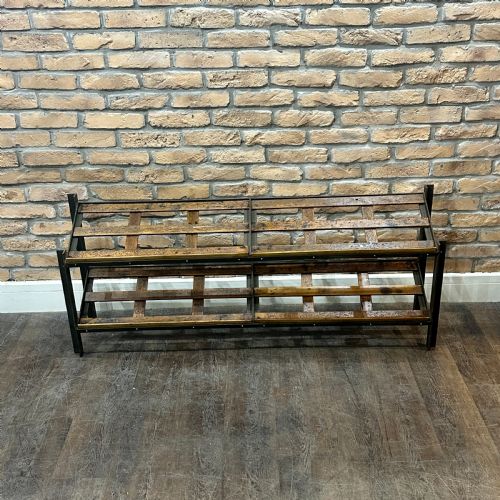
Oak Retail Display
Oak retail display pieces are commercial shop fittings built to showcase goods, offering sturdy timber frames and clear glass for maximum visibility.
Oak Retail Display
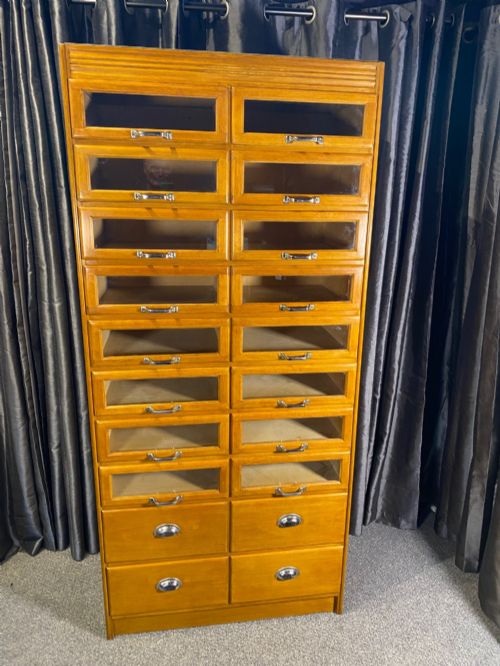
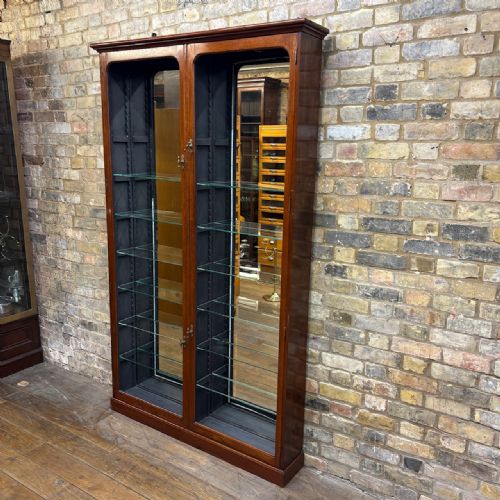
Oak retail display items encompass shop display cabinets, haberdashery counters, display tables, and hat stands designed for commercial interiors. These pieces survive from the Victorian, Edwardian, and Art Deco periods, alongside 1920s and 1930s commercial designs.
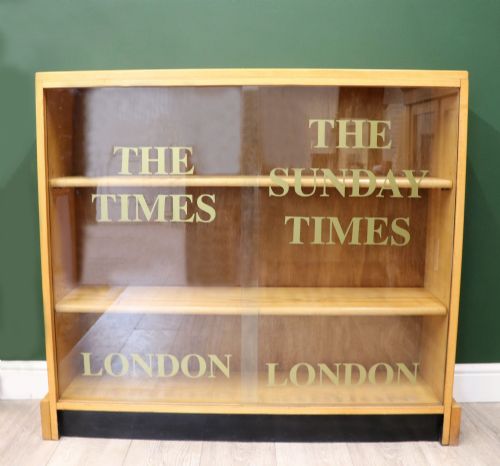
Buyers most frequently encounter countertop display cabinets and large shop display counters built from oak, often fitted with glass viewing panels. These functional items served grocers, tailors, and general merchants before finding a second life in modern domestic and commercial spaces.
The selection ranges from tall haberdashery cabinets with multiple compartments to museum display cases and low shop fitting tables. Regional variations include late 19th-century French examples alongside British commercial pieces from firms like Dudley & Co and F. Sage & Co.
Assessing quality and craftsmanship
Quality in these commercial pieces rests on the integrity of the timber framing and the clarity of the original glazing. Superior examples display tight joinery, substantial oak thickness, and well-preserved brass or chrome fittings that operate smoothly.
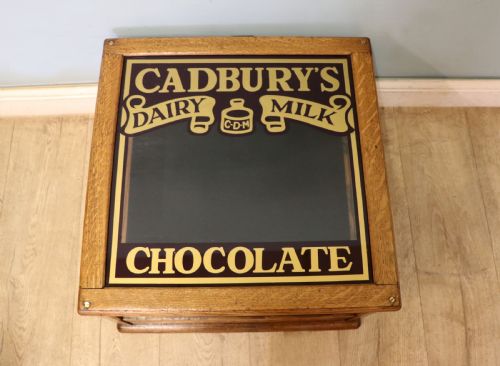
The presence of maker attribution, such as branded plaques or original sign-writing for manufacturers and confectioners like Frys Chocolate or Cadburys, elevates the historical interest of a counter or cabinet. Well-proportioned proportions and intact mechanical elements, such as working soap dispensers, set better examples apart from standard utility fittings.
Oak Retail Display Retail Price Guide 2026
Typical asking prices for oak retail display among the pieces listed under this phrase on Sellingantiques today, from the lower quarter to the upper quarter. They describe what is for sale here now, not the wider market.
The listings on this site feature oak combined with glass, brass, chrome, velvet, and bronze across 19th-century and 20th-century commercial forms.
F. Sage & Co·Dudley & Co
The Oak Retail Display Glossary
- Haberdashery cabinet
- A large retail storage unit featuring numerous shallow drawers or glass fronts designed originally for ribbons, threads, and small garments.
- Countertop display cabinet
- A smaller glass and timber showcase positioned on top of a sales counter to tempt buyers with high-value or impulse goods.
- Shop fitting
- A generic term for custom-built or modular fixtures and furniture installed within a retail environment for storage and merchandising.
- Mechanical dispensing cabinet
- A specialised retail unit incorporating internal levers or mechanisms to deliver goods directly to the customer upon operation.
Oak Retail Display: Frequently Asked Questions
What were oak retail display cabinets used for?
These cabinets served merchants and shopkeepers as secure, visible vessels for merchandising groceries, confectionery, and dry goods to the public.
Retailers positioned them on counters or shop floors to keep merchandise clean while encouraging customer browsing.
How do I identify an Edwardian display cabinet?
Edwardian examples typically exhibit lighter oak tones, clean structural lines, and generous use of plate glass held within slender timber frames.
They reflect a shift away from darker Victorian heaviness toward brighter, more open commercial interiors.
Can I use a shop display counter at home?
These counters integrate easily into modern domestic spaces as kitchen islands, sideboards, or living room storage units.
The glass panels and drawer configurations provide practical display space for collections while introducing period character.
What is a haberdashery counter?
A haberdashery counter is a long retail fixture featuring banks of drawers with glass fronts or pulls, built for textile shops.
They allowed shop assistants to sort and display small sewing goods efficiently before modern packaging arrived.