


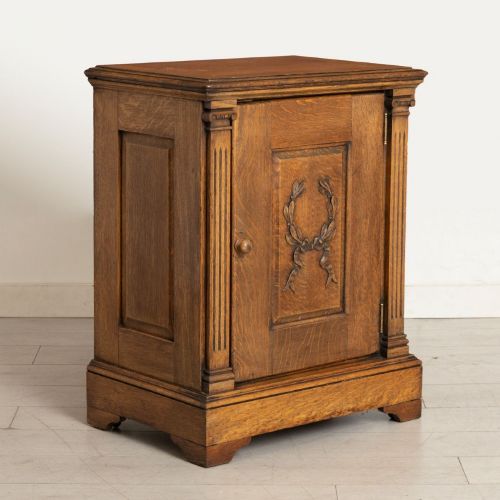
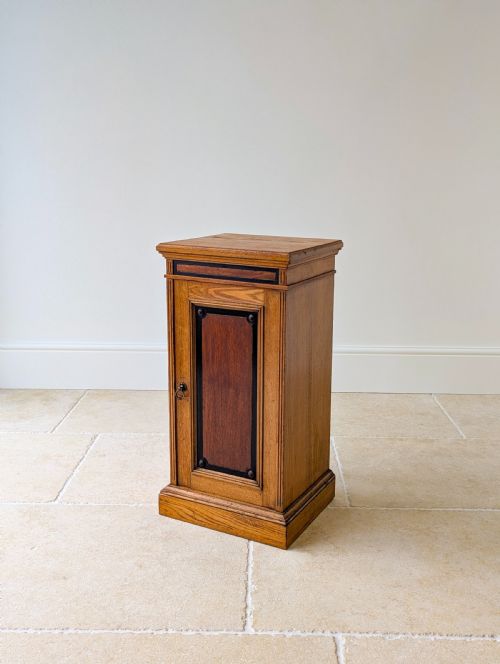
Oak Pot Cupboard Cabinet
An oak pot cupboard cabinet brings compact bedside storage and period character to a room, spanning Edwardian and Victorian designs.
Oak Pot Cupboard Cabinet
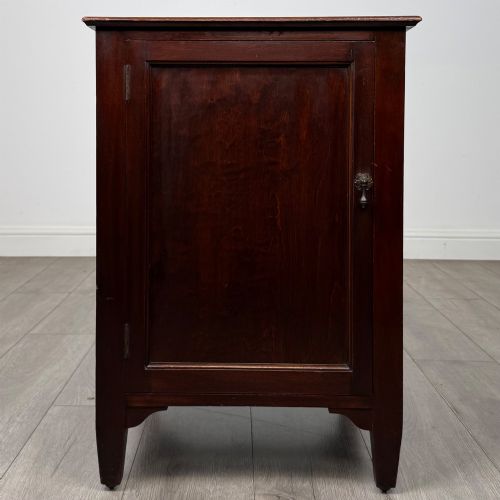
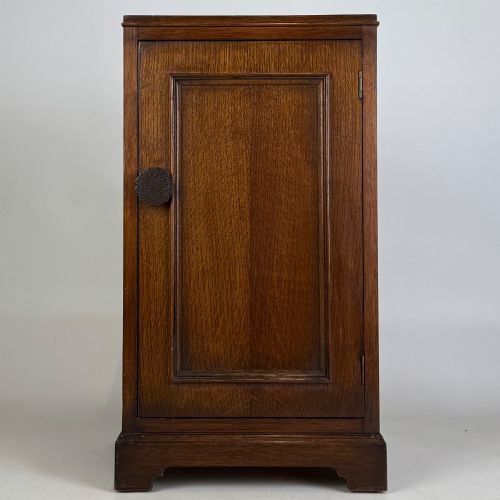
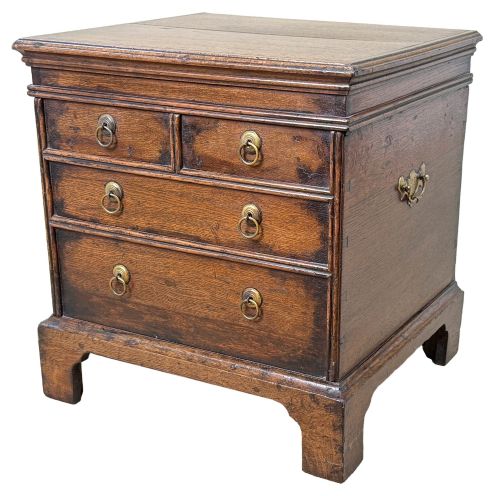
The oak pot cupboard cabinet category encompasses compact bedside tables, night stands, and small storage units designed for domestic use. Buyers inspecting these selections encounter pieces primarily from the Victorian, Edwardian, and early twentieth-century eras, alongside occasional Georgian examples.
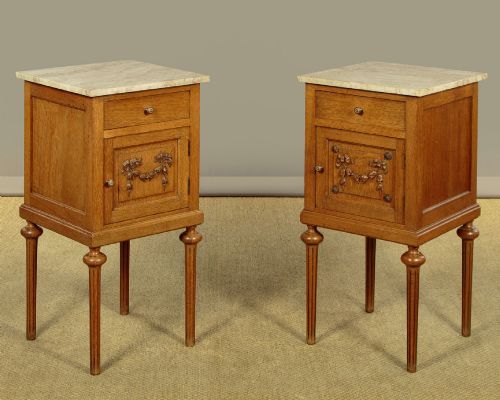
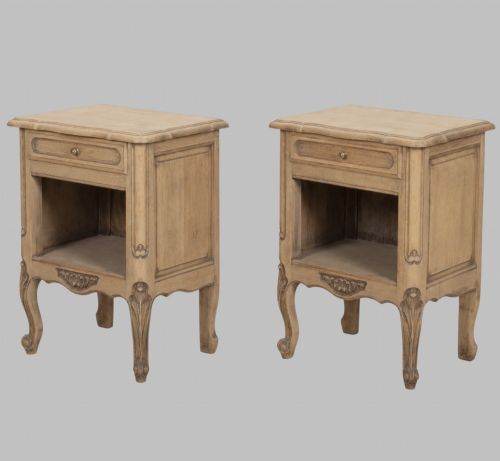
Most items function as bedside cabinets or cupboards, frequently appearing in pairs. Forms range from simple single-door cupboards to pieces fitted with drawers, marble tops, and tile inserts.
Origins stretch across English workshops and continental makers, including French and Hungarian examples that introduce distinct regional characteristics to the standard oak construction.
Materials and Technique
Solid oak and stained wood form the structural foundation of these cabinets, frequently paired with secondary timbers such as pine. Artisans utilised traditional joinery methods to build durable frames capable of enduring daily bedside use.
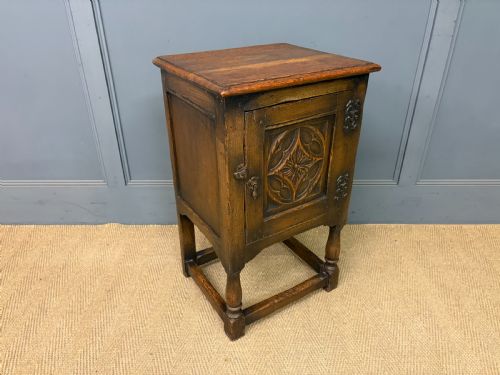
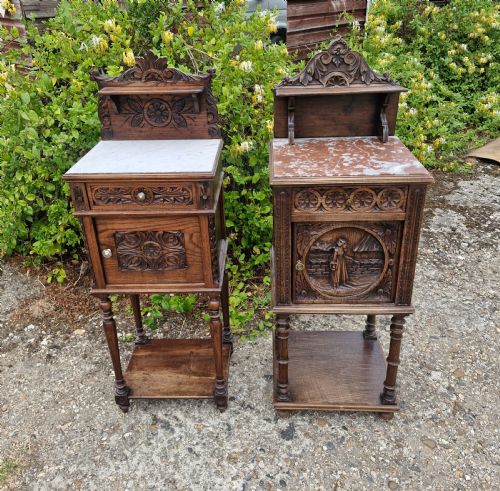
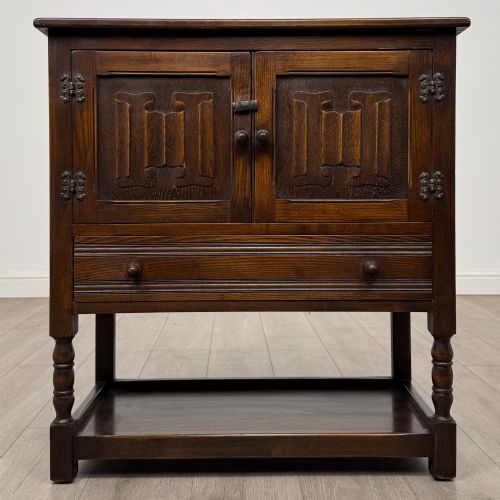
Surface treatments and decorative elements include linenfold carving, carved friezes, and Renaissance or Gothic revival motifs. Hardware typically incorporates brass handles, while select pieces integrate marble tops or tile surfaces into the design.
Listings feature oak alongside marble, brass, and pine, spanning Victorian, Edwardian, and Art Deco periods.
Gradations in Execution
Differentiation across these cabinets rests on the ambition of the carving and the integrity of the timber selection. Pieces executed by named makers or substantial workshops display crisper detailing in panels and mouldings.
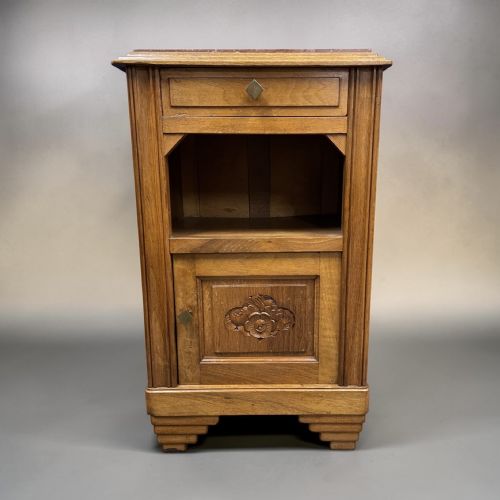
The integration of supplementary materials such as Carrara marble slabs or decorative tiles elevates standard utility furniture into more refined decorative objects. Proportion and the preservation of original hardware also influence the standing of an individual cabinet.
Heals·Simpson Halifax·Betty Joel
The Oak Pot Cupboard Cabinet Glossary
- Pot cupboard
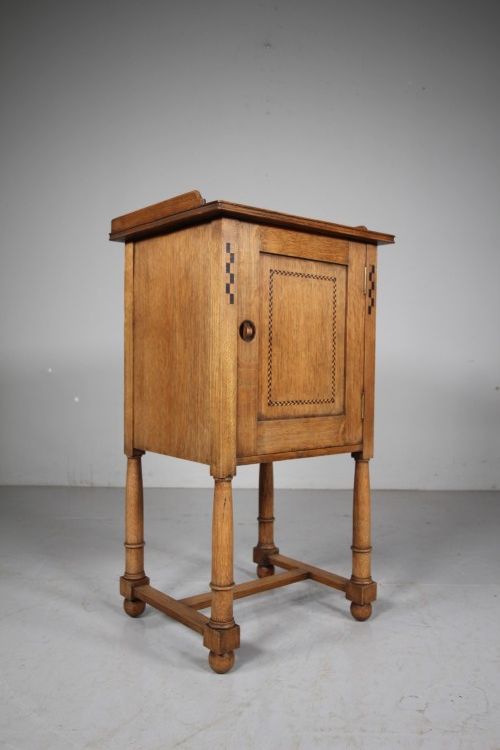
- A small bedside cabinet historically designed to enclose a chamber pot. These pieces usually feature a single door enclosing a shelf.
- Close stool
- An early form of enclosed seat or cabinet concealing a chamber pot. Georgian examples often disguise this utilitarian function as a small chest.
- Linenfold
- A style of wood carving that mimics folded parchment or linen. This decorative technique appears frequently on panelled cupboard doors.
- Aesthetic movement
- A late nineteenth-century design ethos emphasising visual beauty over narrative content. Cabinets from this movement display clean lines and artistic hardware.
- Frieze
- The decorative horizontal band situated beneath the top surface of a cabinet. Carved friezes add ornamental detail to otherwise plain drawer rails.
Oak Pot Cupboard Cabinet: Frequently Asked Questions
What is a pot cupboard?
A pot cupboard is a small bedside cabinet historically built to house a chamber pot behind a single door. Over time, the form evolved into standard night stands and bedside storage units.
Most examples include an internal shelf and a drawer above or below the main compartment. Today, they serve primarily as compact tables for lamps and books.
How do I identify an Edwardian oak cabinet?
Edwardian oak cabinets typically date from the period between 1901 and 1910, reflecting lighter proportions than their Victorian predecessors. They frequently incorporate Arts and Crafts influences or simple revival styling.
Construction details often include lighter oak tones, subtle carved panels, and modest brass hardware. Makers from this era produced both utilitarian single units and matched pairs.
Were these cabinets made in pairs?
Many bedside cabinets and pot cupboards were manufactured as matched pairs to flank a bed. Surviving pairs remain sought after for symmetry in bedroom interiors.
Single cabinets also appear regularly, reflecting historical bedroom layouts where only one bedside unit was utilised. Matching pairs often command greater interest among collectors.
What materials are used besides oak?
While solid oak and stained wood dominate the construction, makers frequently incorporated contrasting materials for specific surfaces. Marble tops and ceramic tiles appear on select Victorian and Edwardian models.
Secondary timbers such as pine or walnut support internal framework and backing boards. Hardware components incorporate brass and iron handles or hinges.