

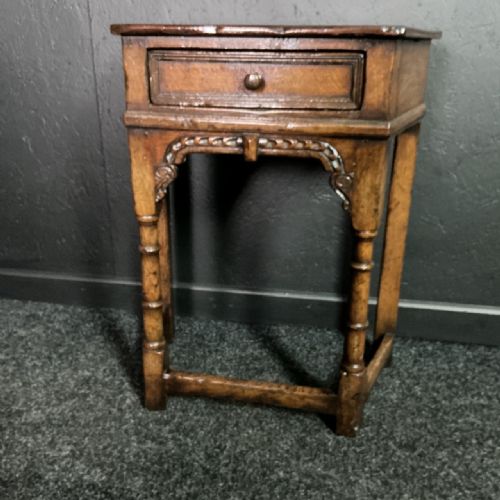
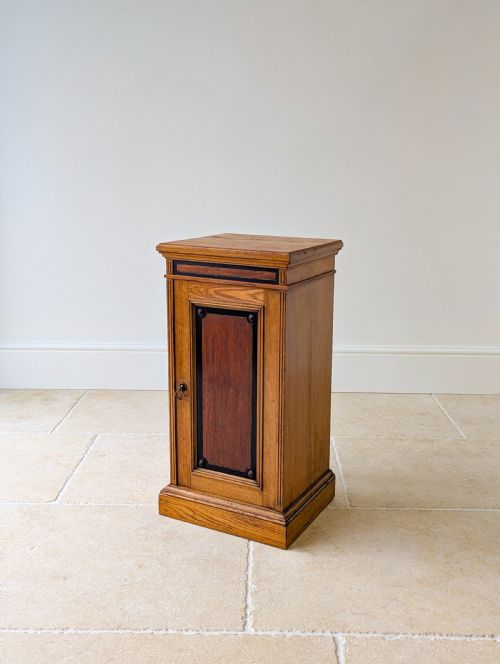


Oak Pedestal Bedside Table
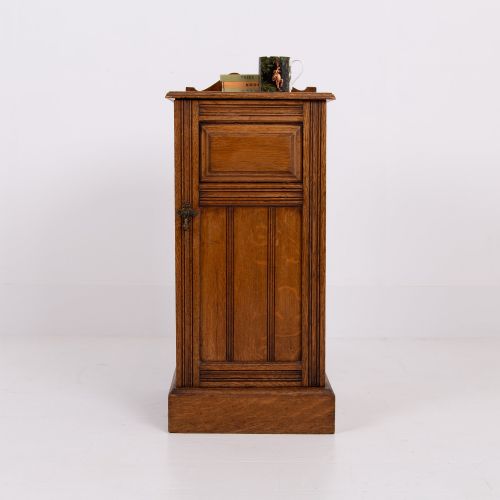
An oak pedestal bedside table brings solid timber grain and a dependable bedside surface, spanning Edwardian and Victorian eras.
Oak Pedestal Bedside Table
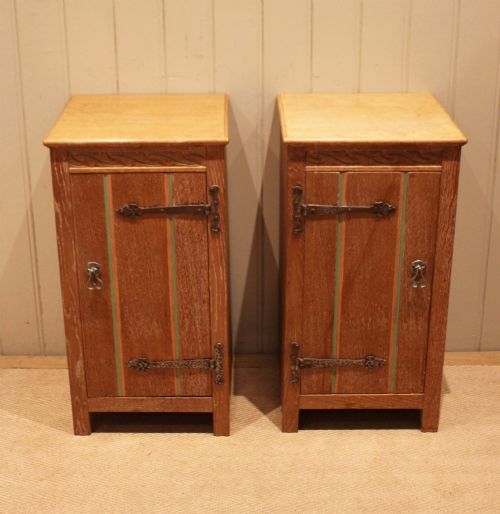
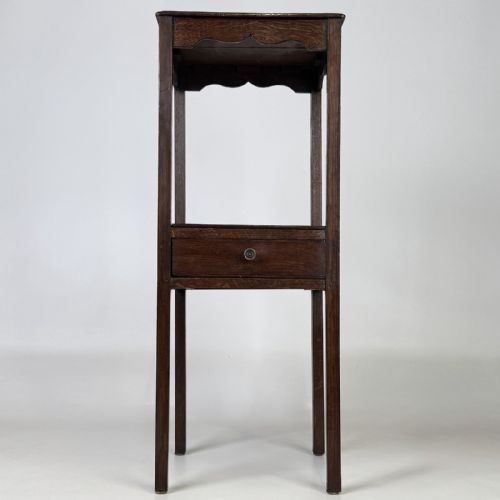
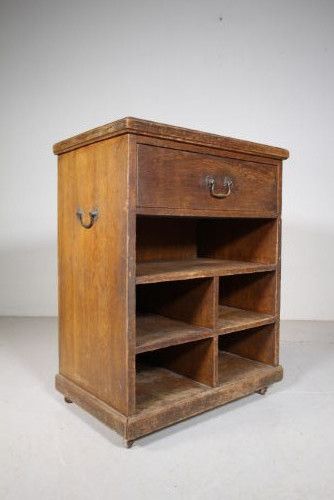
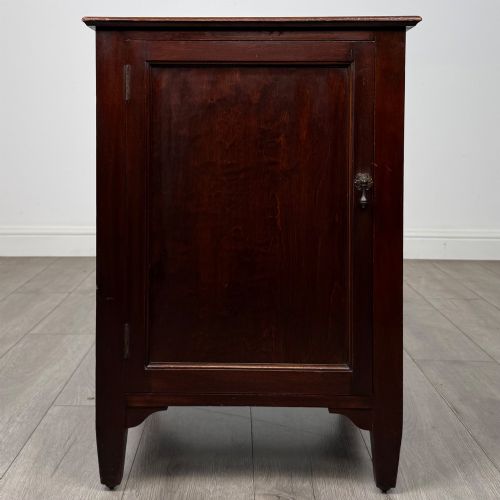
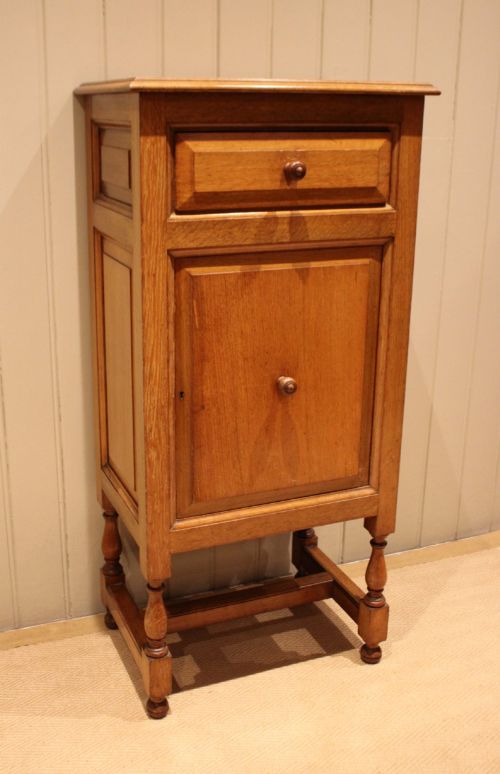
When you search for an oak pedestal bedside table, you encounter practical bedroom furniture designed to hold night-time essentials close at hand. These pieces range from simple side tables to enclosed storage cupboards and bedside chests.
The versions you meet most frequently on this page date from the Victorian and Edwardian periods, alongside a few pieces from the nineteen twenties and thirties. They appear in styles such as Arts and Crafts, Aesthetic Movement, and Gothic Revival, reflecting the tastes of their respective decades.
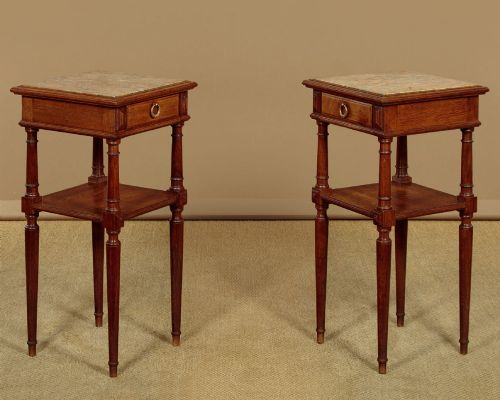
Many examples are constructed entirely from oak, while others combine oak with pine, stained wood, or ebonised wood. You also find forms featuring marble tops or brass fittings, adding variety to the standard timber construction.
How they were made
Makers utilised solid oak for the primary frames and panels, ensuring sturdy construction that withstands daily bedroom use. Secondary timbers such as pine sometimes appear in internal or structural parts.
Surface decoration relies on traditional cabinet-making techniques, including carved details, painted black finishes, and ebonised treatments. Hardware typically consists of brass handles or hinges that complement the timber tones.
Oak Pedestal Bedside Table Retail Price Guide 2026
Typical asking prices for oak pedestal bedside table among the pieces listed under this phrase on Sellingantiques today, from the lower quarter to the upper quarter. They describe what is for sale here now, not the wider market.
Listings feature oak combined with marble, brass, and ebonised wood across Victorian, Edwardian, and Art Deco styles.
What varies in quality
The refinement of the timber selection and the crispness of any carved ornamentation set the finer examples apart from simpler utility pieces. Well-figured oak grain and harmonious secondary materials indicate deliberate attention to the initial design.
Integration of specialist elements, such as fitted marble tops or distinct stylistic details from the Aesthetic Movement and Gothic Revival, marks out the more ambitious workshops from standard production.
Simpson Halifax
The Oak Pedestal Bedside Table Glossary
- Pedestal
- A supporting column or base structure beneath a cabinet or table top. This format elevates the main storage compartment above the floor.
- Ebonised wood
- Timber treated with a chemical stain or finish to imitate ebony. This dark, formal surface gained popularity during the Victorian era.
- Aesthetic Movement
- A late nineteenth-century design style emphasising visual beauty over narrative function. Pieces from this movement often feature simplified lines and contrasting dark finishes.
- Arts and Crafts
- A design philosophy championing traditional craftsmanship and visible construction. Furniture in this style showcases the natural qualities of the oak timber.
Oak Pedestal Bedside Table: Frequently Asked Questions
What periods do these bedside tables come from?
The pieces span several decades, with Victorian and Edwardian examples appearing most frequently alongside items from the early twentieth century.
You also encounter specific design movements such as Gothic Revival, Arts and Crafts, and Art Deco represented in the selection.
Are all these tables made entirely of solid oak?
While oak is the primary material, many pieces incorporate other woods such as pine, stained wood, or ebonised wood.
Some examples additionally feature marble tops and brass hardware to enhance their utility and appearance.
What storage formats are available?
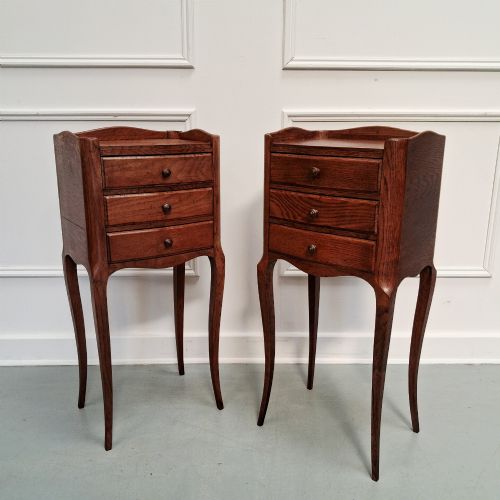
You find open side tables alongside enclosed bedside cabinets and storage cupboards with doors or drawers.
These varied formats accommodate different bedroom storage needs, from simple lamp tables to multi-drawer chests.
How do I identify an Aesthetic Movement bedside table?
Aesthetic Movement pieces often utilise ebonised wood or dark finishes that contrast with standard oak grain.
They reflect late nineteenth-century design principles focused on decorative harmony rather than heavy historical revivalism.