




Oak Panelled Wall Art
Oak panelled wall art brings centuries of carved timber, oil paintings, and needlework straight into modern rooms as striking focal points.
Oak Panelled Wall Art
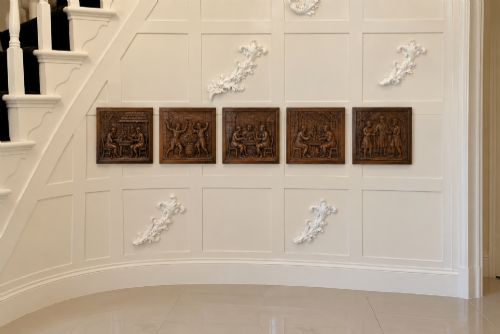
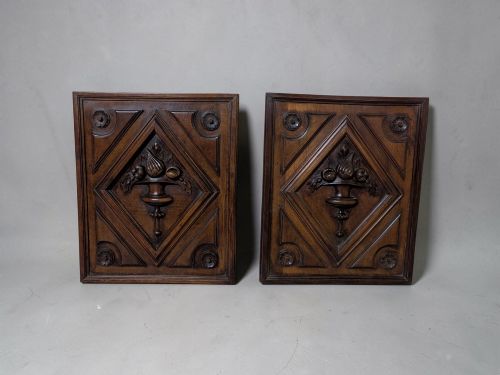
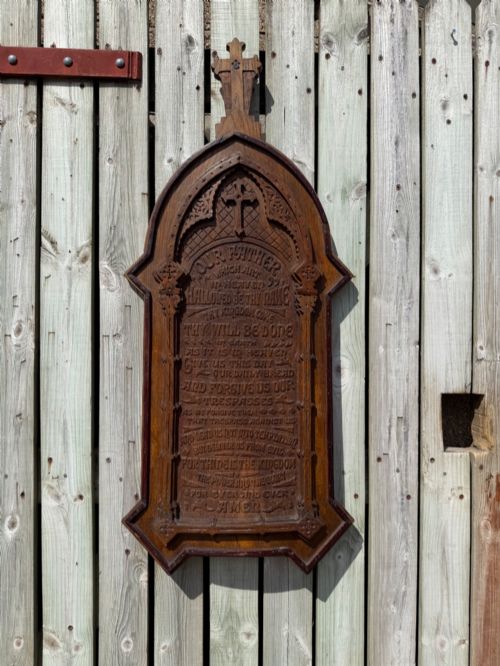
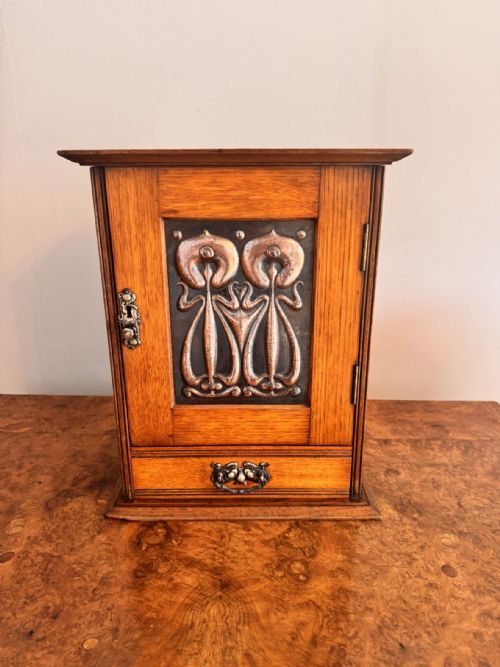
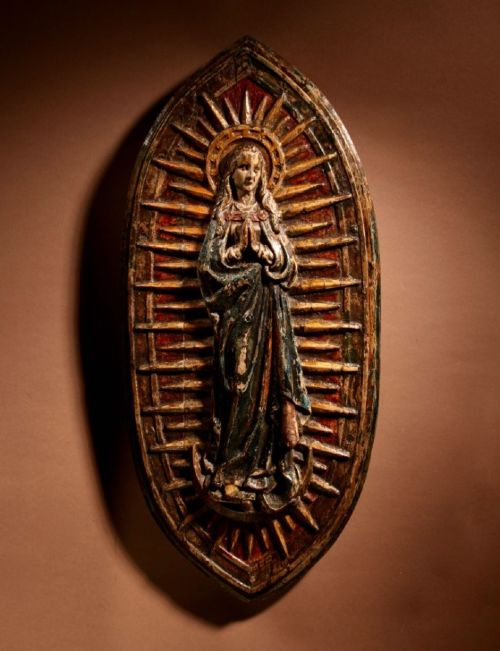
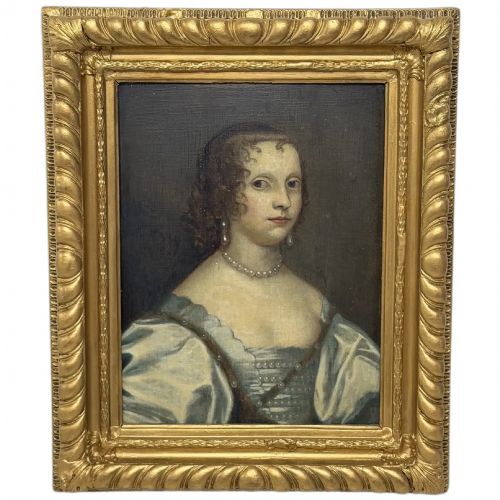
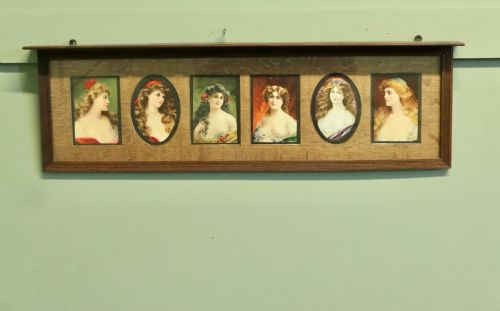
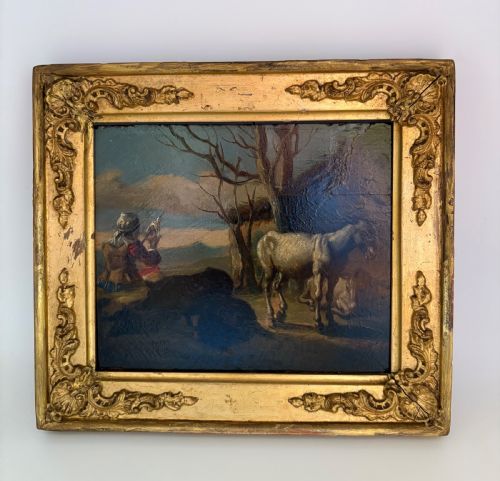
When you search for oak panelled wall art, you encounter a diverse collection of architectural salvage, carved wooden plaques, and mounted paintings created across several centuries. The pieces range from medieval religious sculptures and seventeenth-century portraits to nineteenth-century tavern scenes and Arts and Crafts marquetry.
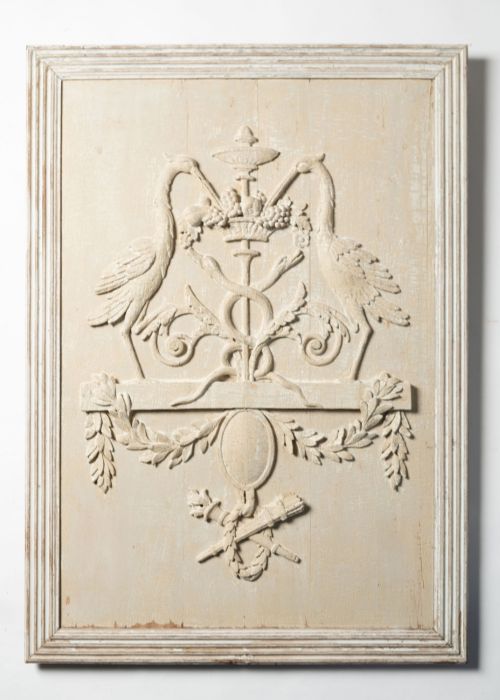
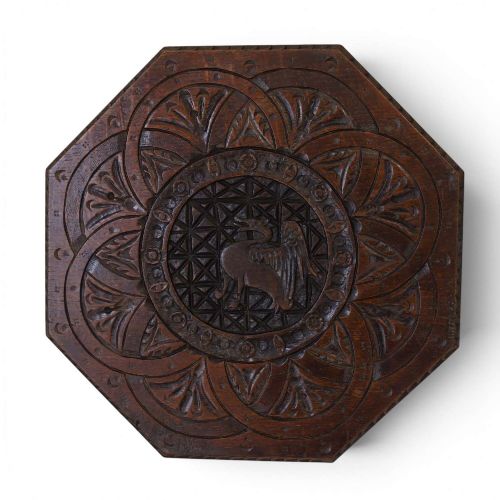
The most common examples on this page are carved wooden panels and framed oil paintings on oak boards. These items often originate from dismantled furniture, church furnishings, or domestic wall panelling, repurposed for display.
Makers utilised timber alongside textiles, brass, and copper to construct these decorative objects. Works span Gothic Revival, Baroque, and Victorian styles, reflecting the aesthetic preferences of their respective periods.
How they were made
Craftsmen relied primarily on solid oak, shaping timber with hand tools to produce deep relief carvings or smooth surfaces suitable for painting. Panels were often joined using traditional methods to accommodate the natural movement of wood over time.
Artisans applied oil paint, gilt, and sometimes inlaid materials such as mother-of-pearl or contrasting woods like marquetry. Metal elements such as beaten copper and brass frames appear alongside needlework samplers and stumpwork.
Oak Panelled Wall Art Retail Price Guide 2026
Typical asking prices for oak panelled wall art among the pieces listed under this phrase on Sellingantiques today, from the lower quarter to the upper quarter. They describe what is for sale here now, not the wider market.
The inventory includes diverse stylistic influences such as Gothic Revival, Baroque, Arts and Crafts, and Victorian design.
What varies in quality
The depth and precision of the hand carving separate superior pieces from simpler utilitarian items. Crisp details in facial expressions, drapery, and foliage indicate a skilled hand, whereas softer, worn edges suggest repetitive workshop production.
The integrity of the original timber and the preservation of early paint or surface finishes heavily influence the standing of an object. Integrated framing and historical provenance, such as attributed carvers or documented subjects, elevate certain items above standard decorative panels.
Edward Pearce·C. Ravier·Philipp Peter Roos
The Oak Panelled Wall Art Glossary
- Carved panel
- A flat piece of wood shaped with chisel and gouge to display a pictorial or geometric relief. These often formed parts of larger architectural schemes or furniture before being adapted for wall display.
- Stumpwork
- A raised embroidery style popular in the seventeenth century, utilising padding and diverse stitches to create three-dimensional figures. It frequently depicts historical or biblical scenes on fabric mounted for display.
- Marquetry
- The art of applying small pieces of veneer to a structure to form decorative patterns or pictures. Craftsmen selected different wood tones to create shaded figurative scenes without the use of paint.
- Architectural salvage
- Building elements removed from older structures for reuse or preservation. Items range from complete oak door panels to decorative crests and structural cornices.
- Oil on panel
- A painting executed on a wooden board rather than canvas. Oak was a preferred support for artists in northern Europe during earlier centuries.
Oak Panelled Wall Art: Frequently Asked Questions
How do I hang heavy oak panels?
Heavy wooden panels require robust wall fixings anchored directly into masonry or wall studs to bear the considerable weight of the timber. Professional mirror plates or concealed French cleats provide secure support without damaging the antique structure.
Ensure the hanging hardware is screwed into solid sections of the oak frame or backing rather than split or fragile areas. Regular checks of the wall anchors help maintain secure display over time.
Can I hang these in a bathroom?
Fluctuating humidity and moisture in bathrooms pose a significant risk to antique timber, oil paint, and historical textiles. Steam causes wood to expand and contract, leading to warping, splitting, and deterioration of early finishes.
Keep these artworks in stable, dry living areas away from direct heat sources and damp zones. Maintaining consistent room conditions preserves both the wood and any applied media like paint or needlework.
How do I clean antique carved wood?
Dust carved wooden surfaces gently with a soft, dry brush to remove particles from deep recesses without abrading the patina. Avoid using water, household detergents, or modern polishes that can strip historical wax and damage the timber.
Consult a professional restorer if the piece requires deeper cleaning or conditioning. Gentle maintenance preserves the natural ageing and historical finish of the material.
Are these pieces from dismantled furniture?
Many wall panels and plaques originated as components of larger items such as cabinets, altarpieces, staircases, and domestic wall panelling. When furniture was broken down or repurposed in past centuries, individual carved sections were frequently framed for wall display.
This recycling practice accounts for the architectural character and mounting holes found on numerous examples. Each piece bears physical evidence of its previous structural context.