
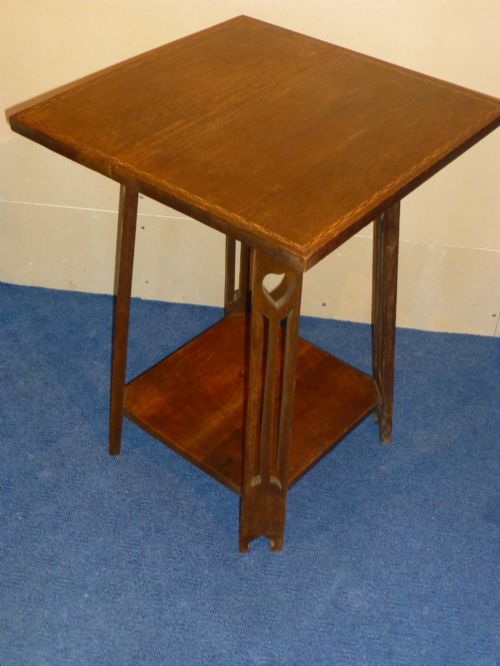
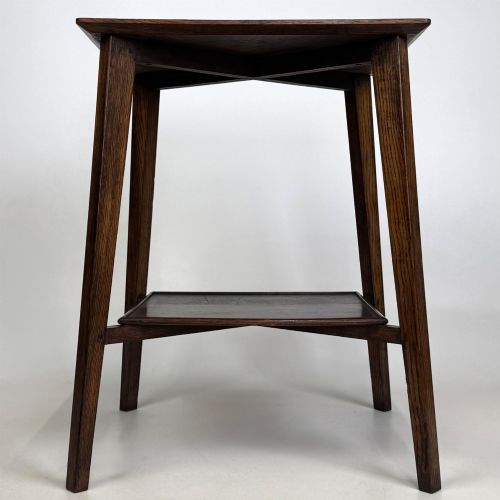
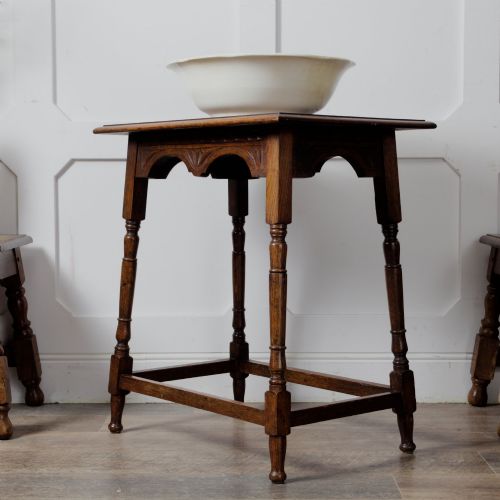
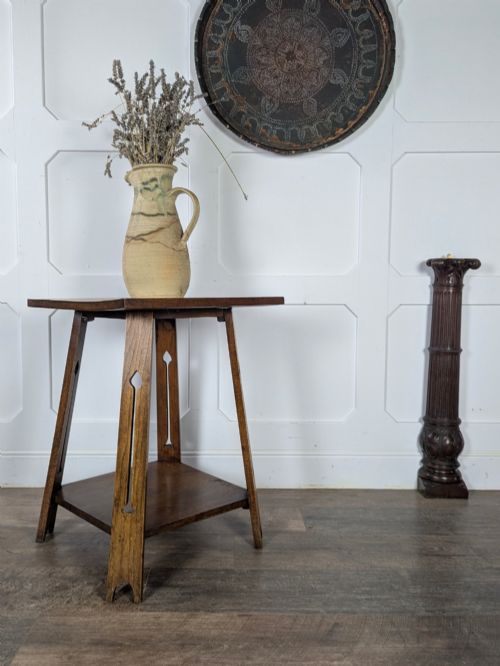
Oak Occasional Lamp Stand
These oak occasional lamp stand pieces combine sturdy domestic utility with compact proportions, providing a steady surface for illumination beside a chair.
Oak Occasional Lamp Stand
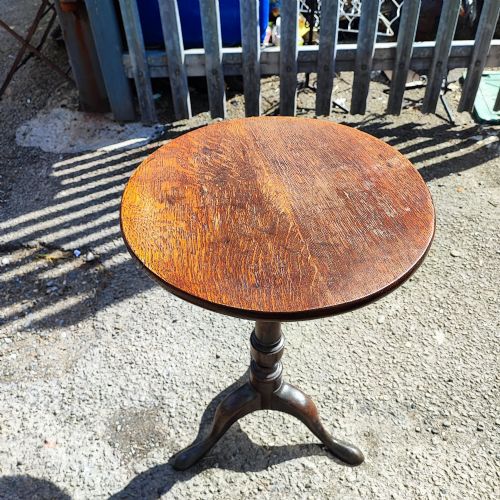
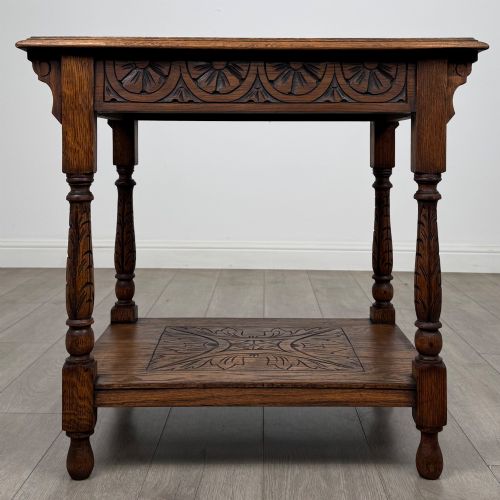
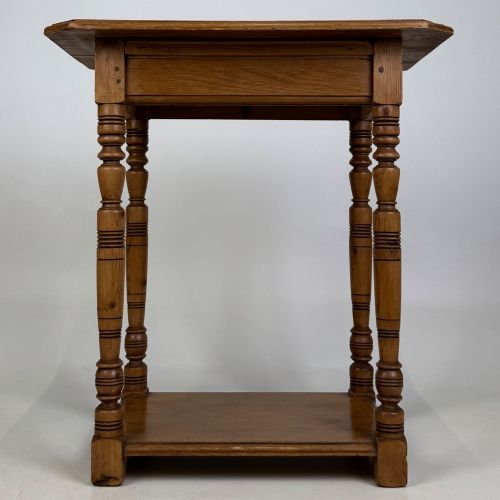
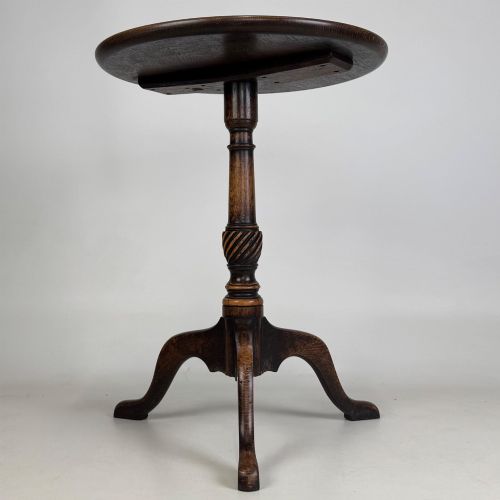
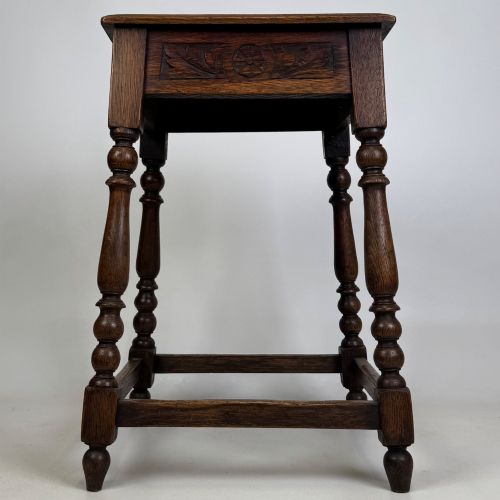
An oak occasional lamp stand serves as a compact surface for lighting or display, frequently taking the form of a small side table, tripod wine table, or plant stand. The pieces gathered under this search phrase span multiple eras, with Edwardian and Victorian examples appearing alongside Georgian, Regency, and later twentieth-century iterations.
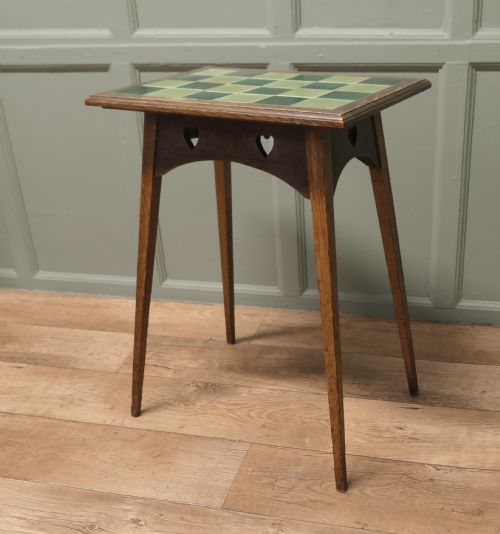
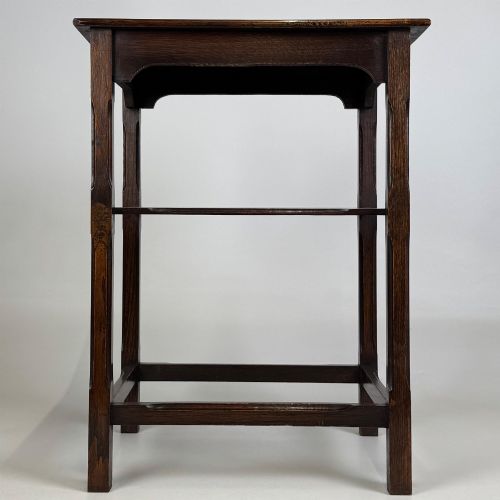
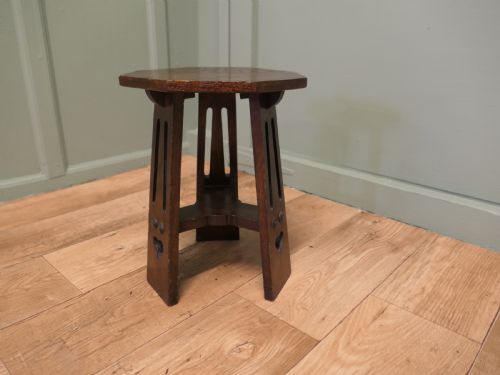
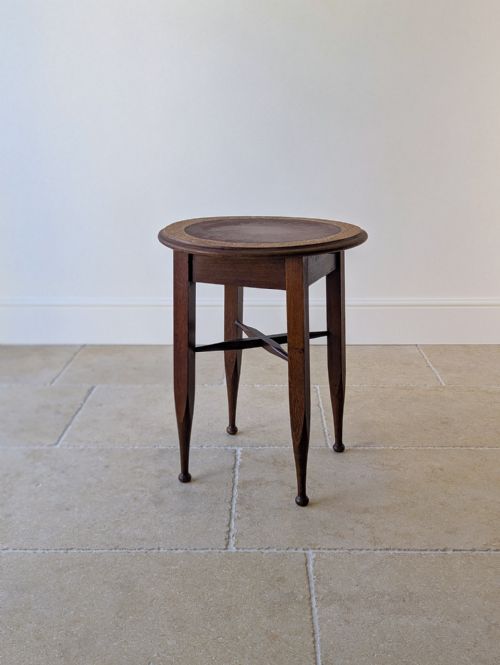
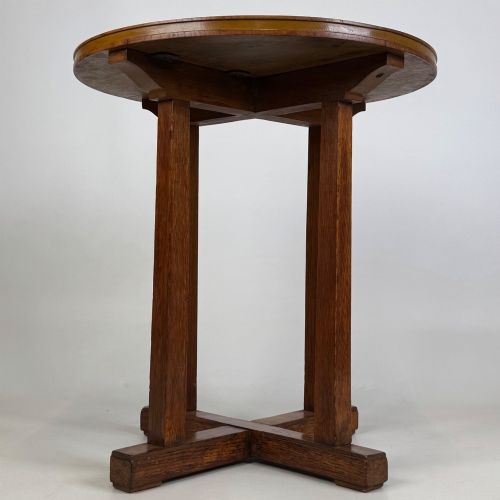
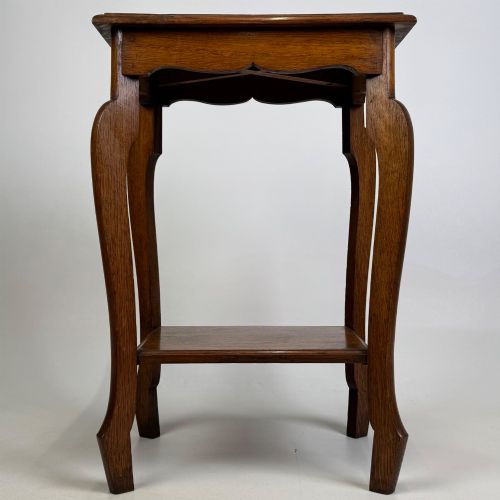
The physical design of an oak occasional lamp stand ranges from straightforward round tops supported by tripod legs to octagonal and clover-shaped tops influenced by the Arts and Crafts movement. Buyers encounter solid oak construction modified by carving, ceramic tile inserts, or tiered shelving intended for everyday domestic use.
Materials and Construction
Makers utilised solid oak, burr oak, and inlaid timber to construct these stands, frequently employing beech for internal or secondary framing. Surfaces display applied carving, wood inlay, or specific finishes such as limed oak.
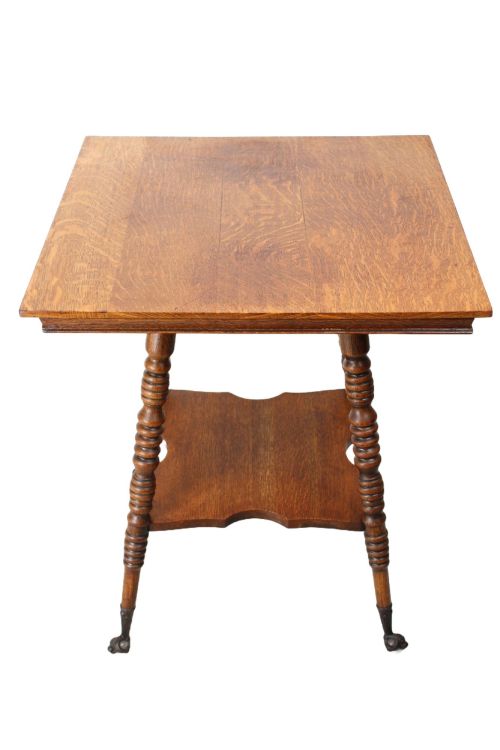
Structural methods involve traditional joinery suited to smaller furniture forms, including tripod bases, turned barley twist legs, and tiered supports held together with pegged or dowelled joints.
Listings feature oak material alongside ceramic tile inserts, burr oak surfaces, and wood inlay.
Gradations of Quality
The calibre of an oak occasional lamp stand depends on the crispness of any hand-carved detail and the selection of timber figures, such as burr oak or figured grain. Examples featuring specialised decorative elements like ceramic tile tops or chequered wood inlay reflect more ambitious workshop design.
Structural integrity dictates the distinction between standard utilitarian production and finer studio work, where balanced proportions on tripod bases and tight joinery remain intact through centuries of use.
Liberty and Co·William Birch·Hubert Simpson of Kendal
The Oak Occasional Lamp Stand Glossary
- Tripod table
- A small freestanding table supported by a central pillar resting on three legs. This form provides stability on uneven floors.
- Barley twist
- A decorative turning technique resembling a spiralling rope carved into the wooden leg or column. It appears frequently on Victorian and Edwardian furniture.
- Tilt top
- A hinged tabletop mechanism allowing the surface to tilt into a vertical position when not in use. This design saved space in smaller rooms.
- Burr oak
- Wood taken from a tree growth displaying distorted, knotty grain patterns. Cabinetmakers prize this material for its rich texture on tabletops.
- Plant stand
- A tall, narrow piece designed to elevate botanical displays. These share proportions and construction with lamp tables.
Oak Occasional Lamp Stand: Frequently Asked Questions
What is an oak occasional lamp stand used for?
These pieces function primarily as small side tables positioned next to seating to hold reading lamps, drinks, or decorative items. Their compact footprints allow them to fit into tight corners where larger furniture cannot go.
Historically, similar tables served varied domestic roles including plant display, needlework support, or wine holding. Their portability meant servants moved them around the home as daily needs shifted.
How do I date an oak lamp table?
Dating relies on observing structural characteristics, joinery methods, and stylistic cues present in the woodwork. Turned elements like barley twists or carved leaf motifs point toward Victorian and Edwardian production.
Earlier pieces from the Georgian era often feature simpler mahogany or oak tripod tilt-top mechanisms with hand-cut joints. Twentieth-century examples incorporate cleaner lines associated with Art Deco or Cotswold School aesthetics.
Are these tables solid oak?
Many examples utilise solid oak throughout the top, stem, and legs, providing substantial weight and durability. Some pieces combine solid frames with burr oak veneers or specialised timber inlays to create decorative surface patterns.
Secondary woods like beech occasionally support internal framing or concealed structural components. Checking the underside reveals how the timber selection was managed by the maker.
How do I fit one into a modern room?
Their modest scale permits placement beside contemporary sofas, armchairs, or beds without overwhelming the surrounding space. The neutral tones of aged oak blend easily with various interior palettes.
Using a small plant stand or wine table as a designated spot for a reading light adds functional surface area. The varied styles, from rustic Arts and Crafts to polished Georgian, suit both traditional and modern settings.