





Oak Mounted Plaque
An oak mounted plaque brings solid British craftsmanship and rural history straight to your wall, combining sturdy timber mounts with striking taxidermy, metalwork or photographs.
Oak Mounted Plaque
When you search for an oak mounted plaque, you encounter a sturdy wooden shield or backing board designed to support taxidermy, dinner gongs or historic photographs. These wall hangings capture traditional British sporting and domestic interiors from the late nineteenth century through to the mid-twentieth century.
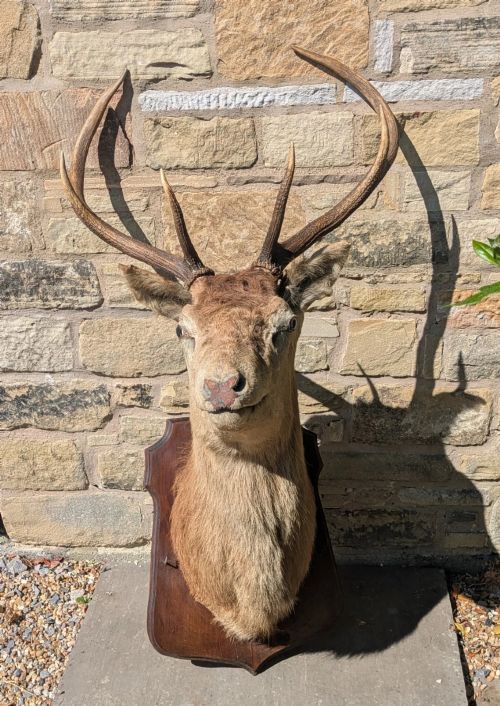
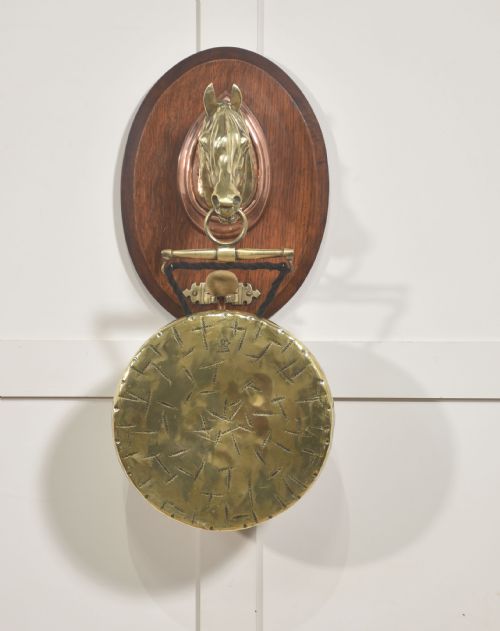
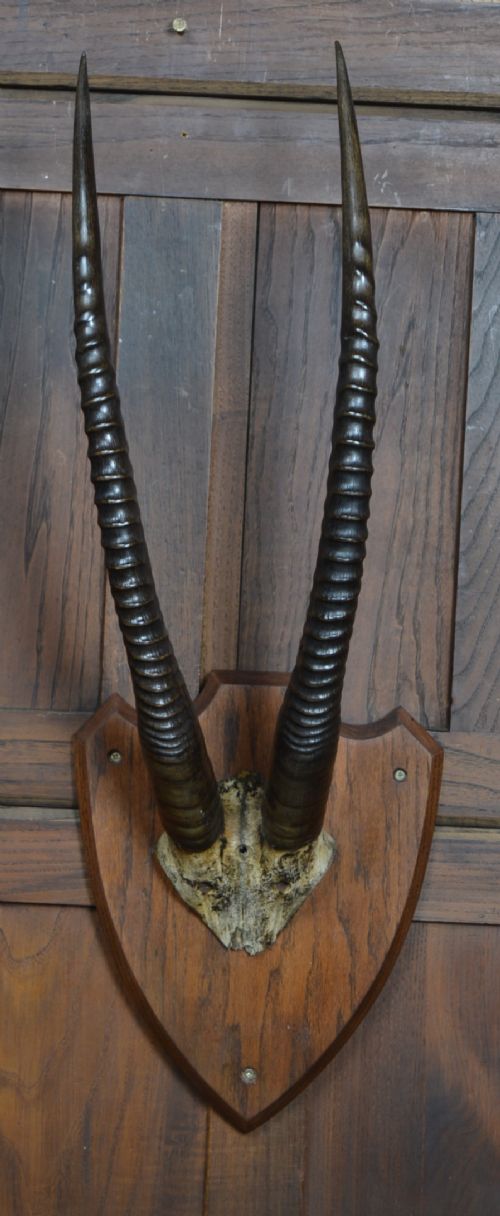
The version you are most likely to meet on this page is a taxidermy mount featuring a stag, fox or otter affixed to a shaped oak shield. Other common forms include hotel key boards, dinner gongs with brass horse heads, and carved shields holding antlers.
How they were made
Makers utilised seasoned oak for the backing boards, cutting them into shield shapes and carving edges or applying dark finishes to highlight the grain. These wooden mounts provide the structural rigidity needed to support heavy antlers, pelts and metal fittings.
Taxidermists and metalworkers combined natural materials with brass and chrome components, fixing items securely to the timber base. Hide, bone and natural fur feature alongside polished brass mounts and glass clock faces to create durable wall displays.
Oak Mounted Plaque Retail Price Guide 2026
Typical asking prices for oak mounted plaque among the pieces listed under this phrase on Sellingantiques today, from the lower quarter to the upper quarter. They describe what is for sale here now, not the wider market.
Listings feature items dated across multiple decades, spanning the Victorian period through to the nineteen-fifties, utilising oak, brass, and glass.
What varies in quality
The distinction between standard examples and superior pieces rests on the precision of the woodwork and the reputation of the taxidermist. Well-carved oak shields with balanced proportions and documented provenance elevate an item above mass-produced utilitarian boards.
Condition of the organic materials and the preservation of the taxidermy specimen dictate the overall merit of the piece. Firmly set pelts, clean bone structures and intact original brass work demonstrate superior historical craftsmanship.
Peter Spicer & Sons
The Oak Mounted Plaque Glossary
- Shield
- A wooden backing board shaped like a heraldic shield used to mount antlers, taxidermy masks or plaques on a wall. This traditional form provides structural support while adding a decorative timber border.
- Taxidermy mask
- The head and neck portion of an animal preserved and mounted for display, often fixed to a wooden board. These specimens frequently represent hunting trophies from British sporting traditions.
- Dinner gong
- A metal disk struck with a mallet to announce meals, typically suspended from a decorative wooden or brass wall mount. In these listings, the hanging frame utilises timber backing.
- Bulkhead clock
- A marine timepiece designed to be mounted directly to a wall, featuring a heavy brass or chrome housing. These nautical instruments often share mounting techniques with wooden wall plaques.
Oak Mounted Plaque: Frequently Asked Questions
How do I hang a heavy oak plaque?
These wooden mounts require sturdy wall fixings due to the combined weight of the dense oak timber and the attached taxidermy or metalwork. Utilise strong wall plugs and screws matched to the weight of the specific piece.
Ensure the hanging wire or integrated metal bracket on the reverse engages securely with the wall fixture to prevent the plaque from tilting or falling.
What periods do these pieces date from?
The pieces span the late Victorian and Edwardian eras, extending through the interwar period up to the mid-twentieth century. Styles reflect traditional British sporting and lodge aesthetics from these decades.
Construction details and mounting styles help determine the precise era of manufacture, with older Victorian shields often displaying darker finishes and hand-carved detailing.
How do I care for taxidermy mounted on oak?
Keep mounted specimens away from direct sunlight and damp environments to protect the natural fur, hide and bone from degradation. Gentle dusting with a soft brush maintains the condition of the taxidermy.
The oak backing benefits from occasional treatment with appropriate wood care products to prevent the timber from drying out over time.
Were these plaques used in homes?
Many of these items served as functional or decorative pieces in traditional British country houses, Highland lodges, and sporting estates. Dinner gongs and key boards also found places in hotels and large domestic hallways.
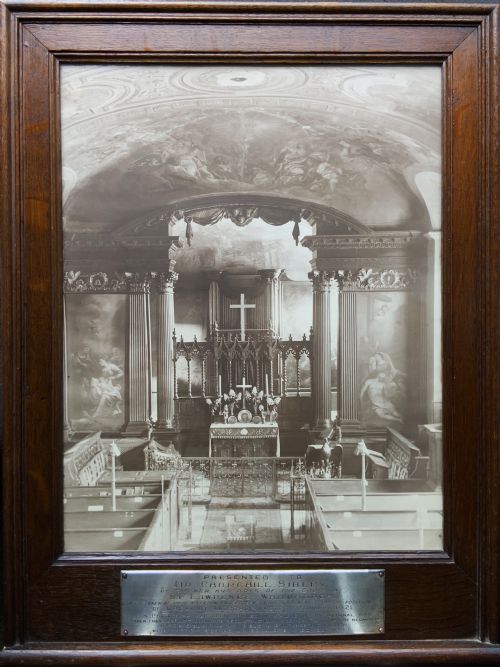
Taxidermy mounts and photographic plaques were displayed in studies and reception rooms to commemorate hunting expeditions and historical events.