





Oak Locking Cabinet
These oak locking cabinet examples are robust pieces built for security, housing everything from decanters to important papers.
Oak Locking Cabinet
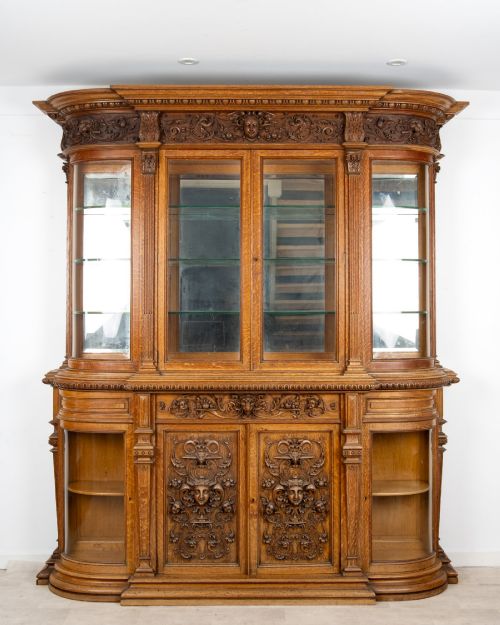
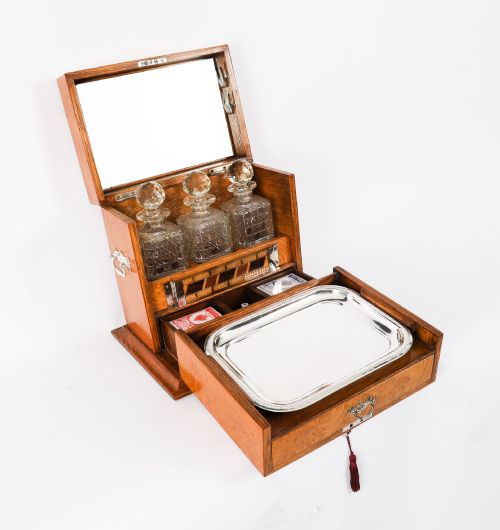
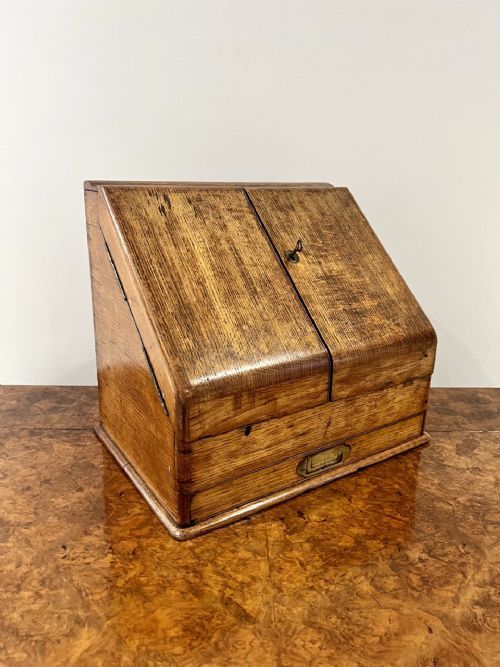
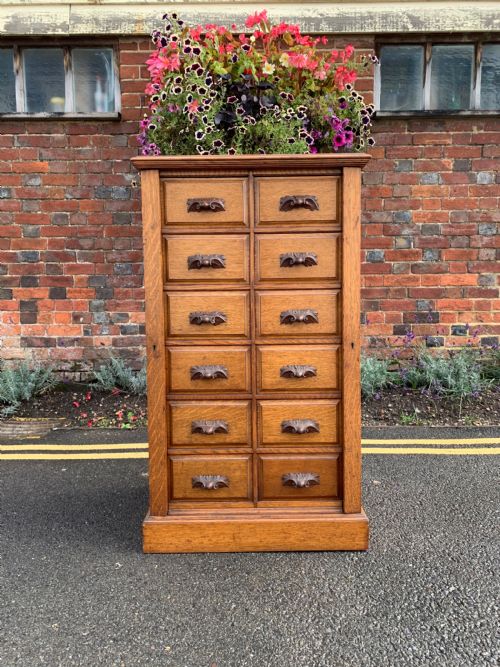
When you search for an oak locking cabinet, you encounter a varied assortment of functional furniture designed to secure valuables. The selection spans distinct forms such as tantalus sets, stationery boxes, filing cabinets, Wellington chests, and display cabinets.
Most examples originate from the Victorian and Edwardian periods, stretching into the early twentieth century with Art Deco pieces. You find blonde oak, figured oak, and pollard oak finishes fitted with brass mounts, glass doors, or tambour fronts.
The primary function of these pieces centres on safekeeping, whether securing spirits in a dry bar tantalus or sorting documents in a banker's chest. Each configuration reflects the domestic and office storage needs of the nineteenth and early twentieth centuries.
Materials and construction
Specialised mechanisms define many of these items, including tambour shutters, locking bars, and dedicated locking actions secured with a key. Makers applied these functional details to chests of drawers, stationery boxes, and games compendiums alike.
Oak Locking Cabinet Retail Price Guide 2026
Typical asking prices for oak locking cabinet among the pieces listed under this phrase on Sellingantiques today, from the lower quarter to the upper quarter. They describe what is for sale here now, not the wider market.
Judging quality and craftsmanship
Quality rests upon the selection of timber, particularly the grain figuration seen in blonde or pollard oak variants. Superior pieces exhibit precise joinery, well-fitted drawers, and robust internal mechanisms that operate smoothly.
Hardware and security fittings separate standard utilitarian storage from finer items. The presence of heavy brass mountings, intact locking bars, and original keys elevates the standing of an individual cabinet.
Hobbs & Co·Maple & Co
The Oak Locking Cabinet Glossary
- Tantalus
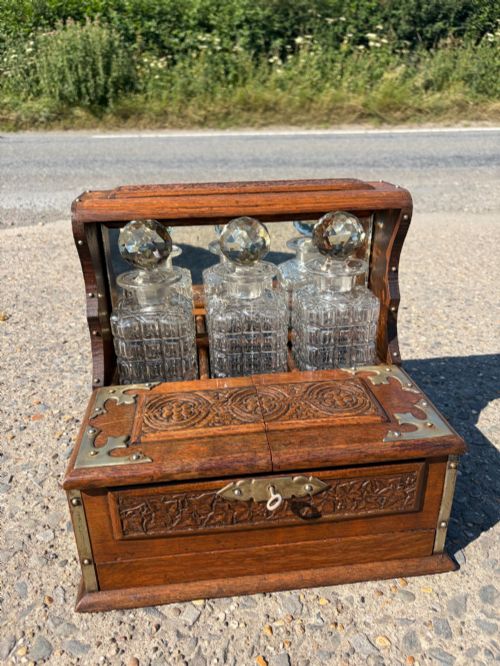
- A locking drink decanter stand designed to prevent servants or guests from helping themselves to spirits. It secures the stoppers within a wooden frame until unlocked with a key.
- Tambour
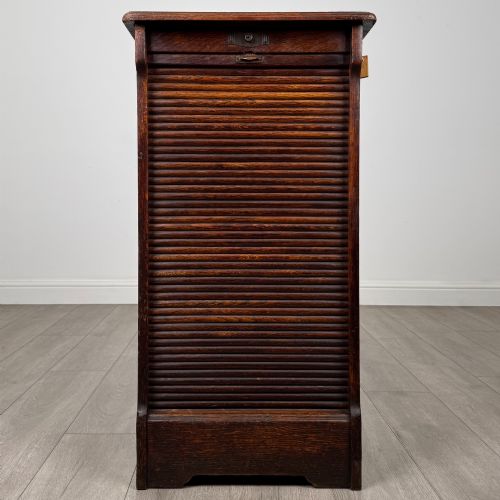
- A flexible shutter made from narrow strips of wood glued to a canvas backing. It slides in tracks to conceal the interior of a cabinet or filing chest.
- Wellington chest
- A tall, narrow chest of drawers secured by a locking hinged stile on one side. This vertical locking bar fastens over the edge of all drawers simultaneously.
- Pollard oak
- Oak timber taken from trees that have been pollarded, producing a highly decorative stump or burl grain pattern. It was favoured for high-end Victorian decorative furniture.
- Stationery box
- A desk accessory fitted with internal slots and compartments for writing paper and envelopes. Many feature sloping lids and locking mechanisms to protect correspondence.
Oak Locking Cabinet: Frequently Asked Questions
What is a tantalus cabinet?
A tantalus is a specific type of locking cabinet designed to hold glass decanters securely. A metal bar locks over the glass stoppers, preventing anyone from pouring a drink without the key.
These pieces typically combine oak frames with cut glass bottles and brass hardware, serving as decorative dry bars in Victorian and Edwardian homes.
How do Wellington chests lock?
Wellington chests use a hinged vertical locking stile on one side of the drawer stack. When closed and secured with a key, this side piece bars all the drawers from opening at once.
This mechanism provided secure storage for papers and personal valuables in nineteenth-century studies and bedrooms.
What are tambour fronts?
Tambour fronts consist of narrow wooden slats attached to a flexible backing fabric that slides along a grooved track. This allows the door to curve around the side of a cabinet rather than swinging outward.
You find this space-saving mechanism on Edwardian and Art Deco filing cabinets and desk units.
How do I date an oak cabinet?
Dating relies on observing the combination of period styles, hardware, and construction methods. Victorian pieces often display heavier carved details, while Edwardian and later items lean toward cleaner lines and tambour shutters.
Locks, brass mounts, and timber grain selections further indicate whether a piece originates from the nineteenth century or the early twentieth century.