
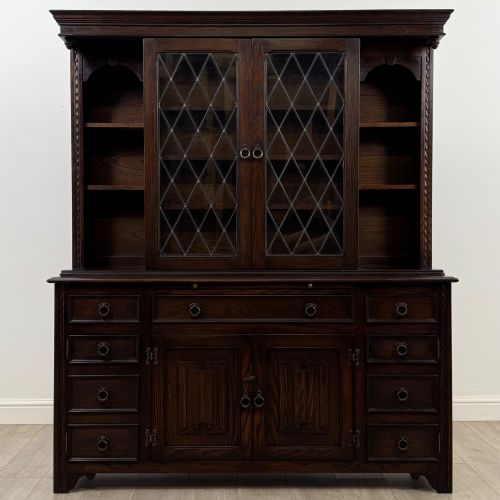
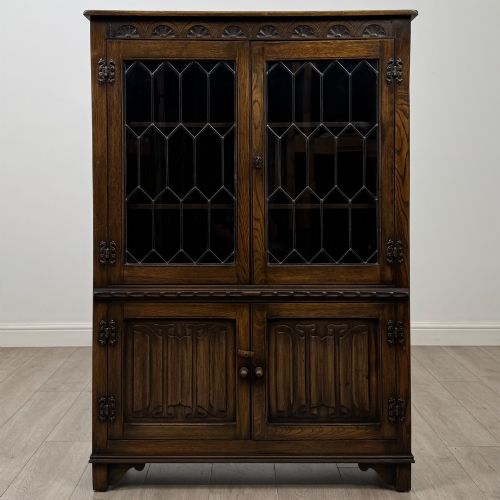
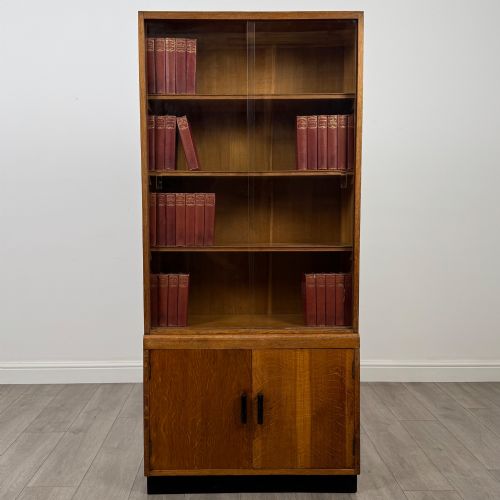
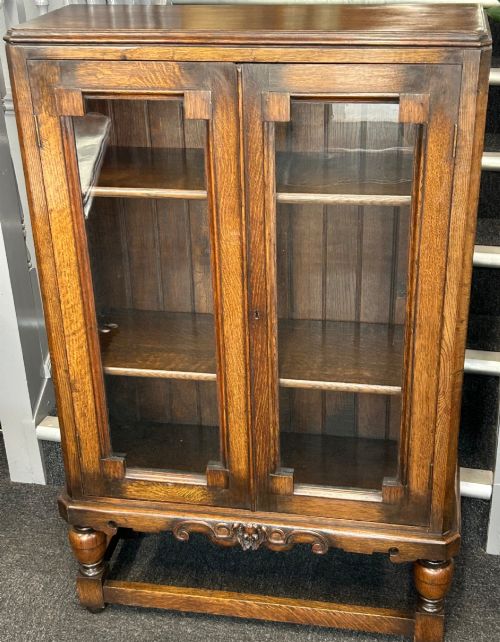


Oak Glazed Storage Unit
An oak glazed storage unit brings timeless utility to a room, offering robust timber framing to protect and display your cherished possessions behind clear panes.
Oak Glazed Storage Unit
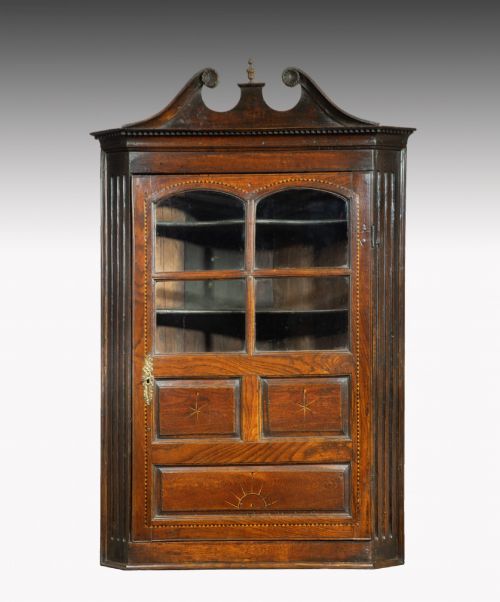
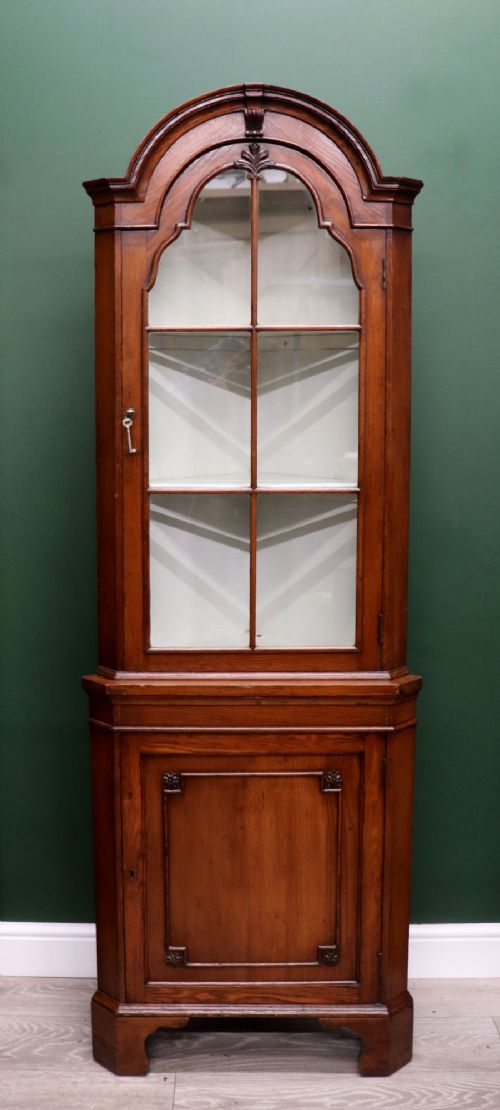
An oak glazed storage unit encompasses a variety of timber enclosures designed to hold books, display curiosities, or organise household items behind glass doors. When you examine an oak glazed storage unit on this page, you encounter everything from compact corner cupboards to floor-standing cabinets and expansive bookcases.
The pieces span numerous eras and decorative movements, drawing from Edwardian craftsmanship, 1930s utilitarian design, Victorian proportions, and eighteenth-century Georgian traditions. Revivalist idioms such as Tudor, Jacobean, and Restoration styles frequently shape the character of these sturdy wooden constructions.
Form follows function across the selection, featuring dedicated display cabinets, corner cupboards, haberdashery units, and library bookcases. The inclusion of glass panels distinguishes these storage pieces from solid-door armoires, allowing light to enter while keeping dust away.
Materials and construction methods
Makers built these storage pieces primarily using solid oak and golden oak, occasionally combining them with mahogany, veneer, and supporting structural elements of brass, lead, metal, and iron. Timber selection dictated the structural integrity, while secondary woods provided stability within internal shelving and backing boards.
Glazing techniques varied from simple multi-pane grid arrangements to leaded lights and expansive single-glass doors held securely within rebated wooden frames. Metal fittings such as brass hinges, iron brackets, and specialised hardware completed the functional assembly of doors and internal compartments.
Listings span periods from the 18th Century through Victorian, Edwardian, and 1930s eras up to 1950, utilising oak, glass, brass, lead, metal, iron, mahogany, and veneer.
Distinguishing quality in timber and glass
Quality rests upon the selection of the timber grain, the precision of the joinery, and the integrity of the original glazing. Superior examples exhibit tightly figured oak boards, stable door construction that prevents warping, and well-fitted glass panels secured without excessive putty or loose framing.
The refinement of period detailing separates standard utility pieces from exceptional decorative works. Carved linenfold panels, balanced proportions, and original metalwork contribute to a more cohesive aesthetic and reflect the standard of the workshop that produced them.
The Oak Glazed Storage Unit Glossary
- Golden Oak
- A bright, warm shade of oak timber popular in Edwardian and early twentieth-century furniture production. It highlights the natural medullary rays in quarter-sawn boards.
- Linenfold
- A style of wood carving that imitates folded parchment or linen, frequently seen on panels of revivalist cabinets. It creates a textured, vertical pattern across wooden doors.
- Leadwork
- The network of lead strips used to hold small panes of glass together in windows and cabinet doors. It forms geometric or decorative patterns across the viewing area.
- Corner Cupboard
- A specialised storage piece designed to fit neatly into the ninety-degree angle of a room. These units make efficient use of otherwise wasted floor space.
- Haberdashery Cabinet
- A multi-drawer retail or domestic storage unit traditionally used for storing textiles and small goods. They often incorporate glass panels to showcase contents.
Oak Glazed Storage Unit: Frequently Asked Questions
What is an oak glazed storage unit used for?
These units serve as functional furniture for storing books, tableware, and display items while protecting them from dust. The glazed panels allow contents to remain visible for decorative purposes.
In living rooms, studies, and hallways, they provide structured storage that combines enclosed timber compartments with open visual access through the glass.
How do I date an oak glazed storage unit?
Dating relies on observing stylistic markers, construction techniques, and hardware characteristics. Edwardian and 1930s pieces often display lighter golden tones and simpler revivalist carving.
Earlier examples from the eighteenth and nineteenth centuries show hand-cut joinery, heavier timber scantlings, and distinct regional vernacular traits that differ from twentieth-century mass production.
Where should I place a corner cabinet?
Corner cabinets are designed to occupy unused room junctions, making them ideal for smaller dining rooms or studies. They draw the eye upward and utilise vertical wall space effectively.
Ensure the floor and walls meet at a true right angle so the back panels sit flush against the structure without leaving gaps.
How do I care for antique oak furniture?
Maintain antique oak by keeping it away from direct heat sources and strong sunlight, which can dry out the timber and crack finishes. Dust regularly with a soft, dry cloth.
Avoid silicone-based polishes and instead use traditional beeswax sparingly to nourish the grain and preserve the natural lustre of the wood over time.