


Linenfold Carved Cupboard
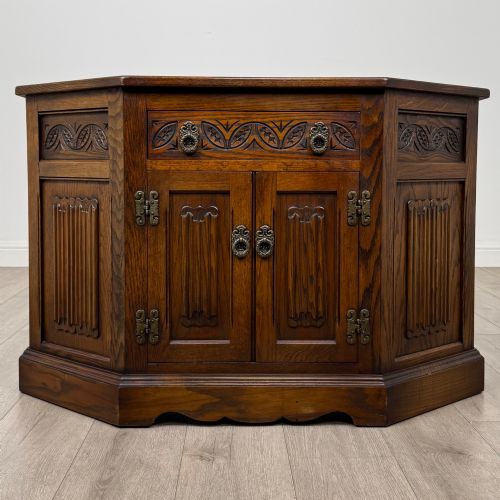
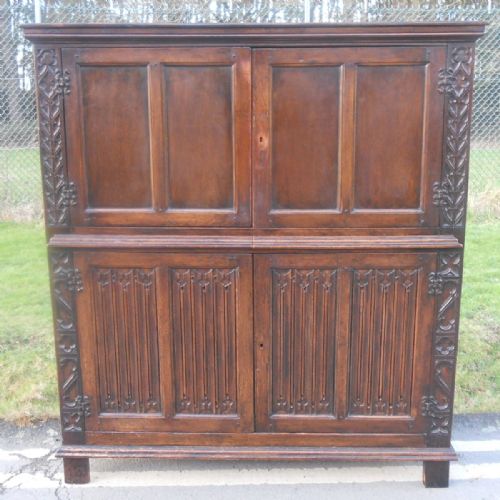
A linenfold carved cupboard brings tactile panels of folded cloth into an interior, offering robust storage built from honest timber.
Linenfold Carved Cupboard
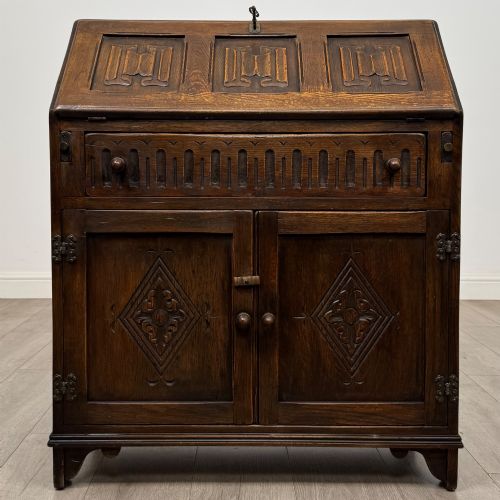
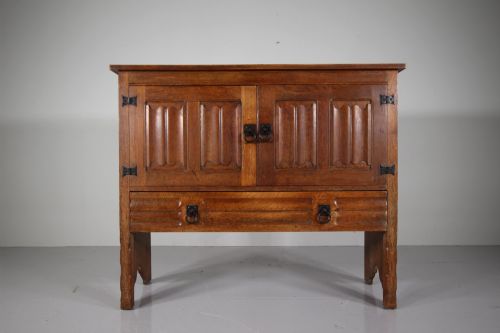
Buyers seeking a linenfold carved cupboard encounter sturdy wooden storage items originating predominantly from the Edwardian era, the Victorian period, and the early twentieth century. These furnishings often take the form of dedicated cupboards, compact display cabinets, writing bureaus, and hall robes fashioned with characteristic textile-mimicking wood panels.
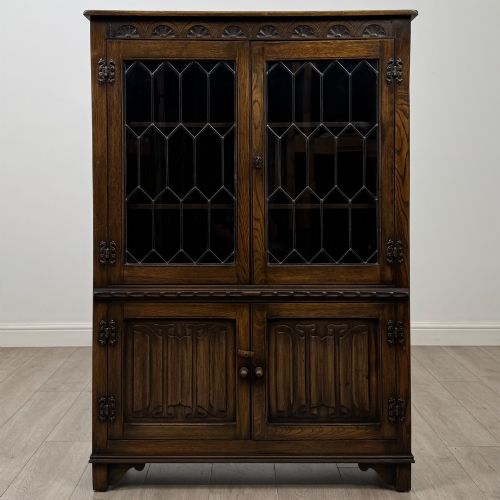
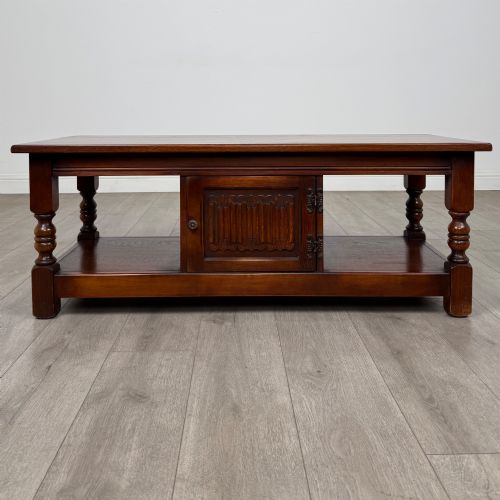
The selection on this page demonstrates strong revivalist influences, merging classic linenfold carving with Tudor, Jacobean, Gothic, and Renaissance styles. Alongside the primary cupboards, related oak forms such as bookcases, dressers, and coffee tables appear, reflecting the enduring popularity of heavy dark wood revival furniture in British homes.
Construction and materials
The pieces listed here rely heavily upon solid oak as the primary structural and decorative timber, frequently paired with secondary elements of iron, brass, and glass. Cabinetmakers shaped the characteristic panels to simulate folded fabric, applying relief carving directly to the wood grain.
Hardware elements incorporate functional iron hinges and brass fittings that secure doors and drawers across cupboards and display cabinets. Glazed sections in cabinets utilise lead or standard glass panes framed within the solid timber housing.
Listings feature oak as the exclusive primary material across styles spanning Gothic Revival, Arts and Crafts, and Tudor Revival.
Judging quality in revival cabinetry
Quality rests upon the crispness of the chisel work within the linenfold panels and the selection of the oak timber itself. Superior examples display deep, deliberate relief carving that retains sharp folds without blurring into the surrounding wood.
Construction integrity separates standard utility storage from finer decorative items, visible in the tightness of the joinery and the selection of solid oak rather than veneered alternatives. Hardware choices also indicate grade, where original brass and iron furniture remains intact and well-fitted.
The Linenfold Carved Cupboard Glossary
- Linenfold
- A style of wood carving used to decorate panels, resembling vertically folded cloth or parchment. It became popular during the Tudor period and saw revivals in later centuries.
- Revival
- A design movement that imitates the aesthetic of a previous historical era, such as Gothic, Tudor, or Jacobean. These pieces borrow historical motifs while using the manufacturing methods of their own time.
- Hall robe
- A compact wardrobe or storage cupboard traditionally kept in an entrance hall for coats and outdoor wear. They frequently feature single doors adorned with carved panels.
- Bureau
- A desk featuring a sloping hinged lid that opens to reveal a writing surface and small pigeonholes. Many examples combine this writing slope with drawers or cupboards beneath.
- Solid oak
- Timber derived entirely from the oak tree rather than constructed from manufactured boards with a thin veneer. It provides the heavy weight and durability typical of traditional British cabinetry.
Linenfold Carved Cupboard: Frequently Asked Questions
What is a linenfold panel?
A linenfold panel is a carved wooden relief designed to imitate folded linen fabric. Cabinetmakers used this motif primarily on the doors of cupboards and chests.
This decorative technique gained prominence in late medieval and Tudor architecture before being revived during later nineteenth and twentieth century revivalist movements.
How do I date a cupboard?
Dating relies on examining the timber construction, hardware types, and stylistic revival cues. Edwardian and Victorian pieces often show machine assistance alongside traditional hand joinery.
Comparing the specific revival style, such as Gothic or Jacobean, against the wood finish helps narrow down whether a piece dates to the nineteenth or early twentieth century.
Where should I place a hall robe?
A hall robe suits narrow entryways or hallways where vertical storage is required without occupying excessive floor space. They traditionally hold coats, hats, and daily outdoor apparel.
Their enclosed timber doors keep entranceways tidy while introducing period character to transitional spaces in the home.