

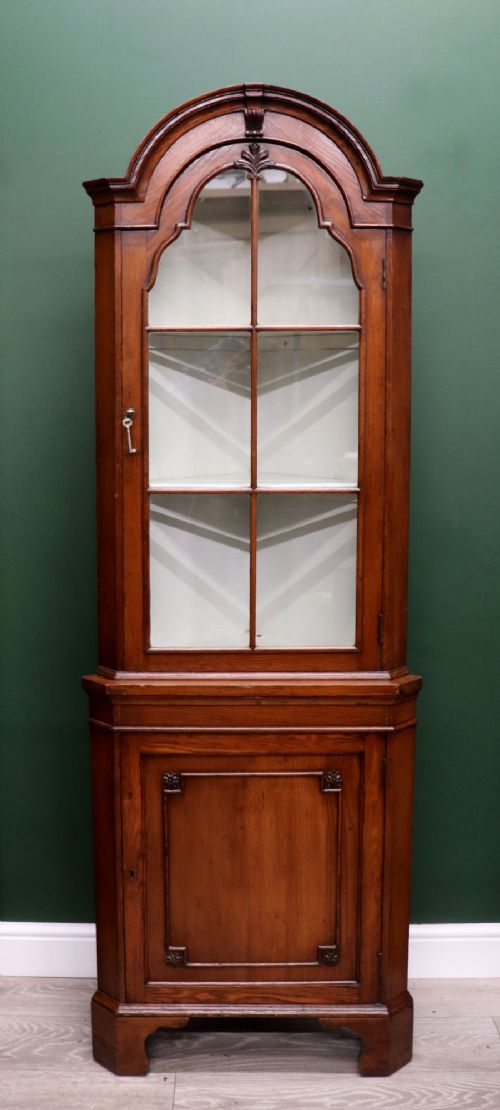


Oak Freestanding Cupboard
An oak freestanding cupboard brings solid timber utility and centuries of storage tradition into a room.
Oak Freestanding Cupboard
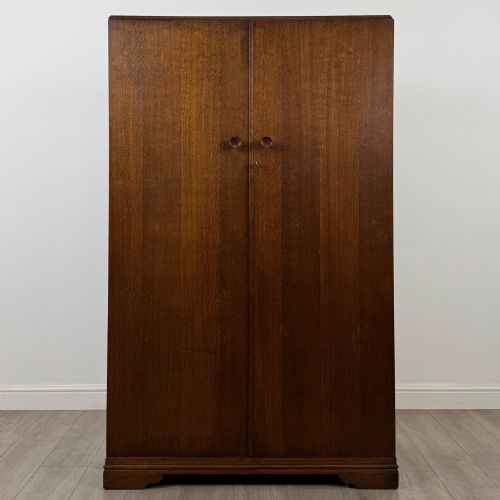
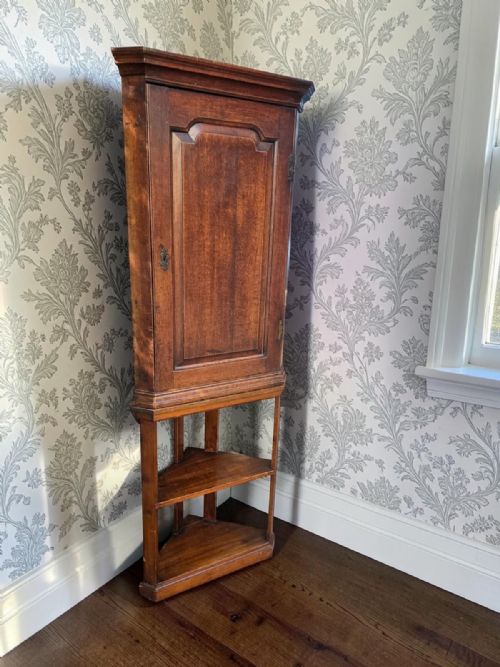
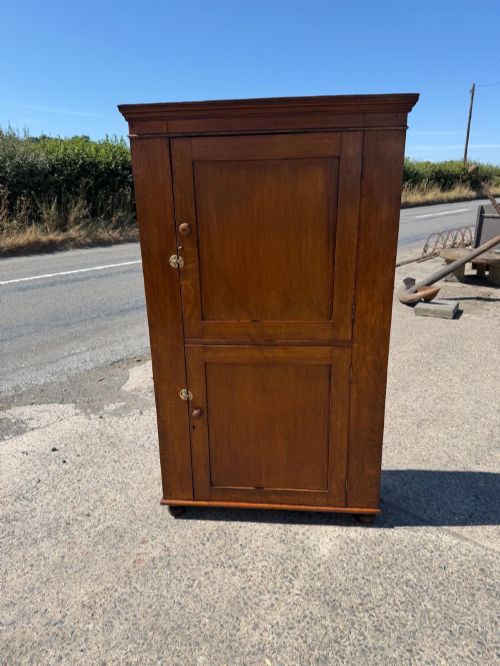
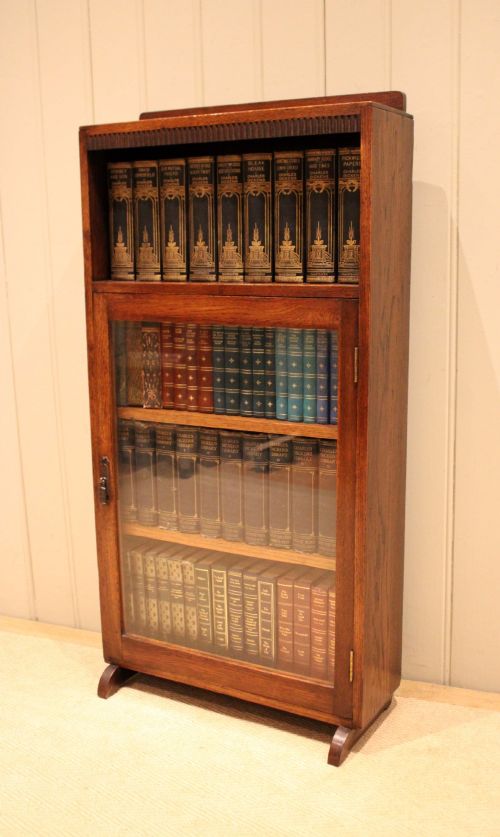
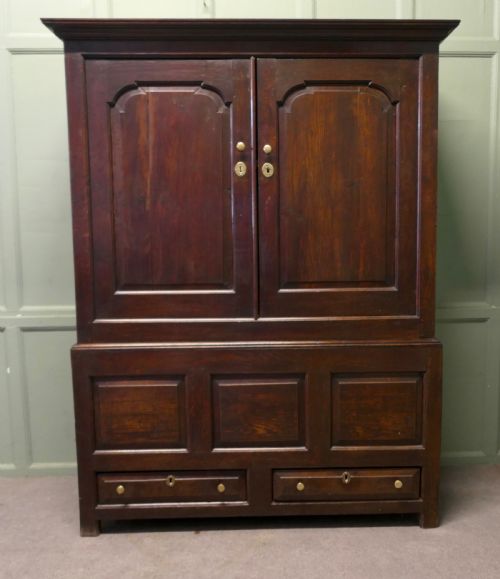
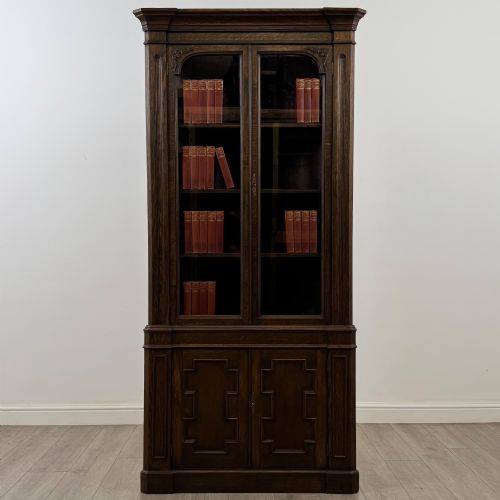
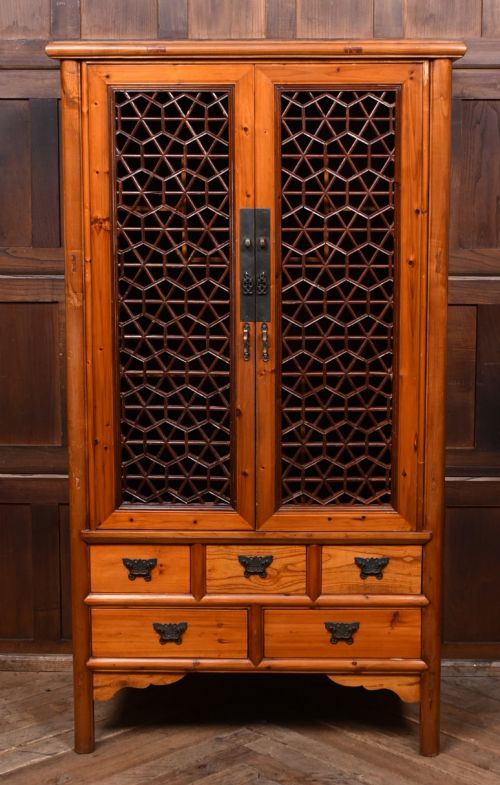
An oak freestanding cupboard encompasses floor-standing storage forms ranging from Georgian housekeepers' presses to Edwardian corner cabinets and twentieth-century kitchen pieces. Buyers seeking an oak freestanding cupboard will find items built to stand independently against a wall or fill a corner without built-in architectural support.
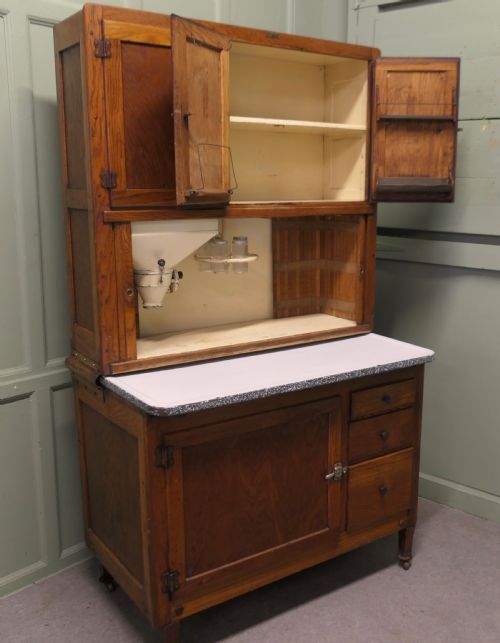
The selection includes two-door standing cupboards, glazed display bookcases, panelled corner cabinets on stands, and larder units. Origins span eighteenth-century English workshops through to early twentieth-century vernacular designs.
How they were made
Construction relies primarily on solid oak, frequently paired with pine or cedar for internal shelving and backing boards. Master joiners utilised traditional panelled techniques to accommodate the natural expansion and contraction of timber over decades.
Hardware such as brass hinges, iron latches, and bun feet complete the structural assembly, while specific twentieth-century kitchen variants integrate metal and enamel elements.
A sturdy country house saddle rack occasionally sneaks into the furniture lineup, proving horses had better wardrobes than most.
What varies in quality
The distinction between standard utility items and exceptional pieces rests upon the depth of the timber grain, the proportion of the cabinetry, and the crispness of any carved detailing. Earlier examples demonstrate superior hand-planed surfaces and pegged joints that mark them out from later production.
Originality of brassware, glass panels, and finish heavily influences the character of a standing cupboard. Pieces retaining their uncompromised surface patination command greater interest among collectors than heavily restored counterparts.
Hudson Bros
The Oak Freestanding Cupboard Glossary
- Corner cabinet
- A storage unit specifically constructed with an angled footprint to fit neatly into the corner of a room.
- Housekeeper's cupboard
- A large, tall storage piece traditionally used in country houses for linen and dry stores, usually featuring multiple panelled doors.
- Panelling
- A construction method where framed wooden boards fit into grooves to create stable, decorative door and wall surfaces.
- Bun feet
- Rounded, flattened ball feet commonly found supporting heavy Victorian and revival furniture bases.
- Patina
- The surface sheen and colour acquired by aged timber through decades of handling, polishing, and exposure to light.
Oak Freestanding Cupboard: Frequently Asked Questions
How do I date an oak cupboard?
Dating relies upon examining construction methods, timber preparation marks, and hardware types used in the assembly. Hand-cut dovetails and pegged frame joints generally point towards eighteenth or early nineteenth-century origins.
Later pieces from the Edwardian and twentieth centuries often incorporate machine-sawn timber, standardised fixings, and different secondary woods like pine inside.
Are corner cupboards practical for modern rooms?
Corner units utilise awkward room angles efficiently, offering substantial enclosed shelving without dominating floor space. They provide effective storage for crockery, books, or glassware in living spaces and dining rooms.
Freestanding versions require no wall-mounting, allowing them to be repositioned easily as room layouts change.
What is a housekeepers cupboard?
A housekeeper's cupboard is a tall, capacious storage form designed to hold household linens, blankets, or provisions. They typically feature deep proportions and robust panelled doors.
These large pieces served a central organising role in traditional domestic service before fitted kitchens and utility rooms became standard.
How should I care for antique oak?
Maintain antique oak by keeping it away from direct heat sources and dramatic humidity fluctuations that cause timber to split. Regular dusting with a dry, soft cloth preserves the surface finish.
Occasional application of traditional beeswax feeds the wood and enhances the natural patina without building up synthetic residues.