





Oak Framed Wall Print
An oak framed wall print brings together historical paper works and sturdy timber moulding, offering character and decorative weight to any room.
Oak Framed Wall Print
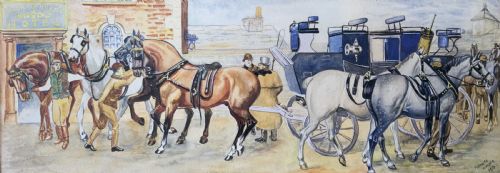
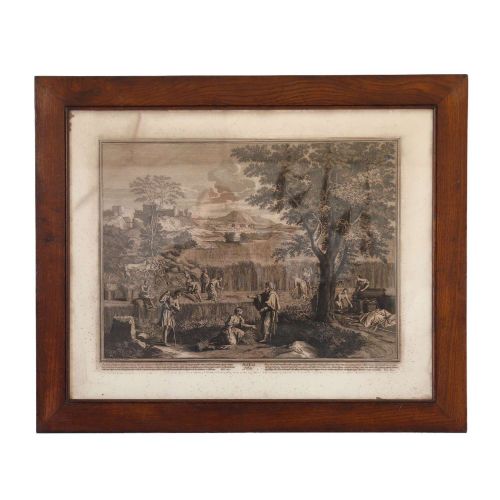
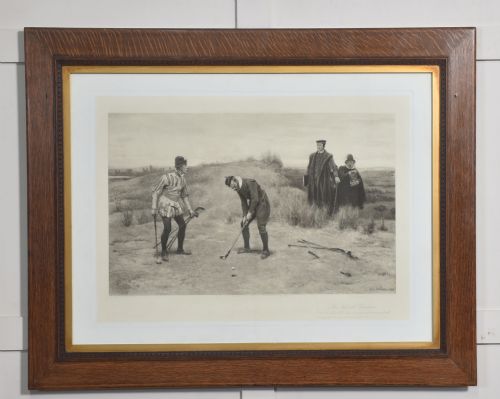
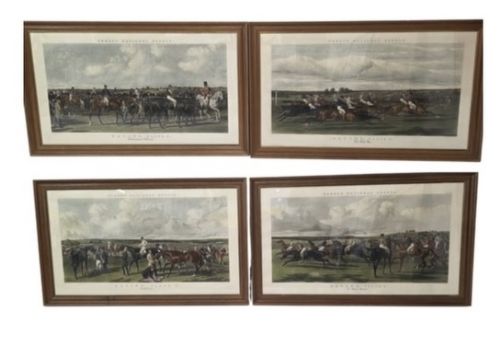
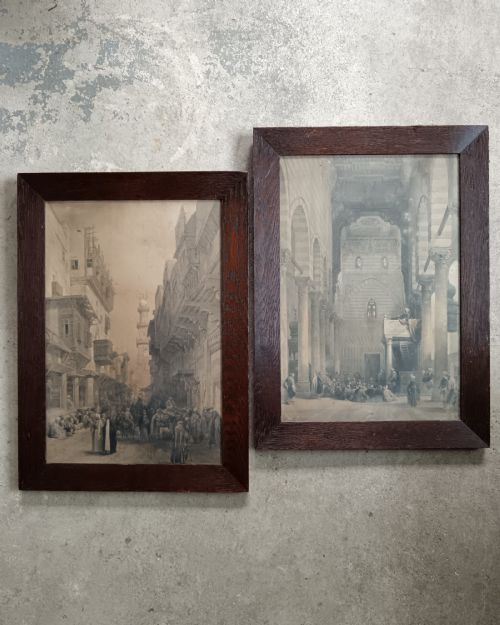
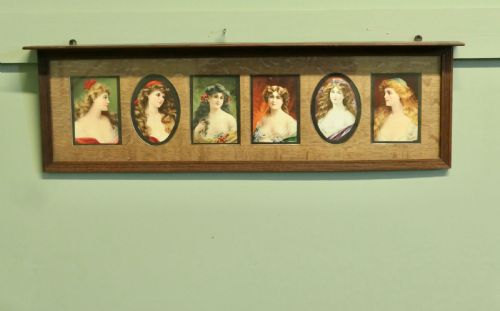
An oak framed wall print encompasses framed artworks, maps, watercolours, and engravings enclosed within wooden surrounds. These pieces range from early cartography and natural history studies to sporting scenes and maritime paintings spanning several centuries.
The selections available here lean heavily towards nineteenth-century engravings, watercolours, and early twentieth-century prints. Buyers encounter varied subjects including botanical plates, topographical maps, and narrative illustrations housed behind protective glass.
How They Were Made
The physical construction relies on traditional paper media paired with timber frames, occasionally incorporating gold leaf detailing or deep giltwood mounts. Images are rendered through hand-colouring, etching, lithography, engraving, or watercolour painting upon paper substrates.
Framing methods from earlier periods utilise solid oak mouldings joined at the corners, protecting the fragile paper contents behind clear glass. Many items retain their original mounting materials, which safeguard the integrity of the work over decades of exposure.
Oak Framed Wall Print Retail Price Guide 2026
Typical asking prices for oak framed wall print among the pieces listed under this phrase on Sellingantiques today, from the lower quarter to the upper quarter. They describe what is for sale here now, not the wider market.
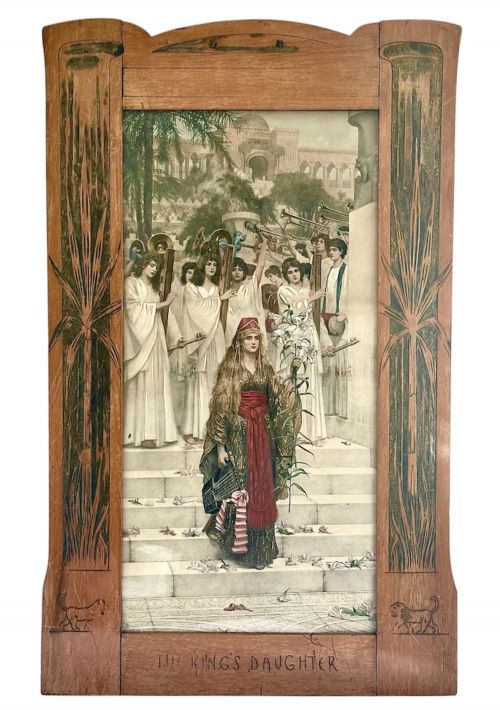
A solitary nineteenth-century paper sign reminds viewers of the relentless ticking of the Christians clock of time.
What Varies in Quality
Quality rests upon the crispness of the impression and the fidelity of any hand-applied colour, where sharp lines denote superior execution. Early strikes and original watercolours command greater attention than later mechanical reproductions.
The construction of the oak frame itself dictates distinction, with original period mouldings holding more significance than later replacements. The preservation of the underlying paper, free from heavy discolouration or moisture damage, defines the standing of each piece.
William Bird MD FLS·C. Ogilby·Blaeu·TB Hardy·Louis Haghe·Charles F. Tunnicliffe·Jonathan Couch·Charles Johnson Payne Snaffles·Frank Algernon Stewart·Herbert Dicksee
The Oak Framed Wall Print Glossary
- Engraving
- A printmaking technique where an image is cut into a metal plate with a sharp tool to hold ink. This method produces fine, precise lines characteristic of many historical book illustrations.
- Lithography
- A planographic printing process based on the repulsion of oil and water on a stone or metal plate. It allows for smooth tonal gradations and faithful colour reproduction in nineteenth-century plates.
- Drypoint
- A printmaking process where a design is scratched directly into a metal plate with a hard needle, creating a raised burr that holds ink. This technique yields velvety, atmospheric lines.
- Chromolithography
- A colour lithographic technique using multiple stones, one for each colour, to build up a vibrant image. It became widely used for botanical and sporting prints in the Victorian period.
Oak Framed Wall Print: Frequently Asked Questions
How do I care for an oak framed wall print?
Keep the artwork away from direct sunlight to prevent the paper and any watercolours from fading over time. Maintain a stable room temperature to protect both the timber frame and the paper substrate from moisture damage.
Ensure the piece hangs securely from appropriate fixings suited to the weight of the solid oak and glass. Dust the frame gently with a dry cloth without applying chemical cleaning products to the wood or glass.
Are these prints original or reproductions?
The selection comprises original antique engravings, hand-painted watercolours, period lithographs, and vintage photographs dating from the seventeenth century through to the mid-twentieth century. Each item was produced during its respective historical era rather than being a modern facsimile.
Examining the paper texture, ink application, and framing materials helps confirm the period authenticity of each individual work. Many listings specify the exact technique and printing method employed.
How do I identify the age of the frame?
Period frames often display hand-cut joinery, older fixings, and timber patination consistent with centuries of handling. Backboards typically consist of aged wooden panels or early card secured with traditional brads.
Changes in framing styles across the seventeenth, eighteenth, and nineteenth centuries provide clear clues to date the enclosure. However, some older prints have been reframed at later dates to ensure their ongoing preservation.
What subjects are most common in these listings?
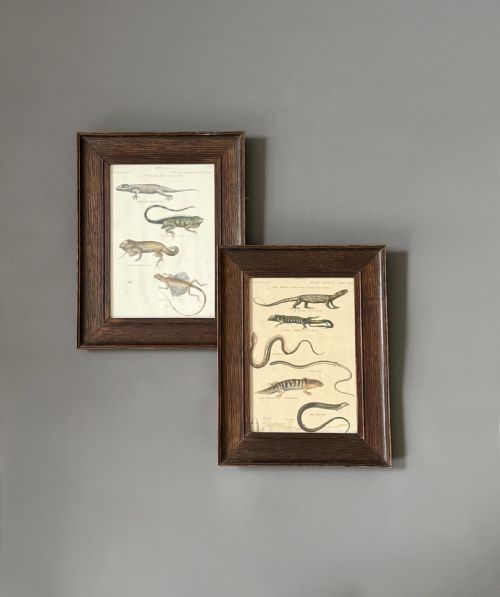
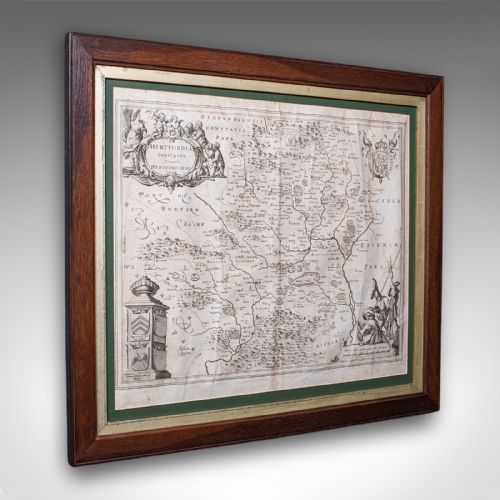
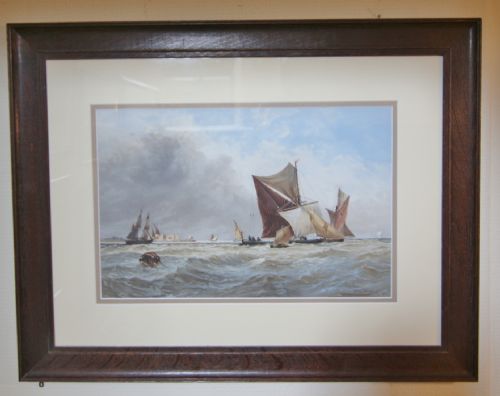
Natural history studies, including birds, reptiles, fish, and botanical illustrations, appear frequently alongside historical maps and cartography. Sporting art, maritime scenes, and architectural views also form a significant portion of the available inventory.
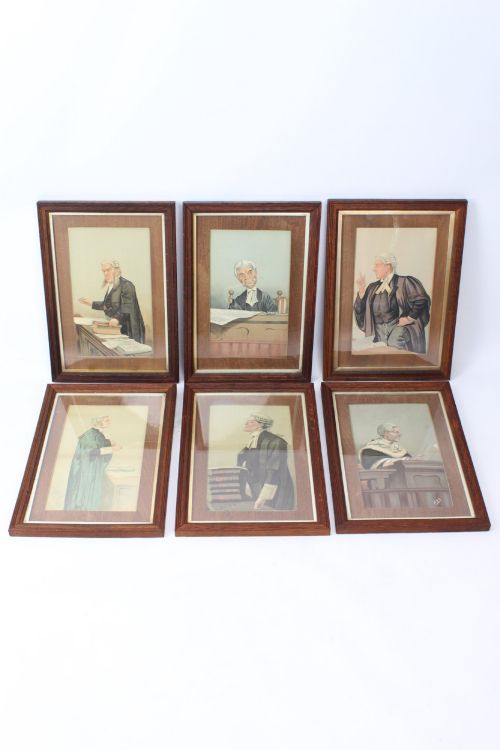
These subjects reflect popular decorative tastes from the Victorian and Edwardian eras, when illustrated books and framed plates adorned domestic interiors. Portraiture and narrative paintings provide further variety across the selection.