





Oak Display Unit
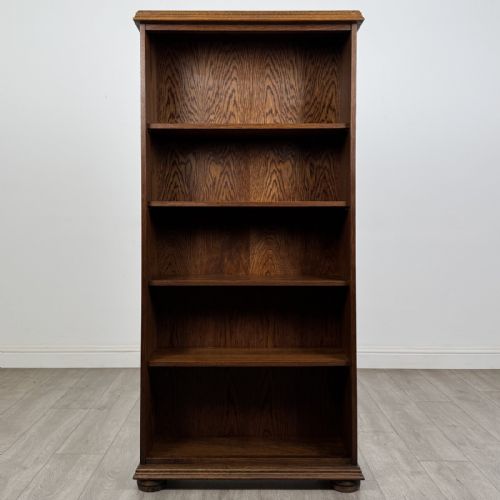
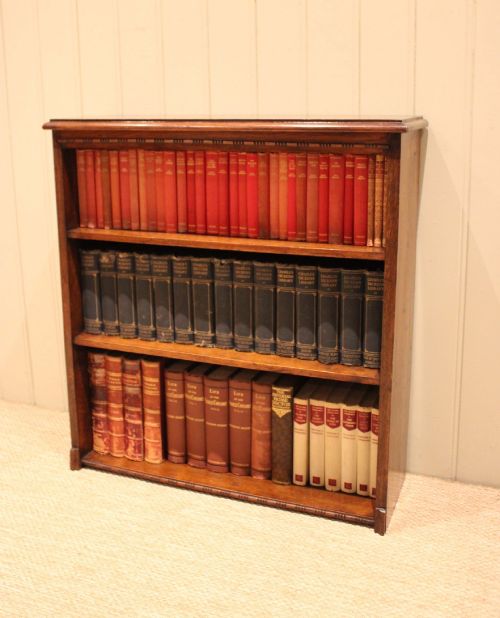
An oak display unit brings sturdy timber and clear panes together to present books and prized objects.
Oak Display Unit
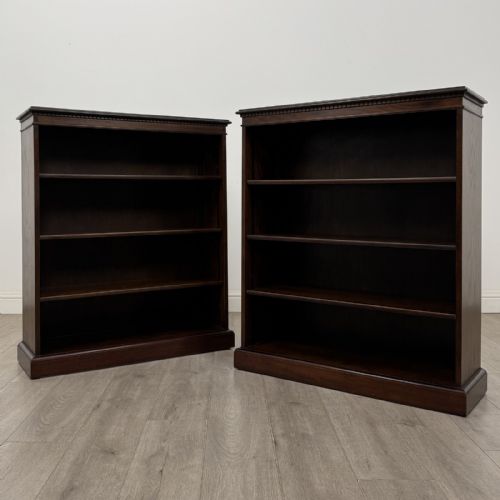
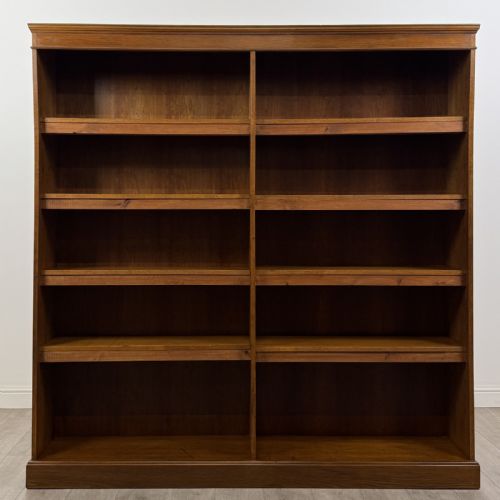
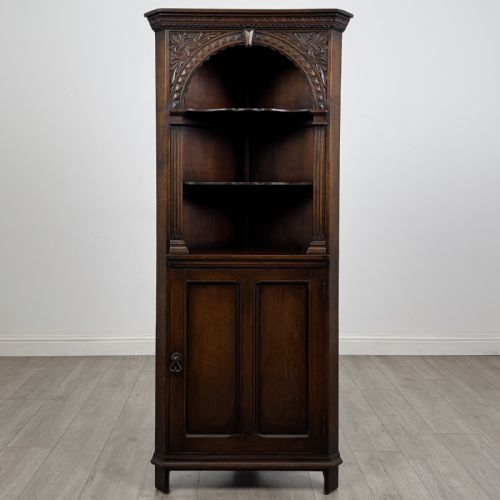
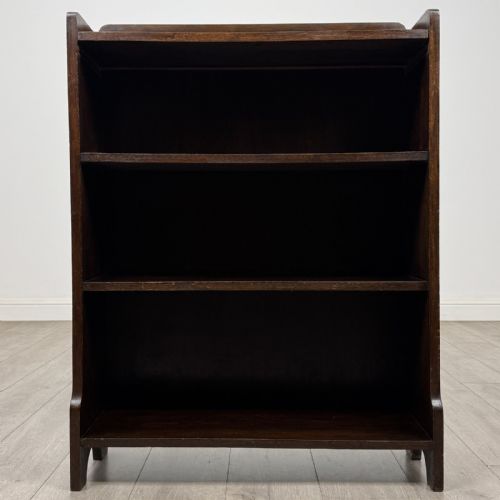
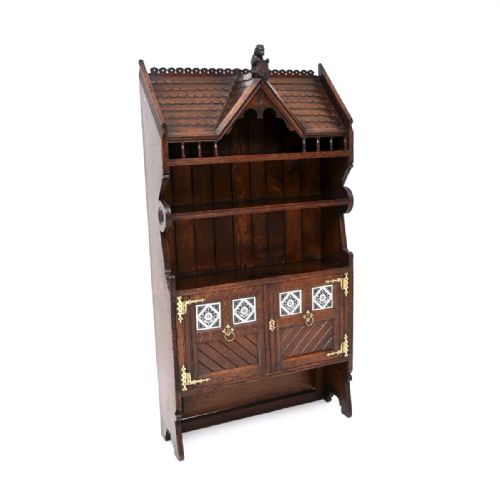
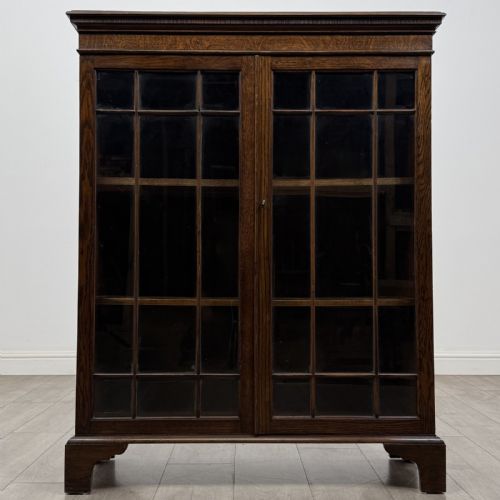
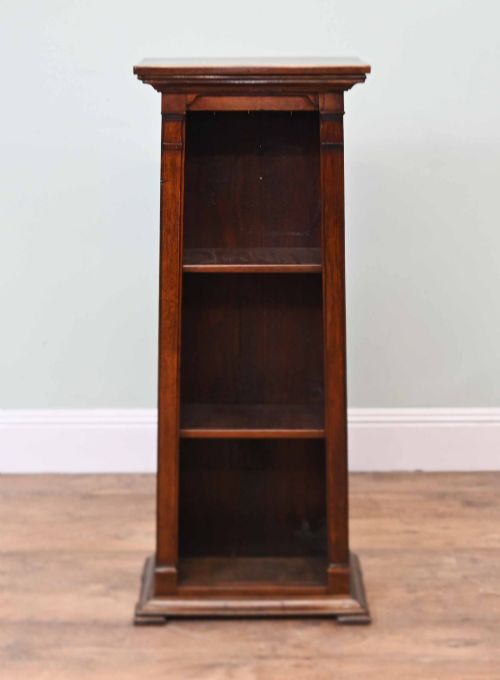
An oak display unit gathers books, china, and curated collections behind protective wooden frames and glass panels. Pieces range from tall Victorian bookcases and Edwardian glazed cabinets to compact wall-hanging corner cupboards and open shelving units.
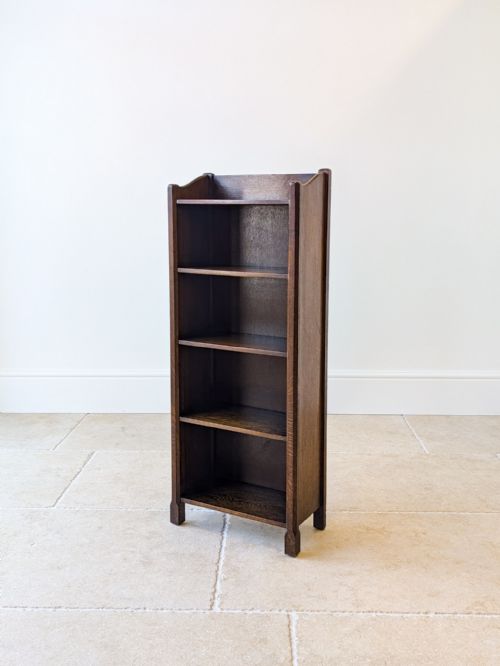
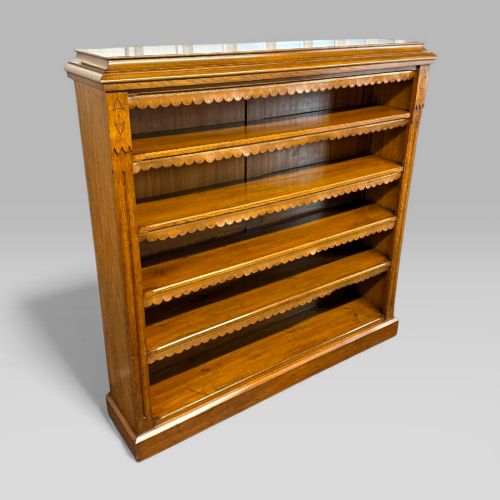
The Edwardian era contributes numerous open bookcases with raised galleries, carved edges, and leaded glass doors. Victorian examples lean towards heavier carved timber, adjustable shelving, and occasional ebonised highlights.
Later pieces from the 1930s introduce Art Deco influences, sliding glass, chrome details, and haberdashery counters alongside traditional corner cupboards rooted in earlier George III traditions.
Materials and construction
Makers utilise solid oak timbers, occasionally set with walnut or ebonised hardwood accents, to build robust frames that endure decades of daily use. Glass panels and leaded glazing secure the front elevations, allowing interior contents to remain visible yet protected from dust.
Brass fittings, iron hinges, and leather tops appear across various designs to add functional contrast to the wooden structures. Pegged joints, carved cornices, and linenfold panels demonstrate traditional woodworking techniques applied across Victorian, Edwardian, and Arts and Crafts pieces.
Oak Display Unit Retail Price Guide 2026
Typical asking prices for oak display unit among the pieces listed under this phrase on Sellingantiques today, from the lower quarter to the upper quarter. They describe what is for sale here now, not the wider market.
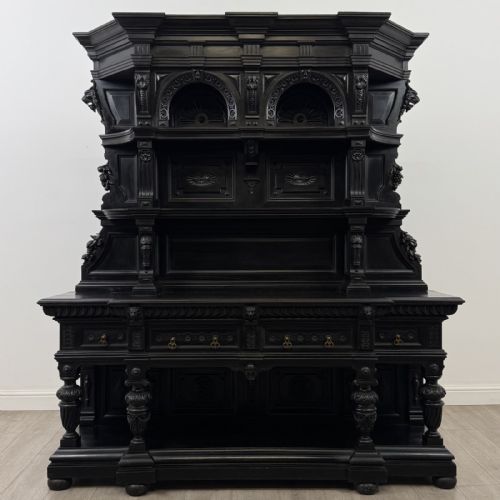
Lion masks peer from ebonised sideboards, watching over your book collection with fierce Victorian vigilance.
Judging construction and finish
The refinement of carved details, such as lion masks, dentil cornices, and intricate linenfold panels, distinguishes standard utility items from more ambitious cabinet work. Timber selection matters greatly, with golden oak grains and thoughtful board matching elevating the visual impact of a piece.
Hardware choice and joinery execution, including pegged construction and adjustable shelving mechanisms, dictate the structural integrity and longevity of the cabinet. Glazing quality, from simple flat panes to complex leaded sections, reflects the original maker's investment in the overall design.
John Moyr Smith·Liberty·Heals·Dudley and Co
The Oak Display Unit Glossary
- Dentil cornice
- A decorative moulding featuring a repeating series of small rectangular blocks projecting beneath the upper edge.
- Linenfold
- A style of wood carving that resembles folded folds of fabric or linen, common on panels.
- Leaded glass
- Glass panes held together within narrow strips of lead to form decorative windows or cabinet doors.
- Raised gallery
- A low decorative railing or shelf back positioned along the top surface of a bookcase or cabinet.
- Ebonised hardwood
- Timber treated with a dark stain or finish to imitate the appearance of ebony.
Oak Display Unit: Frequently Asked Questions
Where should I place an oak display unit?
These cabinets suit living rooms, studies, and dining spaces where books and ceramics benefit from enclosed storage.
Position them away from direct sunlight and moisture sources to protect the timber grain and glass panels over time.
How do I adjust the shelves?
Many Victorian and Edwardian bookcases feature adjustable shelf supports set into the interior sides.
Carefully lift each shelf to clear the supporting brackets before relocating them to the desired height slot.
Are corner cupboards practical for small rooms?
Wall-hanging and floor-standing corner cupboards utilise neglected room angles to maximise storage without blocking floor space.
They offer compact display capacity while keeping pathways clear in tighter hallways or dining corners.
How do I identify an Edwardian bookcase?
Edwardian examples frequently combine golden oak timber with lighter proportions, raised galleries, and leaded glass doors.
They often reflect Arts and Crafts simplicity or functional practicality compared to heavier Victorian counterparts.