

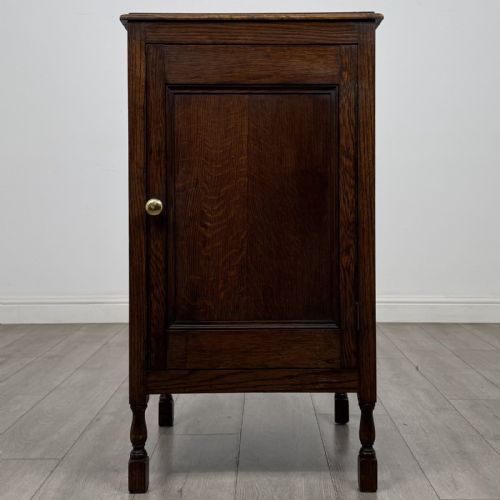
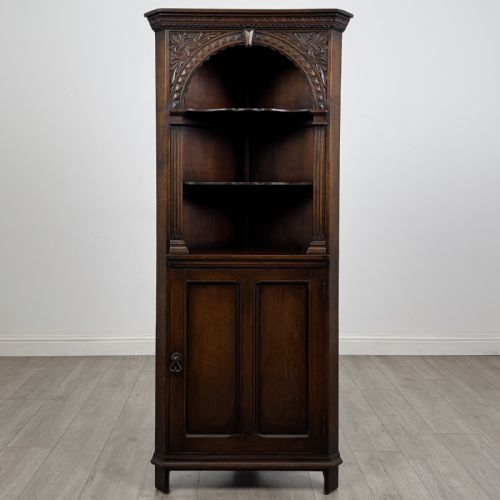
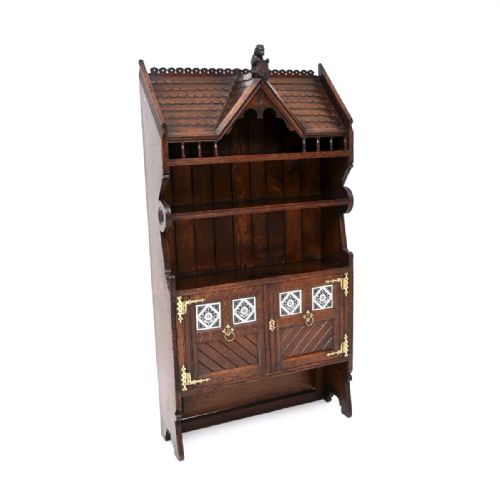
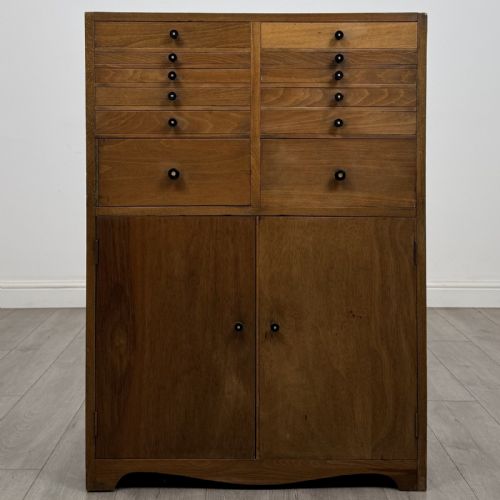
Oak Cupboard Unit
An oak cupboard unit brings solid British timber and practical storage into a room, offering enduring utility across centuries of design.
Oak Cupboard Unit
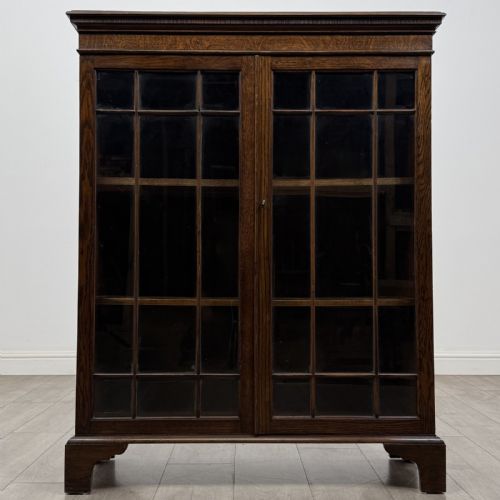
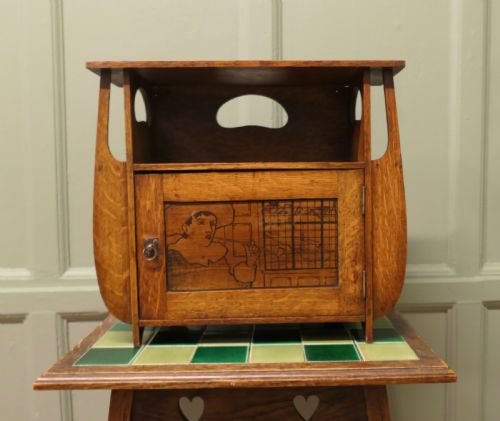
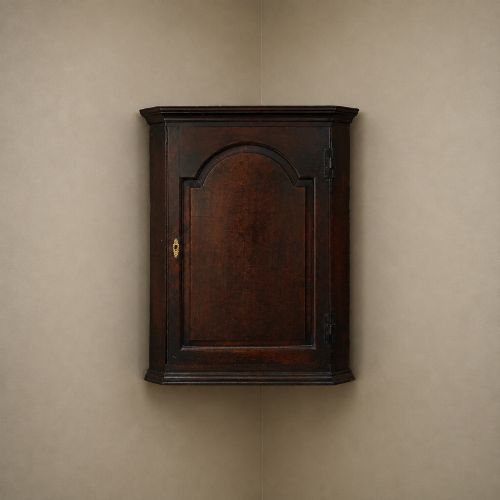
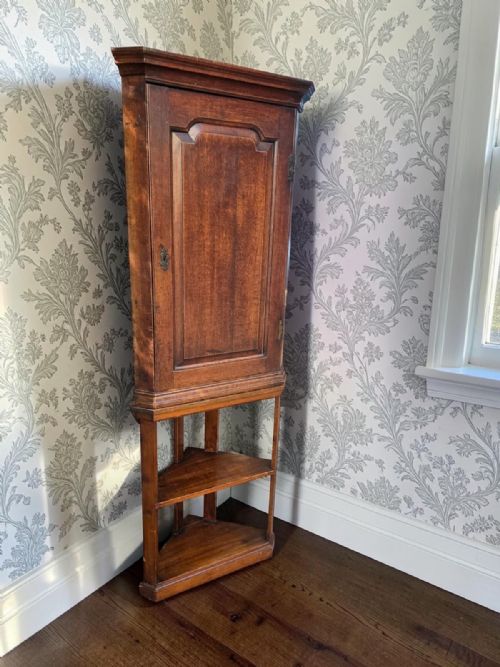
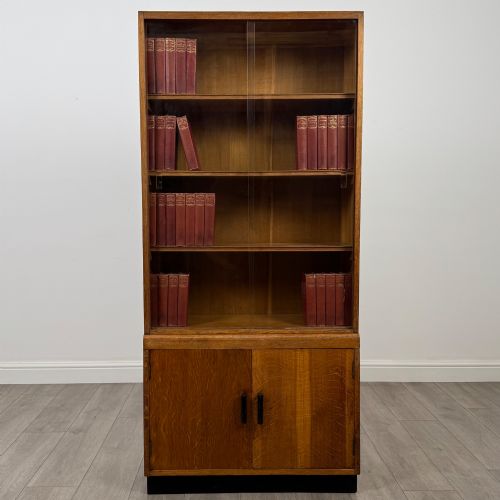
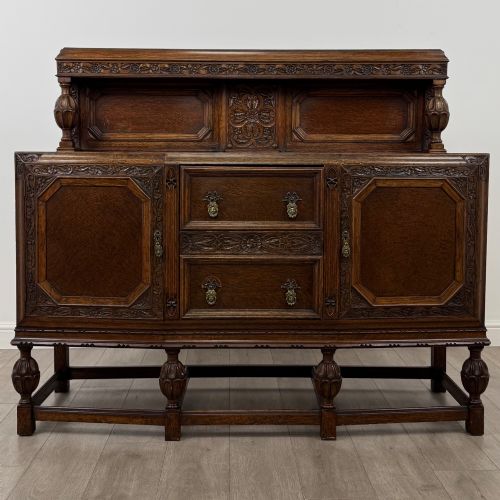
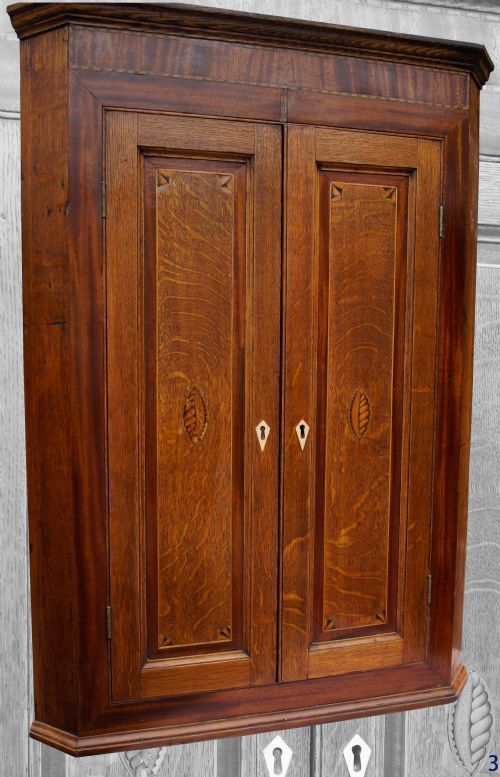
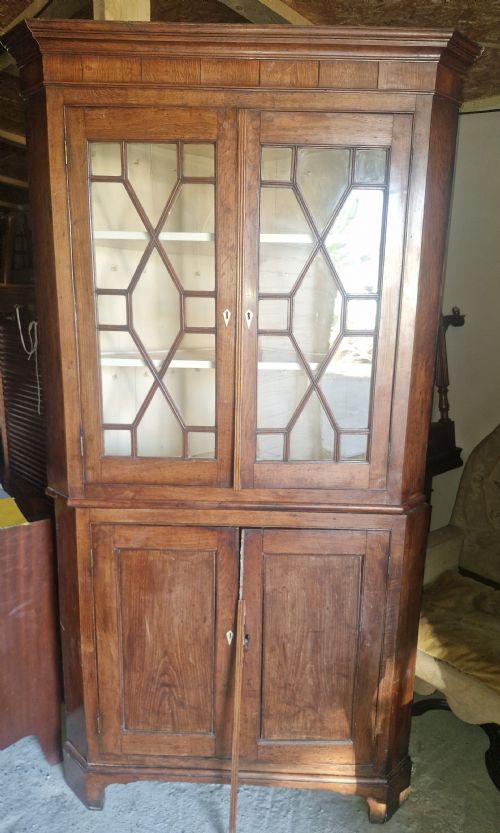
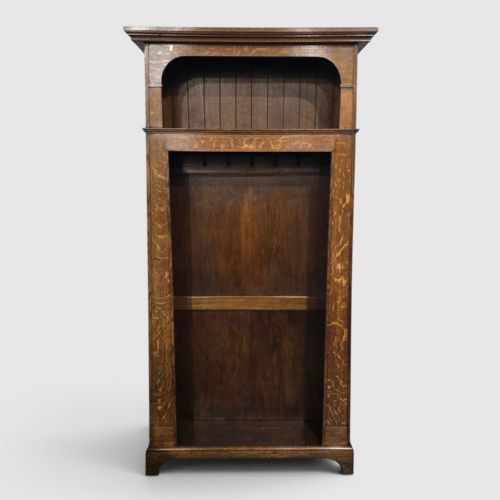
When you search for an oak cupboard unit, you encounter pieces spanning from the 18th century through the Georgian, Victorian, and Edwardian eras up to the mid-20th century. These items range from floor-standing corner cabinets and wall-hanging units to fitted storage furniture and glazed display cases.
The domestic interior relies on these pieces for concealed storage and display. Provincial French, Welsh, and English workshops each contributed distinct regional forms, utilising durable local timber for everyday utility.
Materials and Construction
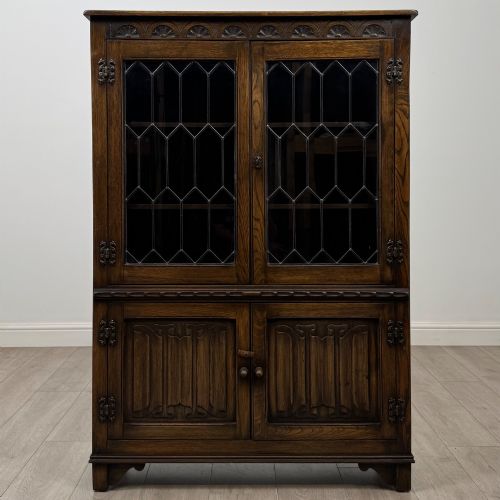
Makers built these cabinets primarily from solid oak, often pairing the main timber with pine internals or backing boards. Iron and brass hardware, including decorative face handles and H hinges, secure doors and drawers.
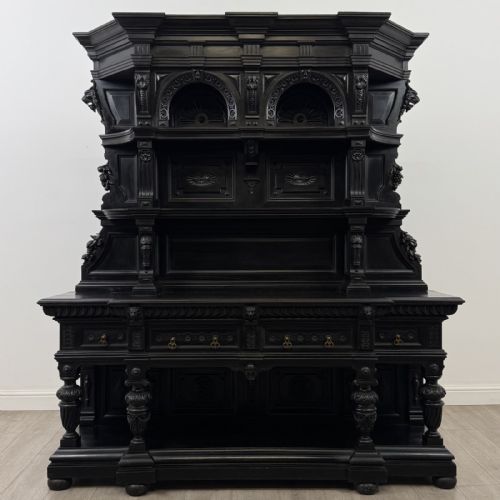
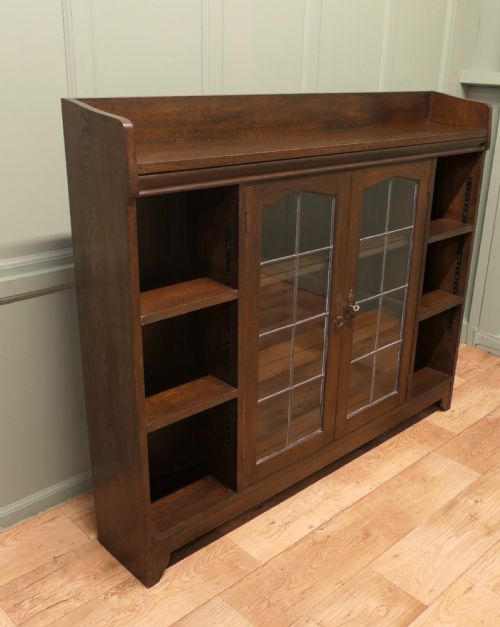
Glazing techniques involve plain or leaded glass panes to showcase contents within display cabinets and bookcases. Finer examples incorporate specialised details such as linenfold carving, ebonised accents, and raised galleries.
Oak Cupboard Unit Retail Price Guide 2026
Typical asking prices for oak cupboard unit among the pieces listed under this phrase on Sellingantiques today, from the lower quarter to the upper quarter. They describe what is for sale here now, not the wider market.
Design styles span Georgian, Jacobean Revival, Arts and Crafts, Victorian, Edwardian, Mid-Century Modern, and Tudor Revival.
Evaluating Craftsmanship
The distinction between standard utility items and finer pieces lies in the depth of hand-carving and the choice of secondary woods. Superior construction shows in tightly fitted joinery and original hardware rather than modern replacements.
Period integrity separates basic workshop output from master pieces, particularly in the execution of revival styles like Jacobean or Arts and Crafts. Well-preserved surface patination and intact glass panels elevate the standing of any unit.
John Moyr Smith·Liberty·Hudson Bros·Heals
The Oak Cupboard Unit Glossary
- Linenfold
- A style of wood carving that mimics folded parchment or fabric. This technique appears frequently on Edwardian panels.
- Corner Cupboard
- A storage unit shaped to fit directly into the right angle of a room. These exist in both wall-hanging and floor-standing formats.
- Leaded Glass
- Small panes of glass held together by strips of lead cames. This method strengthens windows and cabinet doors.
- Hinge
- A mechanical bearing that connects a door to the cabinet frame. Brass H hinges feature prominently on vintage pieces.
- Patina
- The surface sheen and colour acquired by wood through age and use. Natural patination develops without artificial polishing.
Oak Cupboard Unit: Frequently Asked Questions
How do I date an oak cupboard?
Examine the construction methods, handle styles, and secondary timbers used in the interior. Tool marks and joint types often reveal whether a piece originates from the 18th century or later revival periods.
Hardware such as brass face handles or iron H hinges provides additional clues. Period conventions in mouldings and carving styles help narrow down the decade of manufacture.
Where should I place a corner cabinet?
These units suit unused room corners to maximise floor space while providing display or storage capacity. Wall-hanging versions anchor well above sideboards or desks.
Floor-standing corner pieces require adequate clearance for door swings. Ensure the unit height matches surrounding furniture proportions.
How do I maintain oak furniture?
Dust regularly with a dry cloth and avoid harsh chemical sprays that strip the natural finish. Keep wooden units away from direct heat sources to prevent warping.
Occasional waxing preserves the moisture balance in old timber. Proper room humidity protects both the oak structure and any leaded glass panels.
What is a linenfold design?
Linenfold is a decorative relief carving that resembles stiff fabric folded over itself. Cabinet makers utilised this motif extensively on doors and side panels.
This style gained popularity in Tudor times and saw revivals during the Edwardian era. It adds texture and architectural interest to plain storage fronts.