

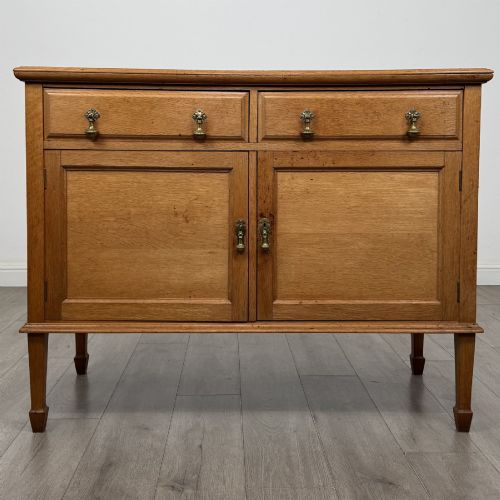
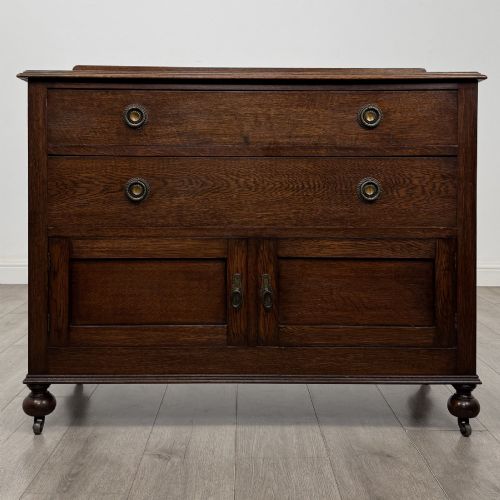
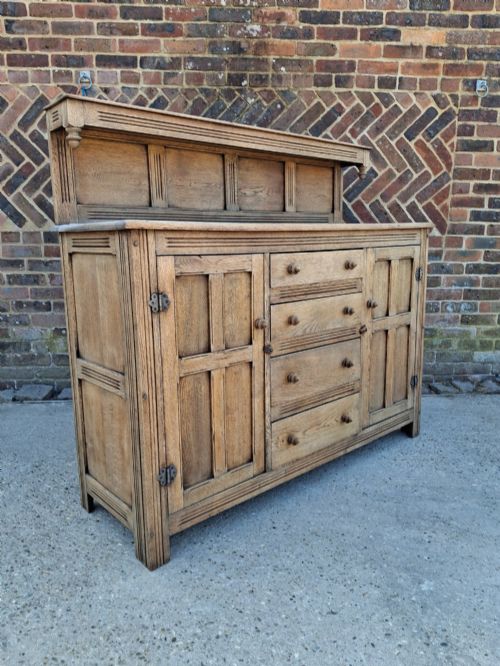
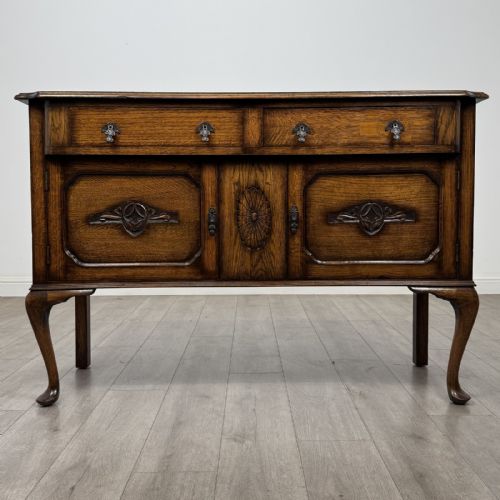
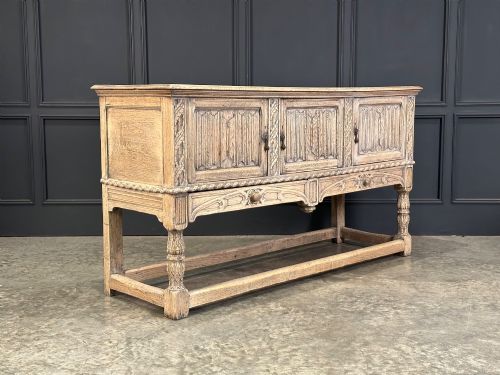
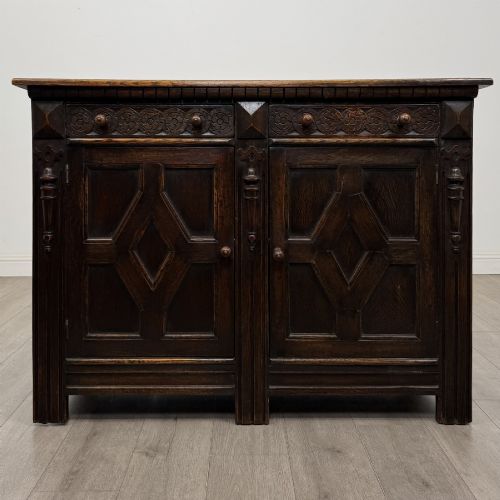
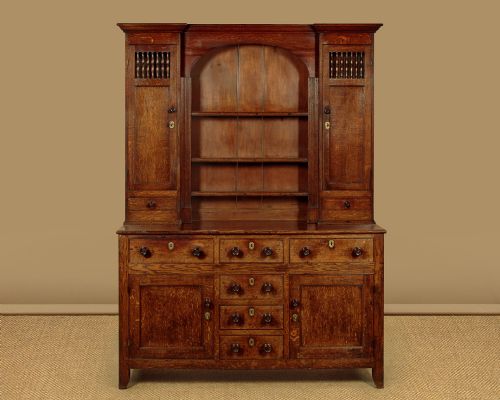
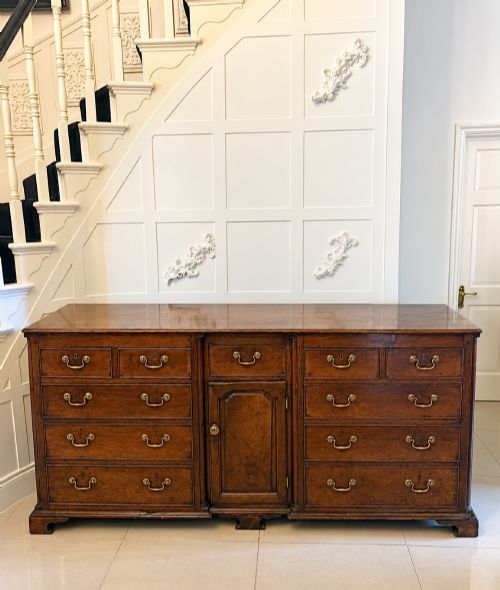
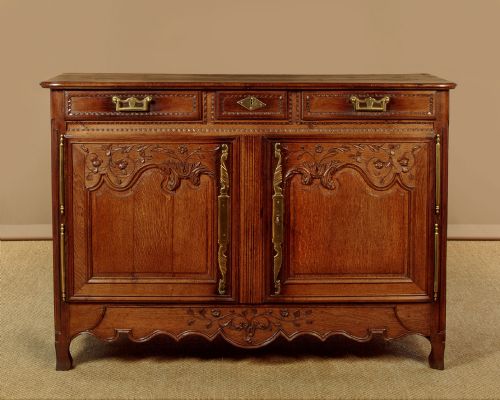
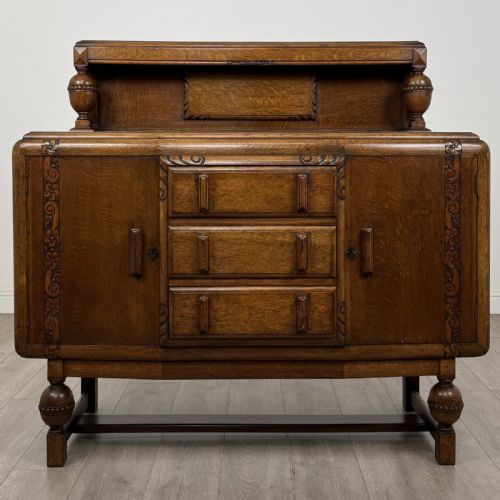
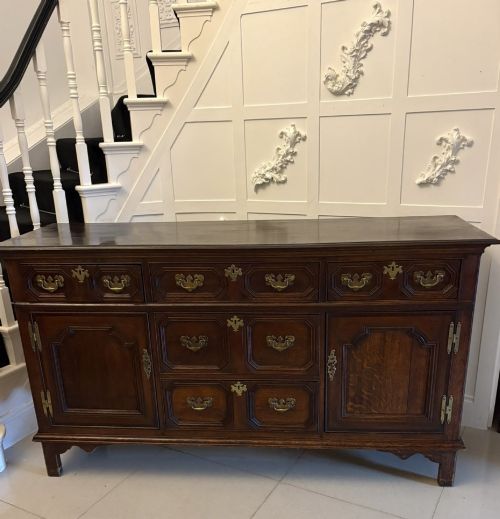
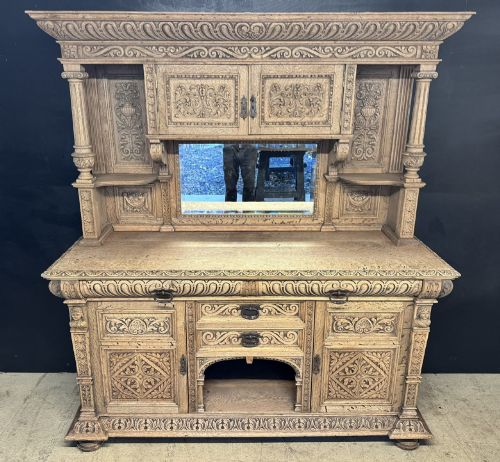
Oak Cupboard Base Dresser
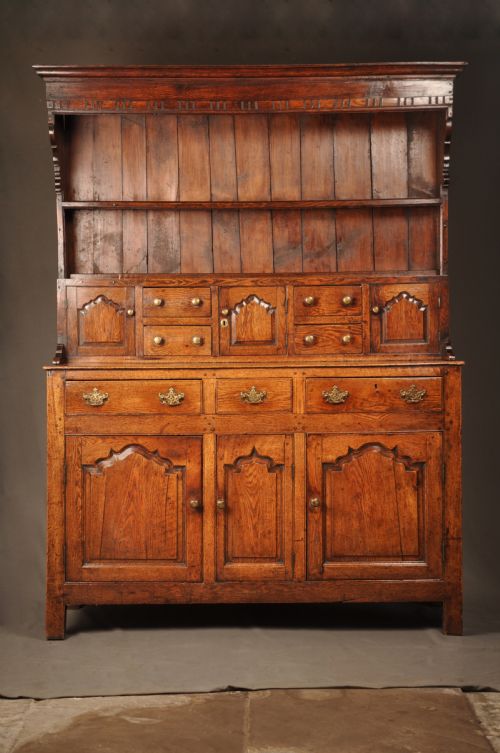
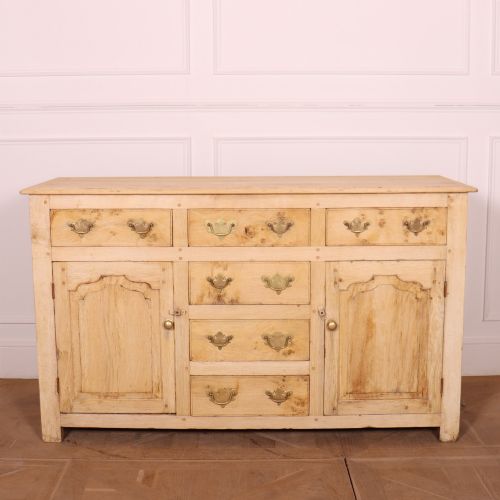
An oak cupboard base dresser grounds a room with heavy timber and practical storage, offering surface space above panelled doors.
Oak Cupboard Base Dresser
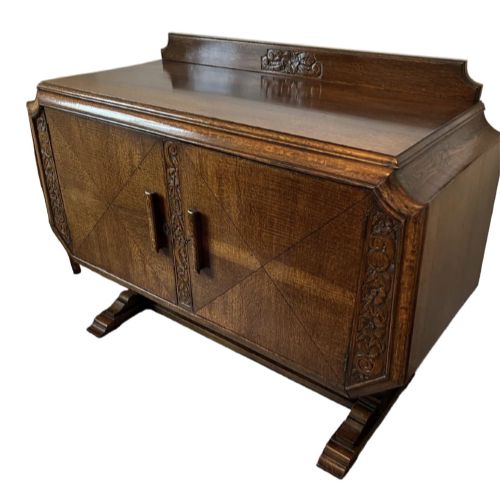
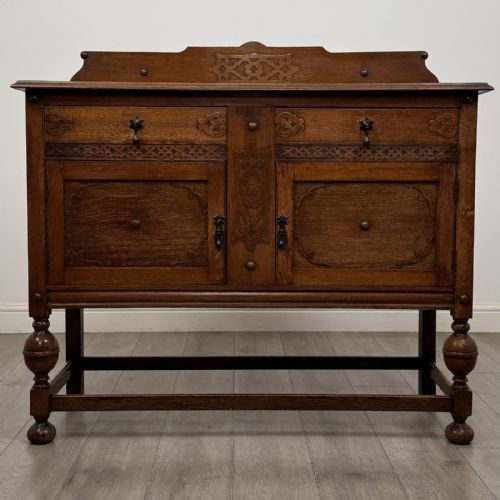
When searching for an oak cupboard base dresser, buyers examine substantial timber furniture combining a low storage cupboard with a flat top surface, often associated with dining rooms and kitchens. These forms frequently appear as dresser bases, sideboards, or housekeepers' cupboards originating from various regional traditions.
The pieces listed on this page span several centuries and design movements, including Georgian, Victorian, Edwardian, and the Cotswold School. Examples range from simple 18th-century country pieces to revival styles and 1930s cabinet work in English oak.
Regional variations emerge clearly across the selection, featuring Welsh and Lancashire formats alongside French enfilades and formal George III designs. Buyers encounter narrow proportions, large carved structures, and fitted interiors designed for household provisions or dining equipment.
Distinctions in craftsmanship and design
Quality separates through the crispness of hand-carved ornamentation, such as Green Man motifs or geometric panels, compared to simpler mechanical milling. The choice of timber grain, particularly figured pollard oak or burr elm, elevates the visual presence of a piece.
Proportion and structural balance define the finer examples, where bracket feet, moulded fronts, and sturdy stretcher bases integrate harmoniously. Maker attribution, such as stamped Cotswold School work, adds documented provenance to construction excellence.
Oak Cupboard Base Dresser Retail Price Guide 2026
Typical asking prices for oak cupboard base dresser among the pieces listed under this phrase on Sellingantiques today, from the lower quarter to the upper quarter. They describe what is for sale here now, not the wider market.
Several cupboards peer back at you through watchful Green Man carved wooden faces.
Peter Waals
The Oak Cupboard Base Dresser Glossary
- Dresser base
- A low wooden sideboard or cabinet featuring drawers above enclosed cupboards, historically used in kitchens or dining rooms for serving food and storing tableware.
- Housekeeper's cupboard
- A large tall storage cabinet traditionally utilised in large homes for housing linen and dry goods, built with sturdy oak panels and internal shelving.
- Enfilade
- A long sideboard or buffet featuring a continuous line of three or more doors across the front, commonly found in French cabinet making.
- Linenfold
- A style of wood carving that imitates folded linen cloth, frequently utilised on the vertical panels of Edwardian and revival cupboards.
- Tridarn
- A traditional Welsh piece of furniture featuring a three-tier structure with enclosed cupboards, combining display and storage functions.
- Pollard oak
- Timber taken from trees that have been pollarded, producing dense, highly figured wood grain patterns utilised for decorative veneer and solid panels.
Oak Cupboard Base Dresser: Frequently Asked Questions
What is an oak cupboard base dresser used for?
These pieces function primarily as sideboards or serving surfaces in dining areas while providing enclosed storage behind doors and drawers for tableware and household items.
The flat top surface also accommodates lamps, decorative objects, or serving dishes during meals.
How do I date an oak dresser base?
Dating relies on observing construction joints, handles, and stylistic details such as Gothic Revival mouldings or Georgian bracket feet.
Periods represented on this page range from 17th-century vernacular work to 1930s Arts and Crafts designs.
Where were these dressers originally made?
Origin points include regional English workshops in Lancashire and Wales, alongside French provincial cabinet makers and Cotswold School studios.
Local timber traditions strongly influenced the regional design characteristics of each piece.
Are these pieces suitable for modern dining rooms?
The substantial timber construction and practical storage capacities make them functional additions to contemporary living spaces.
They coordinate well with various interior styles due to the natural warmth of English oak.