




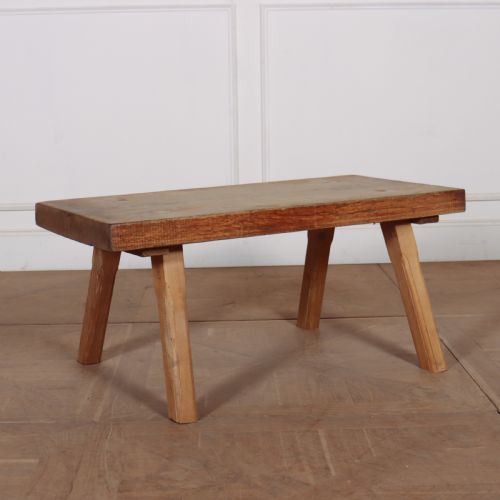


Oak Coffee Table Stool
An oak coffee table stool brings solid timber grain and low proportions into a sitting room, offering a versatile surface or seat.

Oak Coffee Table Stool
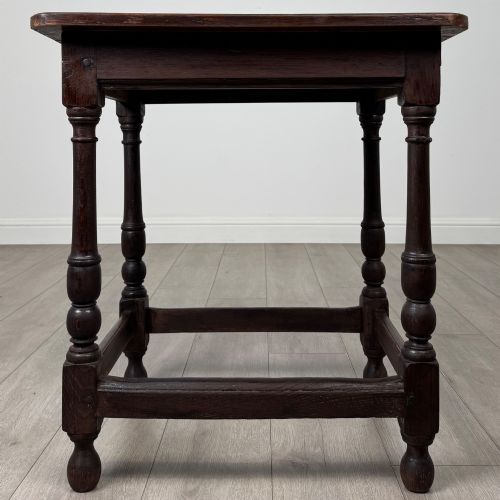
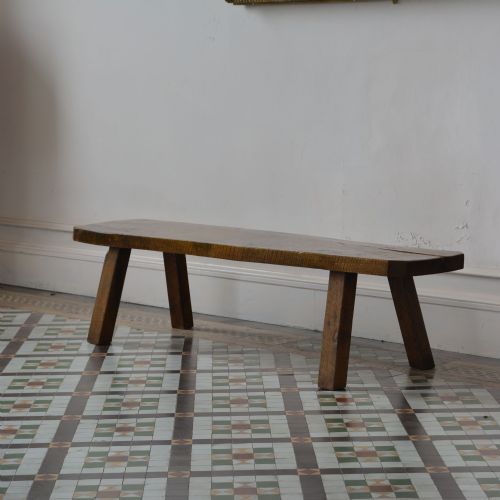
An oak coffee table stool draws together low seating forms and sturdy timber tables, spanning centuries of British and continental joinery. When searching for an oak coffee table stool, buyers encounter diverse forms ranging from seventeenth-century gateleg and joint stools to nineteenth-century pig benches and low side tables.
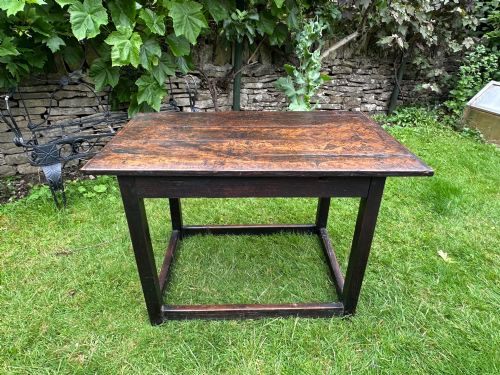
The selection frequently includes low occasional tables, plank-top tables, and buttoned leather footstools adapted for modern living. These pieces originate from distinct eras including the Edwardian period, the Victorian era, and earlier centuries, each displaying robust construction and utilitarian character.
Rustic country styles and Jacobean revivals dominate the aesthetic, presenting honest joinery and patinated surfaces. Buyers are most likely to meet low side tables and converted joint stools that function naturally as coffee tables in contemporary interiors.
How they were made
Makers utilised solid oak and elm for structural frames, plank tops, and turned legs, ensuring lasting durability. Softwood timber occasionally appears in secondary framing or internal components, reflecting regional cabinet-making traditions.
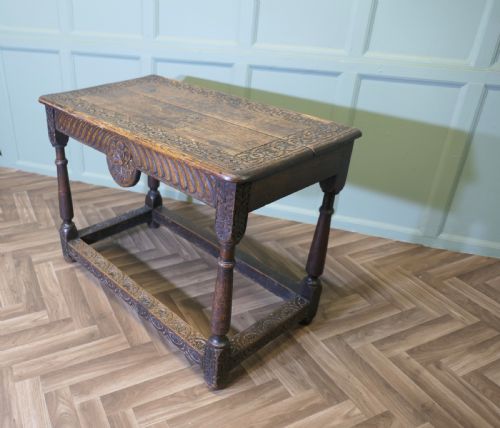
Surface detailing involves traditional joinery methods alongside applied brass hardware, buttoned leather upholstery, and textured fabric additions. Carpenters shaped timber using hand tools to create pegged joints, carved Celtic motifs, and drop flaps on gateleg configurations.
Several pieces began life holding heavy farm tools or church Bibles before settling down as your afternoon tea surface.
What varies in quality
The distinction between standard examples and superior pieces rests upon the depth of timber figure, the integrity of the original construction, and the preservation of honest patination. Heavier oak planks and well-balanced proportions elevate a piece above simpler utilitarian forms.
Hand-carved detailing, such as Celtic revival motifs or precise turning on table legs, demonstrates higher craftsmanship. The harmony between the original function, whether as a joint stool or a pig bench, and its adapted role as a low table determines the overall success of the piece.
The Oak Coffee Table Stool Glossary
- Joint stool
- A traditional wooden stool constructed with mortise and tenon joints, often featuring pegged framing. These sturdy pieces frequently find new life as low tables.
- Gateleg
- A table construction featuring hinged flaps supported by swing-out legs. This clever mechanism allows the surface area to expand or contract as needed.
- Plank top
- A solid wooden surface formed from joined boards rather than a single sheet. This construction showcases the natural grain and growth rings of the timber.
- Patina
- The surface sheen and colour developed through years of handling, polishing, and natural oxidation. It serves as a visual indicator of age and genuine use.
Oak Coffee Table Stool: Frequently Asked Questions
What is an oak coffee table stool?
An oak coffee table stool is a low-profile wooden furnishing that bridges the gap between traditional seating and occasional tables. These pieces often originate as historic joint stools, benches, or low side tables.
Their sturdy timber construction and compact height make them well suited for modern living rooms as functional coffee tables.
How do I date an oak table stool?
Dating relies on examining the construction methods, tool marks, and hardware used in the frame. Hand-pegged joints and dense timber grain typically indicate earlier centuries of craftsmanship.
Later Victorian and Edwardian examples often feature machine assistance or distinct revival styles like Celtic carving and Jacobean turning.
Can these stools be used daily?
These robust oak furnishings are built from solid timber and designed for practical utility. Their durable frames easily support daily placement of books, cups, and resting feet.
Routine care involves simple dusting and occasional waxing to preserve the natural finish of the wood.
What styles are available in oak?
The selection encompasses rustic country designs, formal Georgian proportions, and decorative Victorian or Edwardian revivals. Pieces range from unpretentious primitive work tables to elaborately carved occasional stands.
This variety allows buyers to match the furniture to both traditional and contemporary interior spaces.