


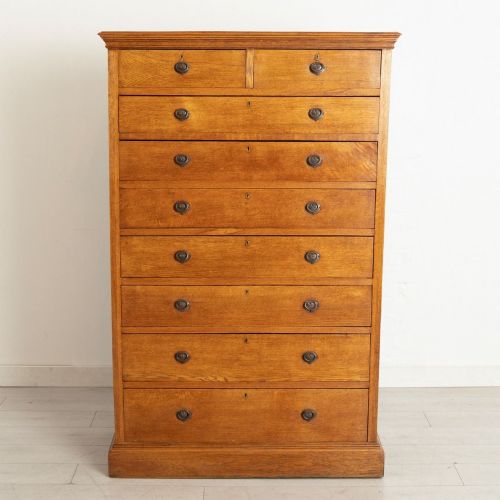


Oak Chiffonier Dresser
These oak chiffonier dresser pieces combine utility and craftsmanship, offering sturdy storage and display surfaces built from durable timbers.
Oak Chiffonier Dresser
An oak chiffonier dresser brings together timber storage forms, appearing across Victorian, Edwardian, and Arts and Crafts periods with variations in carving and height. Buyers seek these items for their practical cupboards, drawers, and surface space, which serve dining rooms and living areas alike.
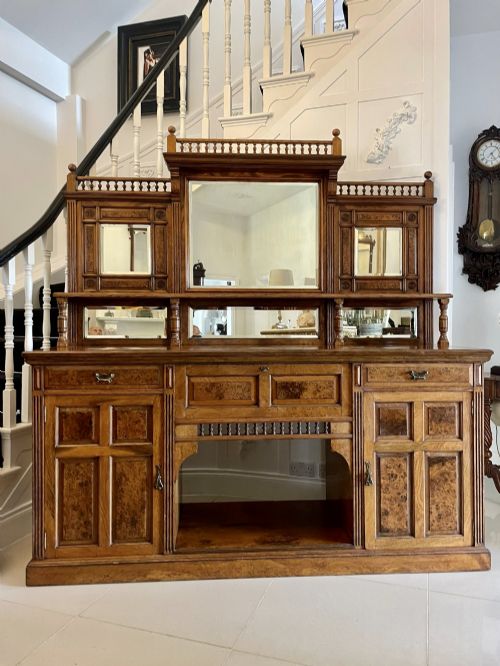
The pieces on this page span sideboards, chests of drawers, and cabinets built primarily from oak. They frequently incorporate mirror backs, leaded glass, and brass fittings alongside the main timber body.
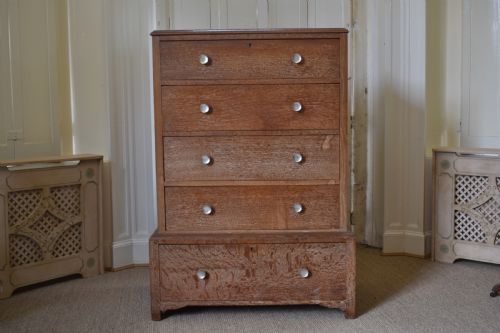
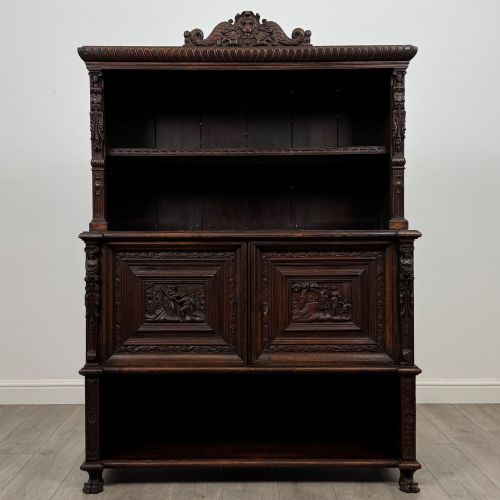
Victorian and Edwardian examples dominate the selection, often featuring carved details or mirror tops. Later twentieth-century items lean towards limed finishes and taller chest formats.
How they were made
Makers utilised solid oak alongside specialised veneers such as pollard oak to create varied surface textures and grain patterns. Structural integrity relied on traditional joinery methods suited to heavy sideboards and tall chests.
Glass panels, sometimes leaded, and brass hardware were integrated into cabinet doors and drawer fronts. Mirror glass was fitted into carved wooden frames to sit atop sideboard bases.
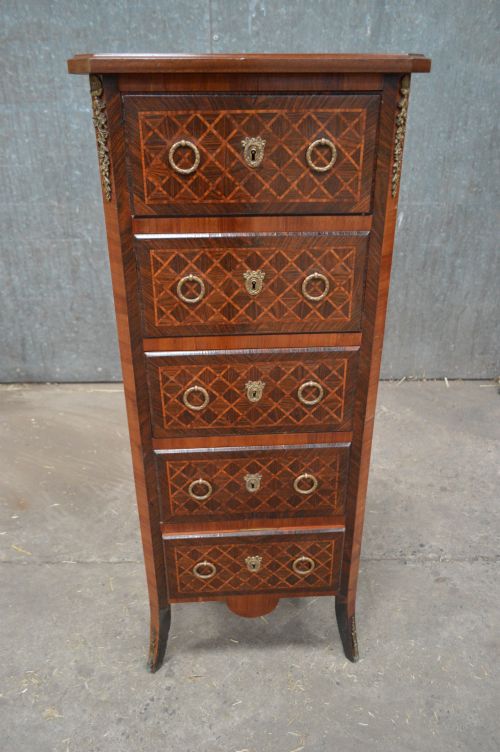
Surface treatments ranged from polished golden oak to limed finishes and parquetry work, depending on the period and stylistic movement of the workshop.
Listings feature oak, pollard oak, and limed oak alongside brass, glass, and leaded glass components across various periods.
What varies in quality
The grade of timber selection and the complexity of the cabinetwork define the upper tier of these pieces. Figure in pollard oak veneers and the depth of hand-carving distinguish superior examples from simpler utilitarian storage.
Integration of secondary woods like pine, the retention of original brass hardware, and the clarity of mirror glass indicate the level of original craftsmanship. Cohesive proportioning between mirror backs and lower cabinet bases also marks finer work.
The Oak Chiffonier Dresser Glossary
- Chiffonier
- A low sideboard or cabinet featuring cupboards and drawers, often topped with a shelf or mirror structure. It provides compact storage for tableware and household items.
- Pollard Oak
- Timber taken from trees that have been pollarded, producing a dense, highly figured grain pattern used for decorative veneer panels. This material adds rich visual texture to cabinet fronts.
- Limed Oak
- A wood finishing technique where a white pigment is rubbed into the open grain of oak to create a pale, textured appearance. This treatment gained popularity in later twentieth-century designs.
- Parquetry
- Geometric wood mosaic work used for decorative surfaces on furniture. Small pieces of contrasting timber are fitted together to form patterns.
- Leaded Glass
- Small panes of glass held together by strips of lead to form windows or cabinet doors. This technique appears frequently in Arts and Crafts pieces.
Oak Chiffonier Dresser: Frequently Asked Questions
What is an oak chiffonier dresser?
An oak chiffonier dresser is a storage piece combining cupboards, drawers, and sometimes a mirror back or upper display section. They were traditionally used in dining spaces to hold tableware and linens.
These items range from heavy Victorian carved sideboards to simpler Edwardian and Arts and Crafts cabinets. Their sturdy oak construction ensures lasting durability for modern homes.
How do I date an oak chiffonier?
Dating relies on observing stylistic markers such as Victorian carving, Edwardian mirror backs, or the clean lines of Arts and Crafts design. Materials like pollard oak veneer and limed finishes also point to specific eras.
Hardware styles, construction methods, and the presence of secondary timbers like pine help narrow down the decade of manufacture. Examining the joinery provides further clues to the period.
Where should I place a sideboard?
Sideboards suit dining rooms, large hallways, or living spaces where surface area and enclosed storage are both needed. Pieces with mirror backs help reflect light and brighten smaller rooms.
Ensure adequate wall space is available, particularly for taller mirror-backed designs. Keeping them away from direct heat sources protects the timber and veneer.
How do I care for oak furniture?
Maintain oak surfaces by dusting regularly with a soft, dry cloth and avoiding silicone-based polishes. Wax can be applied occasionally to nourish the timber and preserve the finish.
Protect the wood from direct sunlight and extreme humidity fluctuations to prevent warping or cracking. Handle brass hardware and glass panels with care during cleaning.