




Novelty Table Light
A novelty table light brings character to a room through figurative and unusual designs shaped from brass, porcelain, and carved wood.
Novelty Table Light
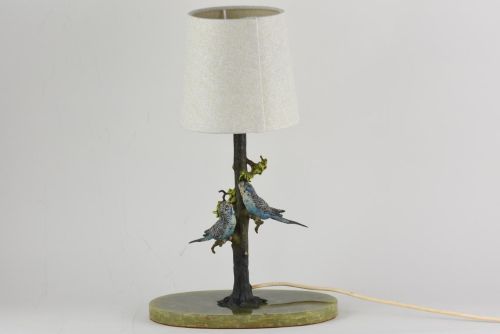
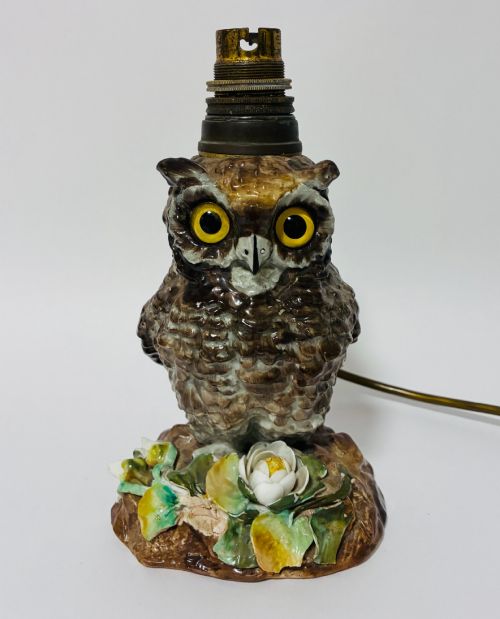
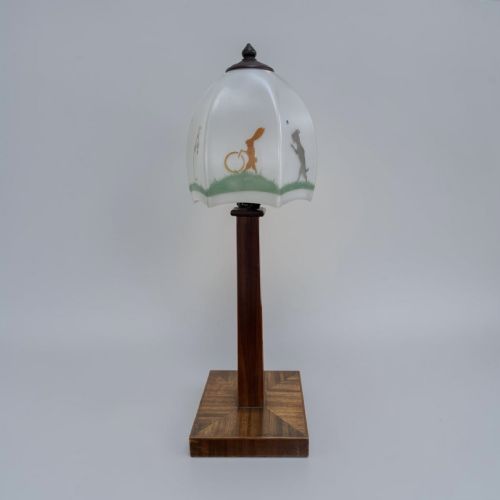
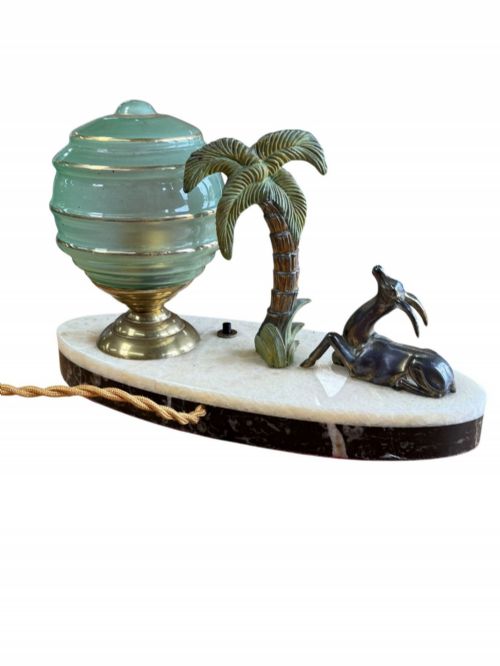
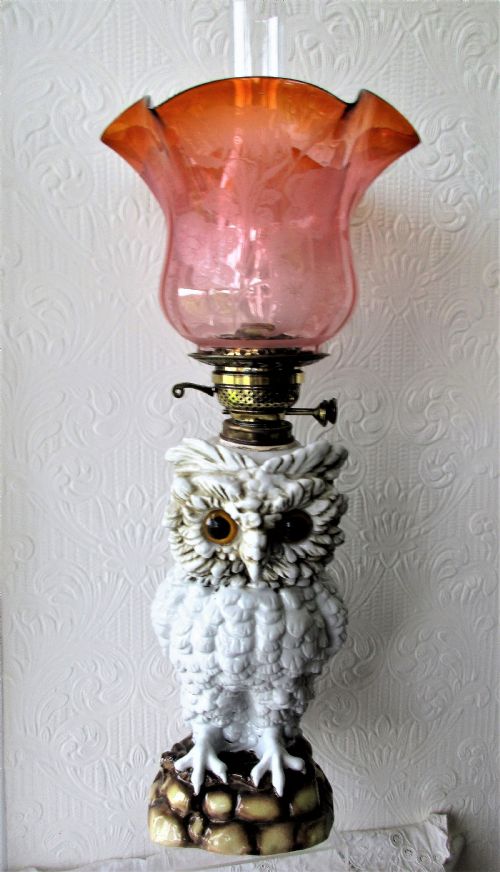
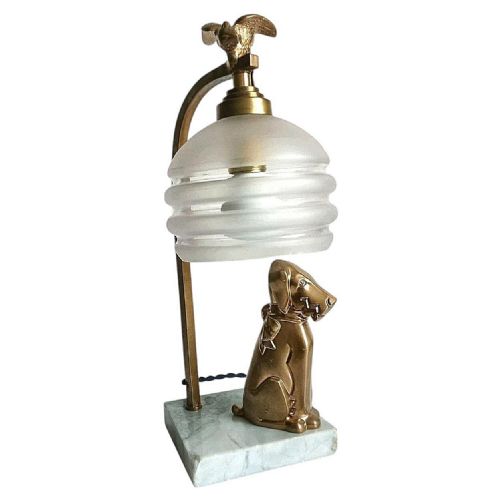
A novelty table light takes the form of animals, architecture, or everyday objects transformed into functional illumination or lighting accessories. When you explore this selection, you encounter pieces shaped as owls, dogs, bears, elephants, lighthouses, books, and sail yachts.
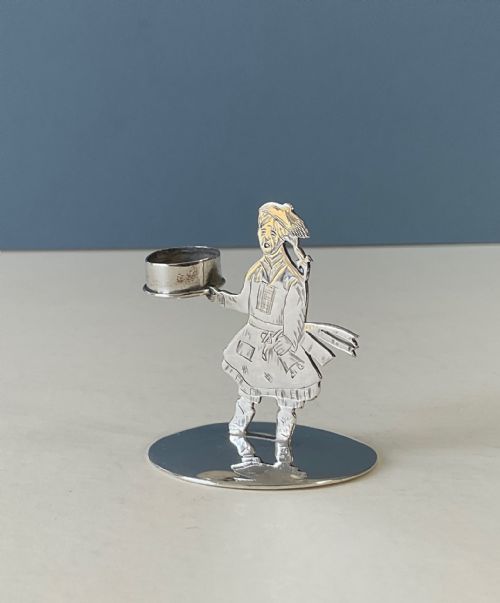
The objects span from the Victorian and Edwardian eras into the Art Deco period, taking forms such as oil lamps, table lamps, candlesticks, chambersticks, and table lighters. Victorian and nineteenth century examples lean towards realistic porcelain birds and taxidermy, whilst later pieces embrace stylised animals and transport themes.
German factories and French studios feature prominently alongside British and American pieces, showcasing how different regions interpreted domestic whimsy. The selection ranges from carved Black Forest linden wood bears to cast iron animals and silver-plated botanical motifs.
Materials and construction
Makers fashioned these pieces using a combination of porcelain, cast brass, silver plating, carved linden wood, and solid oak. Porcelains from makers like Sitzendorf and Ernst Bohne & Sohn provided smooth surfaces for hand-painted animal figures, whilst metals such as brass and cast iron offered sturdy foundations for heavier table lamps and candlesticks.
Techniques varied by material, involving intricate hand-carving for Black Forest wooden bears, detailed moulding and firing for porcelain owls and dogs, and metal casting for military sword candlelamps and yacht lights. Many period oil lamps and candlesticks underwent later conversions to electricity to suit modern interiors.
Novelty Table Light Retail Price Guide 2026
Typical asking prices for novelty table light among the pieces listed under this phrase on Sellingantiques today, from the lower quarter to the upper quarter. They describe what is for sale here now, not the wider market.
Objects span the Victorian, Edwardian, and Art Deco periods, encompassing both functional oil lamps and decorative table lighters.
Judging quality
The integrity of the materials and the sophistication of the design dictate the standing of a piece. Finer works integrate the lighting mechanism naturally into the sculptural subject, maintaining balance and proportion whether the piece is executed in solid silver, bronze, or glazed porcelain.
Sitzendorf·Argilor·Ernst Bohne & Sohn
The Novelty Table Light Glossary
- Chamberstick
- A short candlestick fitted with a shallow pan and a handle, designed for carrying about a house at night.
- Black Forest
- A regional style of nineteenth and early twentieth century wood carving, typically featuring bears and forest animals rendered in linden wood.
- Oil lamp
- A lighting device that burns liquid fuel via a wick, frequently adapted to electricity in later decades.
- Table lighter
- A mechanical device designed for domestic use on a tabletop, often fashioned into decorative figural shapes during the Victorian period.
- Perfume lamp
- A vessel incorporating a small heated bulb to diffuse scent into a room whilst providing ambient light.
Novelty Table Light: Frequently Asked Questions
What is a novelty table light?
A novelty table light is a functional lighting piece or accessory sculpted to resemble an animal, building, plant, or object rather than following standard column or urn shapes.
These pieces range from Victorian porcelain owls and German hunting dogs to Art Deco yachts and carved wooden bears.
How do I date an antique lamp?
Dating relies on stylistic markers, manufacturing techniques, and the materials used, such as heavy Victorian brass casting versus streamlined Art Deco chrome.
Examining the base, fittings, and maker marks helps place the piece within periods spanning the nineteenth century up to the 1930s.
Were these lamps originally electric?
Many older pieces began life as oil lamps, candlesticks, or chambersticks before being converted to electricity during the twentieth century.
Some items, such as cast iron andirons or cavalry swords, were adapted into lamp bases long after their initial manufacture.
How do I care for porcelain lamps?
Porcelain figural lamps require gentle dusting with a soft cloth and should be kept away from harsh cleaning chemicals to protect hand-painted details and glazes.
Checking vintage wiring with a qualified electrician ensures safe operation for daily use in the home.