



Novelty Silver Head Stick
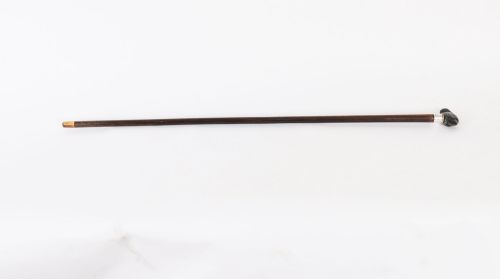
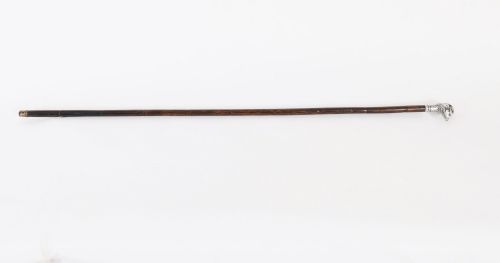
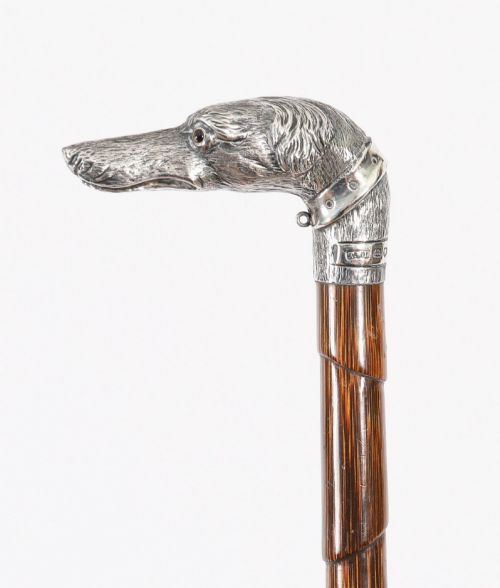
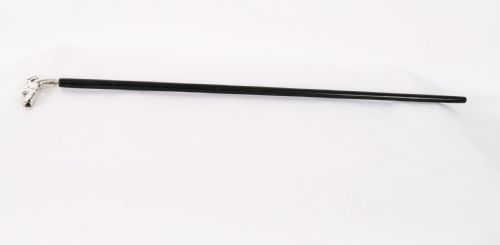
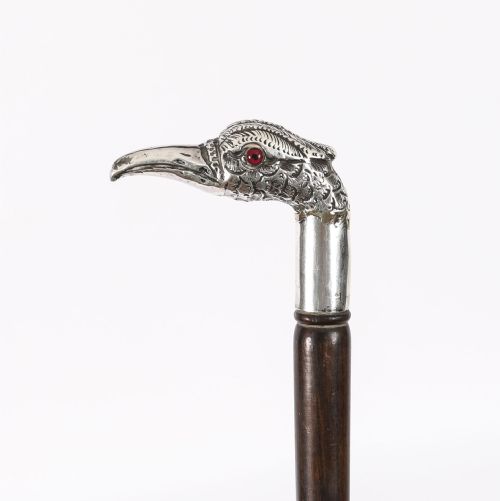
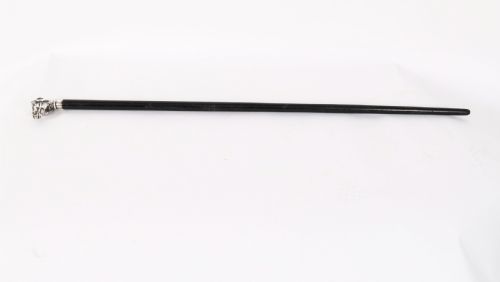
A novelty silver head stick brings character to a collection, shaped as a greyhound, swan, duck, or horse for the discerning collector.
Novelty Silver Head Stick
A novelty silver head stick takes the form of a walking cane, walking stick, parasol handle, or Sunday stick featuring an animal or sporting motif in silver. When you search for a novelty silver head stick, you encounter pieces designed to amuse, distinguish, or accompany a gentleman or lady during the nineteenth and early twentieth centuries.
The objects on this page span the Victorian and Edwardian eras, alongside Art Deco examples from nineteen twenty-nine. Animal forms dominate the selection, including greyhounds, swans, ducks, parrots, horses, pheasants, boars, hares, and golf-related designs.
Origin points encompass British production, including London hallmarks, alongside nineteenth-century French examples and a piece from the Duchy of Luxembourg. While most items function as walking sticks or canes, parasol handles also appear in the material.
Materials and construction
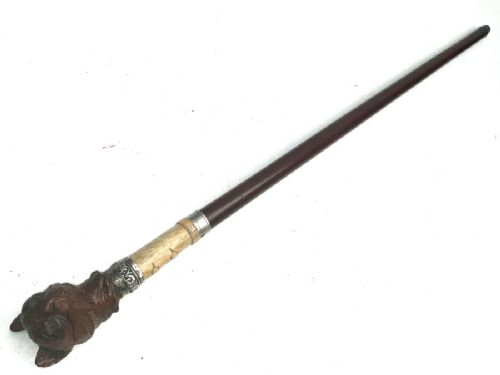
Handles are fashioned from sterling silver or standard silver, cast and modelled into distinct animal heads or sporting shapes such as golf clubs. These silver mounts attach to shafts of wood, hardwood, ebonised wood, horn, bone, or glass.
Novelty Silver Head Stick Retail Price Guide 2026
Typical asking prices for novelty silver head stick among the pieces listed under this phrase on Sellingantiques today, from the lower quarter to the upper quarter. They describe what is for sale here now, not the wider market.
If you ever need to lean on a boar from the Duchy of Luxembourg while playing golf on a Sunday, the nineteenth century had you covered.
Assessing quality and craftsmanship
Quality rests in the sculptural detail of the silver head, where master modellers capture the distinct expression and anatomy of creatures like greyhounds, boars, or parrots. Crisp definition in the chasing and engraving separates superior examples from plainer work.
The choice of materials for the shaft also influences the tier of the piece, with dense hardwoods or ebonised wood providing stability and weight. Retailer provenance, such as pieces retailed by Asprey, adds distinction to the manufacturing pedigree.
Asprey
The Novelty Silver Head Stick Glossary
- Sterling silver
- A silver alloy containing ninety-two point five percent pure silver by mass and seven point five percent other metals, usually copper. This standard appears frequently in British hallmarked walking stick handles.
- Ebonised wood
- Timber treated with a dark stain or finish to imitate ebony. This material provides a contrasting dark shaft that highlights the brightness of the silver head.
- Parasol handle
- A grip designed for a sunshade or umbrella rather than a walking cane. These smaller silver handles share the novelty animal forms seen on full-sized sticks.
- Sunday stick
- A lighter, more decorative walking stick carried for social promenades rather than rigorous outdoor walking. Golfers and gentlemen utilised these for leisure occasions.
- Hallmark
- An official stamp applied to precious metals in Britain and other countries to certify purity and origin. These marks help date the silver head and identify the assay office.
Novelty Silver Head Stick: Frequently Asked Questions
What is a novelty silver head stick?
A novelty silver head stick is a walking cane or parasol handle featuring a decorative silver grip shaped as an animal, bird, or sporting item. These pieces combined utility with personal expression for Victorian and Edwardian owners.
They served as fashion accessories during walks, promenade visits, or social outings, signalling the owner's interests in sports, animals, or contemporary design.
How do I date a silver head stick?
Dating relies on hallmarks stamped into the silver, stylistic indicators of the Victorian, Edwardian, or Art Deco periods, and the construction of the shaft and collar. Maker marks and date letters provide precise years for British pieces.
French and continental examples often use distinct control marks that help narrow down the decade of manufacture during the nineteenth century.
Were these sticks used for walking?
Many examples functioned as robust walking canes or Sunday sticks intended for support during strolls. Some variations, such as parasol handles or lighter ladies sticks, served decorative or ceremonial purposes rather than heavy weight-bearing.
Certain pieces also incorporated hidden elements, functioning as sword sticks for personal protection alongside their novelty handles.
How should I display a cane collection?
Canes and walking sticks display best in standing umbrella stands, wall-mounted racks, or specialised display cases that allow the novelty silver handles to remain visible. Keeping them away from direct sunlight protects the wooden shafts and organic materials like bone or horn.
Rotational placement ensures the handles can be examined closely while maintaining stable indoor humidity levels to preserve the wood and silver.