



Nos Watch
A nos watch is an unworn vintage timepiece that survived decades in untouched storage, offering the crisp mechanics of its original manufacturing era.
Nos Watch
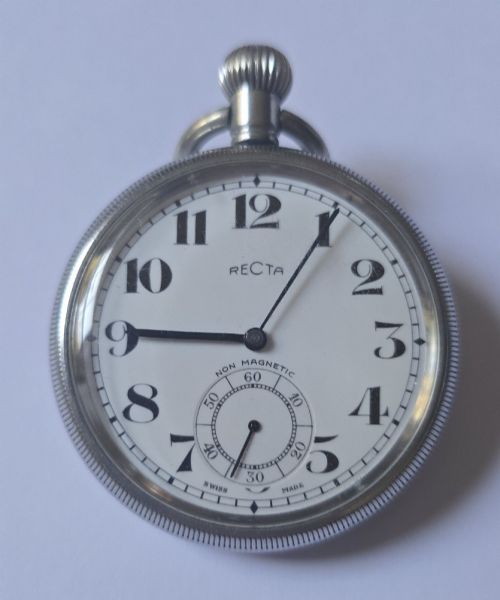
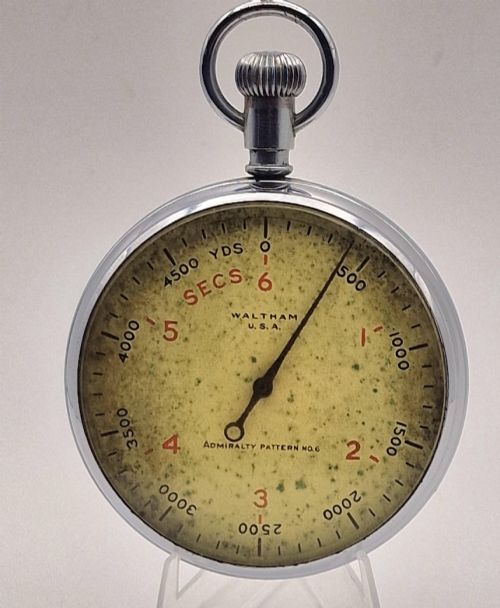
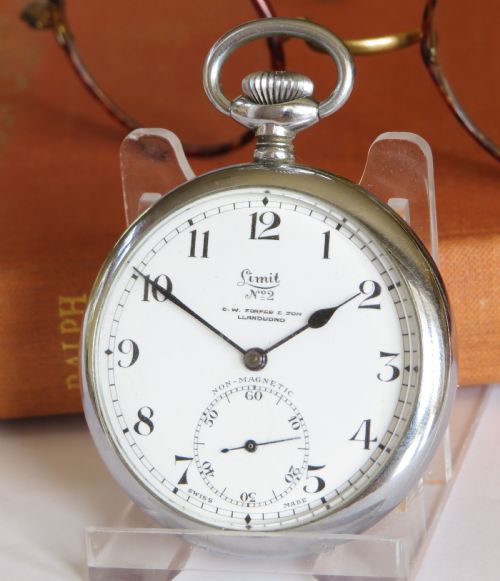
When you search for a nos watch, you examine instruments preserved from periods spanning the late nineteenth century through the mid-twentieth century. These items include railway pocket watches, military timepieces, and naval instruments that retained their original condition without daily wear.
The assortment on this page leans heavily toward military, maritime, and railway service pieces rather than civilian dress models. You encounter substantial pocket watches and robust service timepieces from eras such as the First World War and the mid-century decades.
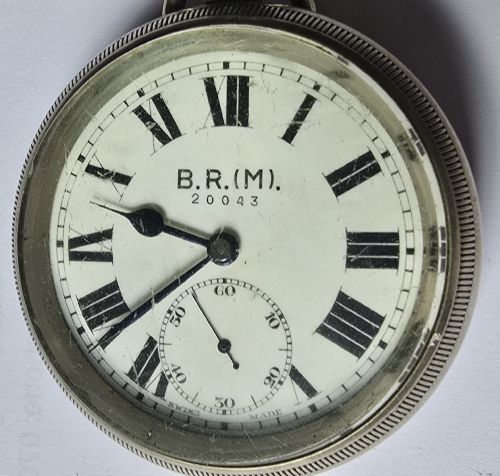
Origins stretch from British railway networks to Swedish military supplies and German naval equipment. Each piece carries specific issue numbers and departmental stampings that record its official operational background.
How they were made
Casings utilise durable metals such as steel, brass, nickel, chrome, and base metal alloys designed to withstand heavy field use. Glass protects the dials while enamel often provides the crisp white background for railway numerals.
Movements rely on traditional mechanical gear trains housed within protective metal shells. Leather straps or metal chains complete the apparatus depending on whether the object functions as a pocket watch or a wrist-worn military issue.
Nos Watch Retail Price Guide 2026
Typical asking prices for nos watch among the pieces listed under this phrase on Sellingantiques today, from the lower quarter to the upper quarter. They describe what is for sale here now, not the wider market.
Materials recorded across the inventory include glass, enamel, nickel, steel, brass, chrome, metal, and leather.
What varies in quality
The distinction between items rests in the precision of the mechanical movement and the preservation of official stampings. High-grade examples retain clear dial markings, sharp departmental inscriptions, and unpolished metal surfaces.
Makers and suppliers dictate the standing of a piece, with established firms and specific railway contractors holding particular mechanical regard. The clarity of military broad arrows or specific regional railway ciphers elevates the historical interest of the object.
Voigtländer and Sohn AG·Elliott Brothers London·H W Bedford London·John Walker
The Nos Watch Glossary
- New Old Stock
- An industry term describing unused vintage merchandise discovered in original storage long after production ceased.
- Movement
- The internal mechanical assembly of gears, springs, and escapements that drives the hands of a watch.
- Enamel dial
- A glass-based surface fused to metal under high heat to create a glossy, permanent white face with painted numerals.
- Issue number
- An official numerical stamp carved or etched onto a timepiece to record government or railway department ownership.
Nos Watch: Frequently Asked Questions
What is a nos watch?
A nos watch is a vintage timepiece preserved in unused condition since its original production date. These items bypassed daily wear and tear while resting in institutional or commercial storage.
They offer collectors an opportunity to examine period mechanics exactly as they left the workshop decades ago.
How were railway pocket watches used?
Railway staff utilised pocket watches to coordinate strict scheduling and ensure safe train movements across regional networks. Stationmasters, guards, and engine drivers relied on precise timing to manage operational safety.
These pieces often bear specific company engravings on their reverse covers to denote their corporate ownership.
How do I identify military timepieces?
Military timepieces display official government acceptance marks, broad arrow symbols, or specific service issue numbers on the case back or dial. These stamps connect the object to branches such as the army, navy, or flying corps.
Such markings distinguish official service equipment from standard commercial pocket or wrist watches of the same period.
How should I care for a vintage watch?
Keep the mechanical movement away from moisture and extreme temperature fluctuations to protect internal metal components. Regular servicing by a professional horologist ensures the gears continue to function smoothly.
Store the item in a dry environment to preserve the condition of metal casings and enamel dials.