




Norwegian Sterling Pin
These norwegian sterling pin examples bring bright mid-century enamelling and crisp silver work straight to your lapel.
Norwegian Sterling Pin
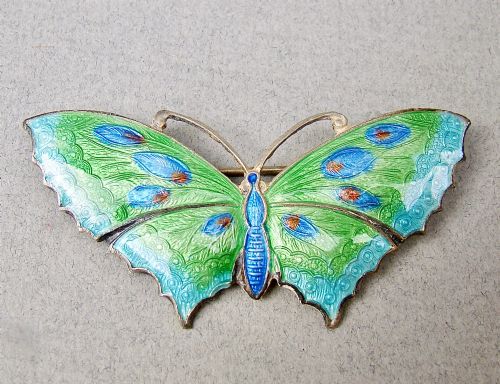
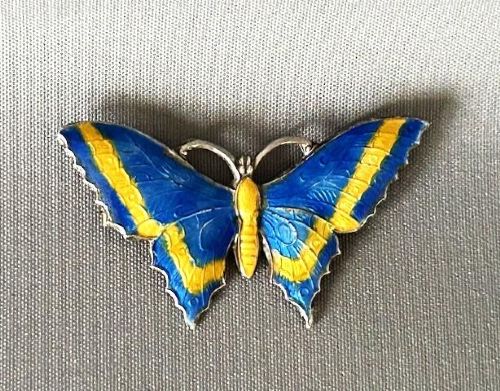
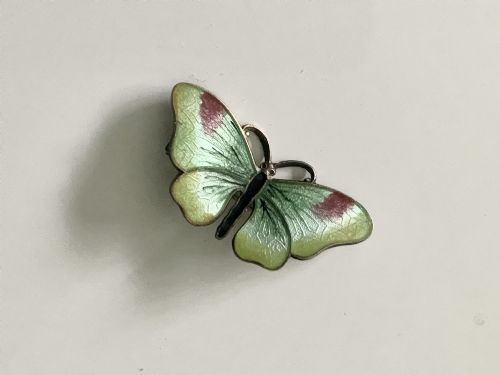
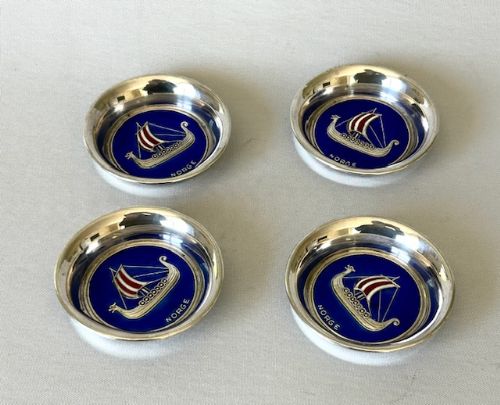
When you search for a norwegian sterling pin, you encounter small decorative brooches and bar pins created across several decades from the 1920s to the 1960s. These items frequently take the form of detailed butterflies or miniature dishes, combining silver metalwork with vibrant surface decoration.
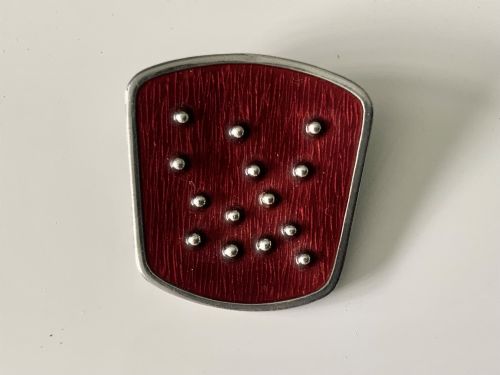
The most common examples on this page date from the 1950s and 1960s, reflecting mid-century modern and Scandinavian modern design aesthetics. Makers applied colourful enamel over patterned silver backgrounds, producing pieces that function as both jewellery and miniature artworks.
How norwegian sterling pin pieces were made
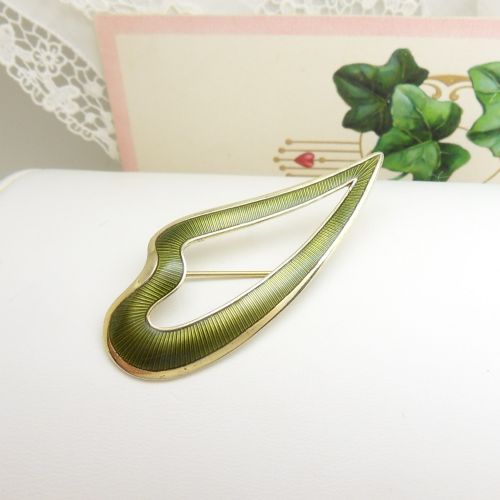
The creation of these objects relies on sterling silver bases combined with vitreous enamel. Artisans often applied guilloche engraving to the metal underneath the enamel to create shimmering geometric patterns beneath the transparent colour.
Select pieces also feature gold vermeil applied over the silver structure to provide a rich dual-tone appearance. The enamel was fired at high temperatures to fuse the glass paste firmly to the metallic surface.
Norwegian Sterling Pin Retail Price Guide 2026
Typical asking prices for norwegian sterling pin among the pieces listed under this phrase on Sellingantiques today, from the lower quarter to the upper quarter. They describe what is for sale here now, not the wider market.
Several makers transformed tiny silver butterflies into permanent garden visitors, freezing colourful enamel wings in mid-flight.
What varies in quality
The distinction between standard examples and superior pieces rests upon the complexity of the enamel work and the crispness of the underlying silver engraving. Deeply translucent enamel that catches the light effectively indicates a higher standard of craftsmanship.
Design sophistication also separates the range, with naturalistic insect forms and distinct stylistic motifs showing greater artistic control than simpler geometric bar shapes. The clarity of maker marks and hallmarks adds further distinction.
K A Rasmussen·Aksel Holmsen·David-Anderson
The Norwegian Sterling Pin Glossary
- Guilloche enamel
- A decorative technique where the metal surface is mechanically engraved with intricate repetitive patterns before translucent enamel is applied over the top. This allows light to reflect through the coloured glass.
- Vitreous enamel
- A material made by fusing powdered glass to a substrate by firing, usually between eight hundred and eight hundred and fifty degrees Celsius. The resulting compound is durable and maintains its vibrant colour.
- Gold vermeil
- Sterling silver that has been plated with a thin layer of gold. This finish offers the warm appearance of solid gold while utilising silver as the core metal.
- Bar brooch
- A slender, elongated form of decorative pin popular across multiple twentieth-century design periods. These pieces often feature a central motif mounted on a straight metal bar.
Norwegian Sterling Pin: Frequently Asked Questions
What periods do these pins come from?
The pieces span several decades, with examples originating from the 1920s through to the 1960s.
Mid-century modern and art deco styles are particularly well represented among the surviving items.
How do I care for silver and enamel?
Keep enamel jewellery away from harsh chemicals, ultrasonic cleaners, and prolonged direct sunlight to protect the glass surface.
Clean the silver components gently with a soft microfibre cloth rather than abrasive polishes that might scratch the enamel.
Are all these pins marked with maker details?
Many pieces carry stamps or hallmarks indicating the workshop and silver standard.
Prominent Norwegian makers often stamped their initials or full names on the reverse alongside silver purity marks.
What motifs appear most often?
Butterflies are exceptionally common across the various decades, rendered in multiple colours of enamel.
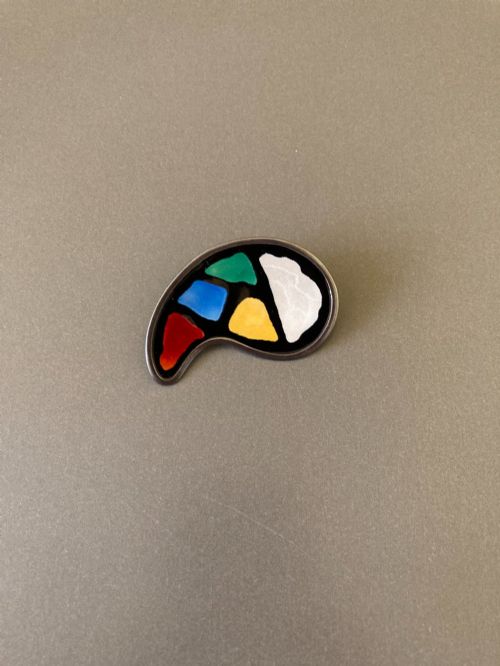
Palette shapes and royal crown designs also appear alongside traditional bar pins.