




Nordic Storage Chest
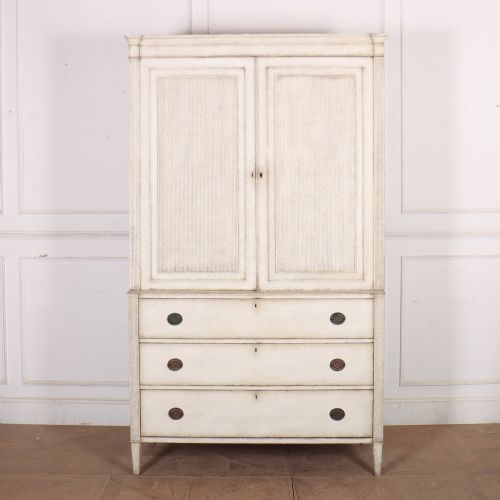
These nineteenth century nordic storage chest examples bring straightforward utility and painted charm into modern rooms.
Nordic Storage Chest
A nordic storage chest encompasses nineteenth century boxes, trunks, coffers, cupboards, and chests of drawers from Scandinavian regions. These pieces served domestic needs for stowing textiles, garments, and household goods in rural and urban homes alike.
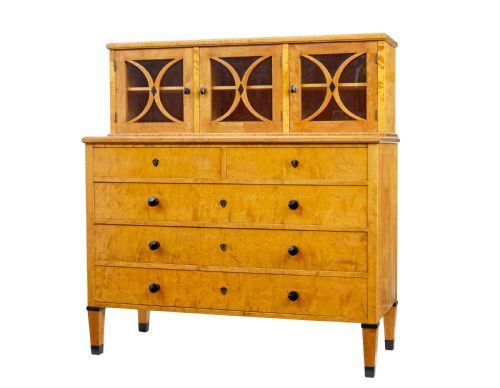
Buyers meet sturdy pine chests alongside refined birch veneer pieces across this selection. Styles range from simple rustic painted finishes and folk art motifs up to Swedish Empire Revival and Art Nouveau designs.
Materials and construction
Joiners relied heavily on native pine and birch, often applying paint or ebonised wood details to enhance the surfaces. Iron and wrought iron hardware such as hinges and locks provided robust reinforcement for everyday use.
Decorative work includes hand painted folk art patterns alongside select birch veneer applications. Cabinetmakers balanced practical durability with regional stylistic flair during the nineteenth century.
Nordic Storage Chest Retail Price Guide 2026
Typical asking prices for nordic storage chest among the pieces listed under this phrase on Sellingantiques today, from the lower quarter to the upper quarter. They describe what is for sale here now, not the wider market.
All listed pieces originate from the nineteenth century, utilising pine, birch, and painted finishes.
Assessing quality
Quality rests in the integrity of the timber and the preservation of original painted surfaces. Pieces with undisturbed period paintwork and intact wrought iron fittings display greater authenticity than those stripped or heavily restored.
The sophistication of the design also marks distinction, moving from utilitarian rustic pine boxes to polished Swedish Empire Revival or Art Nouveau cabinets on chests. Refined cabinetmaking details separate standard storage from high style regional production.
The Nordic Storage Chest Glossary
- Birch veneer
- A thin layer of birch wood applied over a secondary timber base to create a decorative exterior surface. This technique added visual grain pattern without requiring solid luxury timber throughout.
- Ebonised wood
- Timber treated to resemble ebony through a staining or finishing process. It provided sharp dark contrast against lighter woods like birch.
- Wrought iron
- Iron shaped by hammering, commonly utilised for functional and decorative hardware such as chest straps and hinges. Its textured finish reveals the hand of the smith.
- Folk art
- Traditional decorative items and ornamentation created by rural artisans using local styles and motifs. These painted elements give nineteenth century boxes distinct regional character.
Nordic Storage Chest: Frequently Asked Questions
What is a nordic storage chest?
A nordic storage chest is a nineteenth century box, trunk, or chest originating from Scandinavian countries. They were built from pine or birch to hold household linens and personal belongings.
These items combine practical storage utility with distinct regional decorative traditions, including painted folk art and Empire Revival styles.
How were these chests used?
Households utilised these pieces primarily for storing blankets, garments, and valuable textiles. Cupboards and chests of drawers also served to organise general domestic goods.
Their robust construction in pine and iron meant they withstood daily use in both rural farmhouses and urban dwellings.
Where do these pieces originate?
The listings originate from Scandinavian regions, specifically featuring Swedish design influences. Nineteenth century makers drew upon local timber resources like pine and birch.
Styles span from rustic country workshops to refined urban revival movements.
How do I live with one?
These chests integrate well into modern interiors as functional coffee tables, bedroom storage, or hallway statement pieces. Their painted surfaces and warm wood tones add character to contemporary rooms.
Placing them away from direct heat sources helps preserve the nineteenth century timber and painted finishes.
How do I tell styles apart?
Rustic pieces display simple pine construction with hand painted folk art motifs or plain painted finishes. Revival and Art Nouveau pieces utilise birch veneer, ebonised wood, and more formal architectural lines.
Observing the hardware, timber choice, and surface decoration reveals whether a piece stems from folk traditions or formal revival movements.