







Nineteenth Century Writing Slope
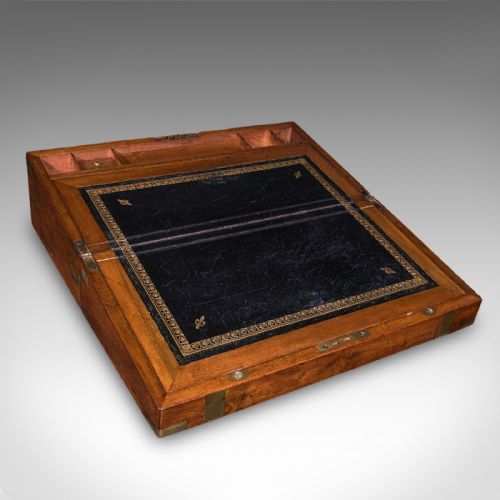
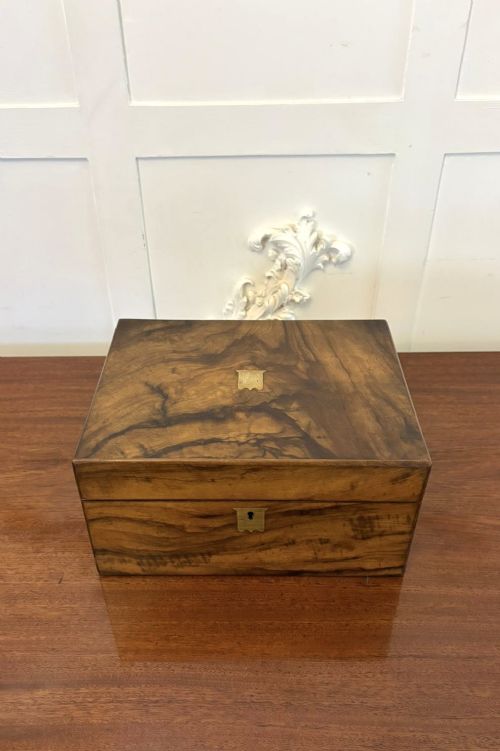
These nineteenth century writing slope boxes are portable desks built for correspondence, combining fine cabinet timbers with fitted interiors.
What They Are
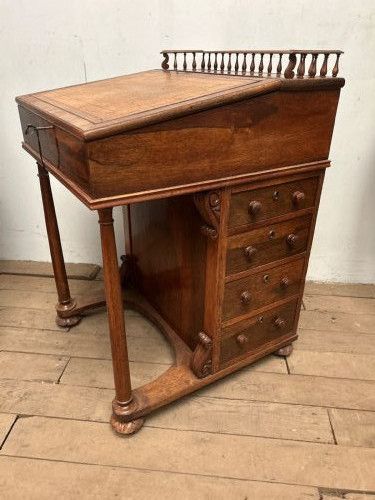
A nineteenth century writing slope is a portable desk designed to fold open and provide an angled writing surface. They serve as compact writing stations for home or travel.
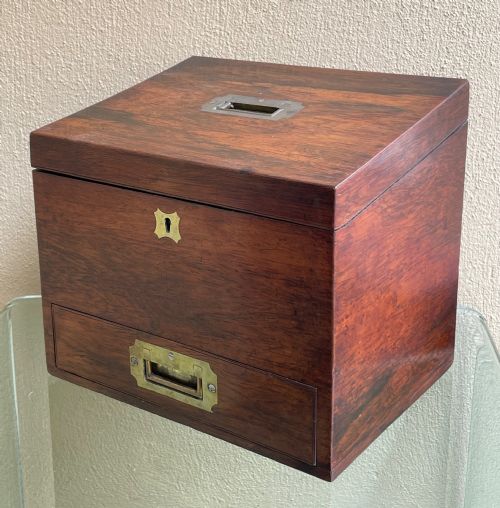
You will most frequently encounter mahogany, rosewood, and walnut examples on this page. These pieces date across the Regency and Victorian periods.
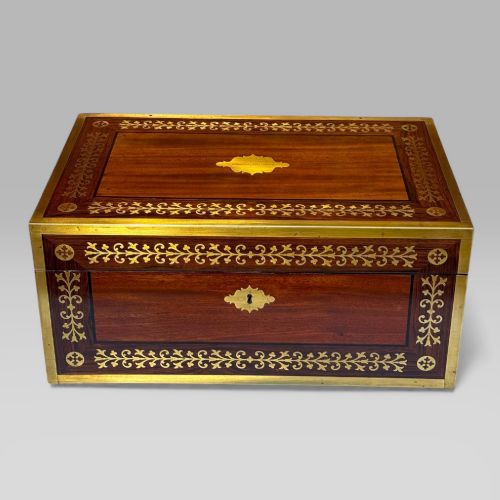
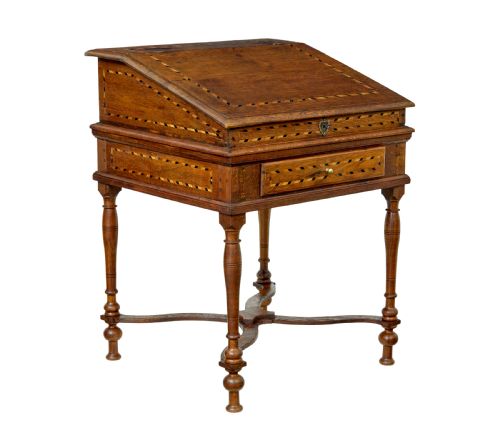
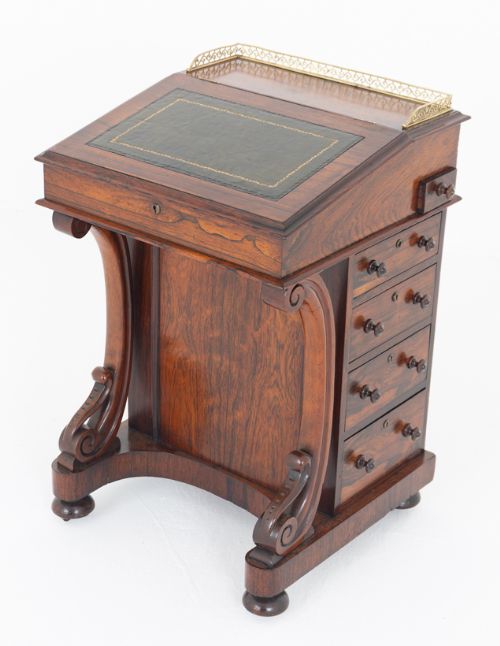
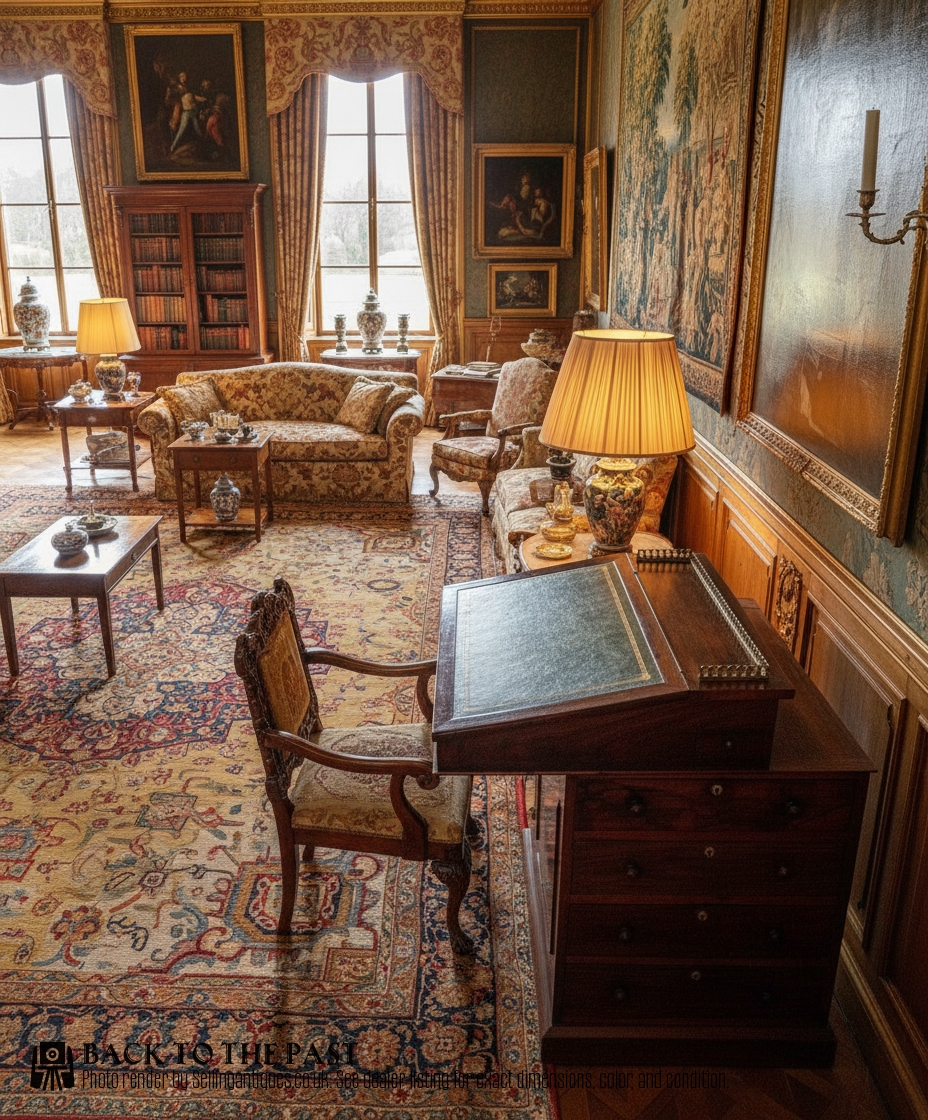
The form includes traditional writing slopes, correspondence boxes, and sliding top davenports. Some pieces feature brass binding or intricate inlaid details.
How They Were Made
Cabinet makers built these boxes using dense hardwoods such as mahogany, rosewood, walnut, and teak. They reinforced corners and edges with brass mounts for travel durability.
Interiors often incorporate tooled leather writing surfaces and concealed compartments. Specialised examples also utilise bone, antler, and mother of pearl inlay.
Retail Price Guide 2026
Typical UK retail prices for nineteenth century writing slope, calculated from the Sellingantiques database of over a million retail prices indexed since 2003. This retail price guide relies exclusively on Sellingantiques data; no external sources or auction records are used, so the figures do not describe the wider market.
Listings feature mahogany, rosewood, walnut, and teak timbers.
What Varies in Quality
The standard of a nineteenth century writing slope rests on timber selection and decorative restraint. Finely grained rosewood or mahogany indicates higher craftsmanship.
Internal arrangement and secondary materials dictate the tier of the piece. Subtle brass binding and fitted stationery compartments separate standard boxes from superior examples.
The Nineteenth Century Writing Slope Glossary
- Writing slope
- A portable box with a hinged, slanted lid designed for writing letters. It folds flat to secure inkwells and stationery inside.
- Davenport
- A small compact desk featuring a sloped writing surface above a pedestal of drawers. They often incorporate sliding tops for added writing space.
- Correspondence box
- A specialised storage container for letters and writing paper. These boxes often feature internal dividers and compartments.
- Vizagapatam
- A style of decorative work originating in India, known for intricate carved bone or horn inlay on wooden boxes. These items date to the Victorian era.
- Brass bound
- A construction method where brass strips are fitted along the corners and edges of a wooden box. This protects the timber during transport.
Frequently Asked Questions
What is a writing slope used for?
A nineteenth century writing slope provides a portable surface for writing letters and storing stationery. The angled lid offers a comfortable plane for handwriting before folding flat to secure the contents.
Inside, compartments hold inkwells, pens, and paper. This self-contained design allowed travellers to maintain correspondence away from a stationary desk.
How do you date a writing slope?
Dating relies on timber choices, construction techniques, and decorative styles. Regency examples often display clean classical lines and rosewood, while Victorian pieces may incorporate elaborate brass mounts or exotic inlays.
Hardware styles and secondary woods inside the drawers also help pinpoint the era. Comparing internal configurations with known period examples clarifies the timeline.
Are writing slopes portable?
These boxes are specifically designed for travel and portability. Brass carrying handles and reinforced corners protect the timber during journeys.
Once latched, the internal contents remain secure while moving between locations. This mobility made them essential items for officers and travellers.
What are Anglo Indian writing slopes?
Anglo Indian writing slopes combine British furniture forms with South Asian decorative traditions. They frequently feature distinctive materials such as teak, bone, and antler.
Maker techniques from workshops in regions like Vizagapatam create highly ornate surfaces. These pieces reflect the cultural exchange during the nineteenth century.