



Nineteenth Century Wood Sculpture
Nineteenth century wood sculpture brings together carved animals, figures, and architectural ornaments carved across the globe during the 19th century.
Nineteenth Century Wood Sculpture
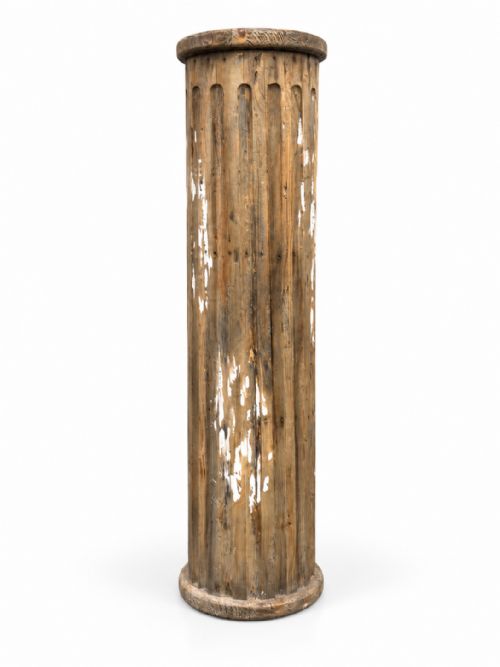
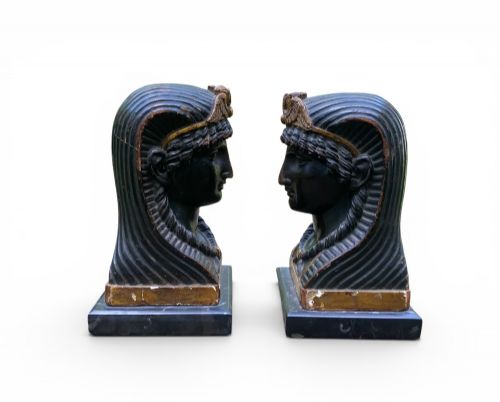
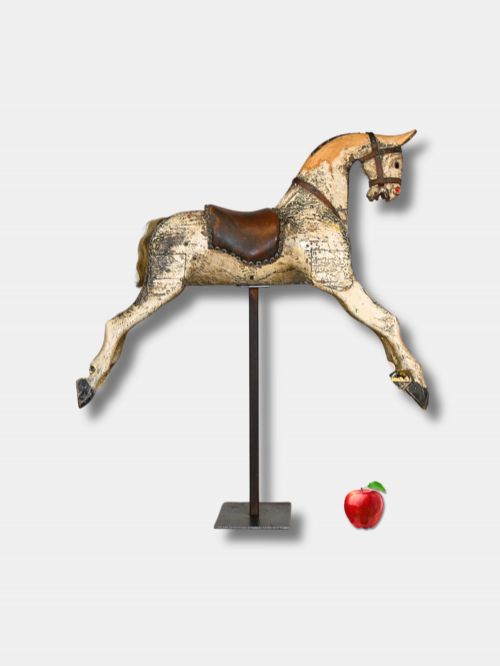
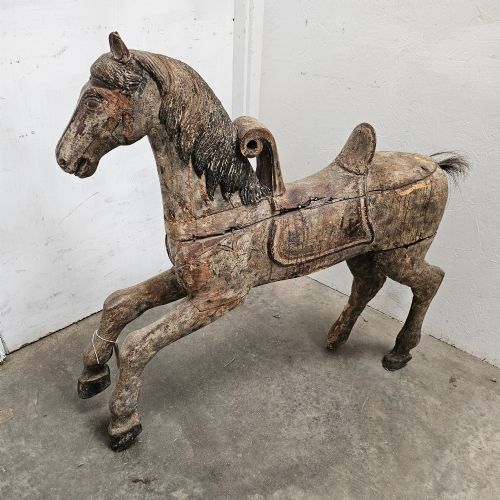
Nineteenth century wood sculpture encompasses a diverse array of figural and decorative objects produced throughout the 1800s, ranging from folk art carvings to formal studio works. When exploring nineteenth century wood sculpture, buyers encounter everything from English carousel animals and Black Forest linden wood wildlife to Asian hardwood figures and Italian religious statues.
Materials and carving techniques
Carvers of this era utilised a variety of timbers suited to their local traditions and specific intended forms, employing dense hardwoods such as ebony, teak, and rosewood alongside European softwoods and linden wood. Many sculptures combine carved wood with applied elements such as polychrome paint, gold leaf, bone, glass eyes, or leather components to enhance realism and visual depth.
Makers shaped these materials using traditional hand-carving chisels and gouges, achieving fine surface textures on subjects ranging from animal pelts to human drapery. Finishing techniques varied from polished natural grain and dark waxing to detailed multi-coloured polychrome decoration and gilded surfaces.
Nineteenth Century Wood Sculpture Retail Price Guide 2026
Typical asking prices for nineteenth century wood sculpture among the pieces listed under this phrase on Sellingantiques today, from the lower quarter to the upper quarter. They describe what is for sale here now, not the wider market.
A grinning carousel pig and a whimsical bottle whimsey prove that nineteenth-century carvers took as much delight in farmyard animals as in imperial monuments.
Assessing quality in nineteenth century wood sculpture
Quality in nineteenth century wood sculpture rests primarily upon the anatomical accuracy and expressive vigour of the carving, distinguishing skilled studio work from naive output. A master carver achieves believable muscle tension, fluid movement, and convincing texture in fur, feathers, or cloth.
The integrity of the material and the preservation of the original surface finish heavily influence the standing of a piece. Original polychrome paint, untouched gold leaf, and natural patination significantly elevate the piece compared to later overpainting or heavy surface stripping.
Thomas Hope·G .J. Lines
The Nineteenth Century Wood Sculpture Glossary
- Black Forest
- A style of wood carving originating from the mountainous region of central Europe, renowned for realistic animal sculptures and whimsical furnishings carved in linden wood or oak. These pieces often depict bears, birds, and forest flora with remarkable texture.
- Polychrome paint
- A surface decoration technique utilising multiple colours applied directly to the wood substrate. This method brings dimension and lifelike detail to religious figures, carousel animals, and folk carvings.
- Carved hardwood
- Sculpture executed in dense, heavy timbers such as teak, ebony, or rosewood. These materials allow for exceptionally crisp detail and deep undercut carving.
- Gold leaf
- Extremely thin sheets of beaten gold applied to wooden surfaces as a decorative finish. It frequently highlights architectural elements, frames, and ceremonial sculptures from the period.
- Folk art
- Objects created by self-taught or traditional craftsmen outside the formal academic art academies. These vernacular carvings often display charmingly direct interpretations of human and animal subjects.
Nineteenth Century Wood Sculpture: Frequently Asked Questions
What woods were commonly used?
Carvers of the period utilised a broad spectrum of timbers depending on geographic region and local availability. European workshops frequently selected softwoods like pine, fine-grained linden wood, or oak, while Asian and colonial makers employed dense hardwoods including ebony, rosewood, and teak.
Makers matched the timber to the intended function and decorative finish of the sculpture. Hardwoods allowed for intricate, sharp detail on small figures, whereas larger architectural elements often relied on stable regional timbers.
How do I care for wood sculptures?
Maintaining nineteenth century wood sculpture requires stable environmental conditions away from direct sunlight, heating vents, and rapid humidity fluctuations. Sudden changes in moisture cause timber to expand or contract, leading to splits in the wood and flaking of any applied polychrome paint or gold leaf.
Dust the surface gently with a soft, dry brush rather than damp cloths or chemical polishes. Unfinished or waxed woods benefit occasionally from appropriate conservation-grade waxes applied sparingly by experienced hands.
How are regional styles identified?
Identifying the origin of nineteenth century wood sculpture involves examining the characteristic subject matter, carving habits, and timber choices typical of specific cultures. Black Forest pieces typically feature linden wood wildlife, whereas Anglo-Indian carvings utilise teak and depict local fauna like elephants in specific regional styles.
Tool marks and construction methods also offer clues to provenance. Traditional finishing details, such as the specific pigments used in Italian polychrome work or the joinery on base stands, help separate European studio pieces from Asian export items.
Were these pieces always painted?
Finishes varied widely according to the original function, maker intent, and regional aesthetic of the sculpture. Many religious figures, carousel animals, and folk carvings received vibrant polychrome paint or gilding to heighten their visual impact and realism.
Conversely, numerous studio pieces, furniture mounts, and wildlife carvings were left as exposed timber to showcase the natural grain and warm patina of walnut, teak, or ebony. The presence of paint or clear finish depends entirely on the specific workshop tradition.