

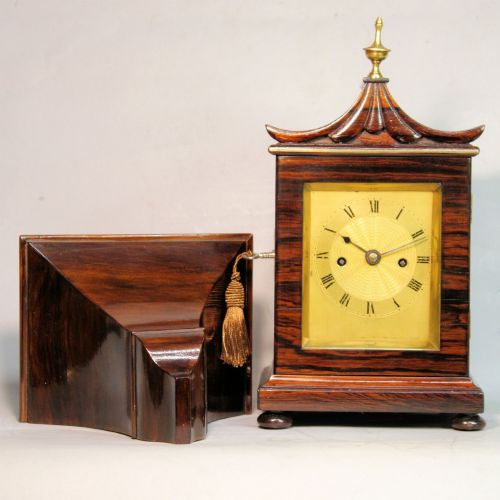


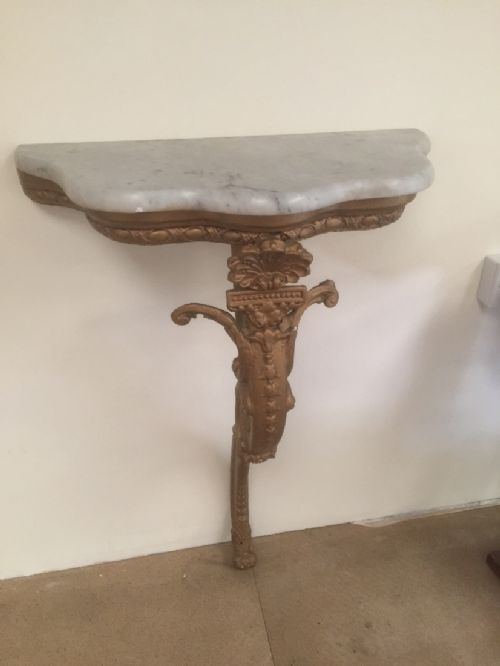


Nineteenth Century Wall Bracket
A nineteenth century wall bracket brings architectural depth and decorative focus to an interior, carrying the distinctive styles of the 1800s.
Nineteenth Century Wall Bracket
A nineteenth century wall bracket serves as a sturdy architectural ledge or display shelf, often encountered in corner shelf and wall shelf formats. These pieces emerged across the Victorian and Georgian eras to hold clocks, ornaments, or lighting fixtures securely against plaster surfaces.
The selection ranges from French Rococo Revival and Victorian Gothic Revival designs to inlaid Sorrento olive wood and giltwood creations. Buyers will find these functional ledges span various domestic spaces, reflecting the diverse decorative tastes of the 1800s.
Materials and construction
Craftsmen shaped these brackets using traditional timber woods such as rosewood and olive wood, frequently incorporating intricate marquetry and carving. Giltwood and gesso finishes provided a reflective, ornate surface suited to formal reception rooms.
Metal elements including brass and bronze appear alongside marble and glass components, particularly on bracket clocks and wall sconces. Artisans joined and shaped these materials to support heavier items like bronze tower bells and architectural carvings.
One bronze tower bell comes complete with its original hanging bracket, ready to summon staff or startled guests.
Assessing quality
Quality rests in the crispness of the carving and the precision of the joinery, distinguishing finely sculpted pine or giltwood from simpler mouldings. Original surfaces and gilding hold greater appeal than later refinishing.
The sophistication of the design, whether French Neoclassical or Victorian Sorrento inlay, dictates the overall refinement of the piece. Integrated elements such as original hanging brackets and matching pairs elevate the standing of the work.
Strahan of Dublin
The Nineteenth Century Wall Bracket Glossary
- Giltwood
- Wood that has been coated with gold leaf or a gold-coloured metallic finish. This technique was widely utilised during the nineteenth century to create opulent decorative furnishings.
- Gesso
- A plaster-like mixture applied to wood surfaces as a base for painting or gilding. It allows craftsmen to model intricate low-relief ornamentation before applying gold leaf.
- Fusee
- A conical pulley used in clock movements to maintain even driving force as the mainspring unwinds. This mechanism is frequently found in nineteenth century bracket and wall clocks.
- Boulle
- A type of marquetry using brass and tortoiseshell inlaid into furniture surfaces. Named after French cabinetmaker André-Charles Boulle, it appeared on fine bracket clocks of the period.
Nineteenth Century Wall Bracket: Frequently Asked Questions
What were nineteenth century wall brackets used for?
These brackets functioned primarily as structural ledges to display decorative objects, support heavy mantel clocks, or mount lighting fixtures.
In period homes, they provided an elevated platform that kept valuable items safe while enhancing the decorative scheme of a room.
How do I install an antique wall bracket?
Installation requires locating secure fixing points in the wall to support the weight of the timber, marble, or metal structure.
Given the age and weight of materials like giltwood or bronze, professional fitting ensures the piece remains stable and secure.
How can I tell the period of a wall bracket?
Dating relies on identifying stylistic markers such as French Rococo Revival curves, Victorian Gothic details, or Georgian proportions.
Examining the underlying materials, fixings, and secondary woods helps confirm whether a piece originates from the 1800s.
How do I care for giltwood and wood brackets?
Dusting gently with a soft, dry cloth prevents the accumulation of dirt without risking damage to fragile gold leaf or delicate wood surfaces.
Keeping these pieces away from direct sunlight and excessive moisture preserves the integrity of the antique finishes.