




Nineteenth Century Spode
Nineteenth century spode brings together refined earthenware and porcelain crafted with transfer-printed scenes and hand-painted enamel highlights.
Nineteenth Century Spode
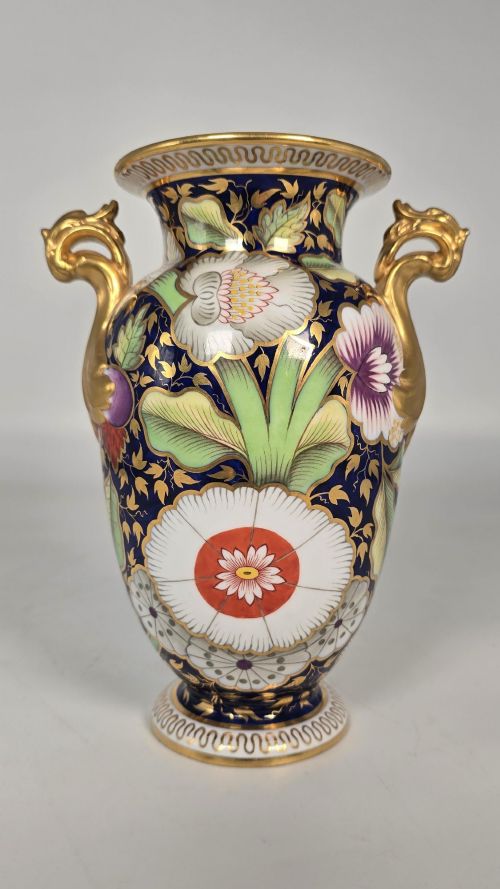
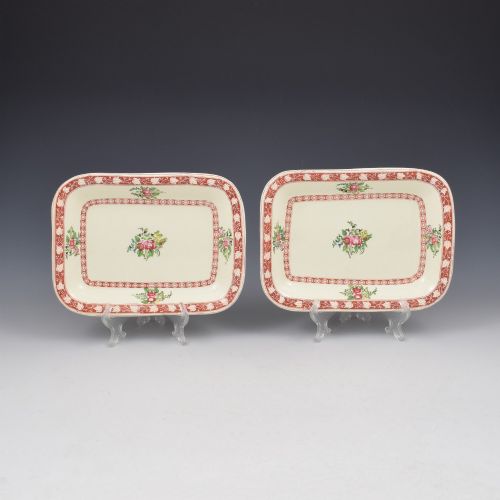
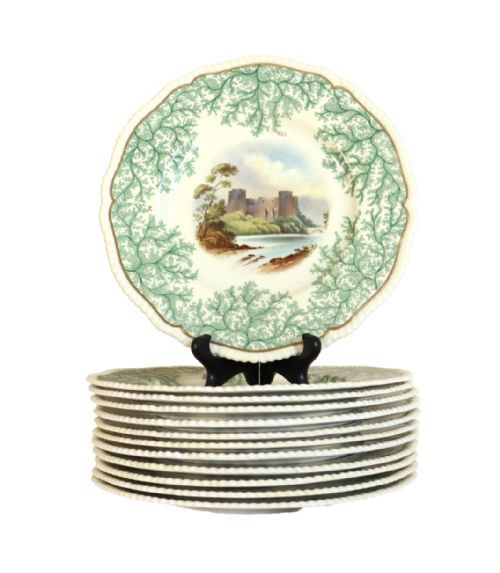
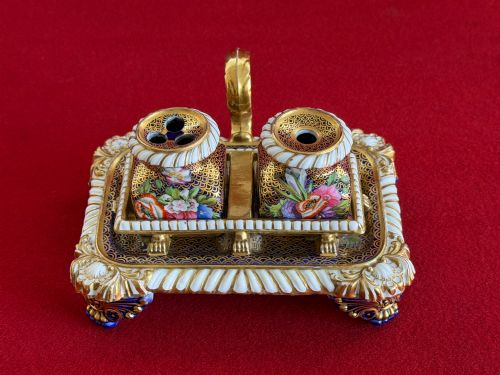
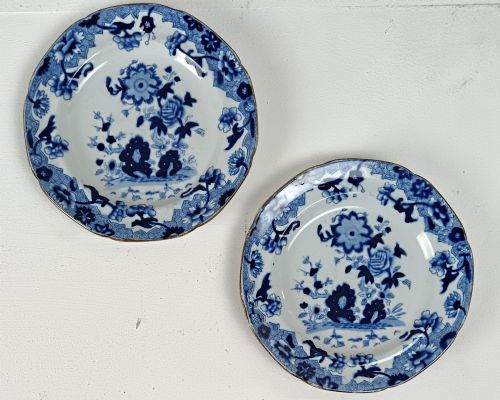
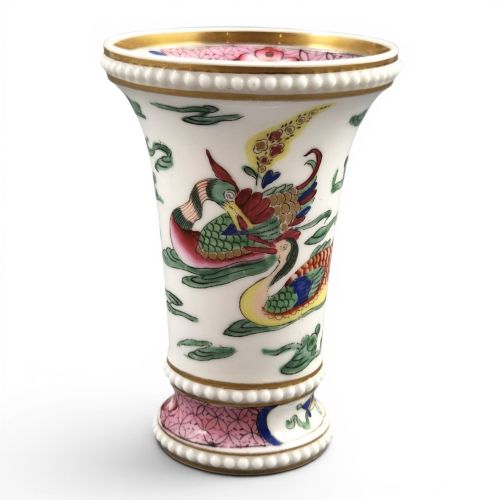
When searching for nineteenth century spode, collectors encounter a diverse array of utilitarian and decorative ceramic forms spanning serving platters, dinner plates, inkstands, tea plates, chestnut baskets, spill vases, sugar bowls, vases, urns, footbaths, and sauce tureen stands. These items originate predominantly from the nineteenth century, including Georgian and Regency periods, alongside Victorian examples.
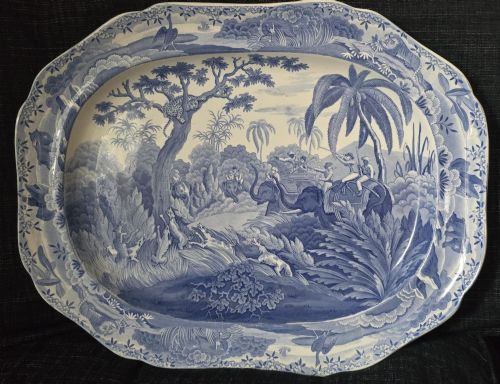
The pieces listed here showcase distinct regional output and functional design, ranging from large meat platters featuring transfer-printed sporting scenes to delicate porcelain inkstands and reticulated chestnut baskets. Buyers frequently meet blue and white pottery, transferware plates, and felspar porcelain items that reflect the evolving ceramic output of the era.
How they were made
Potters utilised earthenware, pearlware, bone china, porcelain, and New Stone bodies, shaping them into plates, vessels, and baskets. Glaze and enamel were applied to seal the surfaces and add polychrome decoration.
Makers incorporated gold leaf and gilt detailing alongside blue transfer printing to embellish patterns such as landmark scenes and natural motifs. Firing techniques evolved to produce robust ironstone and refined felspar porcelain bodies.
Nineteenth Century Spode Retail Price Guide 2026
Typical asking prices for nineteenth century spode among the pieces listed under this phrase on Sellingantiques today, from the lower quarter to the upper quarter. They describe what is for sale here now, not the wider market.
The listings show nineteenth century spode spanning earthenware, pearlware, bone china, and porcelain across utilitarian forms like footbaths and delicate spill vases.
What varies in quality
Quality separates through the crispness of the transfer printing and the precision of hand-painted enamel work. Pieces featuring complex motifs like the India Sporting Pattern or detailed reticulation demand greater technical skill.
The refinement of the ceramic body itself, from standard earthenware to translucent bone china and felspar porcelain enriched with gold leaf, defines the upper tier of production.
The Nineteenth Century Spode Glossary
- Pearlware
- A fine earthenware developed by Josiah Spode featuring a bluish-white glaze that pooled in recesses. This body served as a precursor to later nineteenth-century white ceramics.
- Felspar porcelain
- A durable ceramic composition incorporating feldspar into the paste. It provided superior strength and a brilliant white surface for enamel painting.
- New Stone
- A sturdy ironstone-type body introduced to withstand heavy daily use. It combined the durability of stoneware with the smooth printing surface of earthenware.
- Reticulated
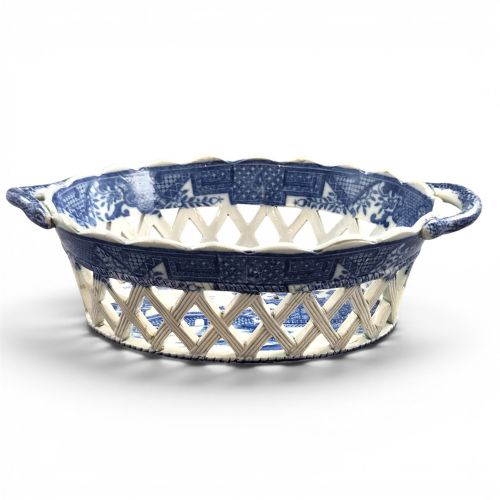
- Openwork pierced decoration cut into the clay before firing. This technique created intricate latticework on chestnut baskets and ornamental pieces.
- Sucrier
- A covered vessel designed for holding loose sugar at the tea table. These matching porcelain or earthenware pieces complemented nineteenth-century tea services.
Nineteenth Century Spode: Frequently Asked Questions
How do I identify a nineteenth century spode piece?
Examination of the ceramic body, glaze characteristics, and pattern numbers helps determine authenticity and age. Nineteenth-century examples often bear specific pattern numbers or transfer-printed topographical and sporting designs.
Matching the stylistic markers of the Regency and Georgian periods against known factory outputs confirms the attribution. Look closely at the application of enamel and transfer printing for period accuracy.
What is the difference between pearlware and bone china?
Pearlware is a refined earthenware characterised by a subtle blue tint in the glaze pooling around edges and foot rims. Bone china incorporates calcined bone ash into the paste, creating a whiter, translucent body.
Both materials were utilised during the nineteenth century depending on whether the intended function required utilitarian strength or delicate display. Bone china items typically present a more refined, lighter feel in the hand.
How were chestnut baskets used?
Chestnut baskets served on dining tables during dessert courses to hold fresh fruit or roasted chestnuts. Their pierced reticulated walls allowed ventilation for the contents.
Often paired with matching stands, these decorative pieces combined practical utility with elaborate table aesthetics. They represent some of the more complex ceramic forms produced in the period.
Can I use nineteenth century spode for dining?
While many pieces like dinner plates and tea plates were originally made for dining, age and historic glaze wear influence modern utility. Gentle hand washing preserves the delicate enamel highlights and gold leaf.
Using robust ironstone or New Stone items requires care to avoid thermal shock or surface scratching. Many collectors prefer to display these ceramics rather than subject them to modern dishwasher cycles.
What are transfer-printed patterns?
Transfer printing involved pulling an engraved copper plate impression onto tissue paper and pressing it onto the unglazed or bisque ceramic body. This technique allowed intricate scenes like landmark views and sporting subjects to be reproduced consistently.
After printing, colours and enamels were frequently added by hand before a final glaze firing. This combination of mechanical printing and hand painting defined nineteenth-century ceramic production.