



Nineteenth Century Shelving
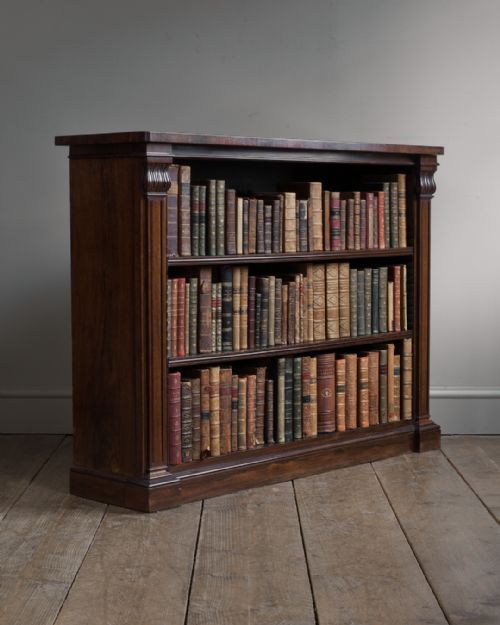
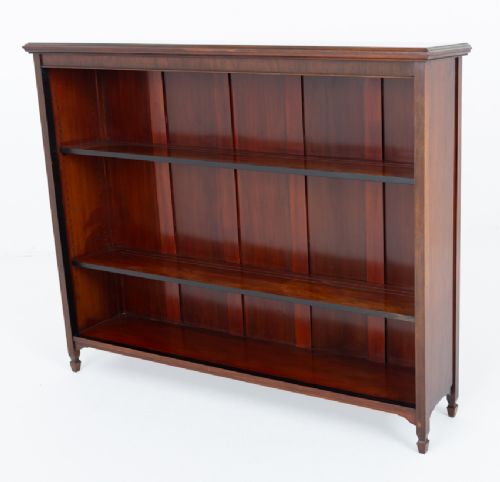
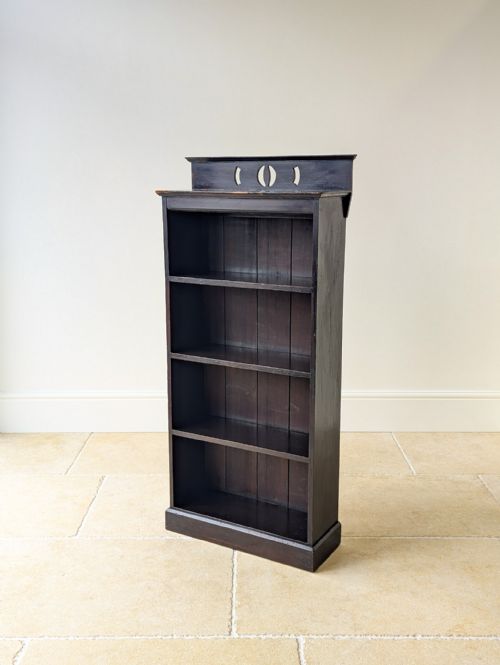
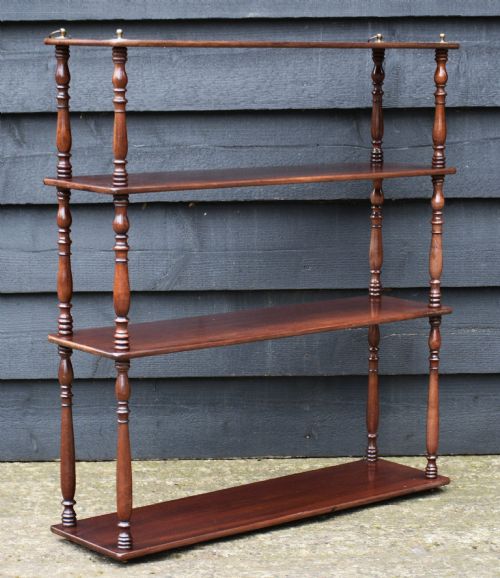
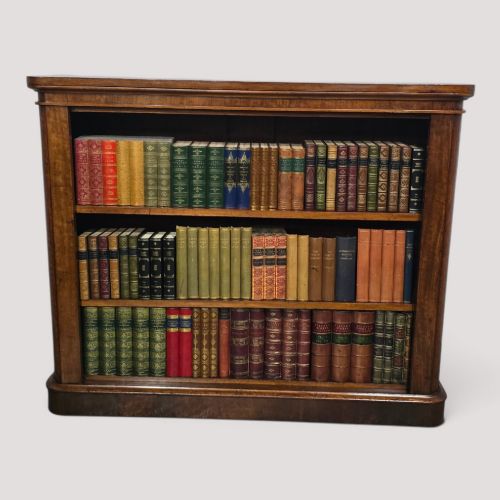
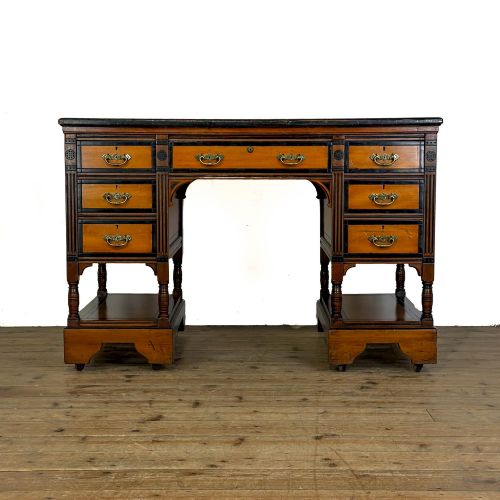
Nineteenth century shelving brings together functional timber bookcases, tiered whatnots and wall hanging units crafted for period interiors.
Nineteenth Century Shelving
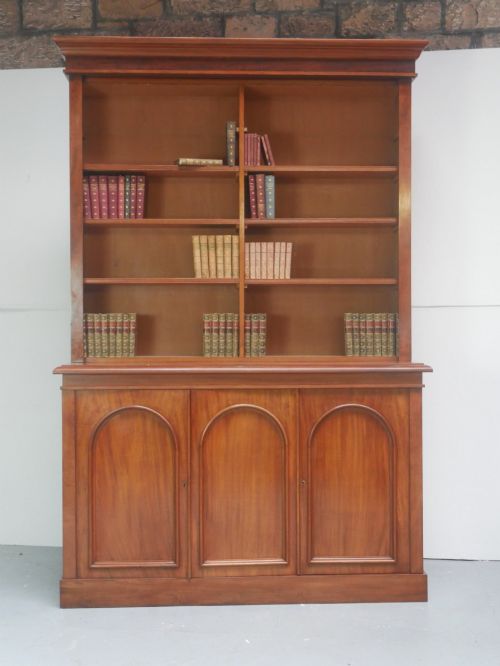
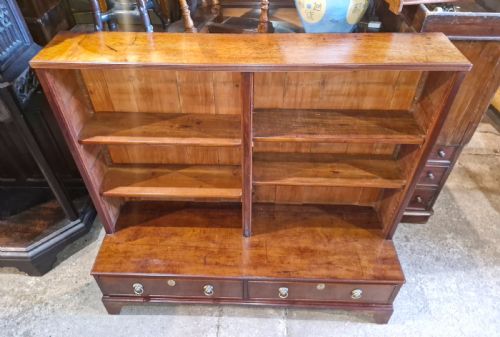
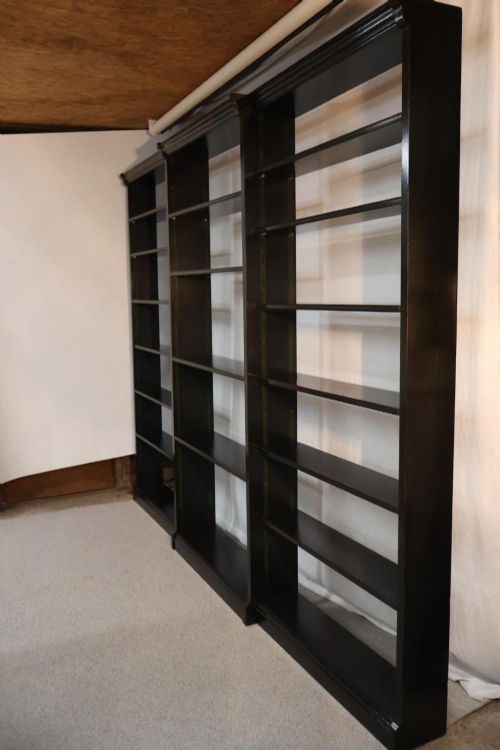
Nineteenth century shelving encompasses an array of practical storage forms, from open library bookcases and dwarf cabinets to multi-tiered whatnots and wall hanging shelves. Buyers looking for nineteenth century shelving will encounter diverse expressions originating across the Georgian, Regency, William IV and Victorian eras.
Materials and Technique
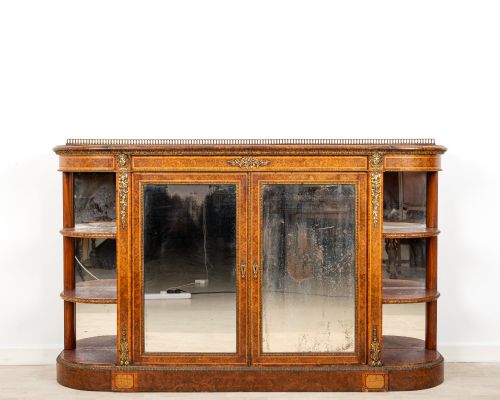
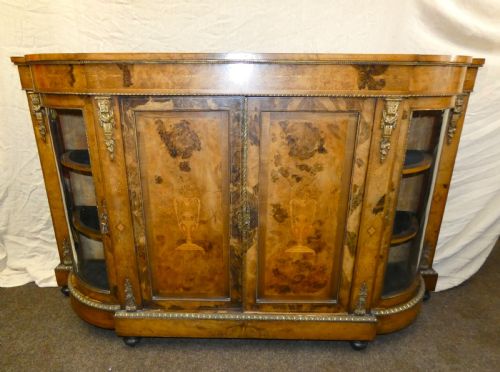
Cabinet makers utilised dense native and imported timbers, predominantly relying on solid and veneered mahogany, rosewood and walnut. Structural elements frequently incorporated oak or secondary conifers, while finer pieces integrated brass inlay, ormolu mounts and marble tops.
Joinery techniques relied on traditional methods such as dovetailed carcases and pegged joints, allowing for adjustable shelving in larger library bookcases. Decorative surfaces often displayed intricate marquetry, ebonised detailing or hand-polished French polish finishes.
Nineteenth Century Shelving Retail Price Guide 2026
Typical asking prices for nineteenth century shelving among the pieces listed under this phrase on Sellingantiques today, from the lower quarter to the upper quarter. They describe what is for sale here now, not the wider market.
Some nineteenth century whatnots were nicknamed 'what-nots' simply because homeowners ran out of names for such versatile little multitiered clutter catchers.
Evaluating Construction and Finish
Quality in these pieces is dictated by the selection of timber grain, the precision of brass or inlaid details, and the integrity of the original carcase construction. Superior examples maintain crisp carved mouldings and smoothly functioning adjustable shelving mechanisms without structural warping.
The finish also separates standard workshop output from exceptional cabinet work, with hand-applied French polish exhibiting depth and warmth rather than flat, modern varnish. Maker stamps or labels elevate specific pieces, reflecting documented workshop standards of the period.
Gillows·Strahan of Dublin
The Nineteenth Century Shelving Glossary
- Whatnot
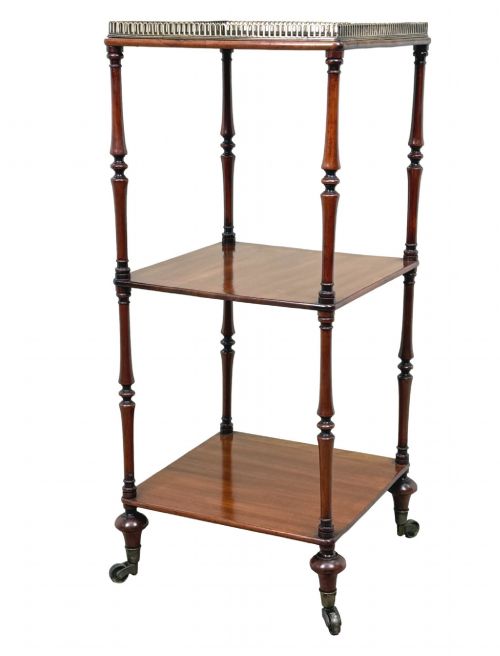
- A tiered movable piece of furniture with shelves supported by columns or pillars, designed for displaying ornaments or books.
- Waterfall bookcase
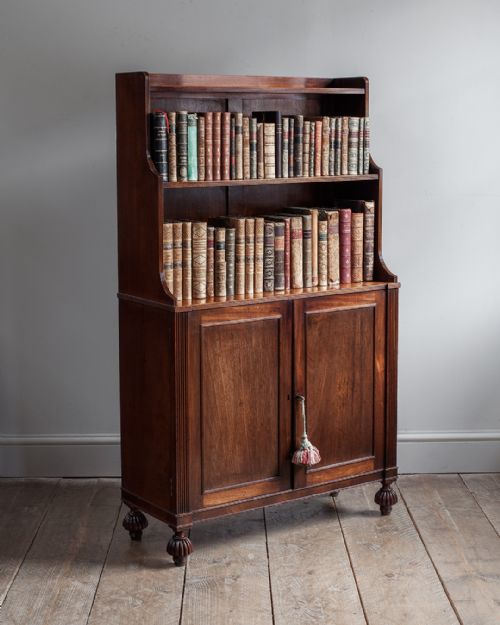
- A standing set of open shelves where each tier is narrower than the one below, following a stepped receding profile.
- Breakfront
- A piece of furniture featuring a central section that projects forward from the flanking outer wings.
- Ormolu
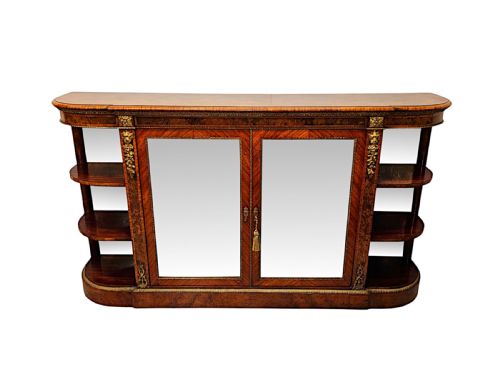
- Gilded bronze mounts applied to furniture as decorative enrichment, popular during the Regency and Victorian periods.
- Ebonised
- Timber treated with a dark stain or finish to imitate the appearance of ebony.
Nineteenth Century Shelving: Frequently Asked Questions
How do I use a whatnot?
These tiered stands serve well in corners or against walls for displaying ceramics, small books or decorative objects without dominating a room.
Their open structure keeps spaces feeling light while offering multiple levels for arrangement.
Are these shelves suitable for heavy books?
Many larger library bookcases feature robust solid timber construction and adjustable supports designed specifically to bear substantial volumes.
Lighter wall hanging shelves and multi-tiered display pieces suit decorative items rather than heavy folios.
How do I identify Regency pieces?
Regency items often display classical proportions, dark rosewood or mahogany timbers, and brass inlay or ormolu mounts.
They reflect early nineteenth century design trends influenced by classical Greek and Roman motifs.