



Nineteenth Century Scales
Nineteenth century scales combine robust utilitarian mechanics with period craftsmanship, offering a functional piece of history for your desk or display.
Nineteenth Century Scales
When you search for nineteenth century scales, you enter a domain where precision instruments meet period domestic trade. The items you meet on this page span the 19th Century, incorporating Victorian and Regency eras.
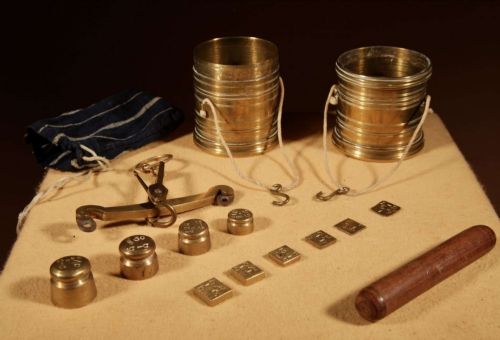
The evidence shows forms ranging from balance scales and scientific instruments to specialised trade objects like Dutch brass bushel balances and French grocer's balance scales. These apparatuses served practical daily functions in commerce and measurement.
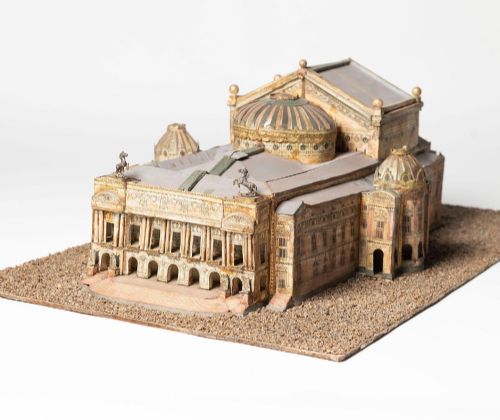
Alongside working commercial mechanisms, the selections encompass decorative scale models and related scientific instruments such as cased maximum and minimum temperature thermometers. Each object reflects the industrial and domestic measurement needs of the nineteenth century.
Materials and Construction
The construction of these pieces relies heavily on durable metals combined with dense woods or stone bases. Brass and bronze provide the necessary rigidity and weight for accurate moving parts and balance arms.
Enamel, glass, and ceramic elements frequently appear on dials, indicators, and associated vessels, while mahogany and marble furnish sturdy plinths and supports. These materials were chosen for both operational longevity and aesthetic stability.
Nineteenth Century Scales Retail Price Guide 2026
Typical asking prices for nineteenth century scales among the pieces listed under this phrase on Sellingantiques today, from the lower quarter to the upper quarter. They describe what is for sale here now, not the wider market.
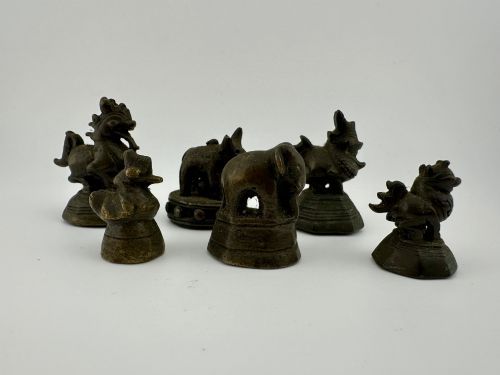
Among the precision scales sit bronze opium weights shaped as animals, proving that nineteenth-century trade possessed an unexpected touch of wildlife.
Evaluating Quality in Measurement Pieces
Quality in these items is determined by the precision of the mechanical assembly and the integrity of the materials. Fine examples exhibit smooth articulation in their balance beams and clear, legible markings on dials and indicators.
The choice of housing materials, such as heavy marble plinths or finely turned brass components, separates standard utilitarian pieces from superior specimens. Superior manufacturing ensures both mechanical reliability and enduring decorative appeal.
Negretti & Zambra London·Mason
The Nineteenth Century Scales Glossary
- Balance Scales
- A device for weighing items by comparing an object of unknown mass against a known standard, typically utilising a central fulcrum and two suspended pans.
- Bushel Balance
- A specialised measuring apparatus designed for determining the volume and weight of agricultural produce or dry goods in trade.
- Grocer's Balance
- A robust weighing instrument utilised in nineteenth-century shops for commercial transactions involving loose goods.
- Scientific Instruments
- Precision devices created for measurement, observation, or testing, encompassing thermometers and related apparatuses seen in the listings.
- Plinth Base
- The heavy block or slab of stone or wood upon which a scale mechanism or sculpture is mounted for stability.
Nineteenth Century Scales: Frequently Asked Questions
How do nineteenth century scales work?
These devices operate on mechanical principles of equilibrium, using a central beam and fulcrum to balance an unknown weight against standard units. The movement relies on the precise calibration of arms and suspension points.
Operators place goods on one side and calibrated weights on the other until the pointer rests at the centre. This physical balance provides an exact measurement for trade or scientific record.
Where were these scales used?
Commercial balances found their home in nineteenth-century grocery shops, markets, and merchant houses for daily mercantile transactions. Other scientific instruments served in domestic interiors and institutional settings.
Their presence bridges the gap between utilitarian trade tools and decorative interior objects suited for display on desks or sideboards.
How do I clean brass scales?
Maintenance requires gentle dusting with a soft cloth to protect the historic metal surfaces and patinas accumulated over the decades. Avoid abrasive cleaners that strip away the aged finish.
Preserving the original surface texture maintains the character of the brass and bronze components characteristic of the period.
Can I still use antique scales?
While many mechanical balance scales retain their structural integrity and movement, their accuracy for modern legal trade is not guaranteed. They function primarily as decorative antiques and historical display items.
Using them requires careful handling of the delicate balance beams and associated weights to prevent wear on the original pivot points.