



Nineteenth Century Marble Carving
Nineteenth century marble carving brings classical antiquity and romantic portraiture into the home through meticulously sculpted stone.
Nineteenth Century Marble Carving
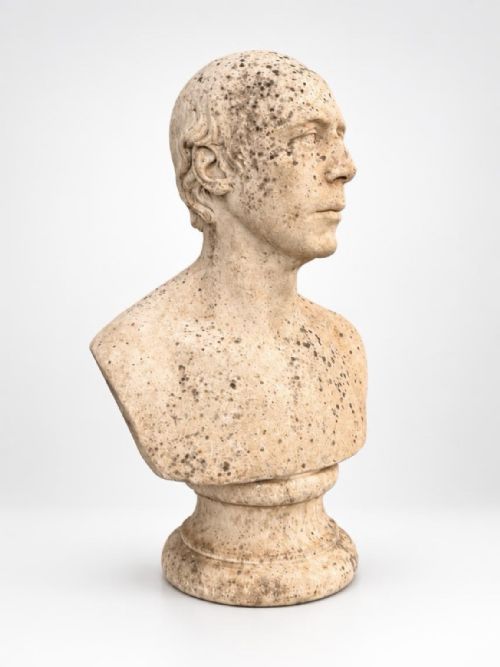
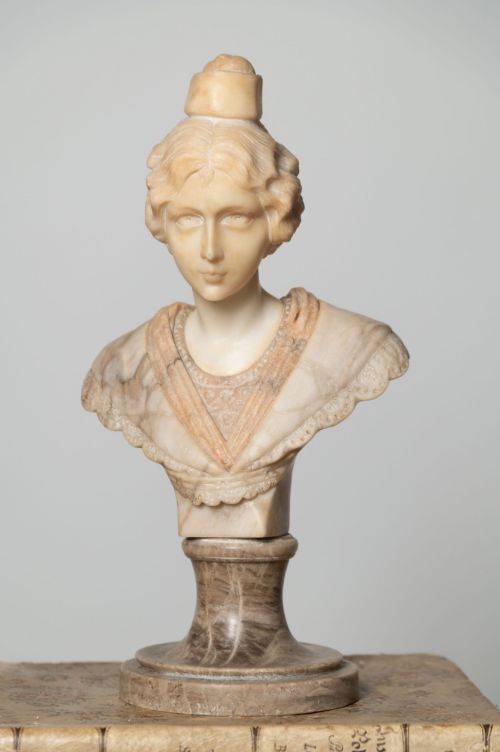
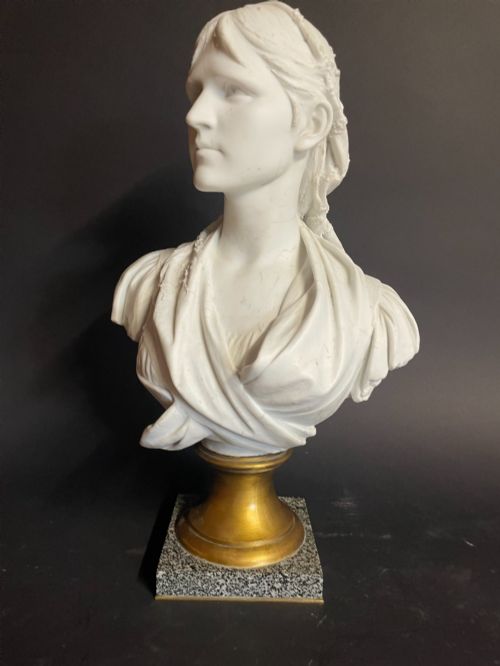
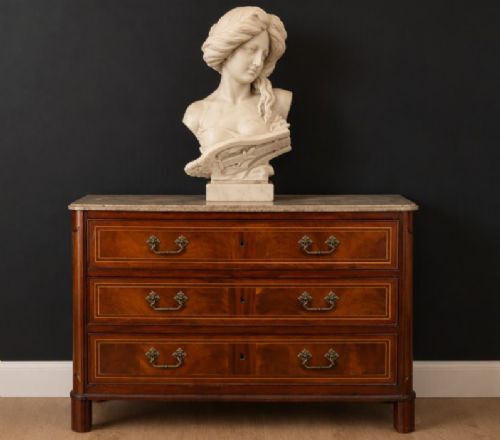
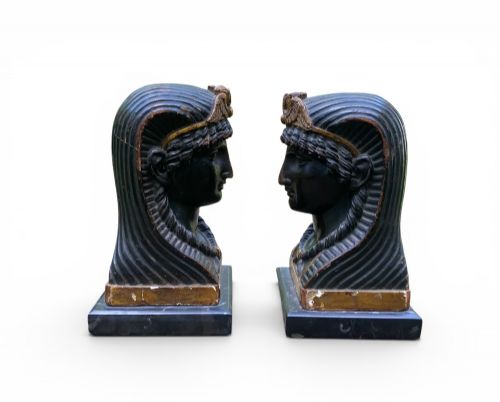
Nineteenth century marble carving encompasses sculptural busts, classical figures, and decorative architectural elements produced during the Victorian and Regency eras. Buyers frequently encounter Italian Grand Tour pieces alongside French and English works representing mythological subjects and historic portraits.
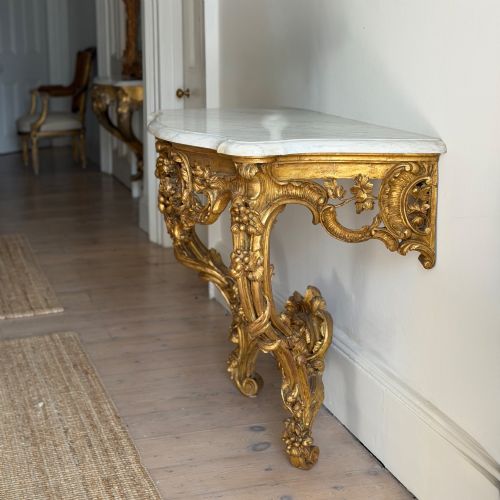
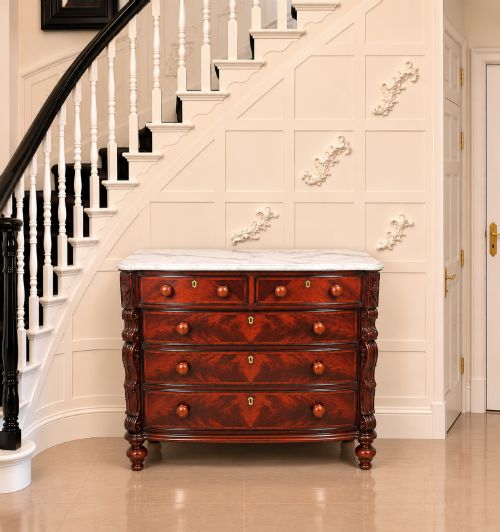
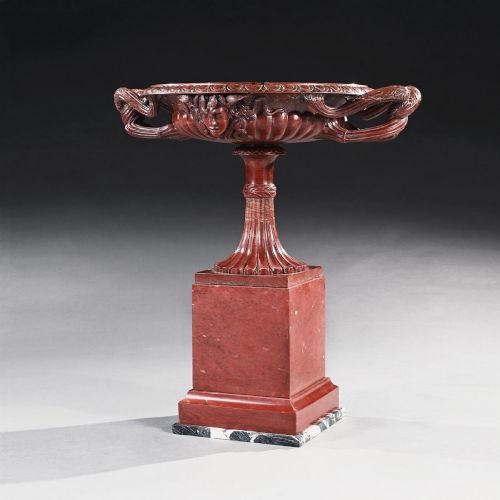
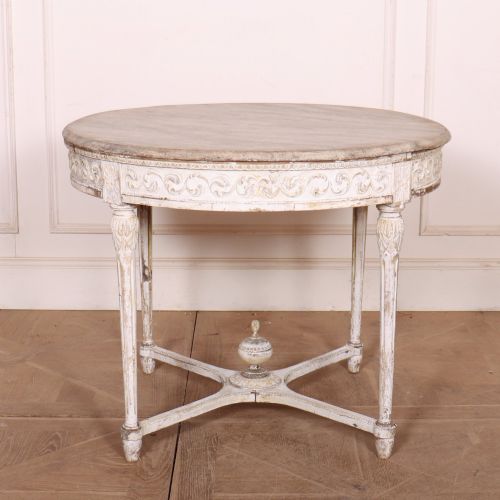
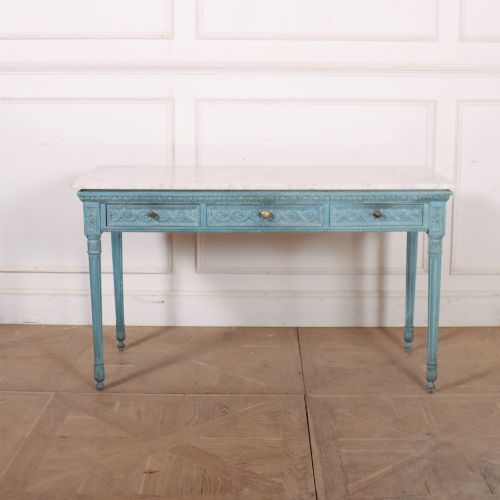
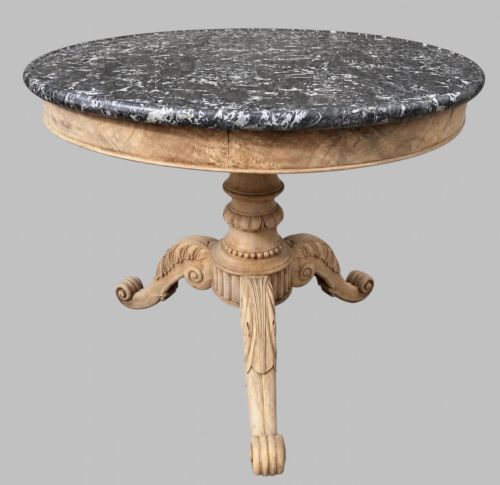
The selection ranges from life-sized representations of muses and literary figures to decorative tazzas and sarcophagus caskets. Many of these carved elements integrate directly into furniture forms such as console tables, pedestals, and centre tables.
Materials and Techniques
Sculptors utilised various stone varieties including Carrara, Rosso Antico, Siena, and Verde Antico marbles, often pairing them with alabaster or secondary supports in mahogany, rosewood, walnut, and ormolu. Artisans employed hand-chiselling and polishing techniques to achieve contrasting matte and lustrous surface textures.
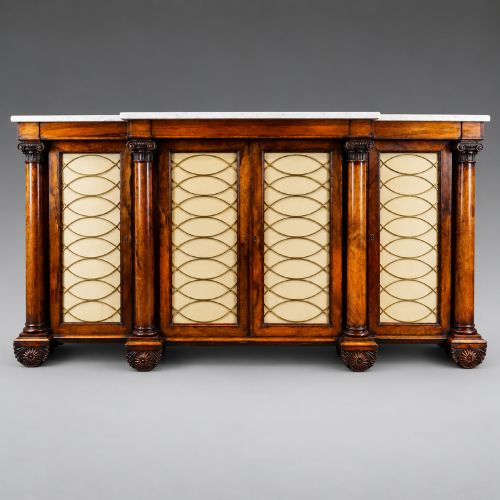
Many figural works and architectural components rest upon specialised bases or within fitted cabinetry constructed from dense hardwoods like mahogany and rosewood. The combination of carved stone and turned wood reflects the prevailing neoclassical and French Empire tastes of the period.
Nineteenth Century Marble Carving Retail Price Guide 2026
Typical asking prices for nineteenth century marble carving among the pieces listed under this phrase on Sellingantiques today, from the lower quarter to the upper quarter. They describe what is for sale here now, not the wider market.
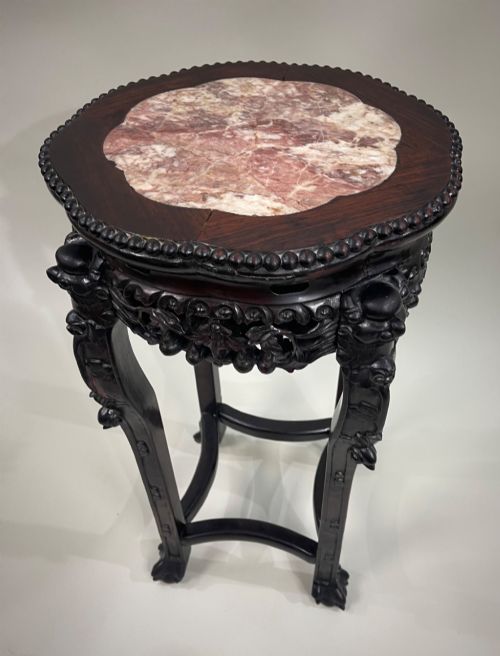
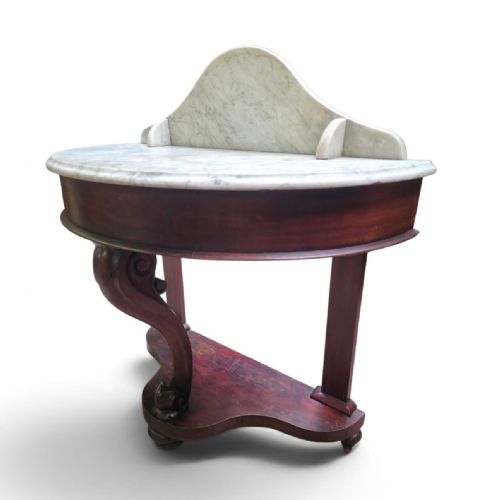
The available furniture supporting these carvings includes rosewood bookcases, mahogany washstands, and Chinese hardwood jardiniere stands.
Assessing Quality
The selection of the marble itself distinguishes finer carvings, particularly where natural veining enhances the sculptural form rather than obscuring detail. The integration between the carved stone element and any supporting woodwork or ormolu mounts further indicates the maker's skill.
Benedetto Boschetti·Antonio Canova·Eugene Aizelin·Jean Joseph Chapuis
The Nineteenth Century Marble Carving Glossary
- Grand Tour
- A traditional trip through Europe undertaken by upper-class young men to absorb classical culture. Pieces collected during these travels frequently include carved marble busts and miniature architectural models.
- Neoclassical
- An artistic movement drawing inspiration from the art and culture of classical antiquity. This style dictates the proportional harmony and subject matter of many nineteenth-century sculptures.
- Gueridon
- A small circular table supported by a central column or figures. These tables frequently feature inset marble tops.
- Tazza
- A shallow ornamental vase or cup mounted on a stem and foot. They are often carved from single blocks of coloured marble during the nineteenth century.
- Rosso Antico
- A deep red marble highly prized by classical sculptors and revivalists. It provides a striking contrast to white Carrara marble in decorative compositions.
Nineteenth Century Marble Carving: Frequently Asked Questions
What subjects do these carvings depict?
Nineteenth-century marble carvings primarily portray mythological figures, classical deities, literary characters, and contemporary portraits. Subjects span from Greek muses to veiled ladies and historical figures.
These pieces reflect the profound nineteenth-century fascination with classical antiquity and romantic storytelling. Sculptors rendered these forms in varying scales, from cabinet-sized busts to monumental figures.
How were marble sculptures displayed originally?
Collectors typically displayed these sculptures on dedicated pedestals, columns, or console tables within libraries, halls, and drawing rooms. This elevation allowed viewers to appreciate the carved details from eye level.
Heavier items like tazzas and caskets rested directly upon surface furniture such as centre tables and side cabinets. The arrangement prioritized both aesthetic impact and optimal lighting to accentuate the stone's translucency.
How do I care for nineteenth-century marble?
Maintenance requires gentle dusting with a soft, dry cloth to prevent abrasive particles from scratching the polished surface. Liquid cleaners and acidic substances must remain entirely away from the stone.
Stable indoor humidity and temperature protect both the marble and any integrated wooden furniture supports. Professional conservation is advisable for structural repairs or deep cleaning.
How do I identify Grand Tour carvings?
Grand Tour carvings generally replicate famous antique sculptures housed in European museums, produced specifically for travelling collectors. They often utilise specific regional stones like Siena, Rosso Antico, or Verde Antico.
These works frequently exhibit precise reduction techniques that capture the essence of monumental antiquities in a portable format. Documentation or traditional signatures on the base sometimes confirm their origins.