
Nineteenth Century Mahogany Pedestals
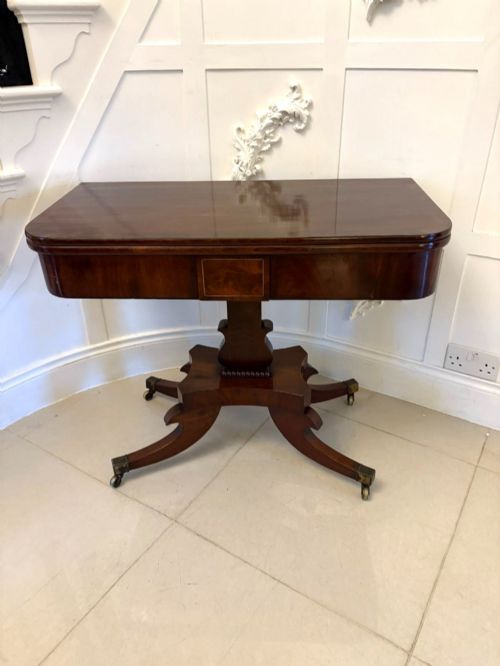
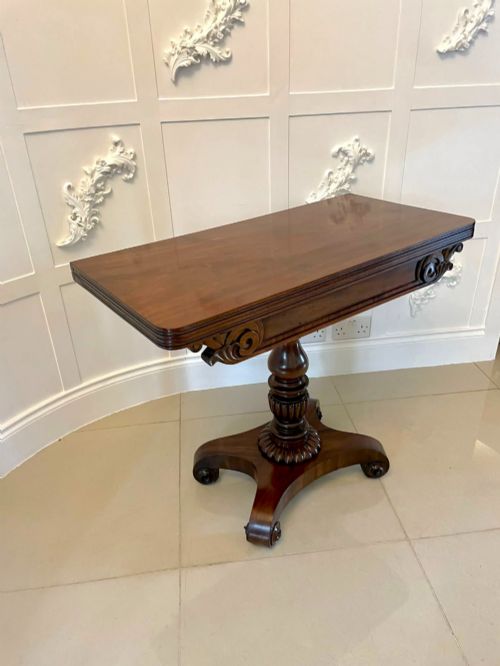
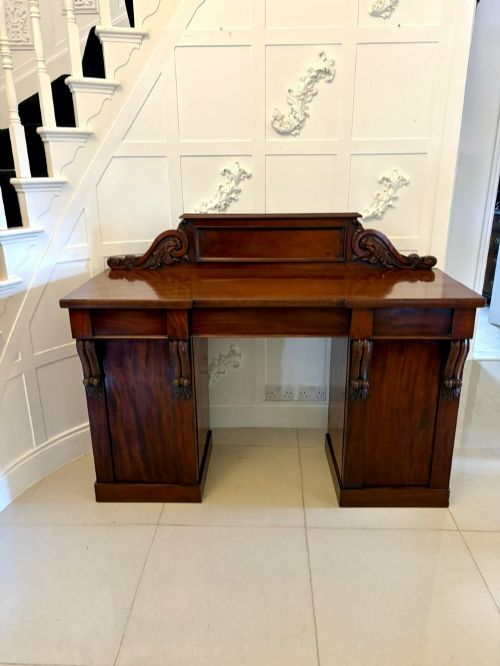
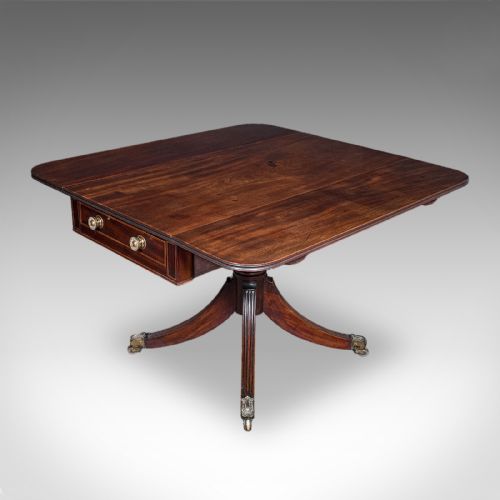
These nineteenth century mahogany pedestals bring structural presence and timber depth to any room.
Nineteenth Century Mahogany Pedestals
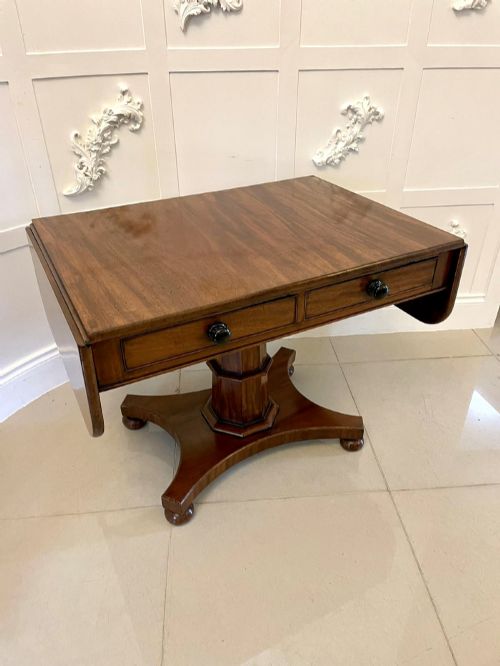
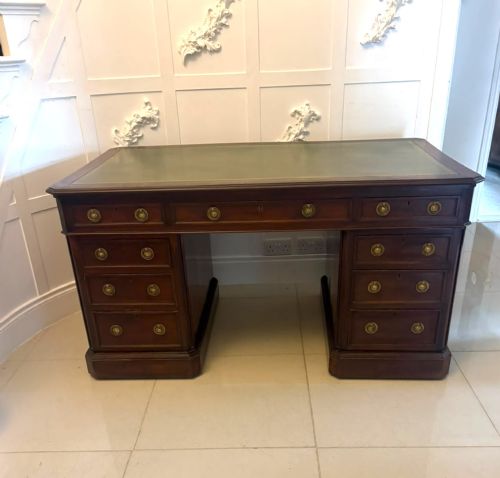
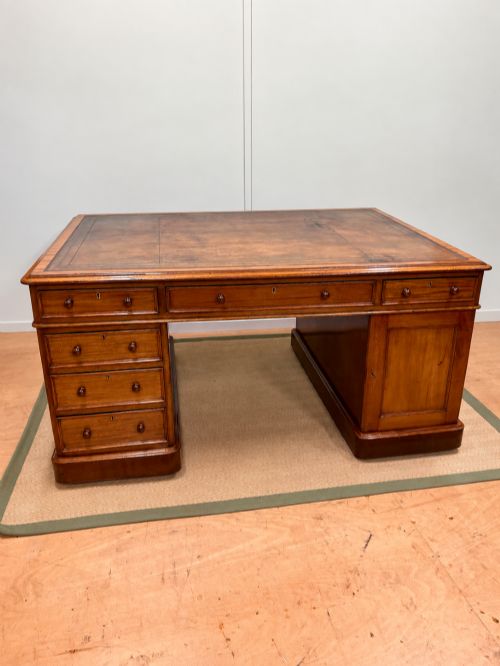
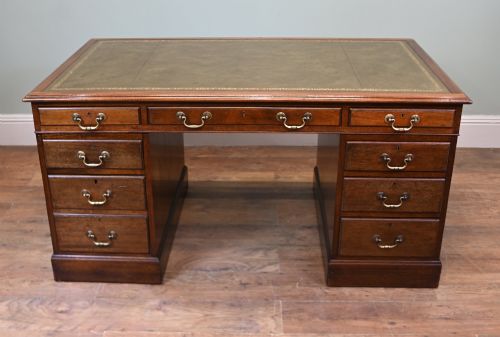
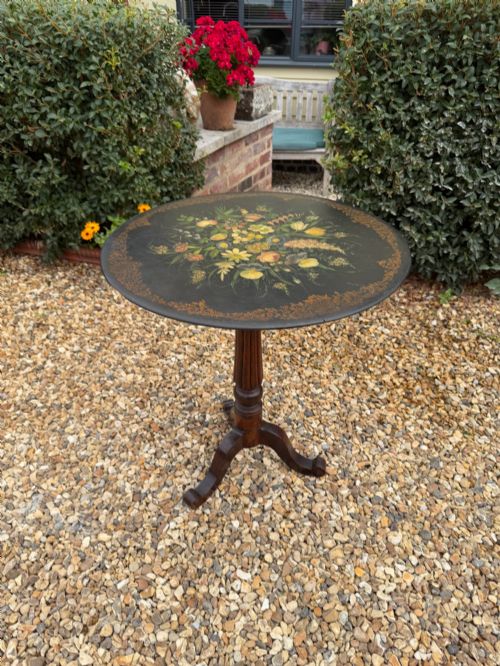
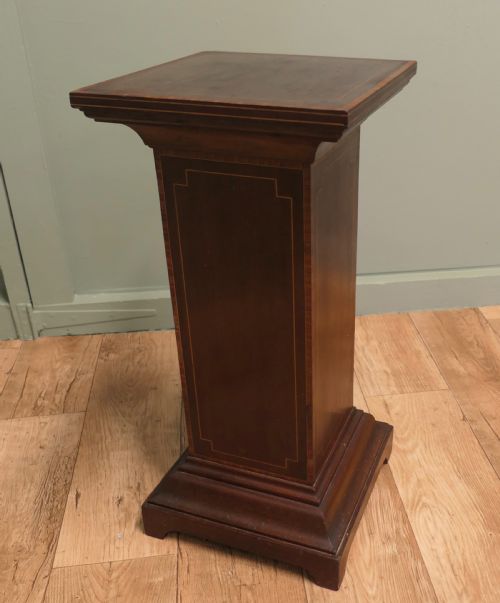
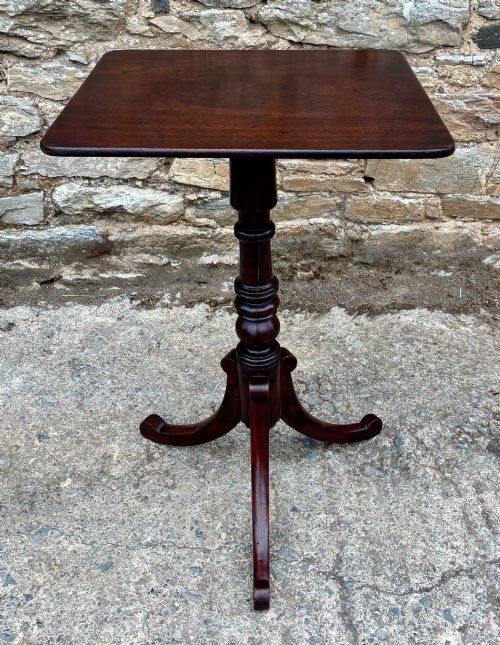
Nineteenth century mahogany pedestals encompass a variety of large dining tables, partner desks, and smaller supportive forms shaped during the Georgian, Regency, William IV, and Victorian periods. Buyers search for these pieces to anchor a room with substantial timber architecture and period craftsmanship.
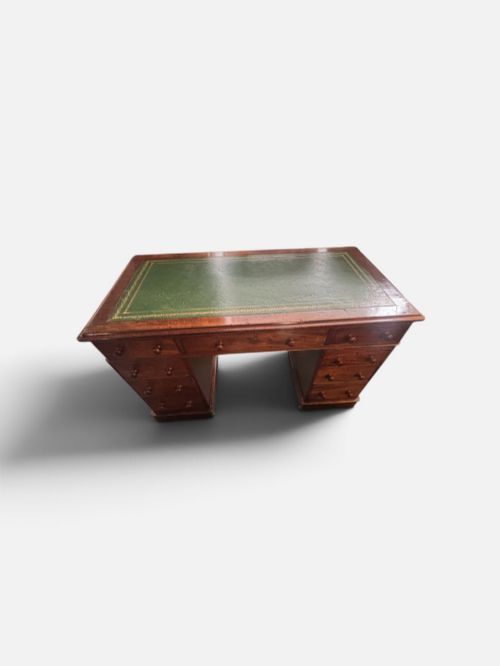
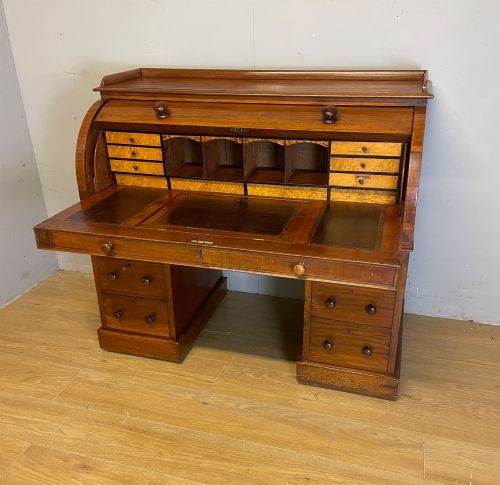
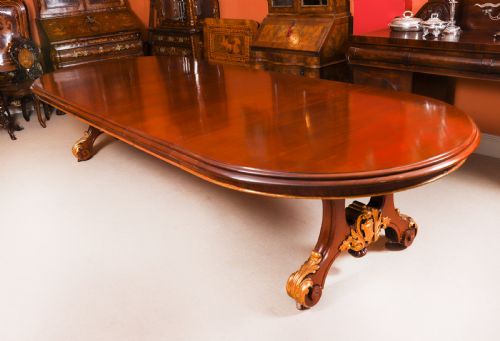
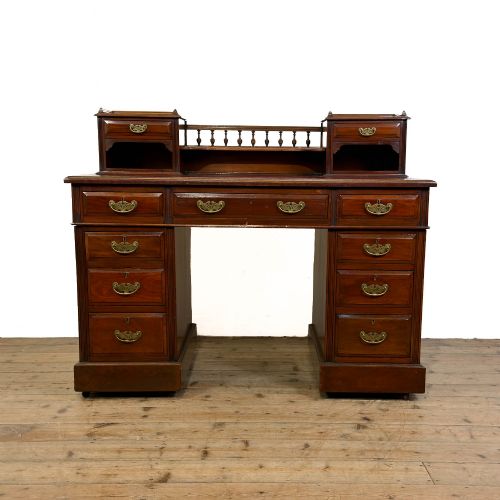
The selection here ranges from grand triple pedestal dining tables and cylinder desks to smaller bedside cupboards and torchere stands. Dining tables and twin pedestal desks dominate the offerings, built to serve practical functions within domestic and office spaces.
Origins span English workshops alongside French interpretations like the gueridon, reflecting diverse regional tastes across the nineteenth century. Each piece relies on single or multiple columnar supports to lift the main working surface.
Materials and Construction
Cabinet makers utilised solid mahogany and figured mahogany veneers over secondary timbers, often selecting flame mahogany for striking grain patterns. Boxwood stringing, brass casters, and ormolu mounts frequently accent the primary wood.
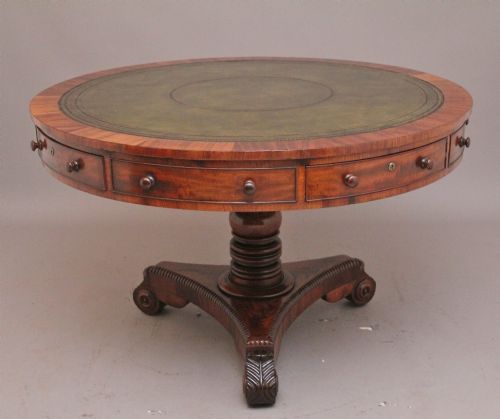
Surfaces such as desk tops incorporate inset leather panels, while specific tables feature marble slabs or tilt-top mechanisms. Joinery methods involve sturdy framing and turned pillars secured to heavy block or tripod bases.
Several tables retain their original brass casters, ready to roll across nineteenth century carpets just as they did two hundred years ago.
Assessing Quality
Quality rests upon the selection of the mahogany timber, where highly figured or flame grain denotes a superior grade chosen by the cabinet maker. The crispness of carved details on pedestals and table edges further distinguishes finer examples from plain production.
Structural integrity and the retention of original brass hardware or fitted leather inserts elevate a piece. Provenance, marked makers, and balanced proportions across multi-pillar dining tables or large partner desks separate high workshops from standard output.
Wylie & Lochead·Hobbs & Co.·Holland & Sons·George Smith·Thomas Hope
The Nineteenth Century Mahogany Pedestals Glossary
- Pedestal
- A structural support column or base beneath a table, desk, or cupboard. It distributes weight down to feet fitted with brass casters.
- Flame Mahogany
- A veneer cut from the branch junction of the tree, creating a distinctive flickering flame pattern. Cabinet makers utilised this for prominent drawer fronts and table tops.
- Cylinder Desk
- A writing desk featuring a curving quarter-circle wooden shutter that rolls back to reveal pigeonholes and a pull-out writing slide. It stands upon pedestal drawer units.
- Ormolu
- Gilt-bronze mounts applied to furniture for decoration, seen particularly on French Empire pieces. This technique involves mercury gilding over cast bronze.
- Boxwood-Strung
- Inlaid with narrow lines of contrasting pale boxwood to outline panels and borders. This decorative stringing highlights the darker mahogany ground.
Nineteenth Century Mahogany Pedestals: Frequently Asked Questions
How do I care for a mahogany pedestal desk?
Keep the timber away from direct heat sources and strong sunlight to prevent the mahogany from drying out or fading. Apply a traditional wax polish occasionally to nourish the grain.
Protect leather writing surfaces by avoiding sharp implements and using blotting paper when writing. Dust the carved details gently with a soft dry cloth.
What is the difference between a twin and triple pedestal table?
A twin pedestal dining table uses two columnar supports beneath the top, generally accommodating seating for six to eight guests. These suit medium dining rooms and smaller gatherings.
Triple pedestal tables add a third central pillar, allowing the structure to extend further for ten or twelve seats. They require larger proportions and provide extra stability for longer surfaces.
Were pedestal desks freestanding?
Many nineteenth century pedestal desks are finished on all sides, including the back, making them suitable to place in the centre of a room rather than against a wall.
Partners desks are specifically designed for two people to work opposite each other, featuring drawers on both sides. Standard pedestal desks often feature a finished back panel when intended for freestanding use.
How do I identify a Regency period pedestal?
Regency pieces often display classical architectural influences, including brass inlay, reeded pillars, and robust brass paw casters. The timber frequently shows rich dark tones with minimal carved distraction.
Look for clean geometric lines and stability in the pedestal base, which typically transitions from a turned column to curved saber legs.